English

Digital Camera
The digital camera is a device that captures photographs in digital memory…
Reads at Grades 6–8 Listens at Grades 4–8
 Screen-free speaker. Built for your kids.
No card, no commitment. One email when there is real news, and one click to stop.
Print & create
Answer keys·No prep·Free with an account
28 worksheets · answer keys · full story · quiz · Ages 10-12 · CEFR B2
Plus adds 102,000+ more stories in 27 languages, audio for every one, and printables for all of them.
Just want Digital Camera?
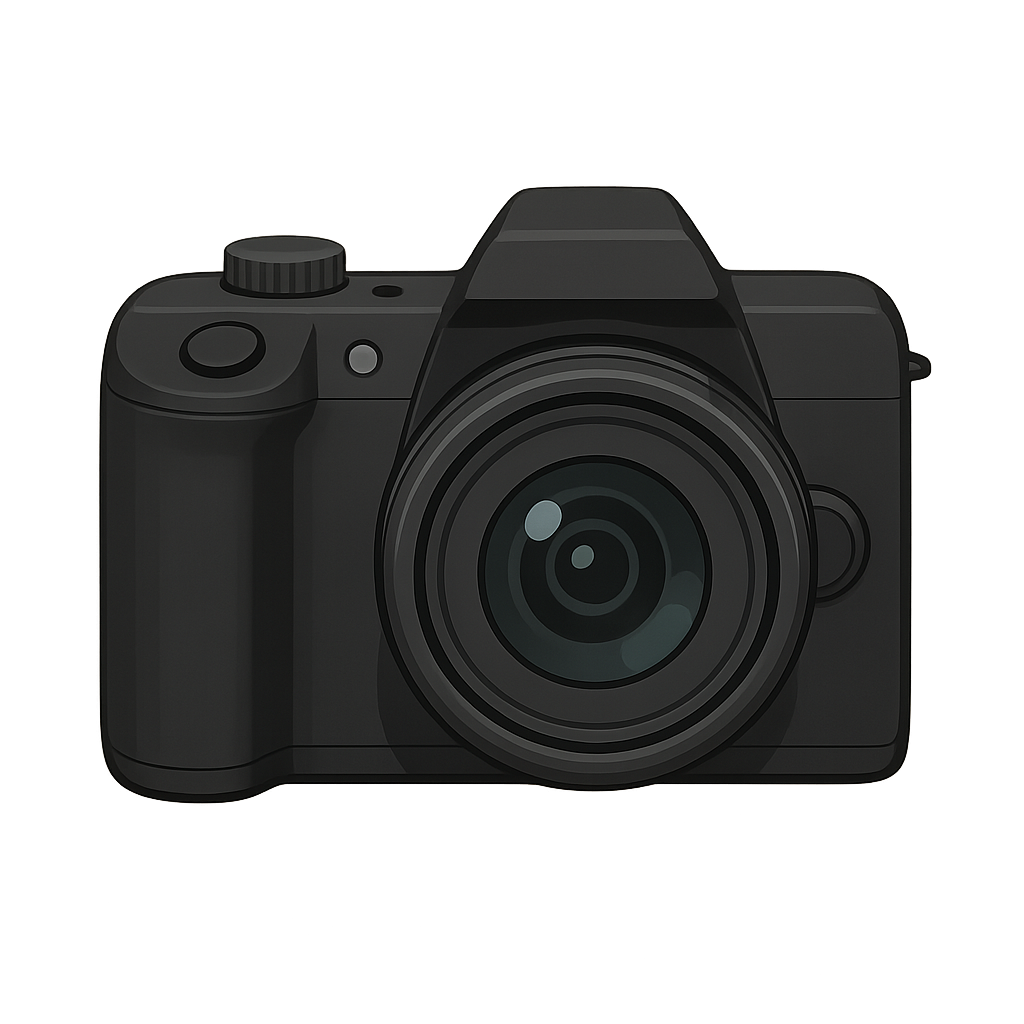
Back in the 1970s, the world sounded different. It was a world of clicks, whirs, and the faint, chemical smell of a darkroom. My name is Steven Sasson, and I was a young engineer at a company called Kodak, the king of photography. Taking a picture was a kind of magic then. You’d load a roll of film, point, click, and capture a moment. But the magic had a catch: you had to wait. You’d finish the roll, take it to a store, and wait days to see if your pictures turned out. It was a process filled with anticipation and sometimes, disappointment. One day, my boss handed me a tiny electronic part called a Charge-Coupled Device, or CCD. It was brand new technology, capable of turning light into an electrical signal. He looked at me and asked a question that would change my life, and eventually, the world. “Steve,” he said, “do you think we could use this to make a camera that doesn't need any film at all?”. The idea was so radical, so seemingly impossible, that I couldn't help but be intrigued. A camera with no film was like a pen with no ink. But the challenge was set, and my mind started racing with possibilities.
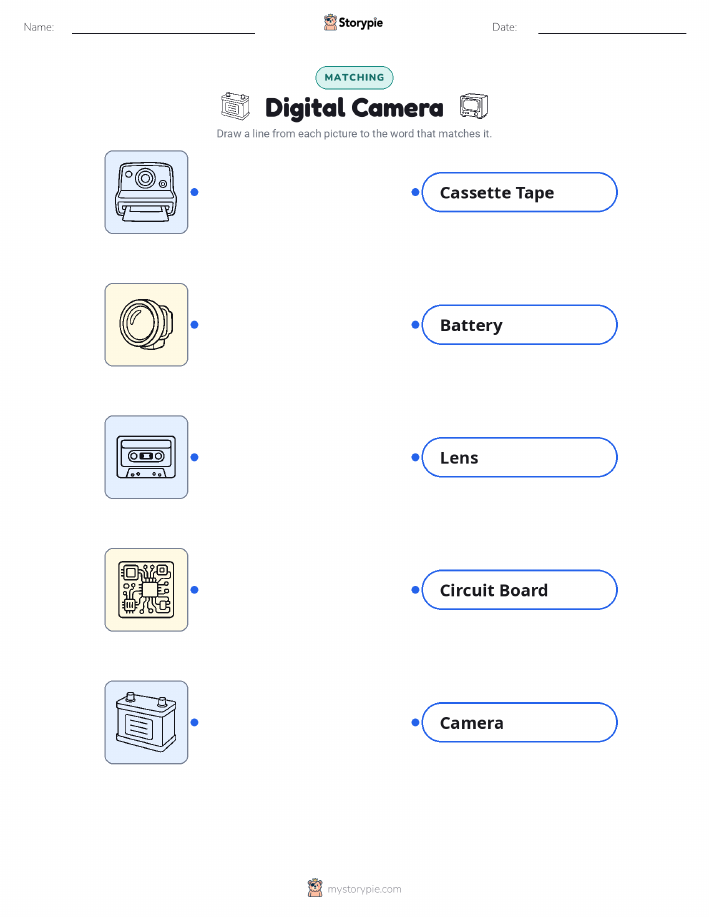
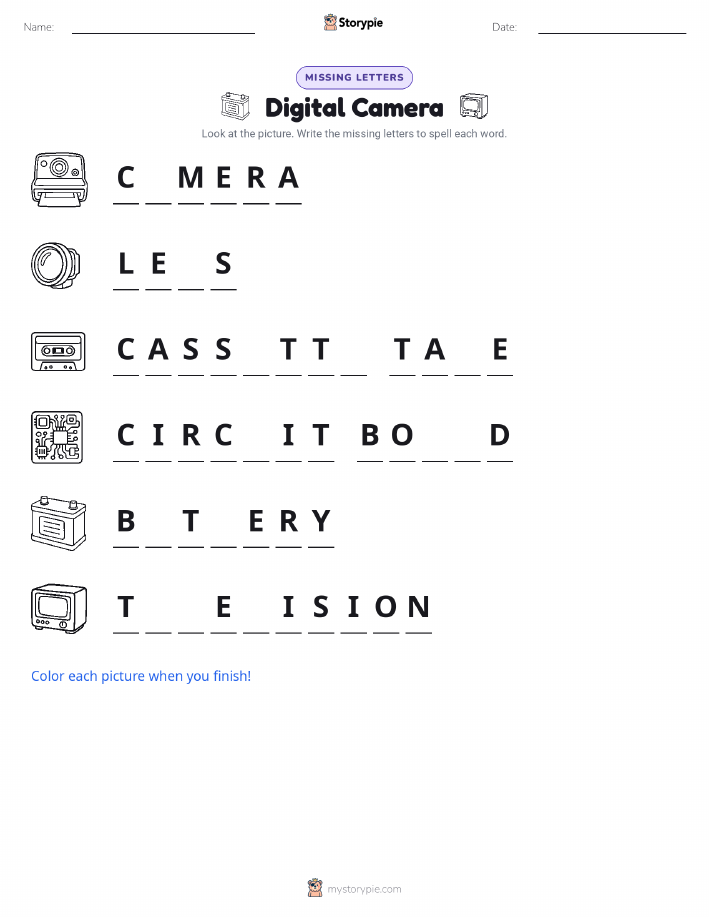
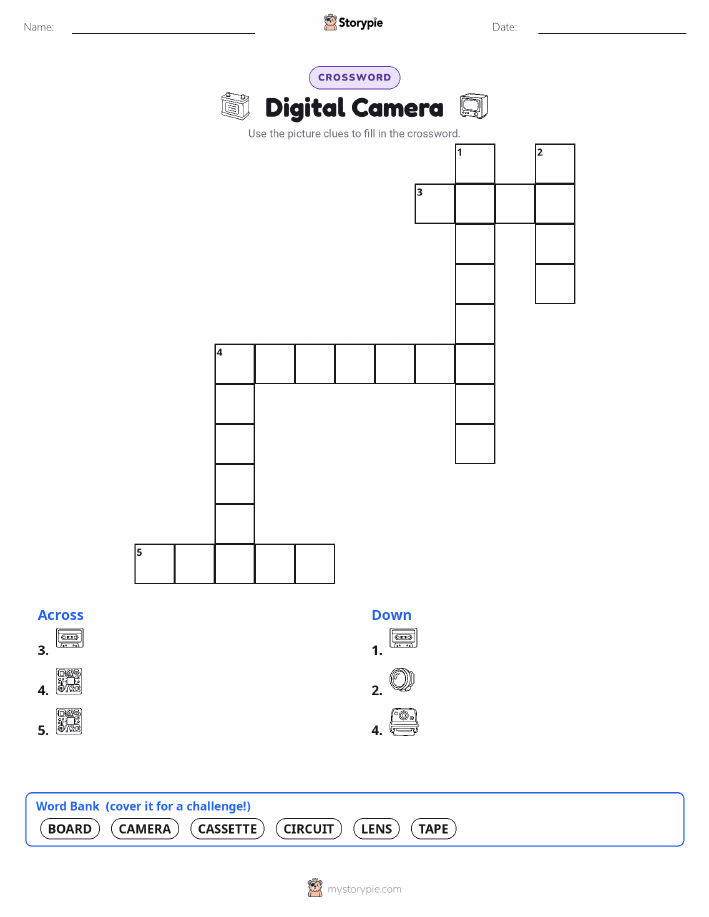
Building what I now call my “Franken-Camera” was like the world’s most bizarre scavenger hunt. My lab became a collection of mismatched parts that had no business being in the same room. I started with the lens, which I borrowed from a used Super-8 movie camera. To turn the image from the lens into digital information, I used a device called an analog-to-digital converter, which was basically a fancy digital voltmeter. The real puzzle was memory. How could I store a picture without film? The answer was something you might have seen in your parents’ old junk drawer: a standard cassette tape, the kind used for music. I designed a circuit board with dozens of chips that would take the data from the CCD and record it onto the tape. It was an incredibly slow process. Powering this whole contraption was another challenge; it required sixteen heavy nickel-cadmium batteries. The core idea was to take a picture, which is just a pattern of light, and translate it into a secret code made of numbers—a language a computer could understand. After months of soldering wires and troubleshooting circuits, my creation was complete. It was a clunky, eight-pound blue box that looked more like a toaster or a strange science fair project than a camera. It was anything but elegant, but I had a feeling it just might work.
The Toaster That Took a Picture
Back in the 1970s, the world sounded different. It was a world of clicks, whirs, and the faint, chemical smell of a darkroom. My name is Steven Sasson, and I was a young engineer at a company called Kodak, the king of photography. Taking a picture was a kind of magic then. You’d load a roll of film, point, click, and capture a moment. But the magic had a catch: you had to wait. You’d finish the roll, take it to a store, and wait days to see if your pictures turned out. It was a process filled with anticipation and sometimes, disappointment. One day, my boss handed me a tiny electronic part called a Charge-Coupled Device, or CCD. It was brand new technology, capable of turning light into an electrical signal. He looked at me and asked a question that would change my life, and eventually, the world. “Steve,” he said, “do you think we could use this to make a camera that doesn't need any film at all?”. The idea was so radical, so seemingly impossible, that I couldn't help but be intrigued. A camera with no film was like a pen with no ink. But the challenge was set, and my mind started racing with possibilities.
Building what I now call my “Franken-Camera” was like the world’s most bizarre scavenger hunt. My lab became a collection of mismatched parts that had no business being in the same room. I started with the lens, which I borrowed from a used Super-8 movie camera. To turn the image from the lens into digital information, I used a device called an analog-to-digital converter, which was basically a fancy digital voltmeter. The real puzzle was memory. How could I store a picture without film? The answer was something you might have seen in your parents’ old junk drawer: a standard cassette tape, the kind used for music. I designed a circuit board with dozens of chips that would take the data from the CCD and record it onto the tape. It was an incredibly slow process. Powering this whole contraption was another challenge; it required sixteen heavy nickel-cadmium batteries. The core idea was to take a picture, which is just a pattern of light, and translate it into a secret code made of numbers—a language a computer could understand. After months of soldering wires and troubleshooting circuits, my creation was complete. It was a clunky, eight-pound blue box that looked more like a toaster or a strange science fair project than a camera. It was anything but elegant, but I had a feeling it just might work.
The big moment arrived in December of 1975. The air in the lab felt electric with a mix of excitement and nervousness. Now I just needed a subject. I spotted a lab assistant named Joy Marshall nearby and asked, “Would you mind posing for a picture?”. She agreed, probably thinking I was going to use a normal camera. Instead, I aimed my giant blue box at her. She smiled, and I pressed the button. Nothing happened. At least, not right away. There was no satisfying click or whir. Just a strange, humming silence as the camera’s circuits painstakingly gathered the light from her face and converted it into digital data. It took a full 23 seconds to capture the image and record it onto the cassette tape. Joy looked at me, confused. “Did it work?” she asked. “I think so!” I replied, though I wasn't entirely sure. Now came the second, even longer wait. We walked the cassette over to a special playback unit I had built, which was connected to a television screen. I popped in the tape and hit play. For another 30 seconds, we stared at a screen of static. Then, slowly, miraculously, lines began to appear. A fuzzy, black-and-white image, made of just 100 by 100 pixels, started to form. And there it was: Joy’s smiling face, a ghost in the machine. We had done it. We had captured and displayed an image with no film, no paper, and no chemicals. It was the world's first digital photograph.
Feeling triumphant, I brought my toaster-camera and the television setup to a meeting with the executives at Kodak. I explained the whole process, from the CCD to the cassette tape to the final image on the screen. I showed them the fuzzy picture of Joy. They looked at it, then at me, with a mixture of confusion and mild amusement. After a long pause, one of them said, “That’s a cute gimmick, son.” They just couldn’t grasp the potential. “Why,” they asked, “would anyone ever want to see their pictures on a television? How would you put it in a photo album?”. I tried to explain that the technology would get better, smaller, and higher quality, but it was a difficult concept to imagine. Their entire, incredibly successful business was built on selling film and photo paper. My invention, in a way, was a threat to everything they knew. So, they gave me a pat on the back for my cleverness and asked me to quietly keep working on the technology, but not to tell anyone outside the company about it. It was a powerful lesson for me: sometimes, even a world-changing idea has to wait for the world to be ready to see it.
Decades have passed since I cobbled together that blue box in my lab. It’s truly astonishing to look back and see the journey that started with a single question. That eight-pound prototype that took 23 seconds to capture one grainy photo is the direct ancestor of the sleek, powerful cameras that now live inside every smartphone. The “cute gimmick” that my bosses couldn't quite understand has become the way billions of people capture and instantly share their lives. It’s a testament to the power of curiosity. Every time you snap a photo on your phone and send it to a friend in a split second, you’re using the legacy of that strange experiment. I feel an immense sense of pride knowing that my work helped give everyone the power to be a photographer. It just goes to show that the biggest inventions often start not with a grand plan, but with a simple question and the courage to build something the world has never seen before.
Wow facts
About
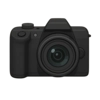
The digital camera is a device that captures photographs in digital memory, eliminating the need for chemical film and allowing for instant viewing and sharing of images.
Take a Quiz
Question 1 of 5
Why were the executives at Kodak hesitant to support Steven Sasson's invention, even though it worked?
Explore next





Want to do even more?
Go beyond exploring. Unlock tools that turn every story into real learning.

Storypie Plus for families
Full stories, quizzes, and printables. Nights and car rides, sorted.
- Unlimited audio stories
- Create Mode: your child stars in the story
- Offline downloads
- Printable worksheets & coloring pages

Why Storypie for Schools
Students engaged. Prep in seconds. Evenings back to you.
- Worksheets & Quizzes
- Classroom Management
- Formative Assessment
- Custom Curriculum & Lesson Plans
- 27 Languages

Why Storypie for Homeschool
Curriculum done. They'll ask for more. Hours back in your day.
- Worksheet Generator
- First-Person Audio Stories
- Built-in Comprehension Quizzes
- Custom Curriculum & Lesson Plans
- Print & Go Activities