
A Whirlwind Story of the Electric Fan

Do you hear that gentle whirring sound. That steady hum followed by a cool rush of air on your face. That’s me. My name is Electric Fan, and I am a machine made for one wonderful purpose: to create a breeze. Before I came along, summer was a very different story. Imagine the hottest, stickiest day of the year, when the sun beats down and the air feels as thick and heavy as a wool blanket. People would sit on their porches, barely moving, their clothes sticking to their skin. The air would be perfectly still, without even a whisper of wind. To find any relief, they would wave anything they could get their hands on. Ladies used fancy paper fans, children used folded newspapers, and some people used large palm leaves. It was hard work, just to make a tiny bit of air move. They would fan and fan, their arms getting tired, just for a moment of coolness. In offices, workers would feel sleepy and slow in the afternoon heat, and at night, families would toss and turn, finding it almost impossible to sleep. They longed for a wind that they could call on whenever they needed it, a breeze that wouldn't get tired.

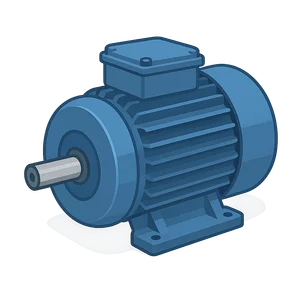
My story truly begins with the spark of a new idea in a world that was just starting to glow with electricity. In the year 1882, cities were being lit up by the magical new invention of the electric light bulb. A brilliant engineer named Schuyler Skaats Wheeler saw this and was filled with wonder. He looked at the electricity flowing through wires to make light, and a powerful question popped into his head: if this energy can create light, what other amazing things can it do. He knew about the small electric motors that were also being developed, and he knew about the propellers that pushed giant ships through the water. His mind started to whirl, just like my blades do now. He thought, what if I took a small, efficient electric motor and attached blades to it, like a miniature ship's propeller. Could it spin fast enough to create a current of air. It was a revolutionary thought. Instead of people working hard to move the air, a machine could do it for them. He tinkered in his workshop, connecting wires and testing different blade shapes. He was determined to harness the power of electricity not just for sight, but for comfort. Finally, he perfected his design. On a hot day in 1882, he flipped a switch, and for the very first time, a personal, portable, mechanical breeze was born. I was the world’s first electric desk fan. A few years later, another clever inventor named Philip Diehl took the idea and looked up. He created my bigger cousin, the ceiling fan, who could cool down an entire room from above with his long, sweeping arms.
From that first spark in Mr. Wheeler’s workshop, I began a grand journey. At first, I was a novelty, a special machine that only a few people had. But soon, everyone wanted a tireless breeze of their own. I started appearing in more and more places. In busy offices, I kept workers cool and alert, helping them think clearly through long, hot afternoons. In restaurants and shops, I made customers comfortable, inviting them to stay a little longer. But my favorite place to be was in people's homes. I would sit on a bedside table, humming a gentle lullaby and sending soft breezes that helped children and their parents drift off to sleep on even the warmest nights. I became a trusted friend, a symbol of summer comfort. My design changed over the years, with safer cages and buttons for different speeds, but my purpose always stayed the same. Even now, in a world with powerful air conditioning, I am still here. I am a simple, trusty helper, always ready to share a cool breeze. Looking back, I feel a quiet pride. I am a reminder that sometimes, the most wonderful changes come from a single, bright idea that simply wanted to make the world a more comfortable place, one whirring blade at a time.

Reading Comprehension Questions

Click to see answer

Answer: Before the fan, people suffered from sweltering heat on days when the air was still. They had to tire themselves out by manually fanning with paper or leaves. The electric fan solved this by using electricity to create a continuous breeze without any human effort.

Answer: He was inspired by the light bulb because it showed him the power of electricity to do amazing things. Seeing it create light made him wonder what other problems electricity could solve, which led him to think about using it to create a breeze.

Answer: In this story, 'sweltering' means uncomfortably hot and sticky.

Answer: The fan probably felt proud and excited. It was the moment it fulfilled its purpose for the very first time, bringing a new kind of comfort into the world.

Answer: The fan calls the ceiling fan its cousin because they are both types of electric fans that were invented around the same time and do a similar job. They are part of the same 'family' of inventions.