English

Roman Aqueducts
Roman aqueducts were sophisticated water transport systems, including channels, tunnels, and bridges…
Reads at Grades 3–5 Listens at Grades 1–5
Print & create
Answer keys·No prep·Free with an account
28 worksheets · answer keys · full story · quiz · Ages 8-10 · CEFR B1
Plus adds 102,000+ more stories in 27 languages, audio for every one, and printables for all of them.
Just want Roman Aqueducts?
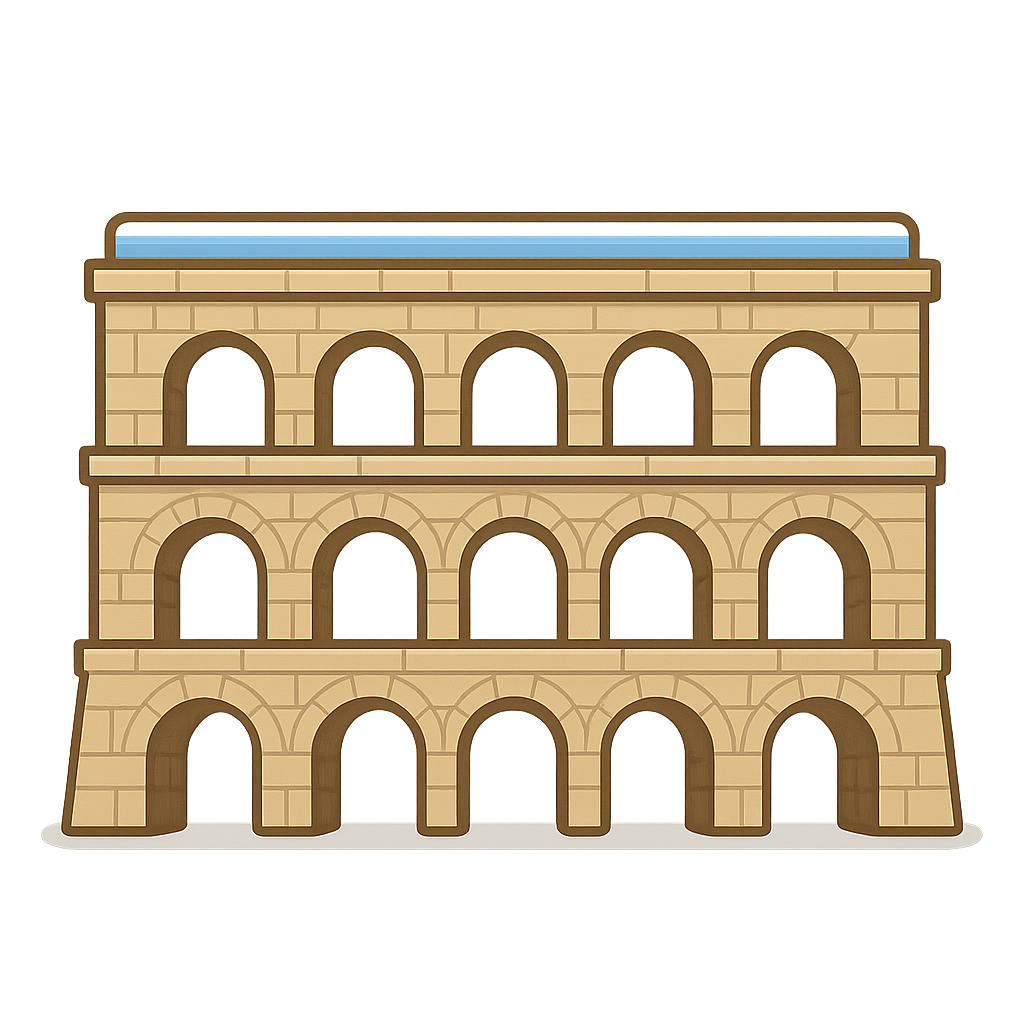
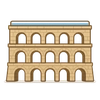
Hello. If you look at me, you might think I am just a very long, very old stone bridge. But I hold a secret inside me—I am a river in the sky. I am a Roman aqueduct, and my story begins in a busy, growing city called Rome, long ago in the 4th century BCE. The city was full of life, with families, merchants, and soldiers bustling through the streets. But as more people came to live there, they faced a very big problem. They were thirsty. The river that ran through the city, the Tiber, had become murky and was no longer clean enough for everyone to drink. People needed fresh, pure water for their homes, their public baths, and for the gardens that grew their food. The leaders of Rome knew they had to find a solution, and that is where my story truly begins.
Roman engineers, some of the most brilliant builders in history, came up with a grand plan. Their idea was based on a simple, powerful rule of nature: water always flows downhill. They traveled to the hills far outside the city to find clean springs and streams. Their challenge was to get that water all the way to Rome, crossing miles of countryside with valleys and hills in the way. The engineers, led by men like a censor named Appius Claudius Caecus, used special tools to measure the land, planning a path for me with a very gentle, steady slope, or gradient. This slope was so slight you could barely see it, but it was perfect for guiding the water on its long journey. Thousands of workers began the incredible task of building me. They dug tunnels straight through hills and built tall, graceful arches to carry me across deep valleys. They used strong stone, brick, and a special waterproof concrete that the Romans invented, which made me strong enough to last for thousands of years. The very first of my kind, the Aqua Appia, was built in the year 312 BCE, and I was just the beginning of a whole network of stone rivers.
The Stone River
Hello. If you look at me, you might think I am just a very long, very old stone bridge. But I hold a secret inside me—I am a river in the sky. I am a Roman aqueduct, and my story begins in a busy, growing city called Rome, long ago in the 4th century BCE. The city was full of life, with families, merchants, and soldiers bustling through the streets. But as more people came to live there, they faced a very big problem. They were thirsty. The river that ran through the city, the Tiber, had become murky and was no longer clean enough for everyone to drink. People needed fresh, pure water for their homes, their public baths, and for the gardens that grew their food. The leaders of Rome knew they had to find a solution, and that is where my story truly begins.
Roman engineers, some of the most brilliant builders in history, came up with a grand plan. Their idea was based on a simple, powerful rule of nature: water always flows downhill. They traveled to the hills far outside the city to find clean springs and streams. Their challenge was to get that water all the way to Rome, crossing miles of countryside with valleys and hills in the way. The engineers, led by men like a censor named Appius Claudius Caecus, used special tools to measure the land, planning a path for me with a very gentle, steady slope, or gradient. This slope was so slight you could barely see it, but it was perfect for guiding the water on its long journey. Thousands of workers began the incredible task of building me. They dug tunnels straight through hills and built tall, graceful arches to carry me across deep valleys. They used strong stone, brick, and a special waterproof concrete that the Romans invented, which made me strong enough to last for thousands of years. The very first of my kind, the Aqua Appia, was built in the year 312 BCE, and I was just the beginning of a whole network of stone rivers.
My purpose was to bring life to the city, and I did my job with pride. Imagine the joy when cool, clear water from the mountains first splashed into the city's fountains. Every day, I carried millions of gallons of water into Rome. This water filled the grand public bathhouses where people gathered to relax, talk, and get clean. It flowed to the homes of wealthy citizens and supplied the public drinking fountains used by everyone. The water I delivered even turned the wheels of mills that ground grain into flour for bread. Because of the clean water I provided, Rome became a much healthier place to live. Fewer people got sick, and the city could continue to grow. By the 1st century CE, over a million people called Rome their home, making it one of the biggest and most advanced cities in the ancient world. I was the silent, steady heartbeat that allowed the city to thrive.
My work continued for centuries, and even though the Roman Empire eventually fell, I did not disappear. Many of my arches and channels are still standing today, monuments to the clever people who designed and built me. Tourists and engineers from all over the world come to admire my strength and my simple, elegant design. Looking back, I see that my legacy is more than just old stones. The ideas the Roman engineers used to create me—using gravity to move water over long distances—are still the foundation for the systems that bring water to our cities today. Every time you turn on a faucet, a little piece of my story continues, reminding us that a clever idea can help people for thousands of years.
Wow facts
About
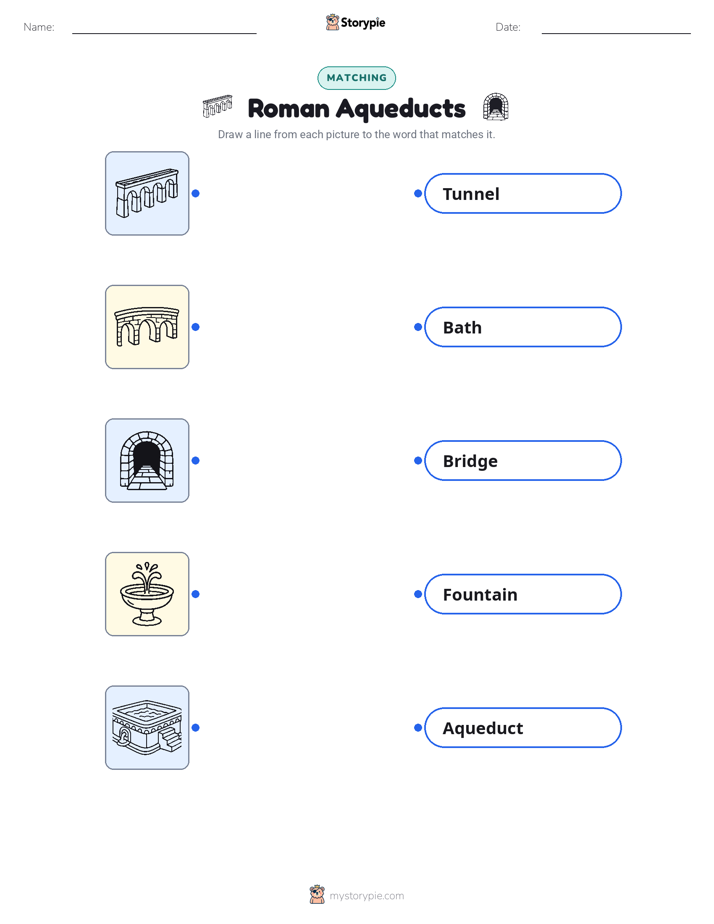
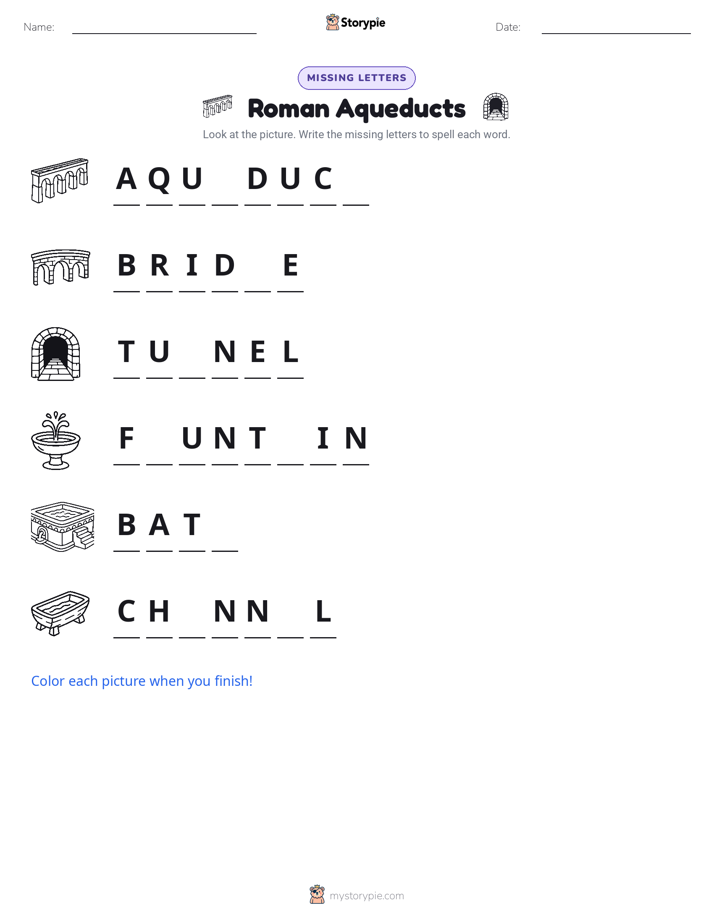
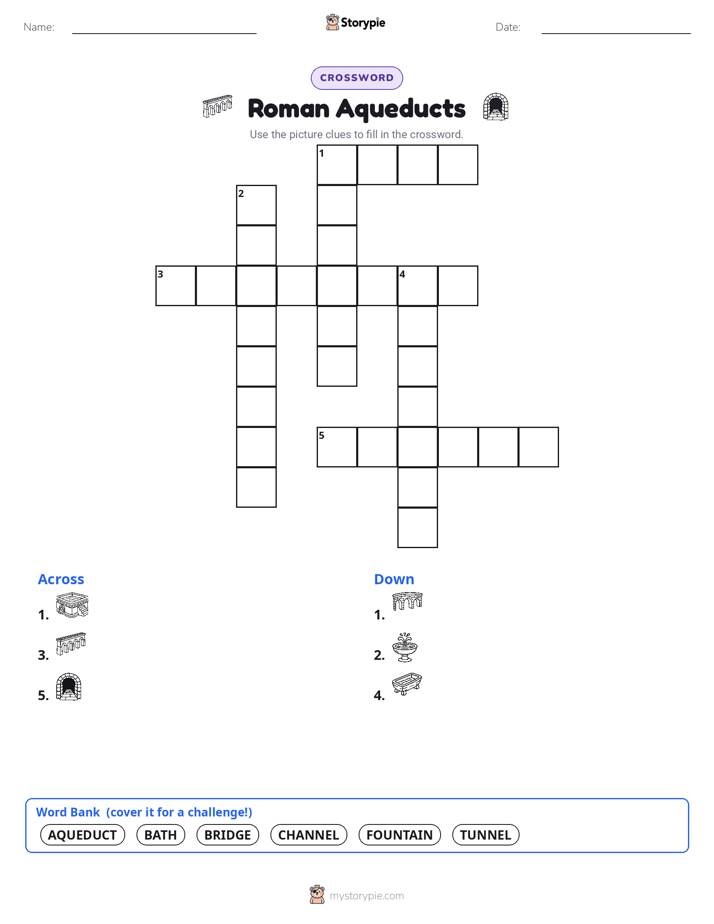
Roman aqueducts were sophisticated water transport systems, including channels, tunnels, and bridges, built by ancient Romans to bring fresh water from distant sources into their cities and towns for public baths, fountains, and homes.
Take a Quiz
Question 1 of 5
In the story, the aqueduct says the engineers planned a path with a 'gentle, steady slope, or gradient.' What does the word 'gradient' mean here?
Explore next






Want to do even more?
Go beyond exploring. Unlock tools that turn every story into real learning.

Storypie Plus for families
Full stories, quizzes, and printables. Nights and car rides, sorted.
- Unlimited audio stories
- Create Mode: your child stars in the story
- Offline downloads
- Printable worksheets & coloring pages

Why Storypie for Schools
Students engaged. Prep in seconds. Evenings back to you.
- Worksheets & Quizzes
- Classroom Management
- Formative Assessment
- Custom Curriculum & Lesson Plans
- 27 Languages

Why Storypie for Homeschool
Curriculum done. They'll ask for more. Hours back in your day.
- Worksheet Generator
- First-Person Audio Stories
- Built-in Comprehension Quizzes
- Custom Curriculum & Lesson Plans
- Print & Go Activities