English

Sonar
Sonar, an acronym for Sound Navigation and Ranging, is a technology that uses sound propagation to navigate…
Reads at Grades K-2 Listens at K–3
Print & create
Answer keys·No prep·Free with an account
28 worksheets · answer keys · full story · quiz · Ages 6-8 · CEFR A2
Plus adds 244,000+ more stories in 27 languages, audio for every one, and printables for all of them.
Just want Sonar?
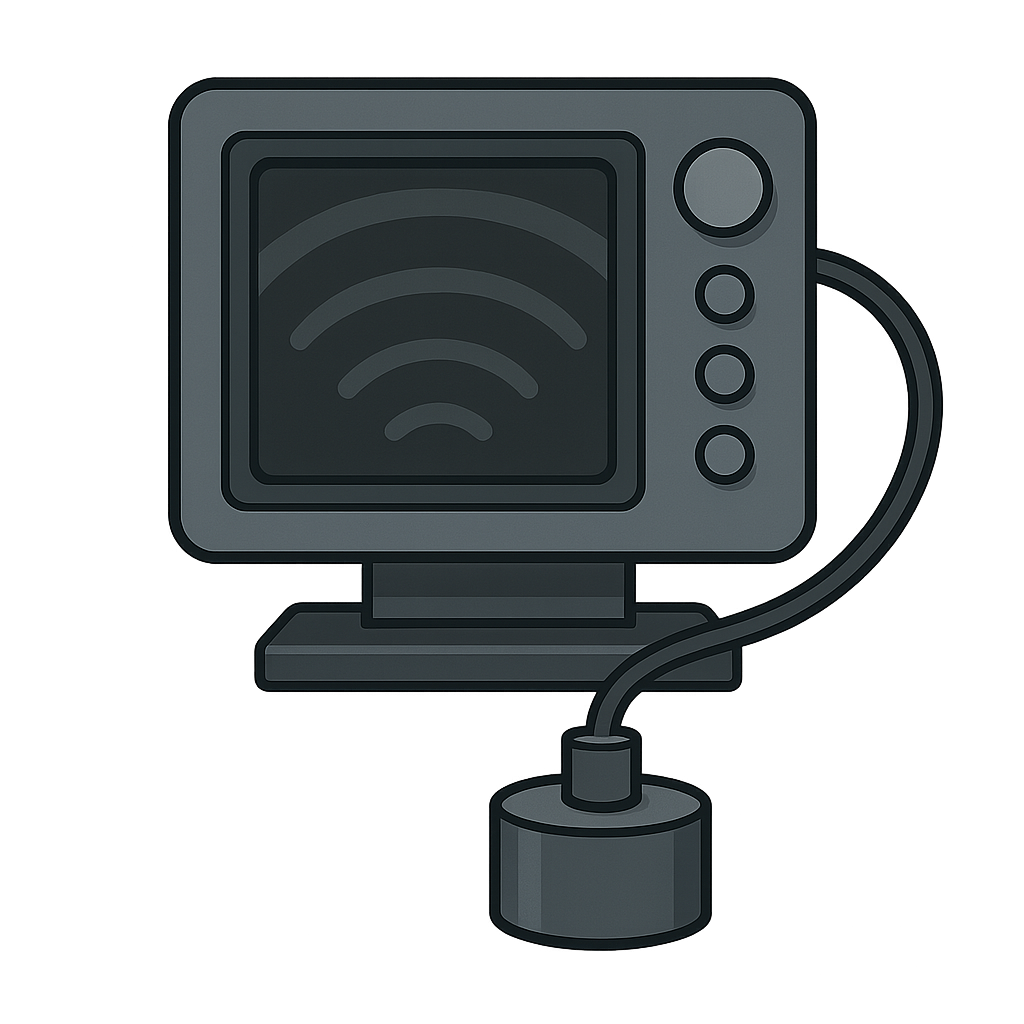
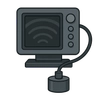
Hello. My name is Sonar, and I have a very special job. I'm like a pair of super ears for ships that travel on the big, blue ocean. My name is a secret code for what I do: SOund NAvigation and Ranging. That’s a fancy way of saying I use sound to find my way around underwater. Have you ever shouted in a big, empty canyon and heard your voice come back to you. That’s called an echo. Well, I do the same thing, but under the waves. I send out a little sound, like a ‘ping!’, and then I listen very carefully for the echo to bounce back. That echo tells me if something is hiding in the water, like a big rock, a friendly whale, or even another ship. It's my special way of seeing with sound.
Before I was invented, the ocean was a very mysterious and sometimes scary place for ships. Sailors could only see what was on top of the water, but they had no idea what was hiding underneath. This was a very big problem. A long time ago, on April 15th, 1912, a huge and beautiful ship called the Titanic was sailing across the ocean. It was dark, and the lookouts couldn't see a giant mountain of ice, called an iceberg, floating in the water. The ship hit the iceberg, and it was a very sad day. This made everyone realize that ships needed a way to see in the dark, deep water. People thought, 'There must be a way to know what's ahead!'. That's when clever inventors and scientists got the idea to create me. They wanted to give ships a way to listen for danger before it was too late.
It took some very smart people to teach me how to listen. A man in France named Paul Langevin was one of the first people to really figure me out around the year 1915. He was inspired by animals that are experts at using sound, like bats that fly in the dark and dolphins that swim in the sea. They both make little clicks and chirps and listen to the echoes to find food and avoid bumping into things. Paul thought, 'If a bat can do it, maybe a machine can too!'. He worked hard to build a special machine that could send out my ‘ping!’ sound deep into the water. Then, it would wait and listen for the echo to return. By measuring how long the echo took to come back, he could tell exactly how far away something was. This was very important during a time called World War I, because it helped keep ships safe from submarines hiding under the water.
I Am Sonar, the Ears of the Ocean
Hello. My name is Sonar, and I have a very special job. I'm like a pair of super ears for ships that travel on the big, blue ocean. My name is a secret code for what I do: SOund NAvigation and Ranging. That’s a fancy way of saying I use sound to find my way around underwater. Have you ever shouted in a big, empty canyon and heard your voice come back to you. That’s called an echo. Well, I do the same thing, but under the waves. I send out a little sound, like a ‘ping!’, and then I listen very carefully for the echo to bounce back. That echo tells me if something is hiding in the water, like a big rock, a friendly whale, or even another ship. It's my special way of seeing with sound.
Before I was invented, the ocean was a very mysterious and sometimes scary place for ships. Sailors could only see what was on top of the water, but they had no idea what was hiding underneath. This was a very big problem. A long time ago, on April 15th, 1912, a huge and beautiful ship called the Titanic was sailing across the ocean. It was dark, and the lookouts couldn't see a giant mountain of ice, called an iceberg, floating in the water. The ship hit the iceberg, and it was a very sad day. This made everyone realize that ships needed a way to see in the dark, deep water. People thought, 'There must be a way to know what's ahead!'. That's when clever inventors and scientists got the idea to create me. They wanted to give ships a way to listen for danger before it was too late.
It took some very smart people to teach me how to listen. A man in France named Paul Langevin was one of the first people to really figure me out around the year 1915. He was inspired by animals that are experts at using sound, like bats that fly in the dark and dolphins that swim in the sea. They both make little clicks and chirps and listen to the echoes to find food and avoid bumping into things. Paul thought, 'If a bat can do it, maybe a machine can too!'. He worked hard to build a special machine that could send out my ‘ping!’ sound deep into the water. Then, it would wait and listen for the echo to return. By measuring how long the echo took to come back, he could tell exactly how far away something was. This was very important during a time called World War I, because it helped keep ships safe from submarines hiding under the water.
Today, I have so many exciting jobs. I still help keep big ships safe from running into rocks or icebergs, just like I was designed to do. But I also get to be an explorer. Scientists use me to make maps of the bottom of the ocean, discovering huge mountains and deep valleys that no human eye has ever seen. I help treasure hunters find old, sunken ships that have been lost for hundreds of years. And one of my favorite jobs is helping scientists listen to the beautiful songs of whales and the playful clicks of dolphins. I help people understand the secret language of the sea. I am so happy that I get to help us explore and learn about the amazing, wonderful world that is hidden just beneath the waves.
Wow facts
About
Sonar, an acronym for Sound Navigation and Ranging, is a technology that uses sound propagation to navigate, measure distances, communicate with or detect objects on or under the surface of the water.
Take a Quiz
Question 1 of 4
Why was Sonar invented after the Titanic sank?
Explore next




Want to do even more?
Go beyond exploring. Unlock tools that turn every story into real learning.

Storypie Plus for families
Full stories, quizzes, and printables. Nights and car rides, sorted.
- Unlimited audio stories
- Create Mode: your child stars in the story
- Offline downloads
- Printable worksheets & coloring pages

Why Storypie for Schools
Students engaged. Prep in seconds. Evenings back to you.
- Worksheets & Quizzes
- Classroom Management
- Formative Assessment
- Custom Curriculum & Lesson Plans
- 27 Languages

Why Storypie for Homeschool
Curriculum done. They'll ask for more. Hours back in your day.
- Worksheet Generator
- First-Person Audio Stories
- Built-in Comprehension Quizzes
- Custom Curriculum & Lesson Plans
- Print & Go Activities