English

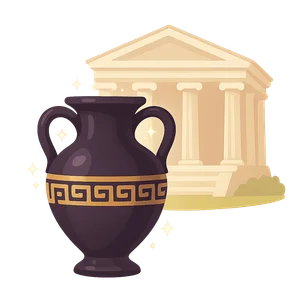
Dionysus
Dionysus is the ancient Greek god of wine, festivals, fertility, theater, and religious ecstasy.
Reads at Grades 6–8 Listens at Grades 4–8
Print & create
Answer keys·No prep·Free with an account
28 worksheets · answer keys · full story · quiz · Ages 10-12 · CEFR B2
Plus adds 208,000+ more stories in 27 languages, audio for every one, and printables for all of them.
Just want Dionysus?
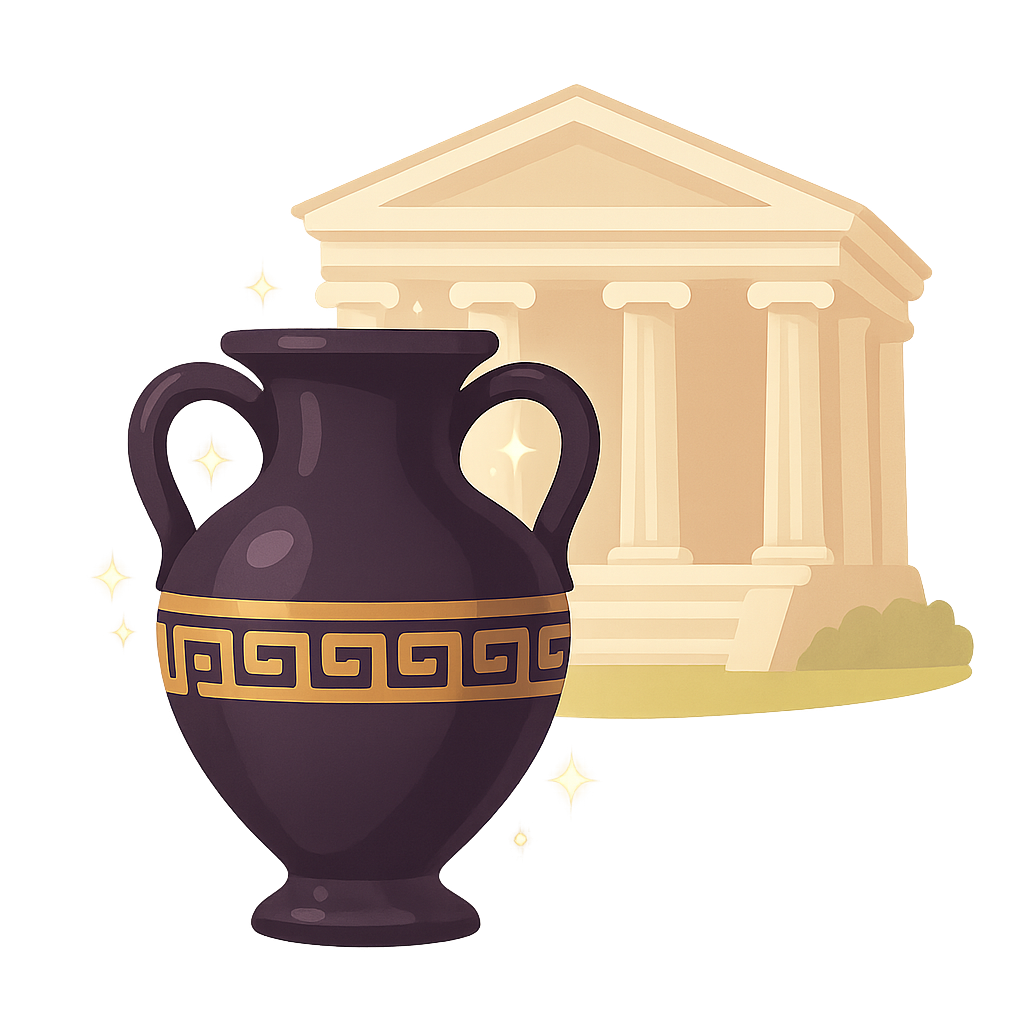
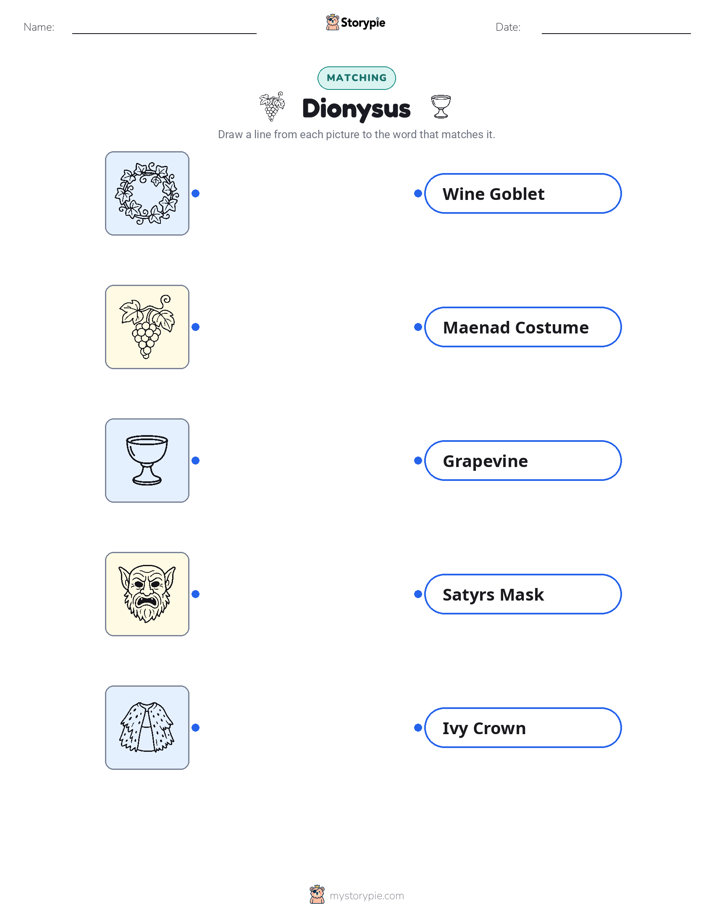
Do you hear that? It’s the sound of laughter echoing through a sun-drenched vineyard, the whisper of rustling leaves, and the low hum of a joyful song. That is where you will find me, for I am Dionysus. You might see me with a crown of ivy, my companions—the wild and wonderful Satyrs and Maenads—dancing around me, but I am more than just a party. I am the wildness in the forest, the creative spark in a poet's mind, and the magic that turns a simple gathering into a true celebration. My story is one of a long and difficult journey to find my place, a tale of tragedy and triumph that the ancient Greeks told around their fires and in their grand theaters. This is the myth of Dionysus, and it is my own.
My story begins not on the golden peaks of Mount Olympus, but in the mortal world, in the city of Thebes. My mother was the beautiful princess Semele, and my father was Zeus, king of all gods. His wife, the goddess Hera, was jealous of their love. She tricked my mother into making a dangerous request: to see Zeus in his true, divine form. No mortal could survive such a sight, and my mother perished in his brilliant light. But Zeus, in his grief, rescued me before I was born. He sheltered me in the safest place he knew—within himself—until I was ready to enter the world. Because of this, I am called the 'twice-born,' a god with a foot in both the mortal and divine worlds. I was raised far away on the mythical Mount Nysa by gentle nymphs who taught me the secrets of the forest. I grew up surrounded by nature, learning the songs of the wild and discovering the magic hidden in the earth.
The Myth of Dionysus
Do you hear that? It’s the sound of laughter echoing through a sun-drenched vineyard, the whisper of rustling leaves, and the low hum of a joyful song. That is where you will find me, for I am Dionysus. You might see me with a crown of ivy, my companions—the wild and wonderful Satyrs and Maenads—dancing around me, but I am more than just a party. I am the wildness in the forest, the creative spark in a poet's mind, and the magic that turns a simple gathering into a true celebration. My story is one of a long and difficult journey to find my place, a tale of tragedy and triumph that the ancient Greeks told around their fires and in their grand theaters. This is the myth of Dionysus, and it is my own.
My story begins not on the golden peaks of Mount Olympus, but in the mortal world, in the city of Thebes. My mother was the beautiful princess Semele, and my father was Zeus, king of all gods. His wife, the goddess Hera, was jealous of their love. She tricked my mother into making a dangerous request: to see Zeus in his true, divine form. No mortal could survive such a sight, and my mother perished in his brilliant light. But Zeus, in his grief, rescued me before I was born. He sheltered me in the safest place he knew—within himself—until I was ready to enter the world. Because of this, I am called the 'twice-born,' a god with a foot in both the mortal and divine worlds. I was raised far away on the mythical Mount Nysa by gentle nymphs who taught me the secrets of the forest. I grew up surrounded by nature, learning the songs of the wild and discovering the magic hidden in the earth.
As a young god, I set out to wander the world. It was during these travels that I discovered a plant I had never seen before: the grapevine. I learned to crush its fruit and let it ferment, creating a drink that could bring joy, loosen tongues, and inspire creativity. This was wine, my gift to humanity. I journeyed from land to land, from Phrygia to India, teaching people how to cultivate vineyards and celebrate the harvest. My followers grew into a joyful procession, a 'thiasus,' filled with music, dance, and laughter. But not everyone welcomed me. Once, a group of pirates captured my ship, thinking I was a mortal prince they could hold for ransom. They tried to tie me up, but the ropes fell away. Suddenly, the ship's mast sprouted into a thick, winding grapevine, sweet-smelling wine flowed across the deck, and I transformed into a roaring lion. The terrified pirates leaped into the sea, where I turned them into dolphins, forever destined to guide lost sailors. This taught the world that my power was not just about joy, but also about the untamable force of nature itself.
My greatest challenge came when I returned to Thebes, the city of my birth. My own cousin, King Pentheus, ruled there. He was a man who loved order and control above all else, and he saw my celebrations as chaotic and dangerous. He refused to recognize me as a god and forbade my worship, imprisoning my followers. I tried to warn him that you cannot simply forbid joy or deny the wilder parts of the human spirit. To suppress them completely is to invite chaos. But Pentheus would not listen. He disguised himself to spy on my followers, the Maenads, during their secret rites on the mountain. In their ecstatic state, they mistook him for a wild animal and, in a tragic frenzy, brought about his downfall. The story of Pentheus became a powerful lesson for the Greeks: there must be a balance between the calm order of society and the wild, creative freedom that I represent. When the people of Thebes saw what had happened, they finally understood and accepted me, building temples in my honor.
After proving my divinity, I took my rightful place on Mount Olympus. But my greatest influence on humanity was just beginning. The festivals held in my honor, especially the City Dionysia in Athens, grew into grand events. To honor me, storytellers and poets began to perform choral songs and dialogues. These performances evolved into something new: theater. The actors wore masks, allowing them to transform into different characters, just as I could transform myself and the world around me. They told stories of heroes, gods, and human struggles—tragedies that explored deep questions and comedies that made people laugh together. My worship gave birth to the art of drama, a way for people to explore their emotions and understand their world. Today, every time you watch a play, see a movie, or lose yourself in a story, you are feeling a spark of my spirit. My myth reminds us to celebrate life, to embrace creativity, and to understand that there is a little bit of wild magic in all of us, just waiting for a stage.
Wow facts
About
Dionysus is the ancient Greek god of wine, festivals, fertility, theater, and religious ecstasy. He is often depicted as a joyful, wild, and transformative figure who brings liberation and celebration.
Take a Quiz
Question 1 of 5
Why did King Pentheus refuse to worship Dionysus?
Explore next

Want to do even more?
Go beyond exploring. Unlock tools that turn every story into real learning.

Storypie Plus for families
Full stories, quizzes, and printables. Nights and car rides, sorted.
- Unlimited audio stories
- Create Mode: your child stars in the story
- Offline downloads
- Printable worksheets & coloring pages

Why Storypie for Schools
Students engaged. Prep in seconds. Evenings back to you.
- Worksheets & Quizzes
- Classroom Management
- Formative Assessment
- Custom Curriculum & Lesson Plans
- 27 Languages

Why Storypie for Homeschool
Curriculum done. They'll ask for more. Hours back in your day.
- Worksheet Generator
- First-Person Audio Stories
- Built-in Comprehension Quizzes
- Custom Curriculum & Lesson Plans
- Print & Go Activities