English

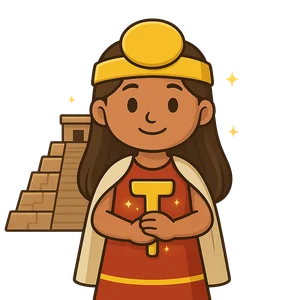
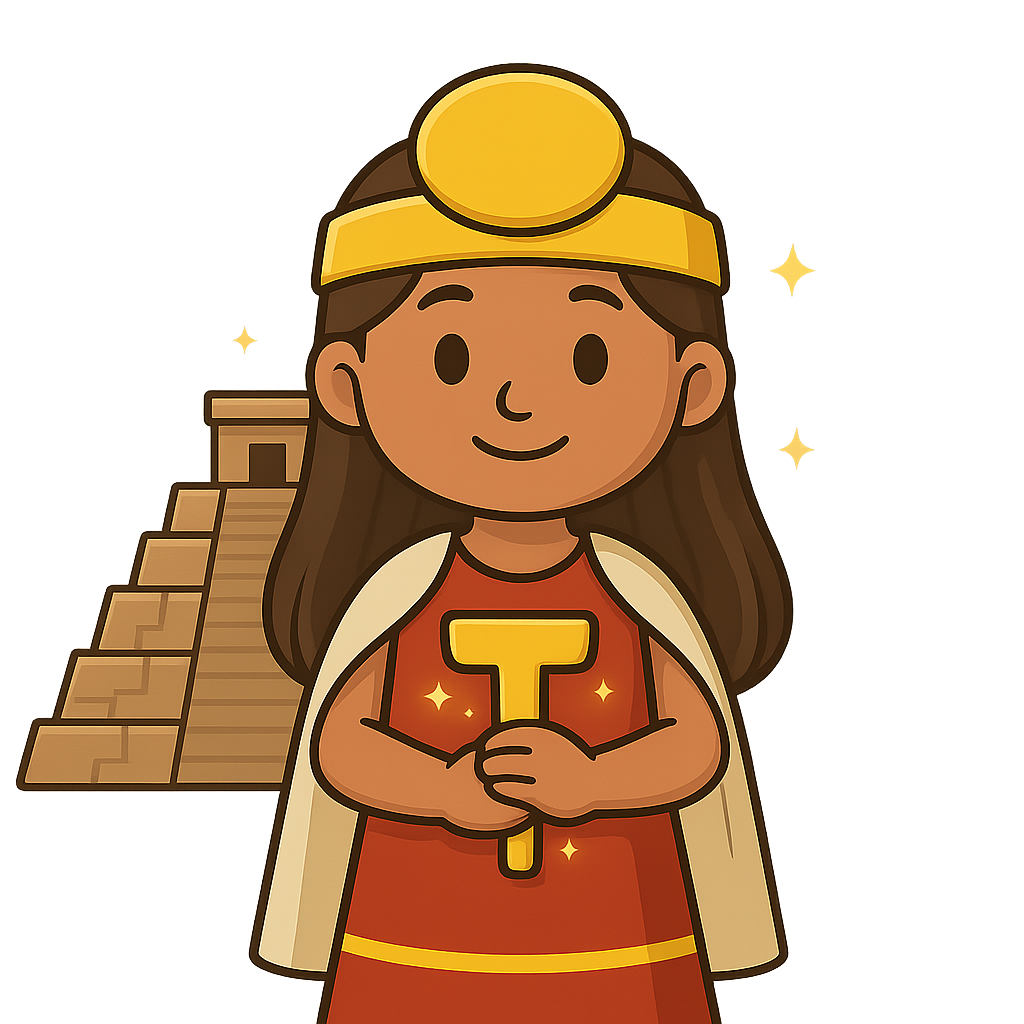
Mama Ocllo
The legendary founding mother of the Inca civilization…
Reads at Grades 6–8 Listens at Grades 4–8
Print & create
Answer keys·No prep·Free with an account
28 worksheets · answer keys · full story · quiz · Ages 10-12 · CEFR B2
Plus adds 244,000+ more stories in 27 languages, audio for every one, and printables for all of them.
Just want Mama Ocllo?
My voice is the whisper of wind across the high plains, and my memory is as old as the mountains. I am Mama Ocllo, and I remember a time before the sun truly reigned, a time when the world was a cold and shadowed place where people lived scattered and without purpose. My brother, Manco Cápac, and I were sent by our father, the great Sun God Inti, to bring light and order to the people of the Andes. This is the story of our journey, the founding myth of the great Inca Empire. Before we arrived, the lands were filled with tribes who knew nothing of community. They lived in damp caves or crude huts made of branches, shivering in the thin mountain air. They hunted and foraged but did not know how to cultivate the earth to ensure a steady supply of food. They had no laws to guide them, only the harsh rule of strength, which led to constant conflict. Our father, Inti, looked down upon this disorder and his heart was filled with pity. He saw the potential in the people, a spark of ingenuity and warmth that was being smothered by the cold and the darkness. He knew they needed guidance, a divine touch to show them a better way of life. It was a monumental task, one that would require patience, wisdom, and a profound connection to the earth itself. So, he called for me and my brother, his children born of the sun's own light, to descend from the heavens and walk among the mortals as their teachers and guides.
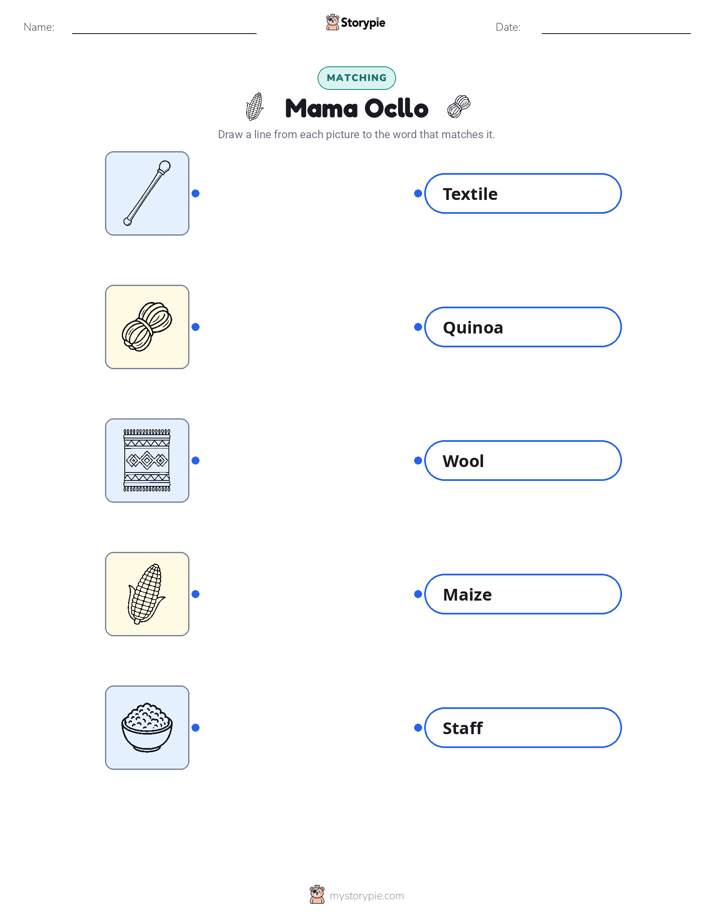
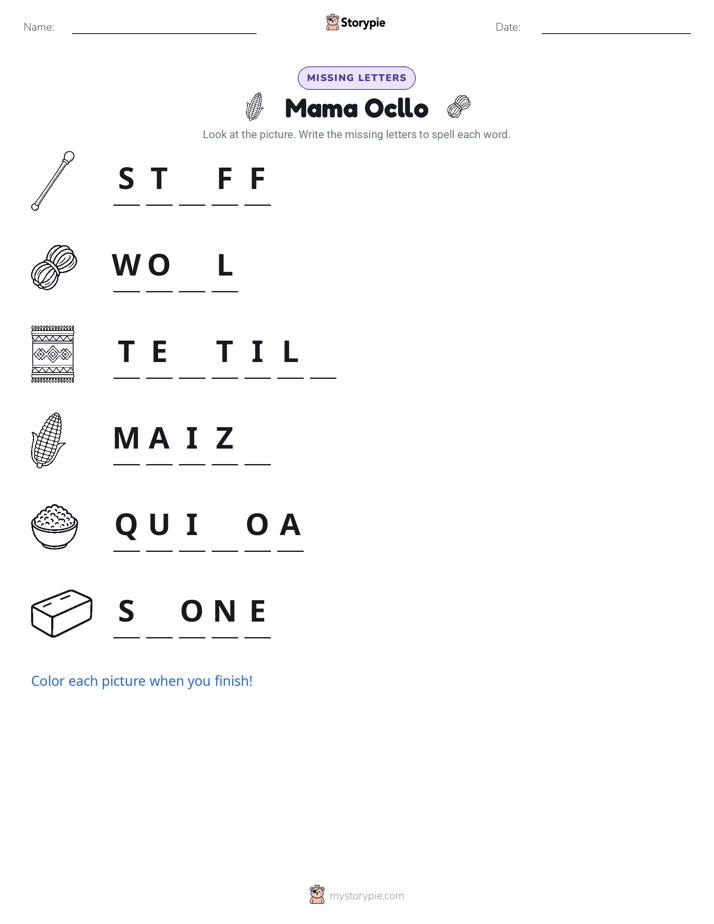
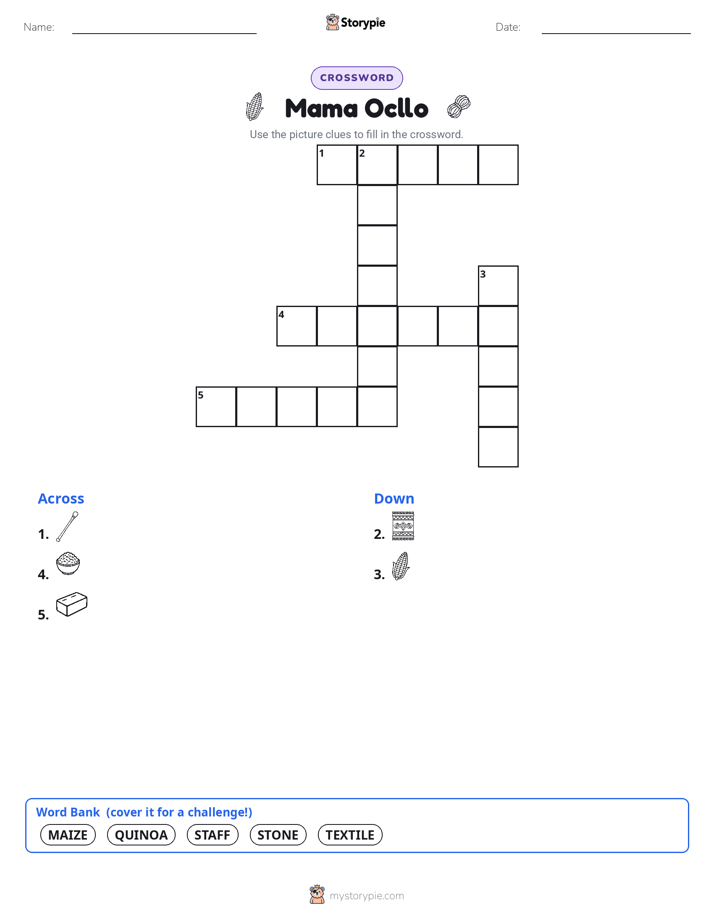
We rose from the shimmering waters of Lake Titicaca, the sacred birthplace of the sun, with a mission that felt as heavy and immense as the mountains around us. Our father, Inti, had given us a magnificent golden staff, a tupayawri, that hummed with his power. “Go forth, my children,” he had instructed, his voice like the warm rays of dawn. “Travel the lands. Where this staff sinks effortlessly into the earth, that is where you will build my city. The soil will be fertile, the people will be ready, and there you will establish a great civilization.” We walked for what felt like an eternity, our feet treading paths no one had yet made, through misty highlands and across windswept plains. At each valley we entered, Manco Cápac would raise the tupayawri high and test the ground, but time and again it would only clatter against hard rock or sink a few inches into unyielding soil. With each thud, my heart would sink a little, but my brother’s resolve never wavered. As we traveled, we did not walk alone for long. We gathered the people we met, who looked at us with a mixture of fear and awe. They saw the light in our eyes and the purpose in our steps. “We live without order,” one elder told us, his voice raspy. “We struggle against the cold and hunger.” Manco Cápac nodded with compassion. He taught the men how to read the seasons, how to plow the rugged terrain into terraces, and how to build irrigation channels that would carry life-giving water to their crops. I took the women and girls under my care. I showed them how to spin the soft wool of alpacas and llamas, teaching them the intricate art of weaving it into warm clothes and colorful textiles. I taught them how to grind maize, prepare quinoa, and create nourishing meals that would strengthen their families. We were not just searching for a place; we were building a nation as we walked, person by person, skill by skill.
The Golden Staff of the Inca
My voice is the whisper of wind across the high plains, and my memory is as old as the mountains. I am Mama Ocllo, and I remember a time before the sun truly reigned, a time when the world was a cold and shadowed place where people lived scattered and without purpose. My brother, Manco Cápac, and I were sent by our father, the great Sun God Inti, to bring light and order to the people of the Andes. This is the story of our journey, the founding myth of the great Inca Empire. Before we arrived, the lands were filled with tribes who knew nothing of community. They lived in damp caves or crude huts made of branches, shivering in the thin mountain air. They hunted and foraged but did not know how to cultivate the earth to ensure a steady supply of food. They had no laws to guide them, only the harsh rule of strength, which led to constant conflict. Our father, Inti, looked down upon this disorder and his heart was filled with pity. He saw the potential in the people, a spark of ingenuity and warmth that was being smothered by the cold and the darkness. He knew they needed guidance, a divine touch to show them a better way of life. It was a monumental task, one that would require patience, wisdom, and a profound connection to the earth itself. So, he called for me and my brother, his children born of the sun's own light, to descend from the heavens and walk among the mortals as their teachers and guides.
We rose from the shimmering waters of Lake Titicaca, the sacred birthplace of the sun, with a mission that felt as heavy and immense as the mountains around us. Our father, Inti, had given us a magnificent golden staff, a tupayawri, that hummed with his power. “Go forth, my children,” he had instructed, his voice like the warm rays of dawn. “Travel the lands. Where this staff sinks effortlessly into the earth, that is where you will build my city. The soil will be fertile, the people will be ready, and there you will establish a great civilization.” We walked for what felt like an eternity, our feet treading paths no one had yet made, through misty highlands and across windswept plains. At each valley we entered, Manco Cápac would raise the tupayawri high and test the ground, but time and again it would only clatter against hard rock or sink a few inches into unyielding soil. With each thud, my heart would sink a little, but my brother’s resolve never wavered. As we traveled, we did not walk alone for long. We gathered the people we met, who looked at us with a mixture of fear and awe. They saw the light in our eyes and the purpose in our steps. “We live without order,” one elder told us, his voice raspy. “We struggle against the cold and hunger.” Manco Cápac nodded with compassion. He taught the men how to read the seasons, how to plow the rugged terrain into terraces, and how to build irrigation channels that would carry life-giving water to their crops. I took the women and girls under my care. I showed them how to spin the soft wool of alpacas and llamas, teaching them the intricate art of weaving it into warm clothes and colorful textiles. I taught them how to grind maize, prepare quinoa, and create nourishing meals that would strengthen their families. We were not just searching for a place; we were building a nation as we walked, person by person, skill by skill.
After many moons and countless trials of the staff, we arrived in a breathtaking valley nestled between three rivers. The air was crisp and sweet, and the earth felt vibrant and alive beneath our feet, as if it were humming in anticipation. All around us, the mountains stood like silent, powerful guardians. A profound sense of peace washed over me, and I looked at my brother, seeing the same recognition in his eyes. This place felt different. This place felt like destiny. Manco Cápac raised the golden staff one final time. He held it above his head, its polished surface gleaming in the sun, and then he let it fall. This time, there was no jarring clang, no stubborn resistance. The staff plunged deep into the rich, dark soil with a soft whisper, vanishing completely from sight as if the earth had eagerly swallowed it whole. A joyous cry escaped my lips, and my brother’s face broke into a wide smile. Our hearts soared, for we knew our epic journey was over. We had found our home. We named this place Cusco, which in our Quechua language means 'the navel of the world,' for it was destined to be the center of our great empire. Here, we founded our city, laying the first stones of what would become a magnificent capital with temples that touched the sky. We established the three great laws our father Inti had given us, the foundation of our society: Ama sua, Ama llulla, Ama qhilla—Do not steal, do not lie, do not be lazy. These principles guided every action, shaping a civilization built on truth, hard work, and respect.
The story of our journey is more than just a myth; it is the soul of my people. For generations, it was told around flickering firesides and sung in grand ceremonies, a sacred narrative passed down to remind every Inca of their divine origin and their duty to one another and to the sun. It explains how we transformed from scattered tribes into a unified, prosperous empire—how we learned to build, to farm, and to live in harmony with the Pachamama, our Mother Earth. Today, the magnificent, perfectly cut stone walls of Cusco still stand as a testament to the glorious empire we began. This story continues to inspire people to believe that even from the simplest, most shadowed beginnings, a great and enlightened society can be built with divine guidance, strong community, and a shared purpose. It is a timeless reminder that every civilization has a sacred beginning and that our connection to our past gives us the strength to build an even brighter future.
Wow facts
About
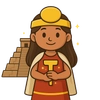
The legendary founding mother of the Inca civilization, who is sometimes said to have come from Lake Titicaca with her brother-husband Manco Cápac to establish the city of Cusco. In other stories, they are said to have come from the cave of Pacaritambo.
Take a Quiz
Question 1 of 5
In your own words, describe the journey Manco Cápac and Mama Ocllo took and the main challenge they faced.
Explore next



Want to do even more?
Go beyond exploring. Unlock tools that turn every story into real learning.

Storypie Plus for families
Full stories, quizzes, and printables. Nights and car rides, sorted.
- Unlimited audio stories
- Create Mode: your child stars in the story
- Offline downloads
- Printable worksheets & coloring pages

Why Storypie for Schools
Students engaged. Prep in seconds. Evenings back to you.
- Worksheets & Quizzes
- Classroom Management
- Formative Assessment
- Custom Curriculum & Lesson Plans
- 27 Languages

Why Storypie for Homeschool
Curriculum done. They'll ask for more. Hours back in your day.
- Worksheet Generator
- First-Person Audio Stories
- Built-in Comprehension Quizzes
- Custom Curriculum & Lesson Plans
- Print & Go Activities