English

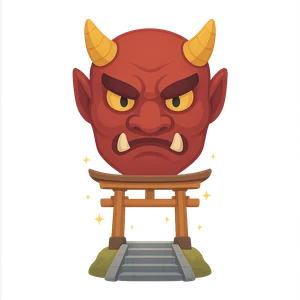
Oni
Oni are powerful, often fearsome ogres or demons from Japanese folklore, known for their great strength…
Reads at Grades 6–8 Listens at Grades 4–8
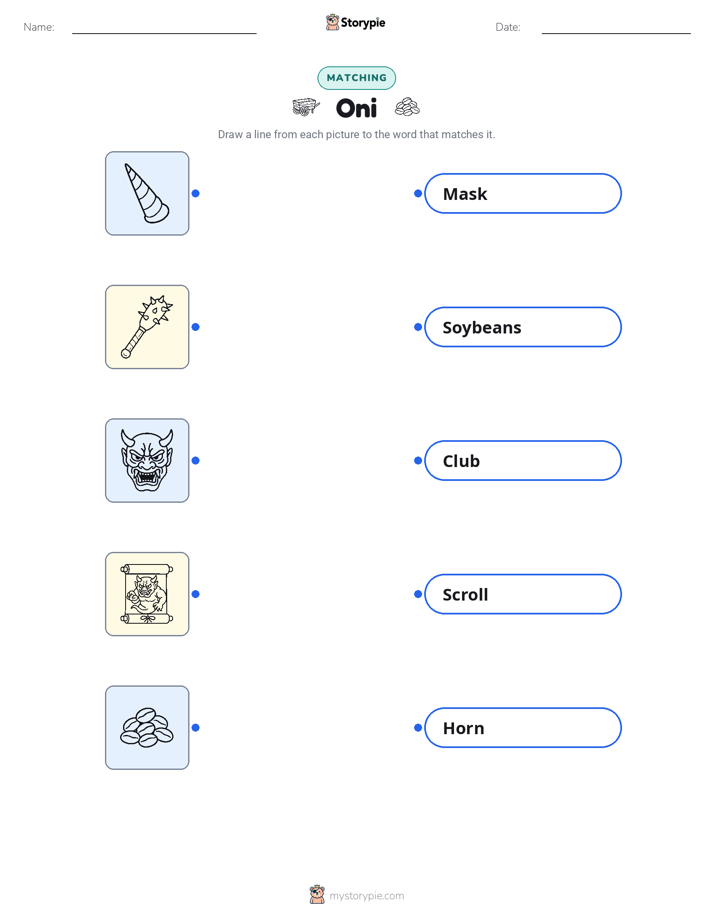
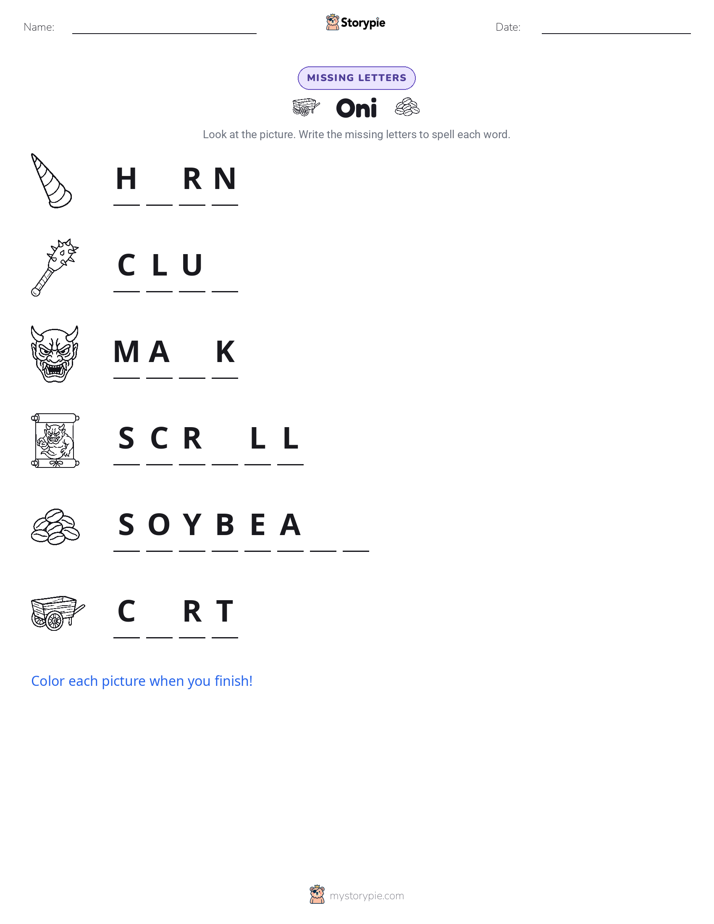
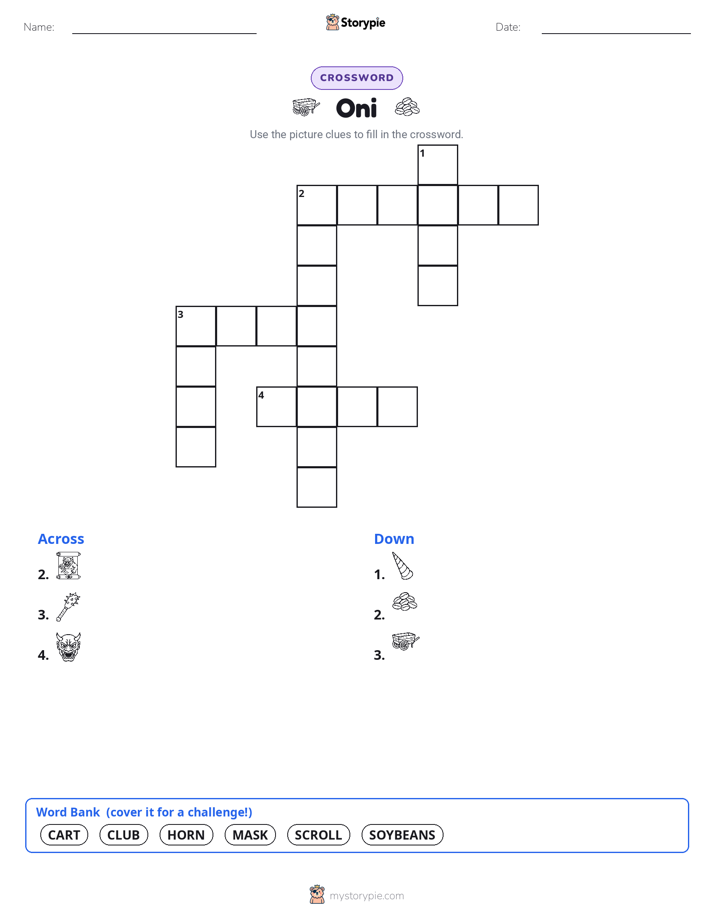
Print & create
Answer keys·No prep·Free with an account
28 worksheets · answer keys · full story · quiz · Ages 10-12 · CEFR B2
Plus adds 208,000+ more stories in 27 languages, audio for every one, and printables for all of them.
Just want Oni?
A Voice from the Shadows
Listen. Can you hear me beyond the rustle of the bamboo leaves and the rumble of the distant volcano? I speak to you from a place you only glimpse in shadows, a world of misty Japanese mountains and ancient, knotted forests. You humans have woven stories about my kind for a thousand years, painting us with your fears. You speak of sharp horns that tear the clouds, claws that can shred stone, and a terrible iron club that smashes everything in its path. I will not deny these things, but your tales are like looking at a mountain through a pinhole—you see only a fraction of the truth, missing the vastness and majesty. I invite you to set aside your assumptions and truly listen, for my story is far more complex than a simple tale of a monster. To understand me is to understand a force of nature, a power that is sometimes feared, sometimes revered, but always misunderstood. This is the myth of the Oni.
Tales of Ogres and Heroes
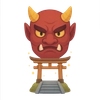
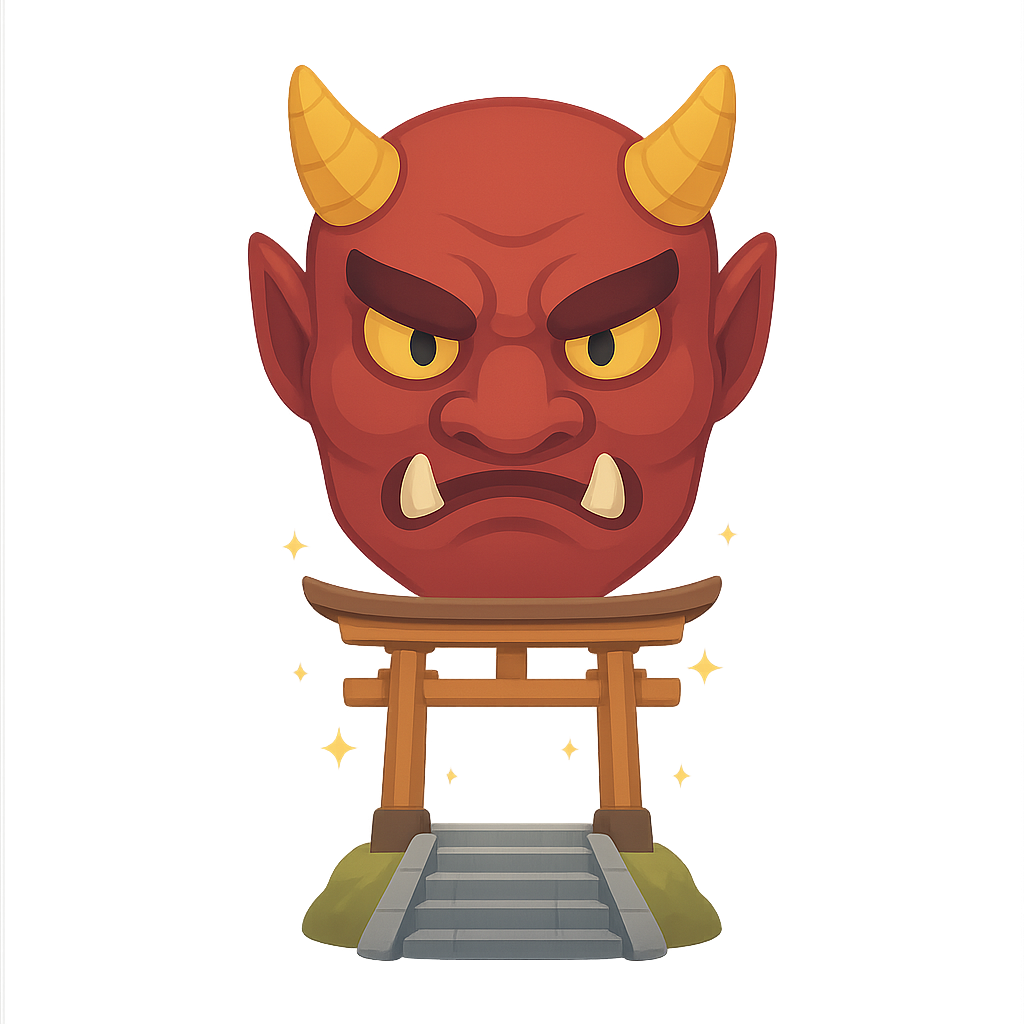
To understand the Oni, one must travel back through the mists of Japanese folklore. They are most famously depicted as towering, muscular ogres, their skin a startling red or a deep, stormy blue. Wild, untamed hair frames a fearsome face, often with one, two, or even three horns jutting from their brow and a mouth full of sharp fangs. In their grip, they carry a massive, spiked iron club known as a kanabō, a symbol of their immense power. The very idea of the Oni grew from ancient beliefs about invisible spirits and demons that brought disaster and illness. As Buddhism spread through Japan, their image changed. They became the fierce guardians of the Buddhist hell, tasked with punishing wicked souls and dragging them away in fiery carts, a terrifying cautionary tale against evil deeds. The Oni became the perfect antagonist for heroic legends. The most famous of these is the story of Momotarō, the Peach Boy. In this tale, a brave boy born from a giant peach sets out to defeat a band of Oni who have been terrorizing nearby villages from their fortress on Onigashima, or Oni Island. With his loyal companions—a dog, a monkey, and a pheasant—Momotarō sails to the island, confronts the Oni chief, and triumphs in a great battle. He returns not only as a hero but with the Oni's stolen treasure, restoring peace and prosperity to his people. This classic story cemented the Oni's reputation as fearsome villains. This perception is so ingrained in the culture that it is celebrated every year on February 3rd during a festival called Setsubun. On this day, which marks the beginning of spring, families perform a ritual called mamemaki. They throw roasted soybeans out the doors of their homes, shouting loudly, “Oni wa soto! Fuku wa uchi!” This translates to “Demons out! Fortune in!” This tradition is a symbolic cleansing, a way for people to drive away the bad luck and misfortune of the previous year—represented by the Oni—and welcome a new season of happiness and good fortune.
The Myth of the Oni
A Voice from the Shadows
Listen. Can you hear me beyond the rustle of the bamboo leaves and the rumble of the distant volcano? I speak to you from a place you only glimpse in shadows, a world of misty Japanese mountains and ancient, knotted forests. You humans have woven stories about my kind for a thousand years, painting us with your fears. You speak of sharp horns that tear the clouds, claws that can shred stone, and a terrible iron club that smashes everything in its path. I will not deny these things, but your tales are like looking at a mountain through a pinhole—you see only a fraction of the truth, missing the vastness and majesty. I invite you to set aside your assumptions and truly listen, for my story is far more complex than a simple tale of a monster. To understand me is to understand a force of nature, a power that is sometimes feared, sometimes revered, but always misunderstood. This is the myth of the Oni.
Tales of Ogres and Heroes
To understand the Oni, one must travel back through the mists of Japanese folklore. They are most famously depicted as towering, muscular ogres, their skin a startling red or a deep, stormy blue. Wild, untamed hair frames a fearsome face, often with one, two, or even three horns jutting from their brow and a mouth full of sharp fangs. In their grip, they carry a massive, spiked iron club known as a kanabō, a symbol of their immense power. The very idea of the Oni grew from ancient beliefs about invisible spirits and demons that brought disaster and illness. As Buddhism spread through Japan, their image changed. They became the fierce guardians of the Buddhist hell, tasked with punishing wicked souls and dragging them away in fiery carts, a terrifying cautionary tale against evil deeds. The Oni became the perfect antagonist for heroic legends. The most famous of these is the story of Momotarō, the Peach Boy. In this tale, a brave boy born from a giant peach sets out to defeat a band of Oni who have been terrorizing nearby villages from their fortress on Onigashima, or Oni Island. With his loyal companions—a dog, a monkey, and a pheasant—Momotarō sails to the island, confronts the Oni chief, and triumphs in a great battle. He returns not only as a hero but with the Oni's stolen treasure, restoring peace and prosperity to his people. This classic story cemented the Oni's reputation as fearsome villains. This perception is so ingrained in the culture that it is celebrated every year on February 3rd during a festival called Setsubun. On this day, which marks the beginning of spring, families perform a ritual called mamemaki. They throw roasted soybeans out the doors of their homes, shouting loudly, “Oni wa soto! Fuku wa uchi!” This translates to “Demons out! Fortune in!” This tradition is a symbolic cleansing, a way for people to drive away the bad luck and misfortune of the previous year—represented by the Oni—and welcome a new season of happiness and good fortune.
More Than a Monster
However, to see the Oni as only a villain is to miss the other half of the story. Like a storm that can be both destructive and nourishing, the Oni possess a complex and dual nature. Not all are malevolent. Some legends portray them as protective spirits or even powerful, misunderstood deities. In one such story, a wise Buddhist monk confronts a terrifying Oni. Instead of destroying it, the monk uses his wisdom and compassion to defeat it, causing the creature to transform. Humbled, the Oni pledges its immense power to a new cause, becoming a guardian god of the local temple, using its strength to protect the very people it once might have harmed. This shows a recurring theme in Japanese folklore: what appears monstrous can also hold the potential for great good. This fascinating duality has allowed the image of the Oni to endure for centuries, inspiring countless works of art and culture. Their striking figures have been captured in traditional ukiyo-e woodblock prints and carved into the expressive, powerful masks used in Noh theater. Today, their influence is stronger than ever. They are central figures in modern manga, anime, and video games, where they are imagined as mighty warriors, tragic anti-heroes, or fearsome adversaries. Sometimes they are the final boss to be defeated, and other times they are the misunderstood protagonist the audience roots for. And so, my story returns to me. While humans may cast me as a symbol of their fears, I am also a symbol of untamed strength, the raw power of nature, and the dignity in being different. The myth of the Oni is not just about a monster to be vanquished. It is a challenge to look beyond the surface, to question who the real monsters are, and to imagine worlds filled with power, wonder, and the beautiful mystery of things not easily understood.
Wow facts
About
Oni are powerful, often fearsome ogres or demons from Japanese folklore, known for their great strength, distinctive horns, and roles as villains in traditional stories. In some traditions, they are also connected to protection or good luck.
Take a Quiz
Question 1 of 5
In the story of Momotarō, what was the main conflict, and how was it resolved?
Explore next






Want to do even more?
Go beyond exploring. Unlock tools that turn every story into real learning.

Storypie Plus for families
Full stories, quizzes, and printables. Nights and car rides, sorted.
- Unlimited audio stories
- Create Mode: your child stars in the story
- Offline downloads
- Printable worksheets & coloring pages

Why Storypie for Schools
Students engaged. Prep in seconds. Evenings back to you.
- Worksheets & Quizzes
- Classroom Management
- Formative Assessment
- Custom Curriculum & Lesson Plans
- 27 Languages

Why Storypie for Homeschool
Curriculum done. They'll ask for more. Hours back in your day.
- Worksheet Generator
- First-Person Audio Stories
- Built-in Comprehension Quizzes
- Custom Curriculum & Lesson Plans
- Print & Go Activities