English

Wildlife SOS
Wildlife SOS is a non-profit conservation organization in India…
Reads at Grades 6–8 Listens at Grades 4–8
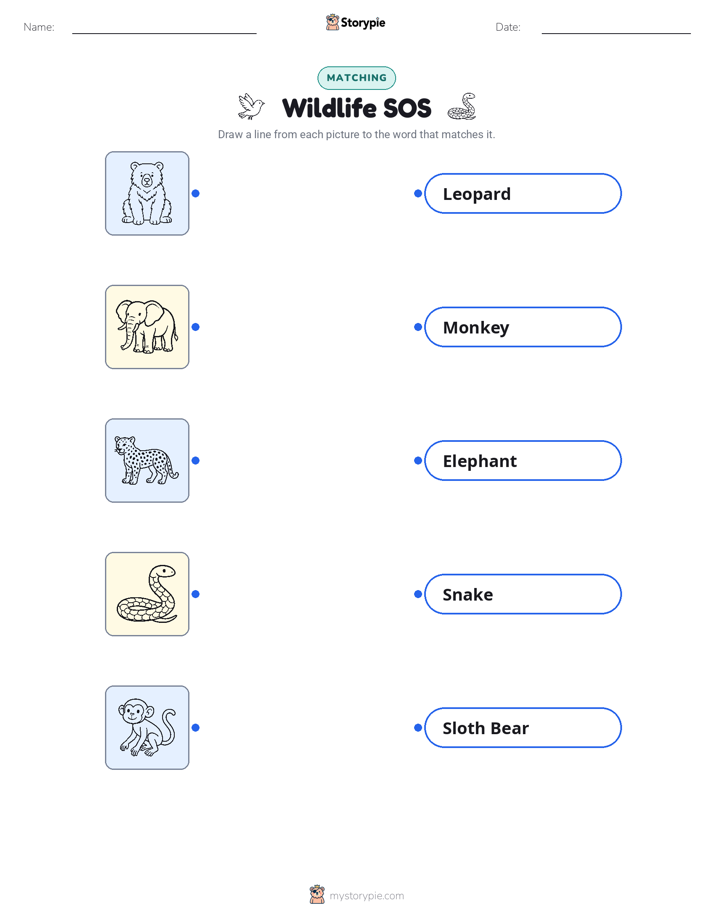
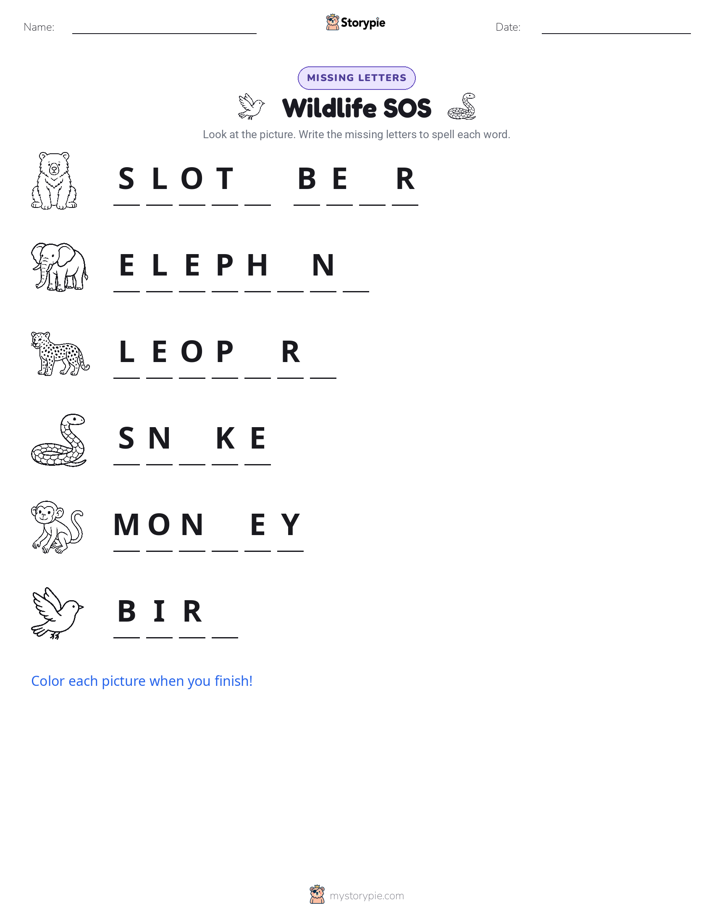
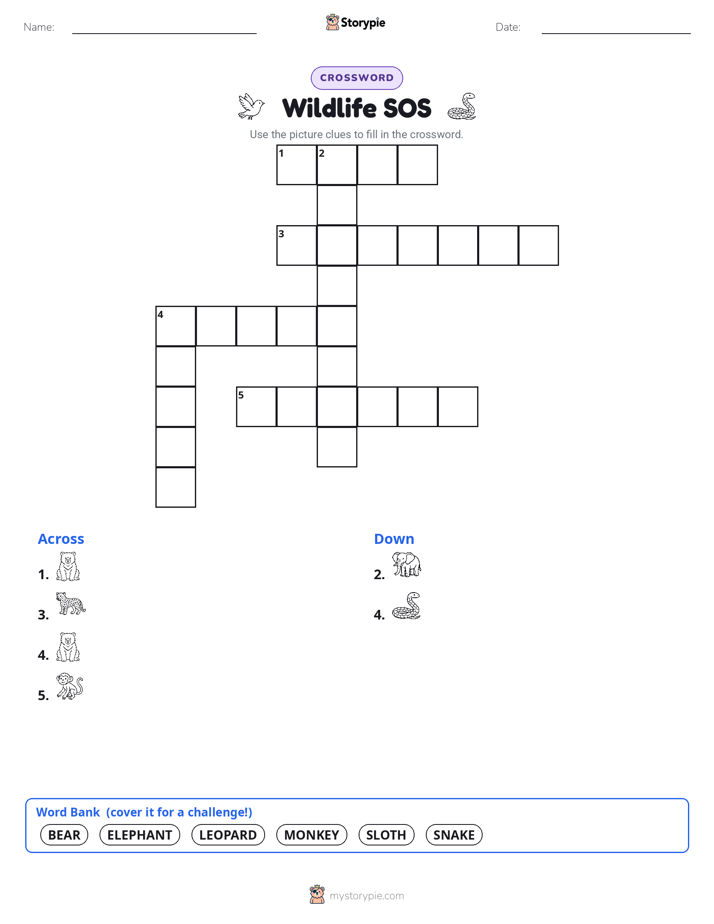
Print & create
Answer keys·No prep·Free with an account
28 worksheets · answer keys · full story · quiz · Ages 10-12 · CEFR B2
Plus adds 116,000+ more stories in 27 languages, audio for every one, and printables for all of them.
Just want Wildlife SOS?
Hello, we are Wildlife SOS. Our name stands for the work we do every day as a non-profit organization. This means we are focused on our mission, not on making money. We were founded in 1995 by two people, Kartick Satyanarayan and Geeta Seshamani, who saw an urgent need to protect India’s incredible variety of wildlife. Our country is home to majestic elephants, powerful leopards, and unique animals like the sloth bear, but many of them face serious threats. When we began our work, we knew we had to start with one of the most visible and heartbreaking problems. Our first major mission was to put an end to the cruel and centuries-old practice of making sloth bears “dance” for entertainment.
For hundreds of years, people had seen these bears on roadsides, seemingly dancing to music. But the reality was a story of terrible suffering. To control the bears, their owners would push a red-hot poker through the animal’s sensitive muzzle. They would then thread a coarse rope through the painful, unhealed wound. A sharp tug on this rope was what forced the bear to jump up in agony, creating the illusion of a “dance.” The people who did this belonged to a community called the Kalandar, and this practice was the only way they knew how to earn a living for their families. We understood that to save the bears, we also had to create a new future for the people. Simply taking the animals away would not solve the problem in the long run.
Our approach had to be thoughtful and compassionate for both the animals and the people. We started working directly with the Kalandar community. Instead of punishing them, we offered them a different path. We provided training in new job skills, such as driving or starting small shops, so they could support their families without relying on the bears. We also made sure their children could go to school, giving the next generation opportunities for a better future. As families found new livelihoods, they voluntarily surrendered their bears to us. This collaborative effort was a huge success. By 2009, we had rescued the very last “dancing” bear in India. Today, we care for hundreds of rescued sloth bears at our Agra Bear Rescue Facility, a peaceful sanctuary where they can live free from pain and fear.
The Story of Wildlife SOS
Hello, we are Wildlife SOS. Our name stands for the work we do every day as a non-profit organization. This means we are focused on our mission, not on making money. We were founded in 1995 by two people, Kartick Satyanarayan and Geeta Seshamani, who saw an urgent need to protect India’s incredible variety of wildlife. Our country is home to majestic elephants, powerful leopards, and unique animals like the sloth bear, but many of them face serious threats. When we began our work, we knew we had to start with one of the most visible and heartbreaking problems. Our first major mission was to put an end to the cruel and centuries-old practice of making sloth bears “dance” for entertainment.
For hundreds of years, people had seen these bears on roadsides, seemingly dancing to music. But the reality was a story of terrible suffering. To control the bears, their owners would push a red-hot poker through the animal’s sensitive muzzle. They would then thread a coarse rope through the painful, unhealed wound. A sharp tug on this rope was what forced the bear to jump up in agony, creating the illusion of a “dance.” The people who did this belonged to a community called the Kalandar, and this practice was the only way they knew how to earn a living for their families. We understood that to save the bears, we also had to create a new future for the people. Simply taking the animals away would not solve the problem in the long run.
Our approach had to be thoughtful and compassionate for both the animals and the people. We started working directly with the Kalandar community. Instead of punishing them, we offered them a different path. We provided training in new job skills, such as driving or starting small shops, so they could support their families without relying on the bears. We also made sure their children could go to school, giving the next generation opportunities for a better future. As families found new livelihoods, they voluntarily surrendered their bears to us. This collaborative effort was a huge success. By 2009, we had rescued the very last “dancing” bear in India. Today, we care for hundreds of rescued sloth bears at our Agra Bear Rescue Facility, a peaceful sanctuary where they can live free from pain and fear.
After achieving our first major goal, we knew our work was far from over. We expanded our mission to help other animals in distress, using the same principles of rescue and rehabilitation. We turned our attention to elephants, another of India's iconic animals. Many of them were living difficult lives, forced to beg on busy city streets, perform unnatural tricks in circuses, or carry extremely heavy loads for tourism and labor in harsh conditions. To give these gentle giants a second chance, we established the Elephant Conservation and Care Center in Mathura. Here, elephants who have endured years of abuse can finally receive medical treatment, nutritious food, and the freedom to walk and socialize with other elephants in a natural environment. It is a place where they can heal both their physical and emotional wounds.
Our commitment extends to all of India’s wildlife. We recognized that animals get into trouble in countless ways—they might fall into wells, wander into villages, or be injured by vehicles. To provide immediate help, we started a 24-hour rescue hotline. This emergency service allows concerned citizens to call us whenever they find a wild animal in danger. Our rescue teams are trained to handle many different species, from leopards and snakes to monkeys and birds. Whether an animal is injured, orphaned, or simply in the wrong place, our goal is to rescue it safely and provide the care it needs. This hotline has become a vital link between the public and our conservation efforts, allowing us to save thousands of animals every year.
Today, our mission is broader than ever. We continue our hands-on work of rescuing and rehabilitating wildlife, but we also focus on preventing harm before it happens. At our centers, we study the animals we care for to learn more about their biology, behavior, and needs. This research helps us improve their care and contributes to global conservation science. We also believe that education is one of the most powerful tools for change. We work to educate the public, especially young people, about the importance of conservation and respecting wildlife. To fight against organized crime that threatens animals, we run an anti-poaching unit called “Forest Watch.” This unit works to stop the illegal hunting and trading of wildlife. We believe that lasting change comes from working together. By partnering with local communities and the government, we can protect India's precious natural heritage for generations to come.
Wow facts
About
Wildlife SOS is a non-profit conservation organization in India, focusing on rescuing and rehabilitating wildlife in distress, particularly sloth bears and elephants.
Take a Quiz
Question 1 of 5
What was the first major mission of Wildlife SOS when it was founded in 1995?
Explore next




Want to do even more?
Go beyond exploring. Unlock tools that turn every story into real learning.

Storypie Plus for families
Full stories, quizzes, and printables. Nights and car rides, sorted.
- Unlimited audio stories
- Create Mode: your child stars in the story
- Offline downloads
- Printable worksheets & coloring pages

Why Storypie for Schools
Students engaged. Prep in seconds. Evenings back to you.
- Worksheets & Quizzes
- Classroom Management
- Formative Assessment
- Custom Curriculum & Lesson Plans
- 27 Languages

Why Storypie for Homeschool
Curriculum done. They'll ask for more. Hours back in your day.
- Worksheet Generator
- First-Person Audio Stories
- Built-in Comprehension Quizzes
- Custom Curriculum & Lesson Plans
- Print & Go Activities