English

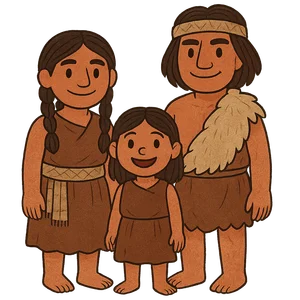
Ancestral Puebloans
The Ancestral Puebloans were an ancient Native American culture centered in the Four Corners region of the…
Reads at Grades 6–8 Listens at Grades 4–8
Print & create
Answer keys·No prep·Free with an account
28 worksheets · answer keys · full story · quiz · Ages 10-12 · CEFR B2
Plus adds 116,000+ more stories in 27 languages, audio for every one, and printables for all of them.
Just want Ancestral Puebloans?
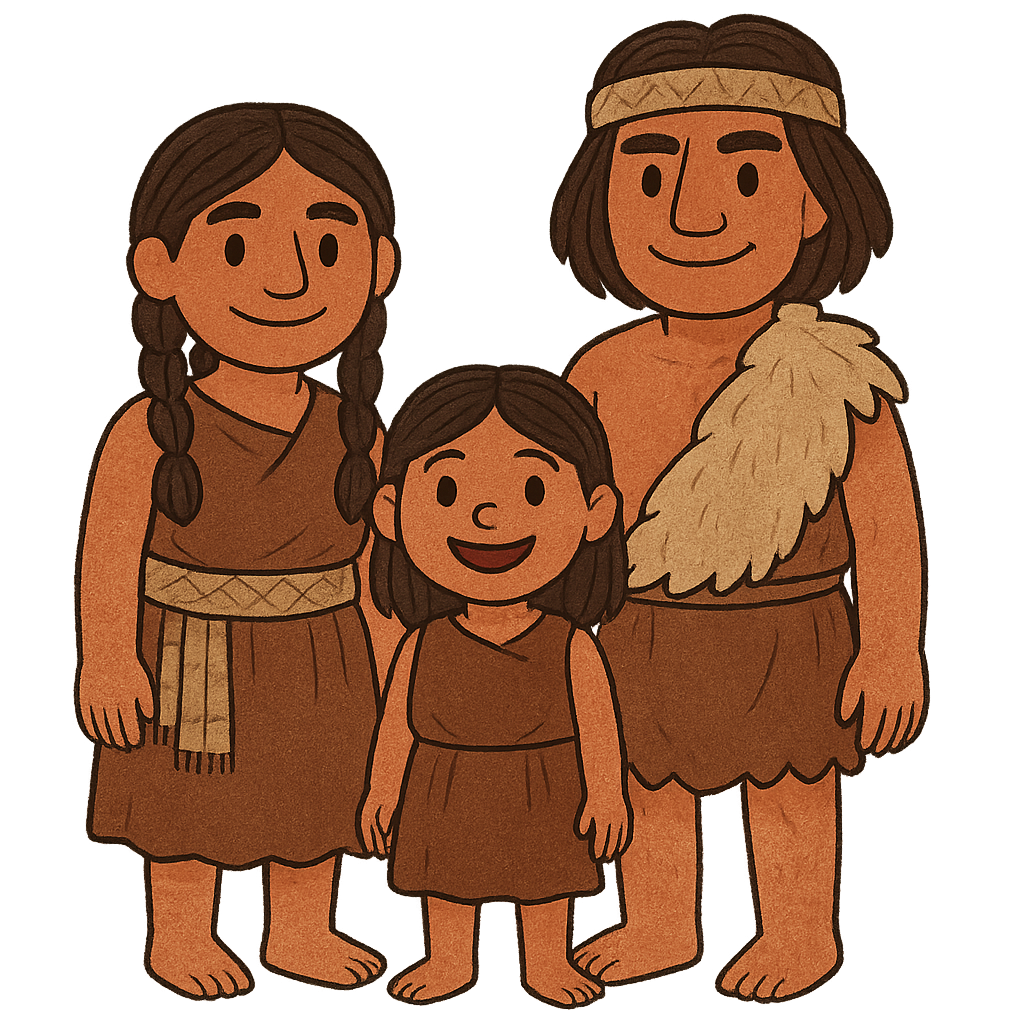
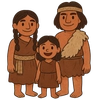
We are the ancestors of the modern Pueblo peoples, and this is our story. For more than two thousand years, our culture flourished in a remarkable landscape known as the Four Corners region, a place where the borders of Utah, Colorado, Arizona, and New Mexico meet today. You might have read about us in books that use the name 'Anasazi,' but this is a word from another tribe. Our descendants prefer the term Ancestral Puebloans, which means 'Ancient Pueblo People,' because it honors our direct connection to the vibrant Pueblo communities that continue to thrive in the Southwest.
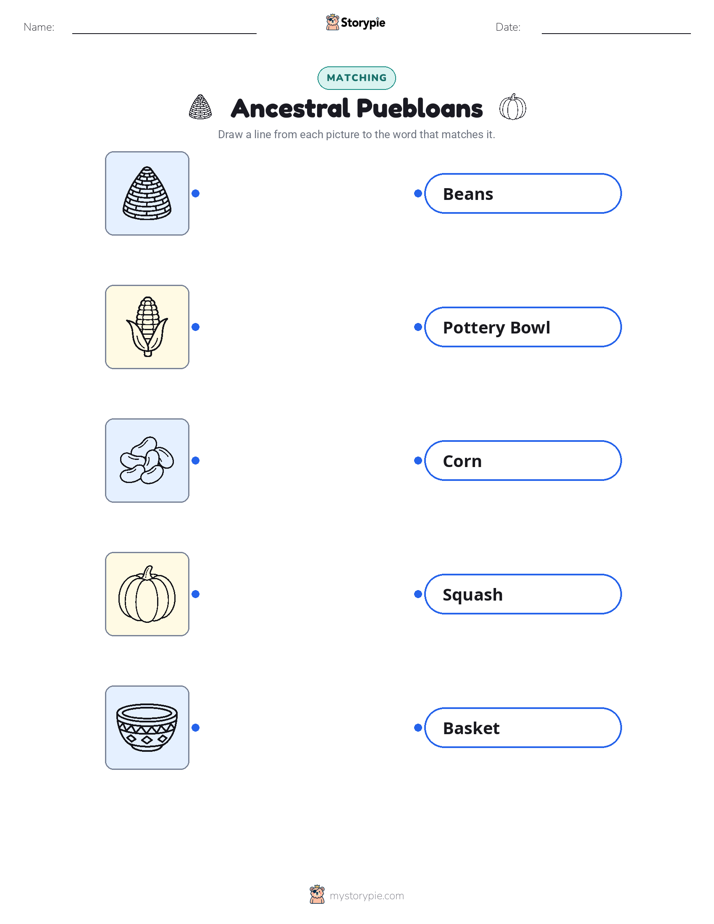
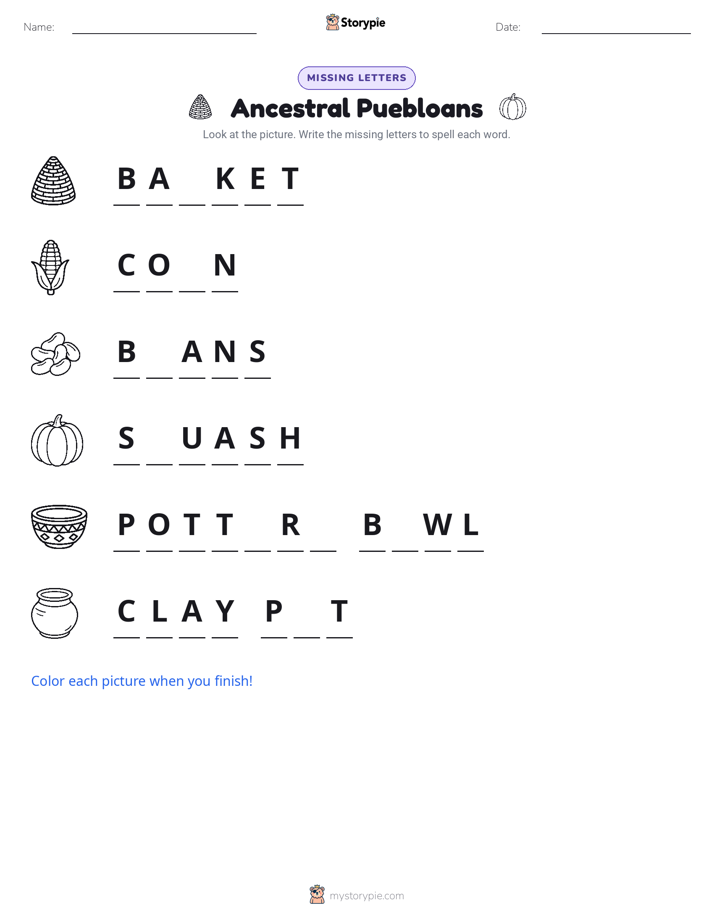
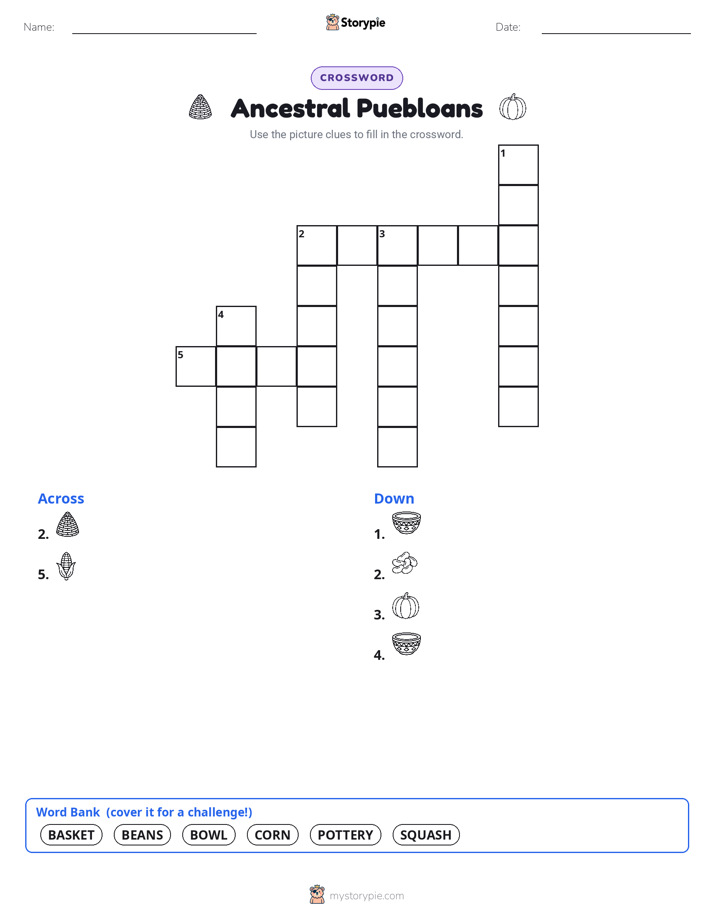
Our earliest ancestors were skilled hunter-gatherers who mastered the art of basket weaving, creating beautiful and useful containers for carrying food and belongings. But our way of life began to change as we became expert farmers. We learned to cultivate corn, beans, and squash, a trio of crops so important they are known as the 'Three Sisters.' Growing these crops together allowed us to establish permanent villages and build a stable food supply. This agricultural shift brought new innovations. We developed pottery, a technology that transformed our daily lives. Clay pots were far better for cooking and for storing grain and precious water than woven baskets. Over time, we perfected our craft, creating distinctive black-on-white pottery styles that are still admired for their intricate designs and beautiful forms.
As our communities grew, so did our skills as master builders. Between 900 and 1150 CE, we constructed incredible structures known as great houses in places like Chaco Canyon. These were not simple homes; they were enormous, multi-story stone buildings with hundreds of rooms, planned and built with amazing precision. These great houses served as centers for our community, where people gathered for ceremonies, traded goods from far-off places, and shared a common cultural life. Later, we began building our villages in a different way. In places like Mesa Verde, we constructed our homes high up in cliff alcoves. These famous cliff dwellings were marvels of engineering, offering protection from the hot summer sun, cold winter winds, and perhaps from other groups of people. They were strong, secure communities built right into the stone canyons we called home.
Our Story: The Ancestral Puebloans
We are the ancestors of the modern Pueblo peoples, and this is our story. For more than two thousand years, our culture flourished in a remarkable landscape known as the Four Corners region, a place where the borders of Utah, Colorado, Arizona, and New Mexico meet today. You might have read about us in books that use the name 'Anasazi,' but this is a word from another tribe. Our descendants prefer the term Ancestral Puebloans, which means 'Ancient Pueblo People,' because it honors our direct connection to the vibrant Pueblo communities that continue to thrive in the Southwest.
Our earliest ancestors were skilled hunter-gatherers who mastered the art of basket weaving, creating beautiful and useful containers for carrying food and belongings. But our way of life began to change as we became expert farmers. We learned to cultivate corn, beans, and squash, a trio of crops so important they are known as the 'Three Sisters.' Growing these crops together allowed us to establish permanent villages and build a stable food supply. This agricultural shift brought new innovations. We developed pottery, a technology that transformed our daily lives. Clay pots were far better for cooking and for storing grain and precious water than woven baskets. Over time, we perfected our craft, creating distinctive black-on-white pottery styles that are still admired for their intricate designs and beautiful forms.
As our communities grew, so did our skills as master builders. Between 900 and 1150 CE, we constructed incredible structures known as great houses in places like Chaco Canyon. These were not simple homes; they were enormous, multi-story stone buildings with hundreds of rooms, planned and built with amazing precision. These great houses served as centers for our community, where people gathered for ceremonies, traded goods from far-off places, and shared a common cultural life. Later, we began building our villages in a different way. In places like Mesa Verde, we constructed our homes high up in cliff alcoves. These famous cliff dwellings were marvels of engineering, offering protection from the hot summer sun, cold winter winds, and perhaps from other groups of people. They were strong, secure communities built right into the stone canyons we called home.
Our lives were guided by a deep spiritual connection to the world around us. At the heart of our villages was the kiva, a special circular room built underground. The kiva was a sacred space where we held important ceremonies and community gatherings. Its design connected us to the earth and to the spirits of our ancestors, reminding us of our origins and our place in the universe. We were also careful observers of the sky. We were astronomers who tracked the movements of the sun, moon, and stars throughout the year. This knowledge was essential for our survival as farmers, as it helped us create an accurate calendar for planting our crops and timing our harvests. We built structures that aligned perfectly with the sun's position during the solstices, using the sky to guide both our farming and our most important ceremonies.
For centuries, we thrived in the Four Corners region, but in the late 1200s, our world began to change dramatically. We started to migrate away from our ancestral homelands, moving south and east toward areas with more reliable sources of water. This was not a mysterious disappearance, as some stories suggest, but a gradual and thoughtful response to major challenges. The most significant challenge was the Great Drought, a period of more than 20 years when very little rain fell. Without water, it became nearly impossible to grow the corn, beans, and squash that sustained us. Other factors also likely contributed to our decision to move. After generations of living in one place, resources like wood for building and fuel became scarce, and social pressures may have added to the difficulties we faced. Leaving our homes was a difficult choice, but it was necessary for our survival.
Our story did not end when we left our great houses and cliff dwellings. We did not vanish. Instead, our culture and our people live on through our descendants: the modern Pueblo peoples of New Mexico and the Hopi people of Arizona. Today, these communities continue many of our ancient traditions in farming, art, and ceremony, carrying our heritage forward into the future. The Zuni, Acoma, Taos, and many other Pueblo nations are a living testament to our resilience and enduring spirit. Our ancient homes, from the great houses of Chaco Canyon to the cliff palaces of Mesa Verde, are now protected as national parks and monuments. They stand as powerful reminders of our history, where people from all over the world can visit to learn about our achievements and our lasting legacy.
Wow facts
About
The Ancestral Puebloans were an ancient Native American culture centered in the Four Corners region of the United States. They are renowned for their sophisticated agriculture, distinctive pottery, and remarkable architectural achievements, including large masonry villages and cliff dwellings.
Take a Quiz
Question 1 of 5
According to the story, what was the primary reason the Ancestral Puebloans migrated from their homelands in the late 1200s?
Explore next
Want to do even more?
Go beyond exploring. Unlock tools that turn every story into real learning.

Storypie Plus for families
Full stories, quizzes, and printables. Nights and car rides, sorted.
- Unlimited audio stories
- Create Mode: your child stars in the story
- Offline downloads
- Printable worksheets & coloring pages

Why Storypie for Schools
Students engaged. Prep in seconds. Evenings back to you.
- Worksheets & Quizzes
- Classroom Management
- Formative Assessment
- Custom Curriculum & Lesson Plans
- 27 Languages

Why Storypie for Homeschool
Curriculum done. They'll ask for more. Hours back in your day.
- Worksheet Generator
- First-Person Audio Stories
- Built-in Comprehension Quizzes
- Custom Curriculum & Lesson Plans
- Print & Go Activities