English

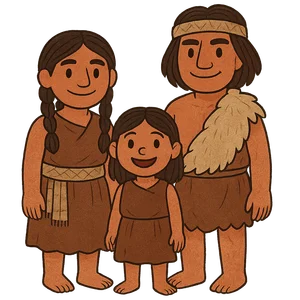
Ancestral Puebloans
The Ancestral Puebloans were an ancient Native American culture centered in the Four Corners region of the…
Reads at Grades 3–5 Listens at Grades 1–5
Print & create
Answer keys·No prep·Free with an account
28 worksheets · answer keys · full story · quiz · Ages 8-10 · CEFR B1
Plus adds 116,000+ more stories in 27 languages, audio for every one, and printables for all of them.
Just want Ancestral Puebloans?
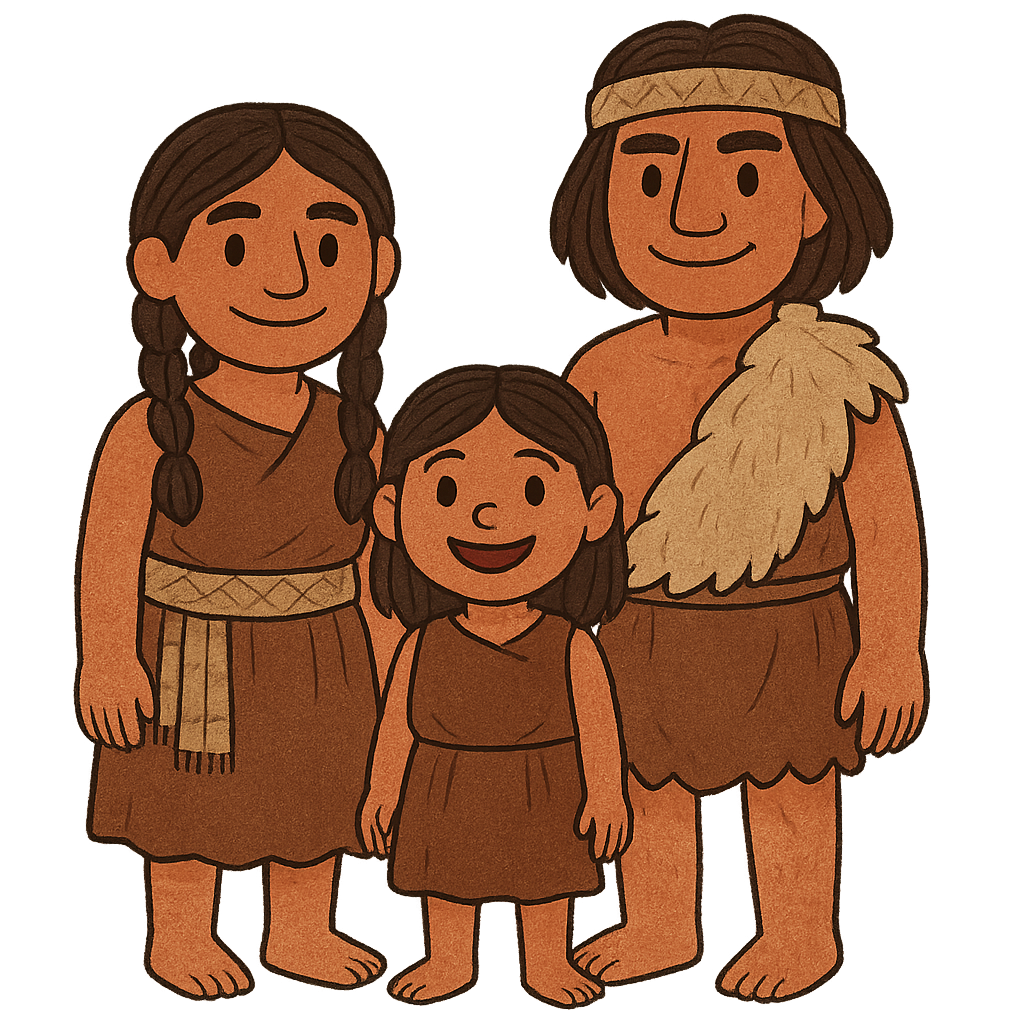
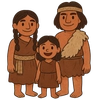
We are the Ancestral Puebloans, and our story is written in the earth and stone of the American Southwest. For generations, our communities thrived in a place where the borders of four states now meet, a region known as the Four Corners. We are the ancestors of the modern Pueblo people, and our traditions have been passed down through time. In our earliest days, we built our homes right into the land. These special dwellings, called pithouses, were dug into the earth to keep us cool under the hot sun and warm during the cold nights. As our communities grew and our skills developed, we learned to build differently. We began constructing villages above the ground, carefully shaping stones and stacking them into strong, multi-story homes that some people today call pueblos. These villages were bustling centers of family life, work, and ceremony.
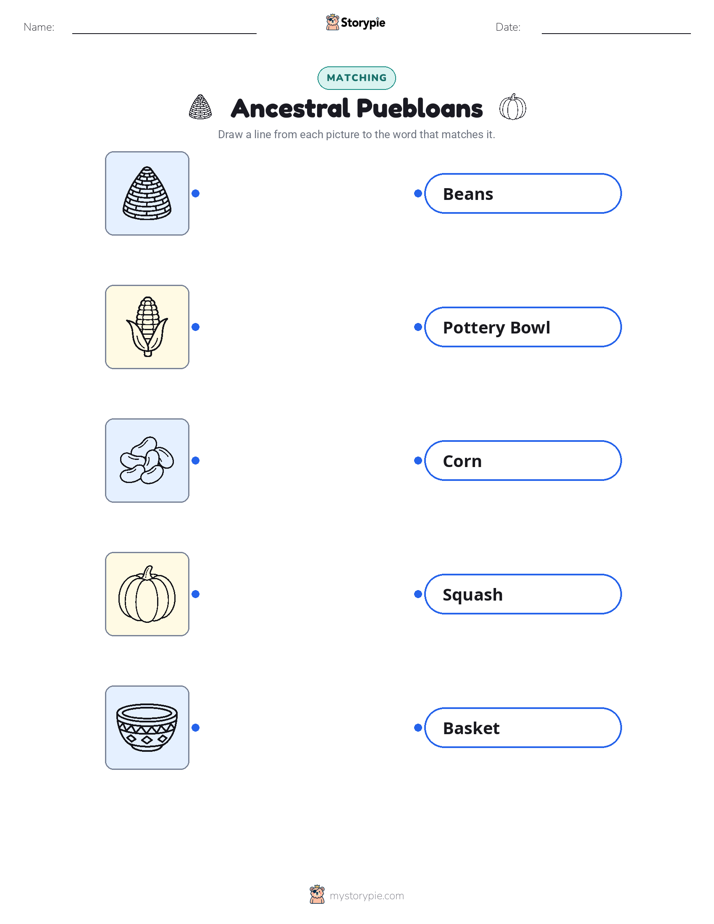
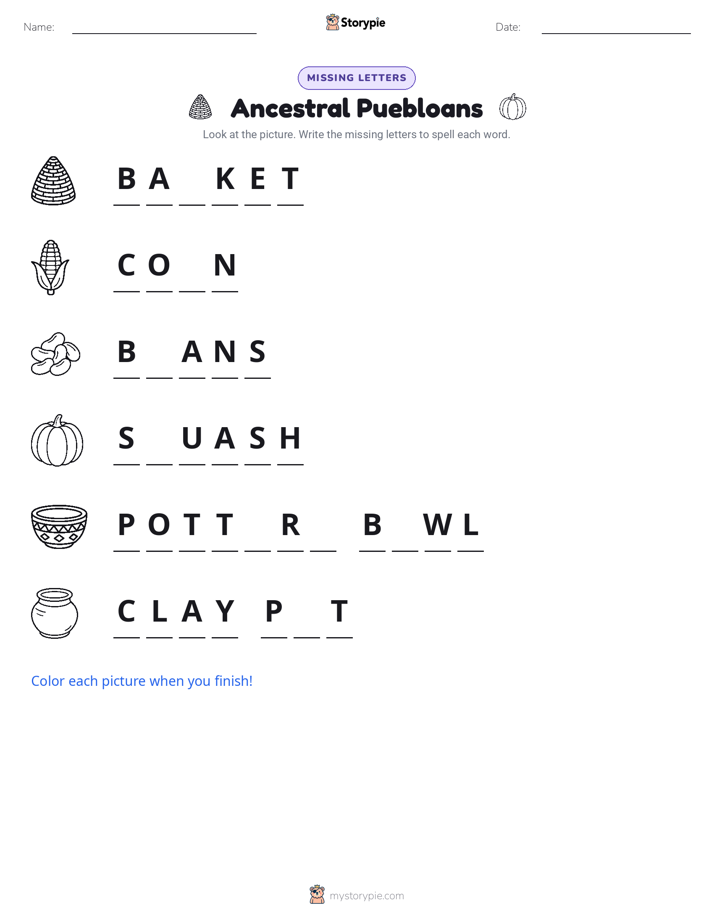
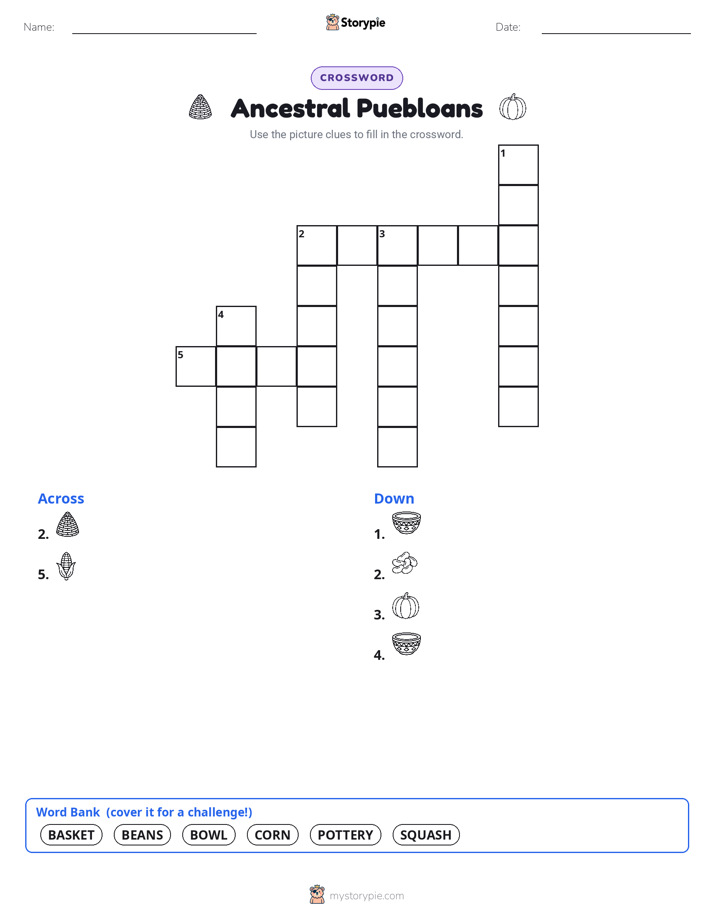
Our lives were deeply connected to the seasons and the soil. We were skilled farmers who learned how to grow crops in a beautiful but dry land. Our most important foods were corn, beans, and squash, which grew together in our fields and are known as the “Three Sisters.” Corn provided a tall stalk for the bean vines to climb, and the large, shady leaves of the squash plants helped keep the soil moist by blocking the sun. Growing these crops required patience, knowledge of the land, and working together as a community. When the harvest was successful, it was a time for gratitude and celebration. Family was at the center of everything we did. We gathered together in special round rooms called kivas, which were often built below the ground. Inside these sacred spaces, we held ceremonies, shared important stories that were passed from one generation to the next, and strengthened the bonds of our community.
Our Story in Sun and Stone
We are the Ancestral Puebloans, and our story is written in the earth and stone of the American Southwest. For generations, our communities thrived in a place where the borders of four states now meet, a region known as the Four Corners. We are the ancestors of the modern Pueblo people, and our traditions have been passed down through time. In our earliest days, we built our homes right into the land. These special dwellings, called pithouses, were dug into the earth to keep us cool under the hot sun and warm during the cold nights. As our communities grew and our skills developed, we learned to build differently. We began constructing villages above the ground, carefully shaping stones and stacking them into strong, multi-story homes that some people today call pueblos. These villages were bustling centers of family life, work, and ceremony.
Our lives were deeply connected to the seasons and the soil. We were skilled farmers who learned how to grow crops in a beautiful but dry land. Our most important foods were corn, beans, and squash, which grew together in our fields and are known as the “Three Sisters.” Corn provided a tall stalk for the bean vines to climb, and the large, shady leaves of the squash plants helped keep the soil moist by blocking the sun. Growing these crops required patience, knowledge of the land, and working together as a community. When the harvest was successful, it was a time for gratitude and celebration. Family was at the center of everything we did. We gathered together in special round rooms called kivas, which were often built below the ground. Inside these sacred spaces, we held ceremonies, shared important stories that were passed from one generation to the next, and strengthened the bonds of our community.
We found ways to create beauty from the natural materials all around us. We became known for our unique pottery, which we crafted from local clay. After shaping a pot, we would smooth its surface and paint it with bold, black geometric designs. We made our own paint from minerals and plants, and we used brushes made from the fibers of the yucca plant to create our patterns. Each design was carefully planned, and every piece of pottery was both a useful tool for holding water or food and a work of art. Our skills did not end with clay. We were also expert weavers. We grew cotton and gathered other plant fibers to spin into thread. From this thread, we wove comfortable blankets to keep us warm, sturdy baskets for gathering and storing food, and durable sandals for walking across the rocky landscape.
As time went on, the way we built our homes changed in an incredible way. Around the year 1150 CE, many of our communities began building their villages in a new, dramatic location: high up inside the natural alcoves of canyon cliffs. These cliff dwellings were amazing feats of engineering and architecture. Places like the famous Cliff Palace at Mesa Verde were like entire towns tucked into the rock. They had many rooms, plazas, and kivas, all connected by ladders and pathways. Imagine a large apartment building made of stone and protected by a huge, arching rock ceiling. Living in these cliff dwellings offered us excellent shelter from the wind, rain, and snow. They were also built in defensive locations, which gave us a sense of safety and protection for our families.
Our story did not end in those cliff dwellings. Around the year 1300, our communities began to move away from the Four Corners region. We believe a long and severe drought made it very difficult to grow the crops we depended on. But it is important to know that we did not disappear. Instead, we migrated to new places where we could find water and build new homes. We traveled to areas in what are now New Mexico and Arizona, settling along rivers like the Rio Grande. Our journey led to the founding of new communities, and our culture continued to grow and change. Today, our descendants are the modern Pueblo peoples, including the Hopi, the Zuni, and the many different Rio Grande Pueblo communities. They carry on our traditions of farming, art, and ceremony, and our story lives on through them.
Wow facts
About
The Ancestral Puebloans were an ancient Native American culture centered in the Four Corners region of the United States. They are renowned for their sophisticated agriculture, distinctive pottery, and remarkable architectural achievements, including large masonry villages and cliff dwellings.
Take a Quiz
Question 1 of 5
According to the story, what were the 'Three Sisters' that the Ancestral Puebloans farmed?
Explore next
Want to do even more?
Go beyond exploring. Unlock tools that turn every story into real learning.

Storypie Plus for families
Full stories, quizzes, and printables. Nights and car rides, sorted.
- Unlimited audio stories
- Create Mode: your child stars in the story
- Offline downloads
- Printable worksheets & coloring pages

Why Storypie for Schools
Students engaged. Prep in seconds. Evenings back to you.
- Worksheets & Quizzes
- Classroom Management
- Formative Assessment
- Custom Curriculum & Lesson Plans
- 27 Languages

Why Storypie for Homeschool
Curriculum done. They'll ask for more. Hours back in your day.
- Worksheet Generator
- First-Person Audio Stories
- Built-in Comprehension Quizzes
- Custom Curriculum & Lesson Plans
- Print & Go Activities