English

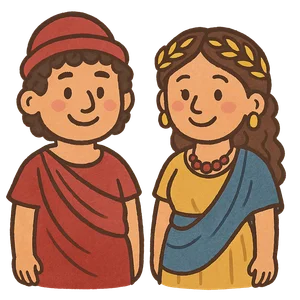
Etruscans
The Etruscans were a powerful and wealthy civilization in ancient Italy that flourished from about 900 BCE…
Reads at Grades 6–8 Listens at Grades 4–8
Print & create
Answer keys·No prep·Free with an account
28 worksheets · answer keys · full story · quiz · Ages 10-12 · CEFR B2
Plus adds 164,000+ more stories in 27 languages, audio for every one, and printables for all of them.
Just want Etruscans?
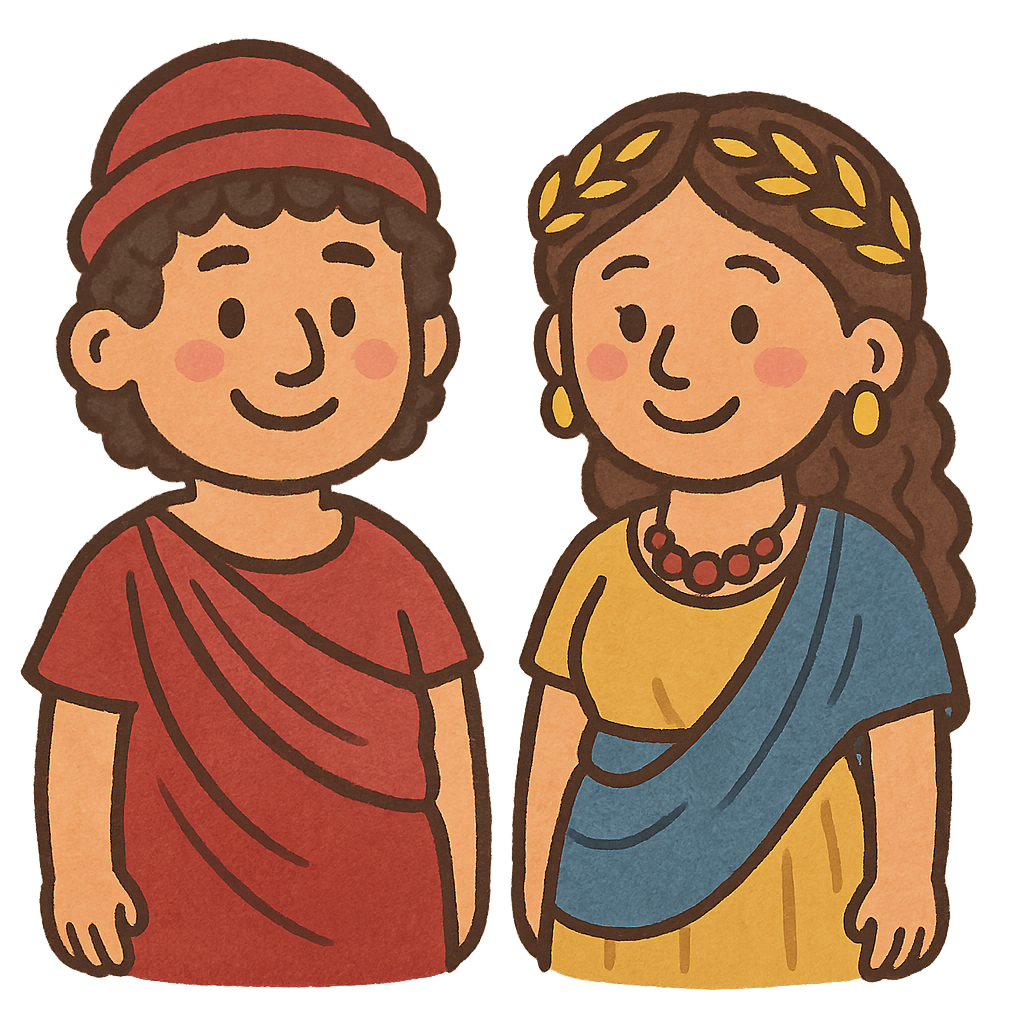
Before you heard the stories of Rome, you would have heard ours. We are the Etruscans, and for centuries, our civilization flourished in the beautiful, hilly land we called Etruria, which you now know as Tuscany in Italy. We built bustling cities, sailed the seas, and created a world rich with art and deep with spiritual beliefs. While the Romans were still a small settlement, we were a powerful league of city-states, and our influence spread far and wide. Yet, much about us remains a puzzle to historians today. Our story is not written in grand histories like those of the Greeks or Romans, but it is preserved in the things we left behind: the foundations of our cities, the incredible art in our tombs, and a language that still holds its secrets.
Historians continue to debate where we came from. Were we native to the Italian peninsula, or did we arrive from another land across the sea? This question is one of the great mysteries of the ancient world. Adding to this mystery is our unique language. It is unlike any other spoken in the region, not related to Latin or the other Italic languages that surrounded us. Scholars have been able to read our alphabet, which we adapted from Greek colonists, but they can only understand a small fraction of our words. Most of what we wrote has been lost, and the surviving inscriptions are short and often found in our tombs, telling us names and family connections but little about our history or beliefs. It is through our cities and the elaborate tombs we built for the afterlife that we can share our story with you.
The Etruscans: Voices Before Rome
Before you heard the stories of Rome, you would have heard ours. We are the Etruscans, and for centuries, our civilization flourished in the beautiful, hilly land we called Etruria, which you now know as Tuscany in Italy. We built bustling cities, sailed the seas, and created a world rich with art and deep with spiritual beliefs. While the Romans were still a small settlement, we were a powerful league of city-states, and our influence spread far and wide. Yet, much about us remains a puzzle to historians today. Our story is not written in grand histories like those of the Greeks or Romans, but it is preserved in the things we left behind: the foundations of our cities, the incredible art in our tombs, and a language that still holds its secrets.
Historians continue to debate where we came from. Were we native to the Italian peninsula, or did we arrive from another land across the sea? This question is one of the great mysteries of the ancient world. Adding to this mystery is our unique language. It is unlike any other spoken in the region, not related to Latin or the other Italic languages that surrounded us. Scholars have been able to read our alphabet, which we adapted from Greek colonists, but they can only understand a small fraction of our words. Most of what we wrote has been lost, and the surviving inscriptions are short and often found in our tombs, telling us names and family connections but little about our history or beliefs. It is through our cities and the elaborate tombs we built for the afterlife that we can share our story with you.
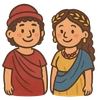
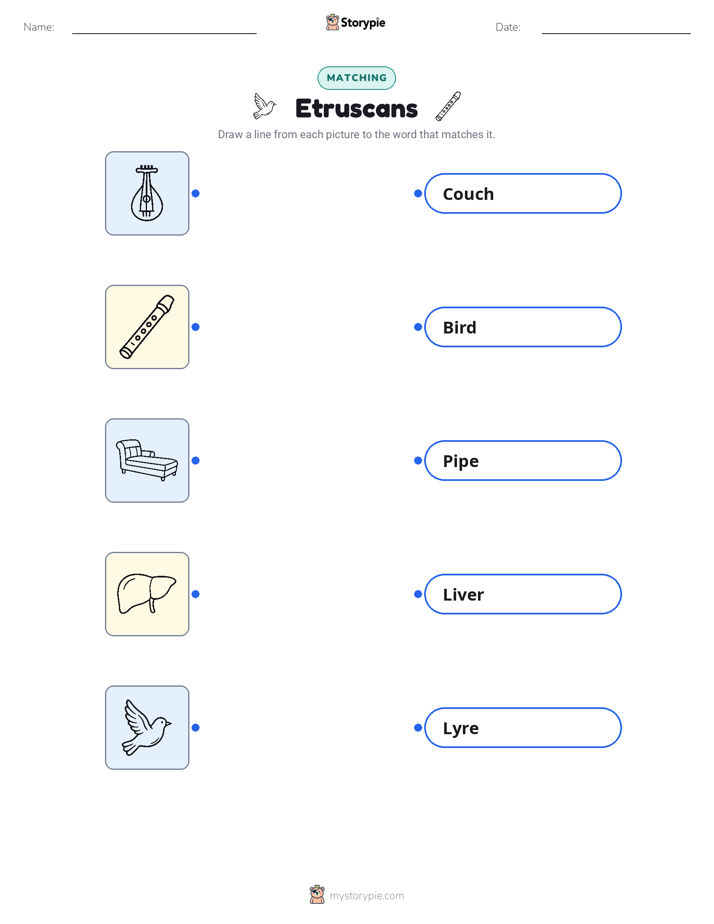
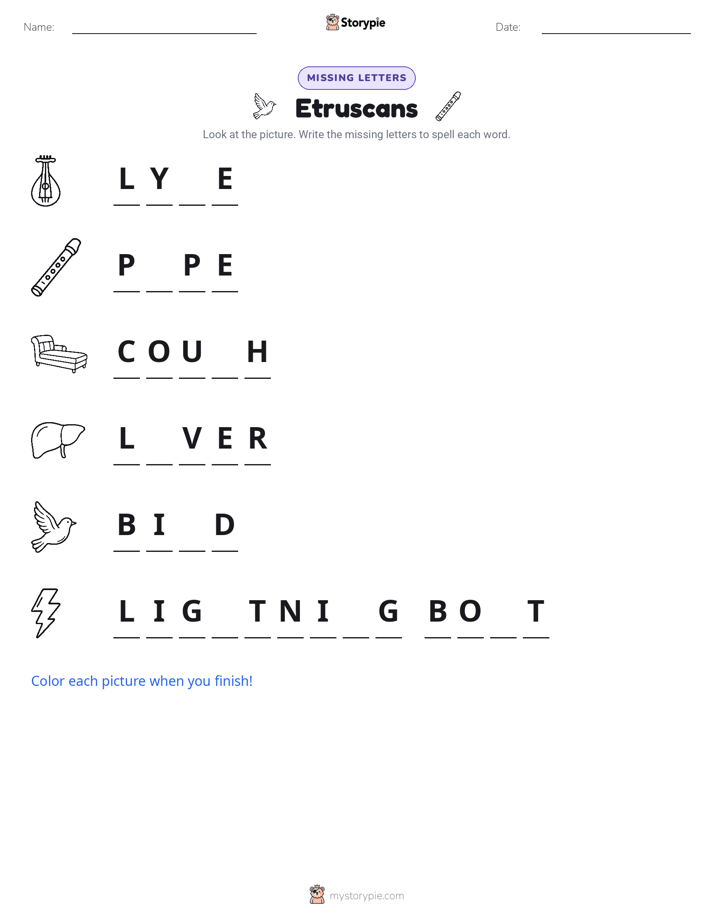
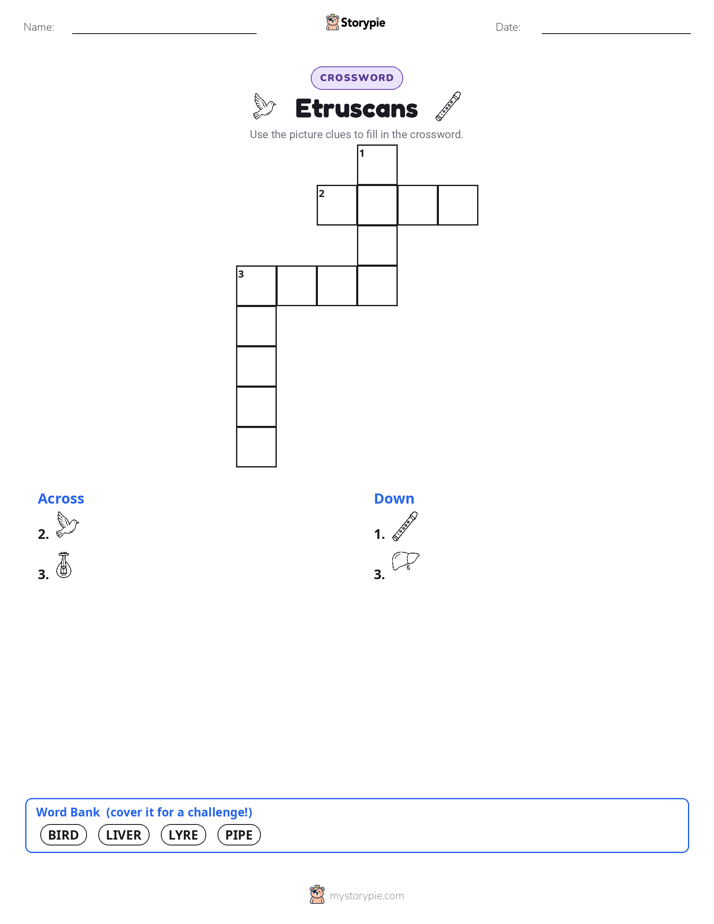
Our society was a vibrant one, filled with a love for life’s pleasures. We enjoyed music and games, and our artists often painted scenes of lively dancers and musicians playing pipes and lyres. We were famous for our lavish banquets, where friends and family would gather to feast, talk, and enjoy themselves. In this, we were different from many other ancient cultures you might read about. Our women held a more equal status and were active participants in public life. They attended banquets, dining alongside the men on comfortable couches, a practice that shocked some of our neighbors. Our art shows women as confident and respected figures, and inscriptions tell us they kept their own names and could own property. They were not hidden away but were central figures in our families and our society.
Our lives were also guided by a deep connection to the spiritual world. We believed that our destiny was intertwined with the will of the gods and that it was essential to understand their signs. To do this, we developed complex and precise rituals of divination. Our priests were masters at interpreting divine messages from the natural world. They might study the flight patterns of birds, observe lightning in the sky, or, in a famous practice known as haruspicy, they would carefully examine the livers of sacrificed animals. Every detail, from the shape of the organ to any marks on its surface, was thought to hold a specific meaning, a message from the heavens that could guide the decisions of our cities and our leaders. This deep faith shaped our world, from the layout of our cities to the preparations we made for our final journey.
We were expert builders and engineers, skills that were admired throughout the ancient Mediterranean. We didn't build our cities randomly; we planned them carefully, often on high, defensible hills. We constructed sophisticated drainage systems to manage water, a technique that the Romans would later adopt and expand upon. We were also among the first people in Italy to master the use of the arch in architecture, a key innovation that allowed for stronger and larger structures. Our skill wasn't limited to stone; we were also master artists who worked in bronze and clay. Our sculptures are known for their expressiveness and life-like details. Perhaps the most famous example is the Sarcophagus of the Spouses, a terracotta coffin showing a husband and wife reclining together at a banquet, smiling warmly. It captures not just our artistic talent, but our view of marriage as a close partnership that continued even after death.
So much of what is known about our lives comes from our tombs. For us, a tomb was not a sad and gloomy place; it was a home for the afterlife, a comfortable space where the soul could continue to enjoy the pleasures of life on Earth. We decorated the walls of our tombs with vibrant paintings, called frescoes, that show us feasting, playing games, dancing, fishing, and hunting. These scenes are like windows into our world, revealing our clothing, our customs, and our values. We filled these underground homes with pottery, jewelry, furniture, and tools—everything a person would need to continue their existence peacefully. It is because we cared so much about providing for our loved ones in the next world that you have such a clear picture of our first one.
Our story, however, changed with the rise of a new power in Italy: Rome. Over several centuries, our independent cities, such as Veii, Tarquinii, and Caere, were conquered one by one by the growing Roman Republic. It was a gradual decline, not a sudden collapse. We fought to maintain our freedom, but the Romans' military and political power was relentless. By the 1st century BCE, we had been fully integrated into the Roman world. We were granted Roman citizenship, and slowly, our unique language and distinct culture faded away as we adopted Latin and Roman customs. Our civilization, as a separate entity, had come to an end.
But we were not forgotten. Our influence lived on in the very culture that absorbed us. The Romans, who admired our skills and traditions, adopted many of our customs. The purple-bordered toga worn by Roman magistrates was an Etruscan symbol of office. The fasces, a bundle of rods with an ax that represented power and authority, was also one of our symbols. Roman engineering, particularly the use of the arch and drainage systems, was built upon our earlier innovations. Even the famous gladiatorial combat, a defining feature of Roman entertainment, may have had its origins in our funeral rituals. Though our language is quiet now and our cities lie beneath modern ones, our legacy was woven into the fabric of Rome and, through it, the wider world.
Wow facts
About
The Etruscans were a powerful and wealthy civilization in ancient Italy that flourished from about 900 BCE until they became part of the Roman Republic in the 1st century BCE. They were known for their unique art, language, religious practices, and engineering skills.
Take a Quiz
Question 1 of 5
What is one reason historians consider the Etruscans mysterious?
Explore next

Want to do even more?
Go beyond exploring. Unlock tools that turn every story into real learning.

Storypie Plus for families
Full stories, quizzes, and printables. Nights and car rides, sorted.
- Unlimited audio stories
- Create Mode: your child stars in the story
- Offline downloads
- Printable worksheets & coloring pages

Why Storypie for Schools
Students engaged. Prep in seconds. Evenings back to you.
- Worksheets & Quizzes
- Classroom Management
- Formative Assessment
- Custom Curriculum & Lesson Plans
- 27 Languages

Why Storypie for Homeschool
Curriculum done. They'll ask for more. Hours back in your day.
- Worksheet Generator
- First-Person Audio Stories
- Built-in Comprehension Quizzes
- Custom Curriculum & Lesson Plans
- Print & Go Activities