English

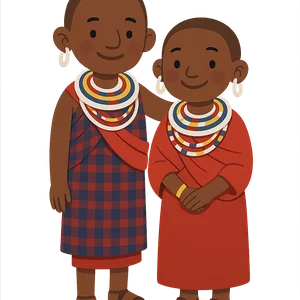
Maasai people
The Maasai are a semi-nomadic, pastoralist ethnic group living in southern Kenya and northern Tanzania.
Reads at Grades 3–5 Listens at Grades 1–5
Print & create
Answer keys·No prep·Free with an account
28 worksheets · answer keys · full story · quiz · Ages 8-10 · CEFR B1
Plus adds 116,000+ more stories in 27 languages, audio for every one, and printables for all of them.
Just want Maasai people?
Hello! We are the Maasai people, and we want to share the story of our culture with you. For many, many generations, our homeland has been the vast and beautiful Great Rift Valley in East Africa. This land, with its wide-open grasslands and incredible wildlife, stretches across the countries that are now called Kenya and Tanzania. We have a deep connection to this place, and it has shaped our way of life for centuries. Our culture is rich with traditions, stories, and knowledge that have been carefully passed down from our elders to the younger generations. One of the most important threads that connects us all is our language, which we call Maa. It is the language of our songs, our ceremonies, and our everyday conversations, carrying the wisdom of our ancestors into the present day.
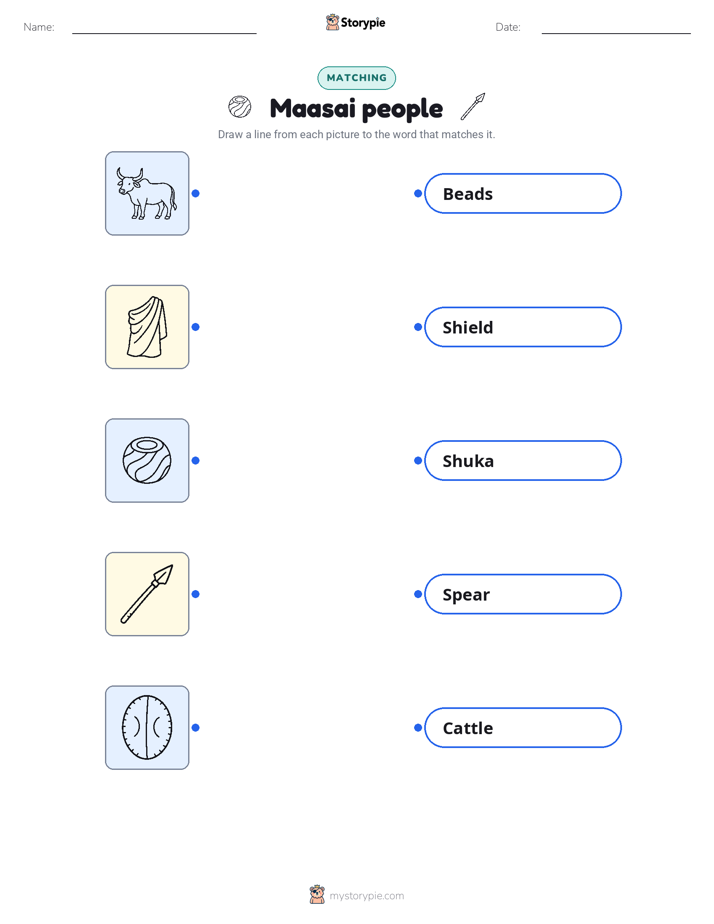
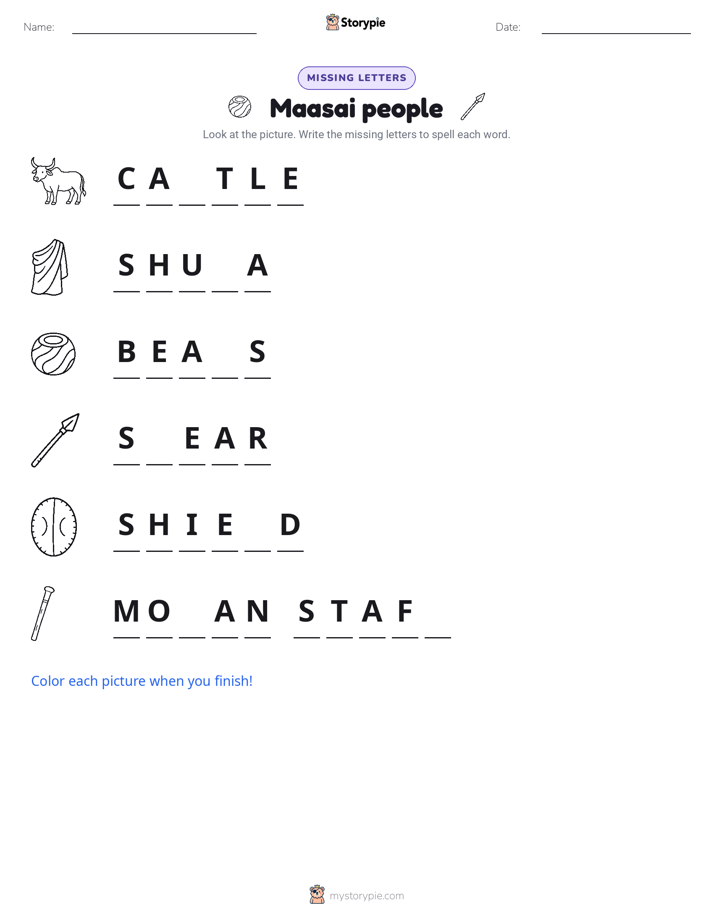
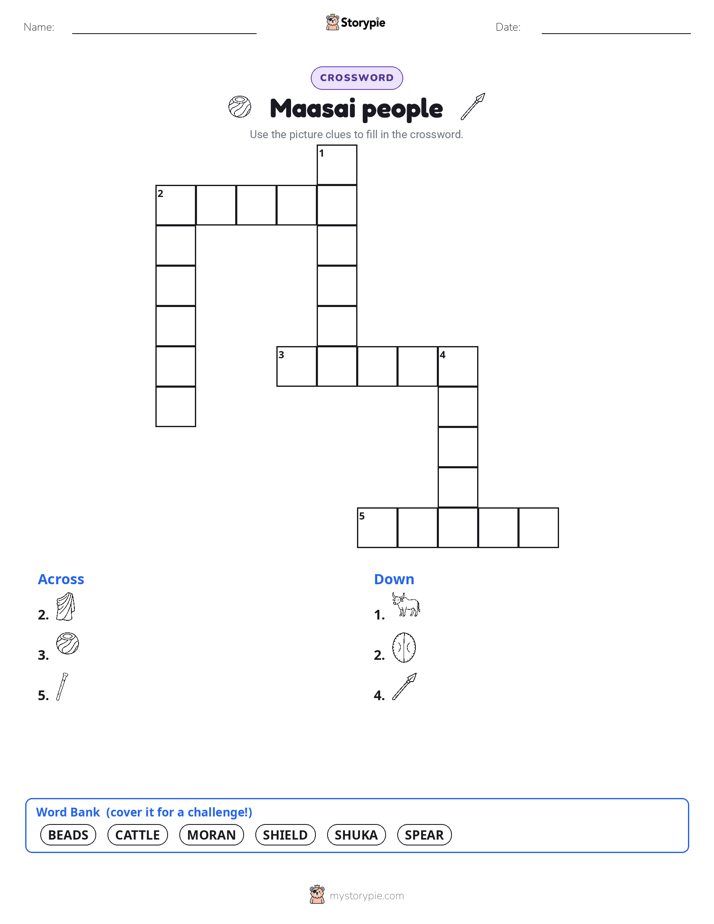
At the very heart of our culture and our daily lives are our cattle. To us, cattle are much more than just animals; they are a sign of wealth and a great responsibility. The health and size of a person’s herd shows how successful they are. But more importantly, our cattle provide us with essential food that keeps our families strong, especially their milk. We care for our herds with great skill, knowing the land and understanding what the animals need to thrive. Our relationship with our cattle is a partnership built on respect, and it forms the foundation of our traditional economy and our place in the world.
Because we must care for our cattle, we have long practiced a semi-nomadic lifestyle known as pastoralism. This means that we move with our herds throughout the year to find fresh grass for them to eat and clean water for them to drink. This isn't random wandering; it is a careful journey that follows the seasons and the rains. This way of life requires a deep understanding of the environment. Our lives are guided by the rhythm of the seasons, and this movement is part of who we are. To make this lifestyle possible, our traditional homes, which we call inkajijik, are built to be temporary. They are cleverly constructed so that a family can move when the time is right to find better grazing land for the herd.
Our Story: The Maasai People
Hello! We are the Maasai people, and we want to share the story of our culture with you. For many, many generations, our homeland has been the vast and beautiful Great Rift Valley in East Africa. This land, with its wide-open grasslands and incredible wildlife, stretches across the countries that are now called Kenya and Tanzania. We have a deep connection to this place, and it has shaped our way of life for centuries. Our culture is rich with traditions, stories, and knowledge that have been carefully passed down from our elders to the younger generations. One of the most important threads that connects us all is our language, which we call Maa. It is the language of our songs, our ceremonies, and our everyday conversations, carrying the wisdom of our ancestors into the present day.
At the very heart of our culture and our daily lives are our cattle. To us, cattle are much more than just animals; they are a sign of wealth and a great responsibility. The health and size of a person’s herd shows how successful they are. But more importantly, our cattle provide us with essential food that keeps our families strong, especially their milk. We care for our herds with great skill, knowing the land and understanding what the animals need to thrive. Our relationship with our cattle is a partnership built on respect, and it forms the foundation of our traditional economy and our place in the world.
Because we must care for our cattle, we have long practiced a semi-nomadic lifestyle known as pastoralism. This means that we move with our herds throughout the year to find fresh grass for them to eat and clean water for them to drink. This isn't random wandering; it is a careful journey that follows the seasons and the rains. This way of life requires a deep understanding of the environment. Our lives are guided by the rhythm of the seasons, and this movement is part of who we are. To make this lifestyle possible, our traditional homes, which we call inkajijik, are built to be temporary. They are cleverly constructed so that a family can move when the time is right to find better grazing land for the herd.
Our community is built on strong bonds between families and neighbors. A very important part of our culture is a system of age-sets. This is where people who are born around the same time move through the stages of life together as a group. From childhood to adulthood to becoming respected elders, these groups learn together, celebrate together, and support one another. This system creates a powerful sense of unity and shared responsibility. One of the most well-known age-sets is for the young men who become warriors, or moran. It is their duty to be brave and strong, and their most important job is to protect our communities and our herds from any danger.
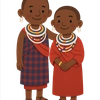
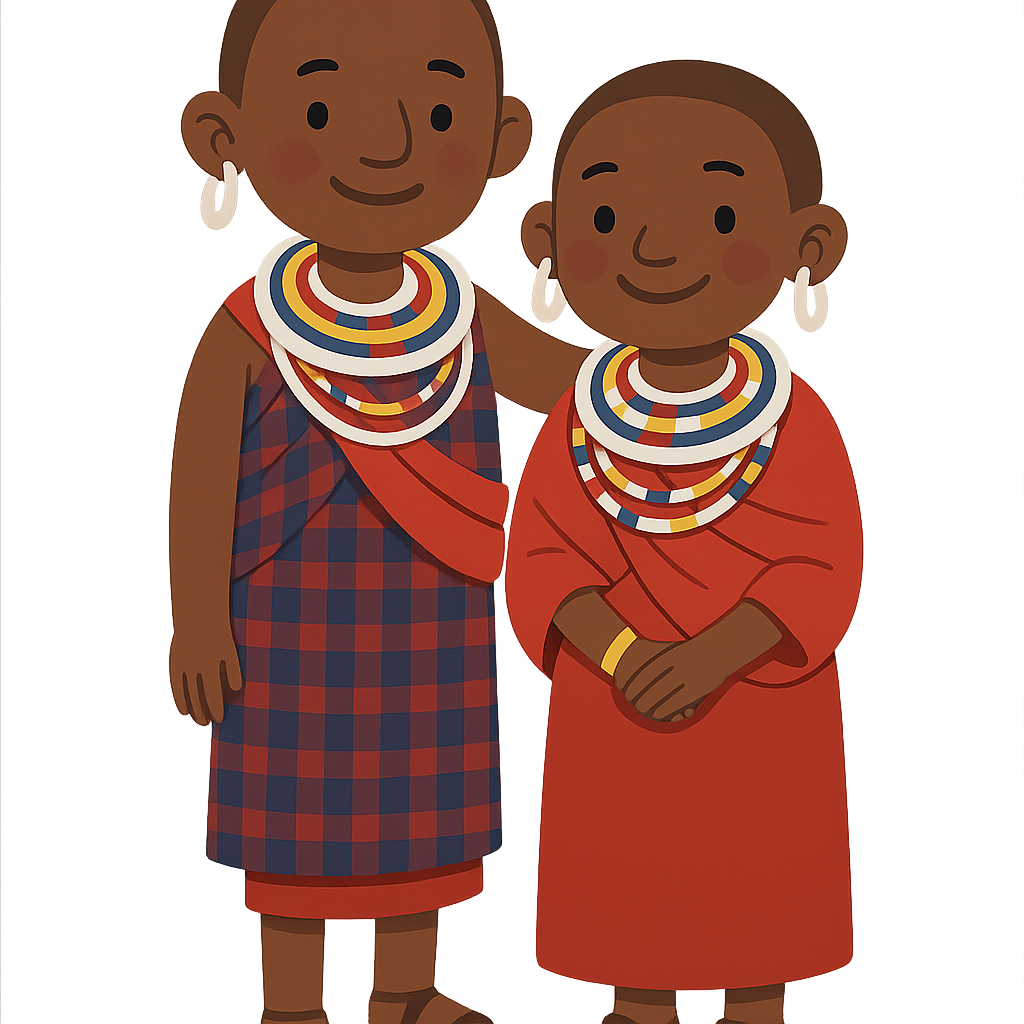
You might recognize us by our famous red clothing. These bright cloths are called shuka, and they are a proud symbol of our identity. We also create beautiful and detailed beadwork. This isn't just for decoration; it is a form of art and communication that is very important to us. The different colors and patterns of the beads all have special meanings. They can tell a story about the person wearing them. The beautiful jewelry we wear shares information about our community and our place within it, all through the language of color and design.
Today, our Maasai culture is alive and strong, and we are adapting to a changing world. We are finding ways to balance our ancient traditions with modern life. Many of our people continue the pastoralist lifestyle that has sustained us for centuries, moving across the savannas with their cattle. At the same time, many of us also live and work in cities. We are becoming doctors, teachers, and business owners. Maasai children go to school to learn new skills, and we use modern technology like cell phones to stay connected with family and friends. We are very proud of our heritage and the traditions that make us who we are. Our goal is to carry the strength of our past into the future, making sure our culture continues to grow and thrive for generations to come.
Wow facts
About
The Maasai are a semi-nomadic, pastoralist ethnic group living in southern Kenya and northern Tanzania. They are well-known for their distinctive traditions, clothing, and deep cultural connection to cattle.
Take a Quiz
Question 1 of 5
What is the name for the young Maasai men who become warriors to protect the community?
Explore next





Want to do even more?
Go beyond exploring. Unlock tools that turn every story into real learning.

Storypie Plus for families
Full stories, quizzes, and printables. Nights and car rides, sorted.
- Unlimited audio stories
- Create Mode: your child stars in the story
- Offline downloads
- Printable worksheets & coloring pages

Why Storypie for Schools
Students engaged. Prep in seconds. Evenings back to you.
- Worksheets & Quizzes
- Classroom Management
- Formative Assessment
- Custom Curriculum & Lesson Plans
- 27 Languages

Why Storypie for Homeschool
Curriculum done. They'll ask for more. Hours back in your day.
- Worksheet Generator
- First-Person Audio Stories
- Built-in Comprehension Quizzes
- Custom Curriculum & Lesson Plans
- Print & Go Activities