English

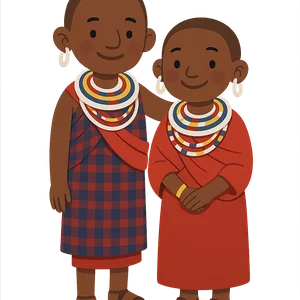
Maasai people
The Maasai are a semi-nomadic, pastoralist ethnic group living in southern Kenya and northern Tanzania.
Reads at Grades 6–8 Listens at Grades 4–8
Print & create
Answer keys·No prep·Free with an account
28 worksheets · answer keys · full story · quiz · Ages 10-12 · CEFR B2
Plus adds 116,000+ more stories in 27 languages, audio for every one, and printables for all of them.
Just want Maasai people?
Hello. We are the Maasai people, and we welcome you to our story. Our homeland is a vast and beautiful place, stretching across the Great Rift Valley in the modern nations of Kenya and Tanzania. For generations, this land of sweeping grasslands and open skies has been our home, and our lives are deeply connected to its rhythms. We are a people of many different clans, each with its own history, but we are united by our shared Maa language, which carries our stories and our wisdom. Our shared beliefs also bring us together, creating a strong cultural bond that connects our communities across the valley.
Our way of life is known as semi-nomadic pastoralism. This means that we move with our herds to find fresh pastures and water, following the seasons as they change. This movement is not random; it is a careful and knowledgeable practice passed down through generations. At the very center of our world are our cattle. To us, they are more than just animals. They are the heart of our culture, a living symbol of our connection to the land and to each other. Our lives revolve around caring for them, protecting them, and ensuring their well-being, because their health is tied directly to the prosperity of our families and our entire community.
To truly understand us, you must understand the importance of our cattle. They are a measure of wealth and social status, and they play a central role in our ceremonies and social relationships. Our traditional beliefs teach us that cattle are a sacred gift from our god, who we call Enkai. This belief shapes our deep respect for these animals and our role as their caretakers. Because our herds are so precious, protecting them is one of our most important responsibilities. This duty falls to our young men, who are known as the *moran*, or warriors. They are trained to be brave, strong, and resourceful. The *moran* have the great honor and responsibility of defending our communities and our herds from any danger, ensuring the safety and survival of our people. Their courage is celebrated in our songs and stories, and their role is a cornerstone of our traditional social structure.
We Are the Maasai
Hello. We are the Maasai people, and we welcome you to our story. Our homeland is a vast and beautiful place, stretching across the Great Rift Valley in the modern nations of Kenya and Tanzania. For generations, this land of sweeping grasslands and open skies has been our home, and our lives are deeply connected to its rhythms. We are a people of many different clans, each with its own history, but we are united by our shared Maa language, which carries our stories and our wisdom. Our shared beliefs also bring us together, creating a strong cultural bond that connects our communities across the valley.
Our way of life is known as semi-nomadic pastoralism. This means that we move with our herds to find fresh pastures and water, following the seasons as they change. This movement is not random; it is a careful and knowledgeable practice passed down through generations. At the very center of our world are our cattle. To us, they are more than just animals. They are the heart of our culture, a living symbol of our connection to the land and to each other. Our lives revolve around caring for them, protecting them, and ensuring their well-being, because their health is tied directly to the prosperity of our families and our entire community.
To truly understand us, you must understand the importance of our cattle. They are a measure of wealth and social status, and they play a central role in our ceremonies and social relationships. Our traditional beliefs teach us that cattle are a sacred gift from our god, who we call Enkai. This belief shapes our deep respect for these animals and our role as their caretakers. Because our herds are so precious, protecting them is one of our most important responsibilities. This duty falls to our young men, who are known as the moran, or warriors. They are trained to be brave, strong, and resourceful. The moran have the great honor and responsibility of defending our communities and our herds from any danger, ensuring the safety and survival of our people. Their courage is celebrated in our songs and stories, and their role is a cornerstone of our traditional social structure.
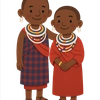
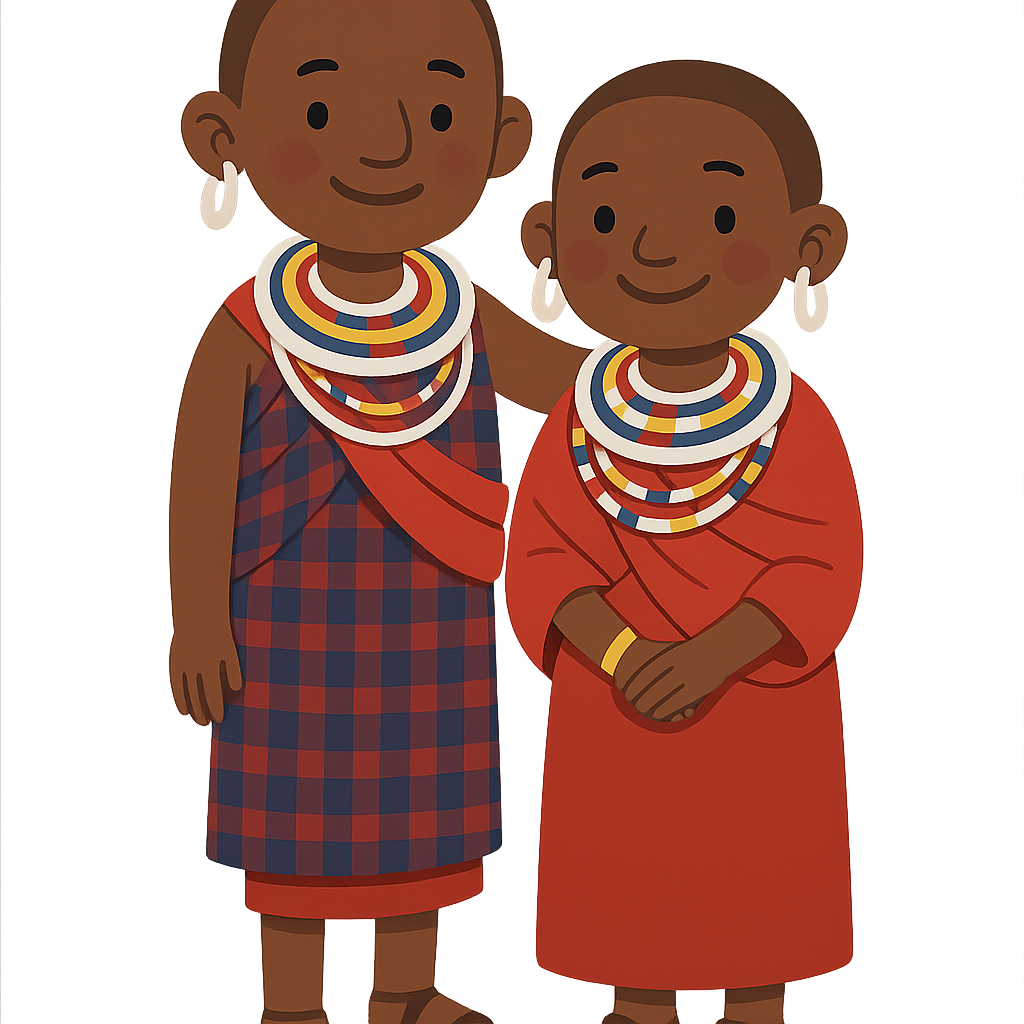
Life in our communities is full of color, sound, and a strong sense of togetherness. We live in settlements called enkang, which are often arranged in a circle to provide protection for our families and our livestock at night. Within the enkang, it is the women who build our homes. They use natural materials from the surrounding environment to construct sturdy, practical houses for their families, a skill that demonstrates their essential contribution to our society. Our culture is also expressed through our vibrant clothing and adornments. Many of us wear a cloth called a shuka, which is often a brilliant shade of red. Our women are masters of beadwork, creating beautiful and intricate jewelry and decorations. Each piece is a work of art, full of meaning and tradition, and it is an important way we express our identity and our sense of beauty.
Our community life is also marked by ceremony and celebration. One of the most famous expressions of our culture is our dancing. We gather to perform ceremonial dances that are full of energy and spirit. Perhaps the best-known of these is the adumu, which is sometimes called the jumping dance. During this dance, our young men form a circle and take turns leaping high into the air, demonstrating their strength, grace, and stamina. It is a powerful and exciting sight that brings our community together to celebrate important moments in our lives and to honor our traditions. These gatherings strengthen the bonds between families and clans, reinforcing the unity that has always been a key to our resilience.
Our world is changing, and we are adapting to meet the challenges and opportunities of modern times. Like many communities around the world, we face new pressures. Climate change affects the weather patterns, making it harder to find grazing land and water for our herds. In response, we are finding new ways to manage our resources and sustain our pastoralist lifestyle. We are also blending our ancient knowledge with new ideas. Today, many of our children attend school, where they learn skills that will help our people navigate the complexities of the 21st century. At the same time, we have not forgotten our deep connection to the land and its creatures. We play a vital role in wildlife conservation, working to protect the incredible animals that share our homeland. We continue to be the proud guardians of our heritage, striving to preserve our traditions while building a strong and sustainable future for generations to come. Our culture is alive, and we carry our identity forward with strength and hope.
Wow facts
About
The Maasai are a semi-nomadic, pastoralist ethnic group living in southern Kenya and northern Tanzania. They are well-known for their distinctive traditions, clothing, and deep cultural connection to cattle.
Take a Quiz
Question 1 of 5
According to the story, why are cattle so important to the Maasai people?
Explore next




Want to do even more?
Go beyond exploring. Unlock tools that turn every story into real learning.

Storypie Plus for families
Full stories, quizzes, and printables. Nights and car rides, sorted.
- Unlimited audio stories
- Create Mode: your child stars in the story
- Offline downloads
- Printable worksheets & coloring pages

Why Storypie for Schools
Students engaged. Prep in seconds. Evenings back to you.
- Worksheets & Quizzes
- Classroom Management
- Formative Assessment
- Custom Curriculum & Lesson Plans
- 27 Languages

Why Storypie for Homeschool
Curriculum done. They'll ask for more. Hours back in your day.
- Worksheet Generator
- First-Person Audio Stories
- Built-in Comprehension Quizzes
- Custom Curriculum & Lesson Plans
- Print & Go Activities