English

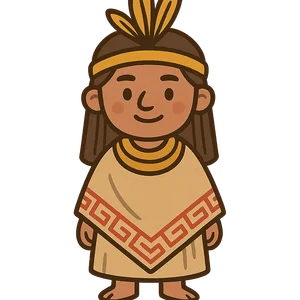
Muisca
The Muisca were an advanced Chibcha-speaking civilization that flourished on the Altiplano Cundiboyacense in…
Reads at Grades 6–8 Listens at Grades 4–8
Print & create
Answer keys·No prep·Free with an account
28 worksheets · answer keys · full story · quiz · Ages 10-12 · CEFR B2
Plus adds 116,000+ more stories in 27 languages, audio for every one, and printables for all of them.
Just want Muisca?
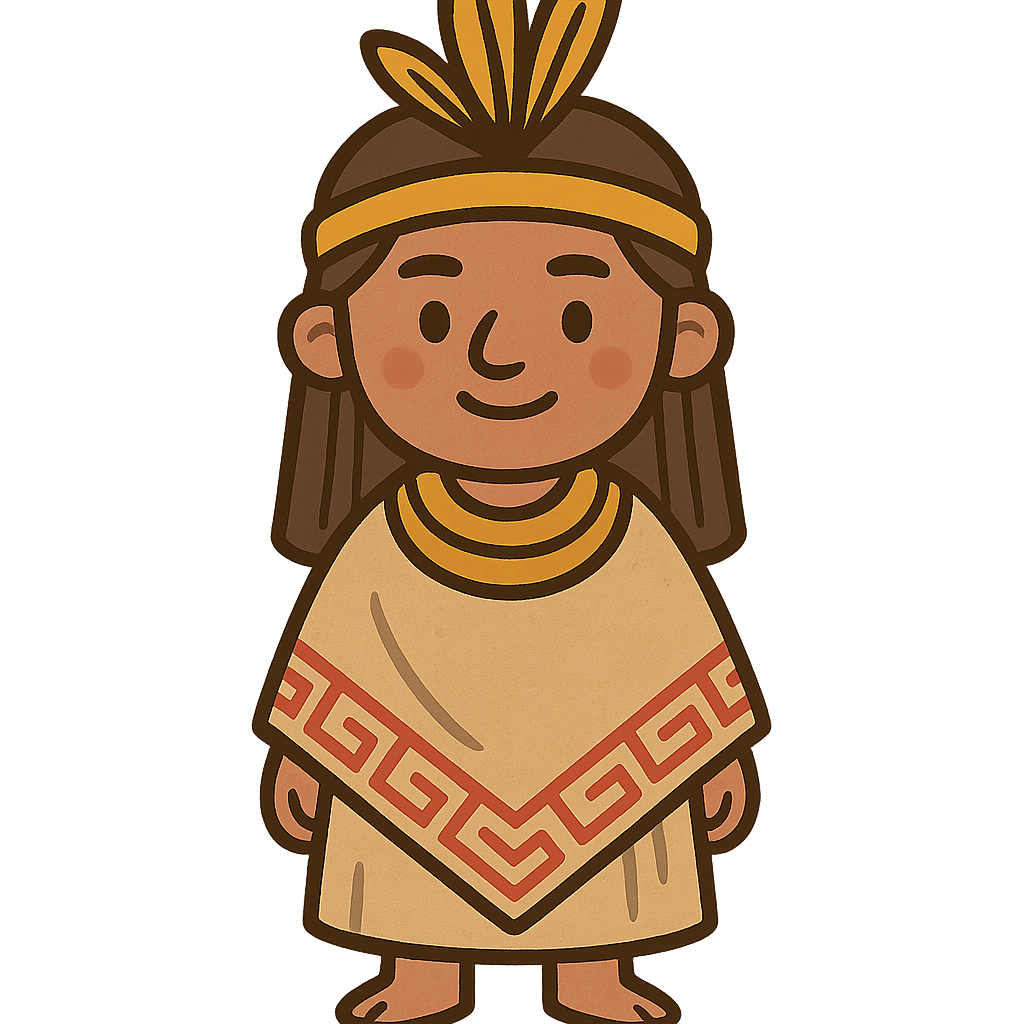
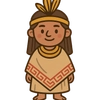
Hello. We are the Muisca, and our story is written in the mountains and lakes of our homeland. For centuries, our home has been a high plateau in the Colombian Andes called the Altiplano Cundiboyacense. Imagine living nearly two miles above the sea, where the air is cool and the clouds feel close enough to touch. This is the world that shaped us. Our landscape is one of steep mountains, green valleys, and deep, quiet lakes that we have always considered sacred. These bodies of water are not just sources of life for us; they are portals to the spiritual world, places of ceremony and deep connection.
Our communities grew and flourished in this high-altitude environment. But we were not organized like some other civilizations you may have heard of. We never had a single, all-powerful emperor who ruled over everyone. Instead, we formed what is known as a confederation. This was a network of different Muisca communities, each with its own leader, who chose to work together for trade and defense. Our most important leaders were known by the titles of the zipas and the zaques. They were powerful rulers in their own right, governing different regions of our territory. This system allowed our many communities to maintain their own identities while being part of a larger, unified Muisca society. It was a system built on cooperation, not conquest.
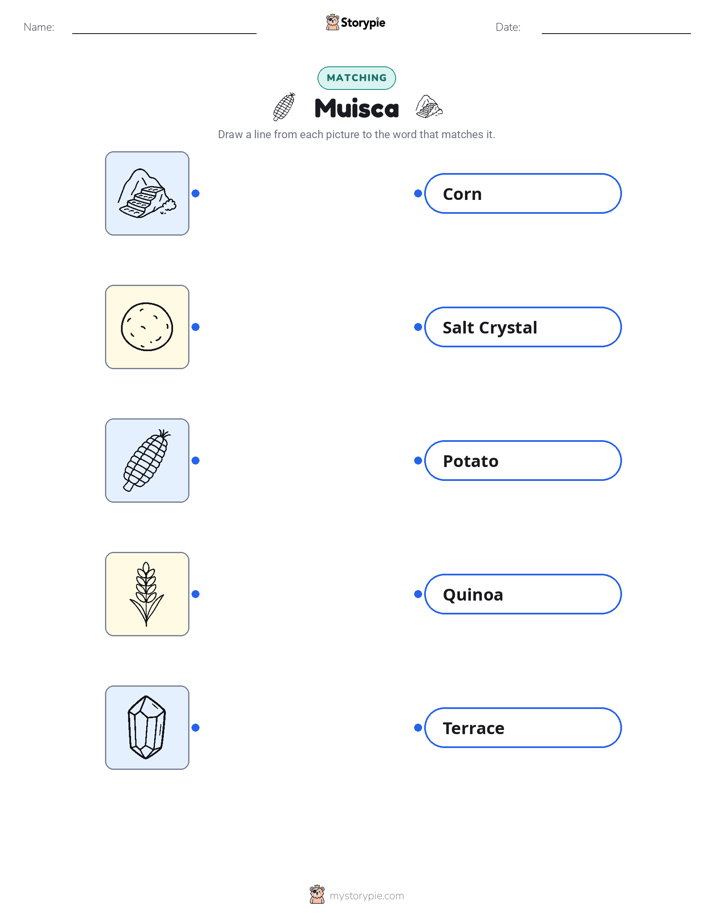
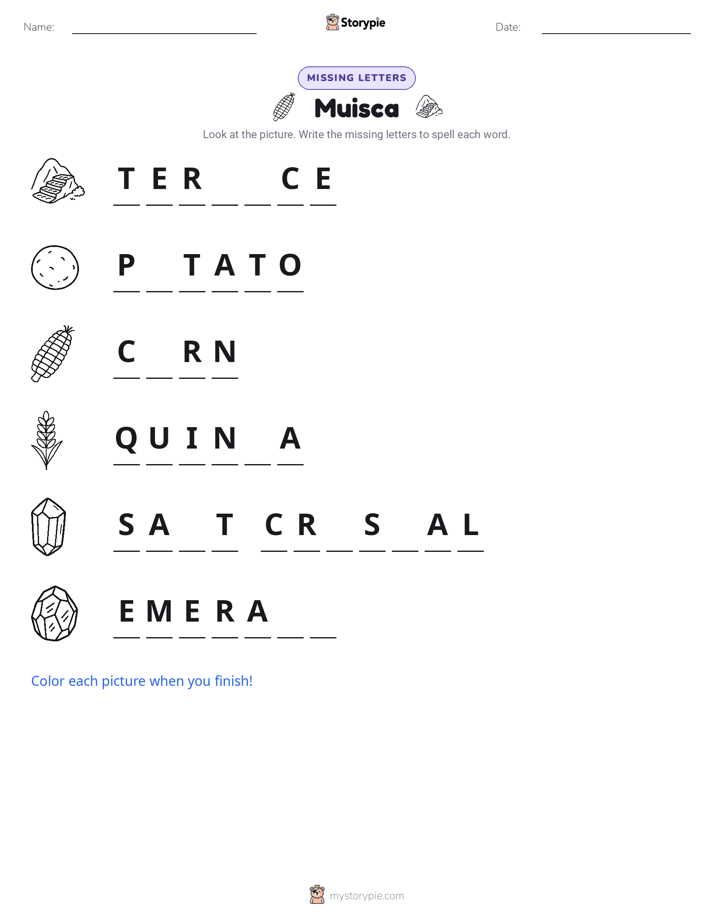
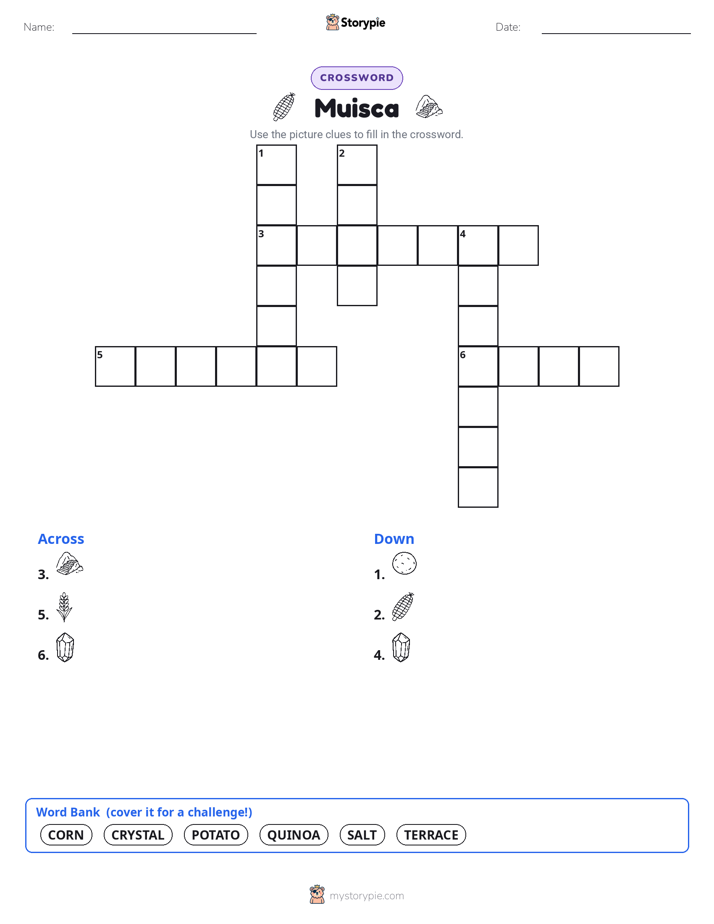
To support our large population in the challenging mountain terrain, we became expert farmers. The steep slopes of the Andes were not naturally suited for growing crops, so we reshaped the land to meet our needs. We developed a clever technique called terracing, carefully cutting step-like platforms into the sides of the mountains. These flat terraces prevented the soil from washing away in the rain and allowed us to create fields where we could grow potatoes, corn, and quinoa. Our skill in farming meant that our communities were well-fed and could grow, allowing our culture to thrive for generations in our mountain home.
We Are the Muisca: People of Salt, Gold, and Sacred Lakes
Hello. We are the Muisca, and our story is written in the mountains and lakes of our homeland. For centuries, our home has been a high plateau in the Colombian Andes called the Altiplano Cundiboyacense. Imagine living nearly two miles above the sea, where the air is cool and the clouds feel close enough to touch. This is the world that shaped us. Our landscape is one of steep mountains, green valleys, and deep, quiet lakes that we have always considered sacred. These bodies of water are not just sources of life for us; they are portals to the spiritual world, places of ceremony and deep connection.
Our communities grew and flourished in this high-altitude environment. But we were not organized like some other civilizations you may have heard of. We never had a single, all-powerful emperor who ruled over everyone. Instead, we formed what is known as a confederation. This was a network of different Muisca communities, each with its own leader, who chose to work together for trade and defense. Our most important leaders were known by the titles of the zipas and the zaques. They were powerful rulers in their own right, governing different regions of our territory. This system allowed our many communities to maintain their own identities while being part of a larger, unified Muisca society. It was a system built on cooperation, not conquest.
To support our large population in the challenging mountain terrain, we became expert farmers. The steep slopes of the Andes were not naturally suited for growing crops, so we reshaped the land to meet our needs. We developed a clever technique called terracing, carefully cutting step-like platforms into the sides of the mountains. These flat terraces prevented the soil from washing away in the rain and allowed us to create fields where we could grow potatoes, corn, and quinoa. Our skill in farming meant that our communities were well-fed and could grow, allowing our culture to thrive for generations in our mountain home.
While farming was the foundation of our lives, we were also deeply involved in trade. Our location in the Andes gave us access to valuable resources that other peoples wanted. One of our most important trade goods was salt. We extracted it from underground salt springs, and it was so valuable that it was used like money in many parts of the region. Our salt was traded far and wide, connecting us to communities all across the land. We also had mines that produced some of the world’s most beautiful emeralds. These brilliant green gems were highly prized for their beauty and rarity, and our control over them made us important figures in the continent’s trade networks.
Of all our skills, we are perhaps most famous for our work with gold. But for us, gold was not a symbol of personal wealth or something to be used as currency. Gold was sacred. Its warm, shining color reminded us of the sun, which gave life to the world. We believed it was a divine material, and our artisans transformed it into beautiful objects meant for our gods, not for people. Our goldsmiths created thousands of small, flat figures called tunjos. These were often shaped like people, warriors, or mothers with children, and they were made as offerings to be left at sacred places like lakes or caves. Each tunjo was a prayer, a request, or a thank you to the spirits that watched over us.
Our spiritual connection to gold and our sacred lakes gave rise to a ceremony that would later inspire a famous legend. At Lake Guatavita, when a new leader was chosen, he would take part in a special ritual. He would be covered in sticky clay and then coated with fine gold dust until he shone like the sun itself. He was then taken to the center of the lake on a raft, accompanied by other leaders. As an offering to the gods who lived in the water, he would wash the gold dust from his body and cast precious objects of gold and emeralds into the lake’s dark depths. This was a solemn, sacred act to ensure balance and prosperity for our people.
Centuries later, when Spanish explorers arrived on our continent, they heard stories about this ceremony. They called our leader “El Dorado,” which means “The Gilded One.” But their interpretation of our tradition was very different from its true meaning. Obsessed with finding riches, they misunderstood our sacred ritual and imagined that there must be a lost city made entirely of gold hidden somewhere in the mountains. The legend of El Dorado grew and spread, driving explorers on a frantic search for a treasure that never existed. The true story was not about a golden city, but about our people’s deep spiritual beliefs.
Our world changed forever with the arrival of the Spanish, led by Gonzalo Jiménez de Quesada, in 1537. Their arrival marked the beginning of a new and difficult era for us. Our confederation, the political system that had united our communities for so long, was brought to an end. Our way of life, our traditions, and our relationship with our land were all profoundly altered.
But our story does not end there. It is very important to know that we, the Muisca people, did not disappear. Though our confederation was gone, our people endured. We have survived through centuries of change, holding on to the core of our identity. Today, our descendants, the modern Muisca people, live in communities throughout our ancestral lands in Colombia. We are still here, and our culture is alive.
Now, we are in a time of cultural revival. Our communities are working to preserve and strengthen the traditions our ancestors passed down. We are working to bring back our language, teaching it to our children so that our own words can once again be heard in our mountain home. We continue to honor our sacred sites and work to protect our environment. Our story is one of resilience and continuation. We are the Muisca, a people whose spirit, like the sacred gold we once offered to the lakes, still shines.
Wow facts
About
The Muisca were an advanced Chibcha-speaking civilization that flourished on the Altiplano Cundiboyacense in the eastern Andes of present-day Colombia. They were renowned for their sophisticated agriculture, salt mining, and exquisite goldwork, which inspired the legend of El Dorado.
Take a Quiz
Question 1 of 5
Why was gold considered sacred to the Muisca people, rather than being used as currency?
Explore next

Want to do even more?
Go beyond exploring. Unlock tools that turn every story into real learning.

Storypie Plus for families
Full stories, quizzes, and printables. Nights and car rides, sorted.
- Unlimited audio stories
- Create Mode: your child stars in the story
- Offline downloads
- Printable worksheets & coloring pages

Why Storypie for Schools
Students engaged. Prep in seconds. Evenings back to you.
- Worksheets & Quizzes
- Classroom Management
- Formative Assessment
- Custom Curriculum & Lesson Plans
- 27 Languages

Why Storypie for Homeschool
Curriculum done. They'll ask for more. Hours back in your day.
- Worksheet Generator
- First-Person Audio Stories
- Built-in Comprehension Quizzes
- Custom Curriculum & Lesson Plans
- Print & Go Activities