English

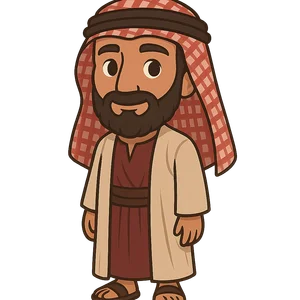
Nabataeans
The Nabataeans were an ancient Arab people who inhabited northern Arabia and the Southern Levant.
Reads at Grades 3–5 Listens at Grades 1–5
Print & create
Answer keys·No prep·Free with an account
28 worksheets · answer keys · full story · quiz · Ages 8-10 · CEFR B1
Plus adds 164,000+ more stories in 27 languages, audio for every one, and printables for all of them.
Just want Nabataeans?
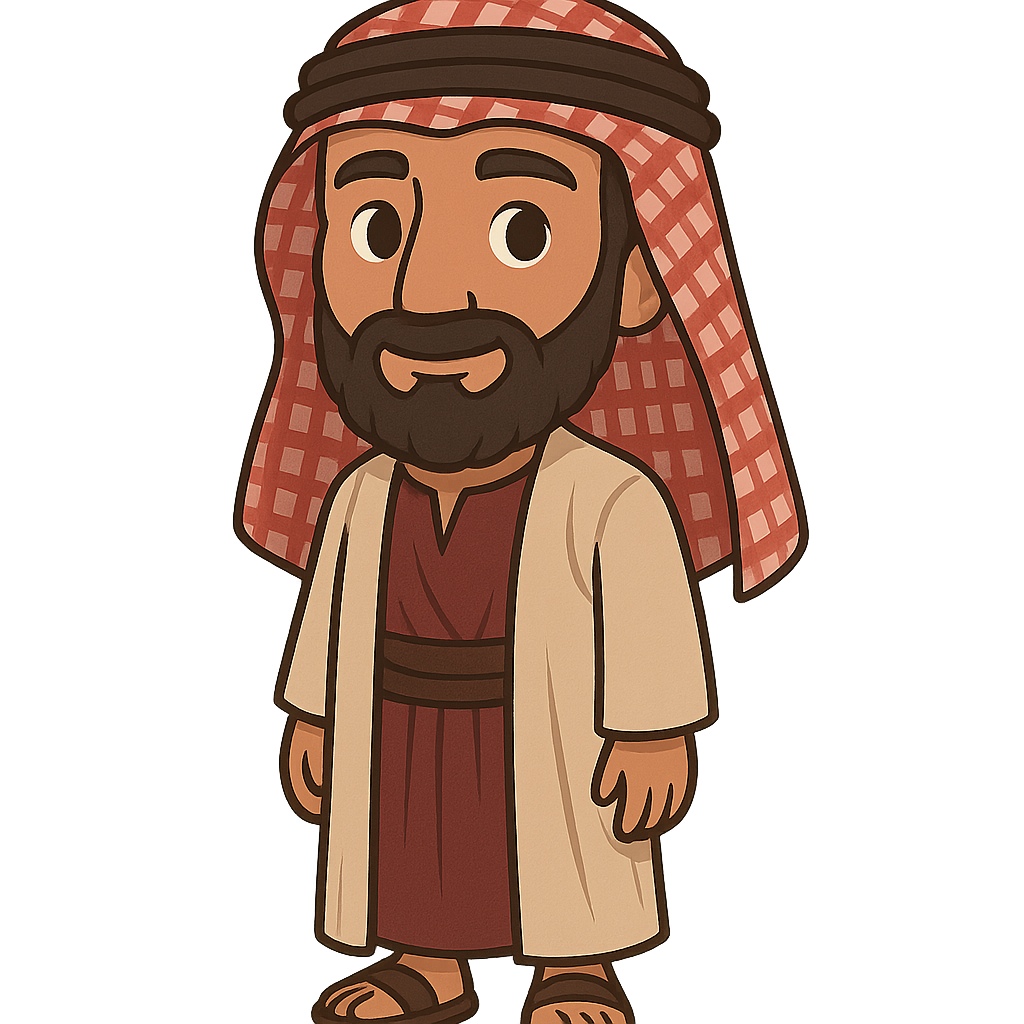
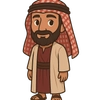
Hello, we are the Nabataeans. Our story is one of ingenuity and survival, carved into the very rock of the desert. We were an ancient Arab people who lived in the harsh, beautiful deserts of the land now called Jordan. Our kingdom began about 2,400 years ago, not with great armies, but with a deep understanding of the world around us. In a place with very little water and soaring temperatures, many might see only emptiness. But we saw an opportunity. We learned how to find water where there seemed to be none, how to travel safely across vast sands, and how to build a magnificent home in the heart of the canyons. We became expert traders and master builders, creating a thriving civilization where others thought it was impossible.
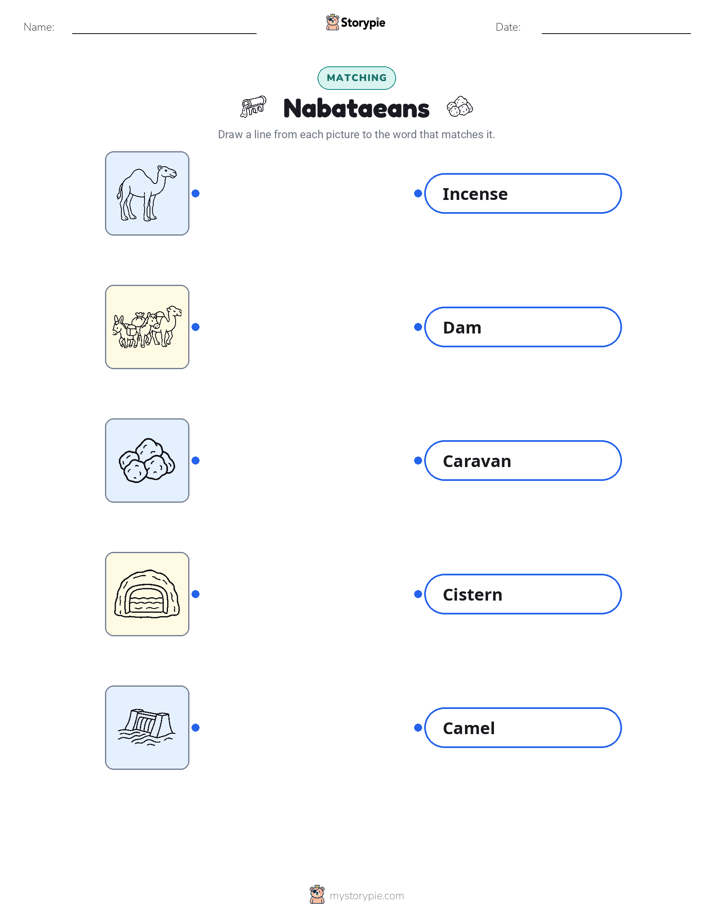
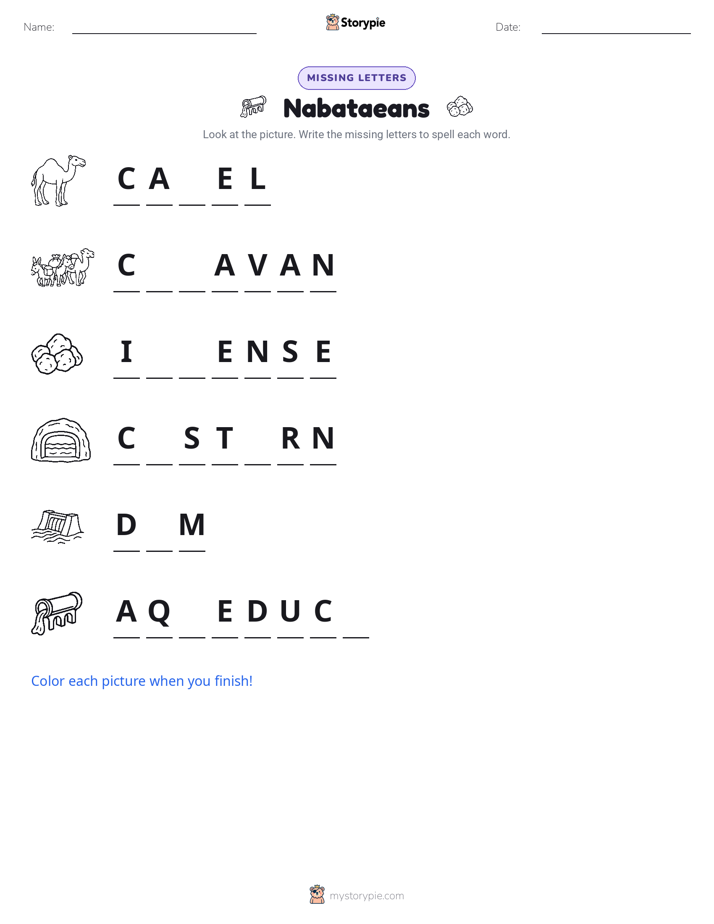
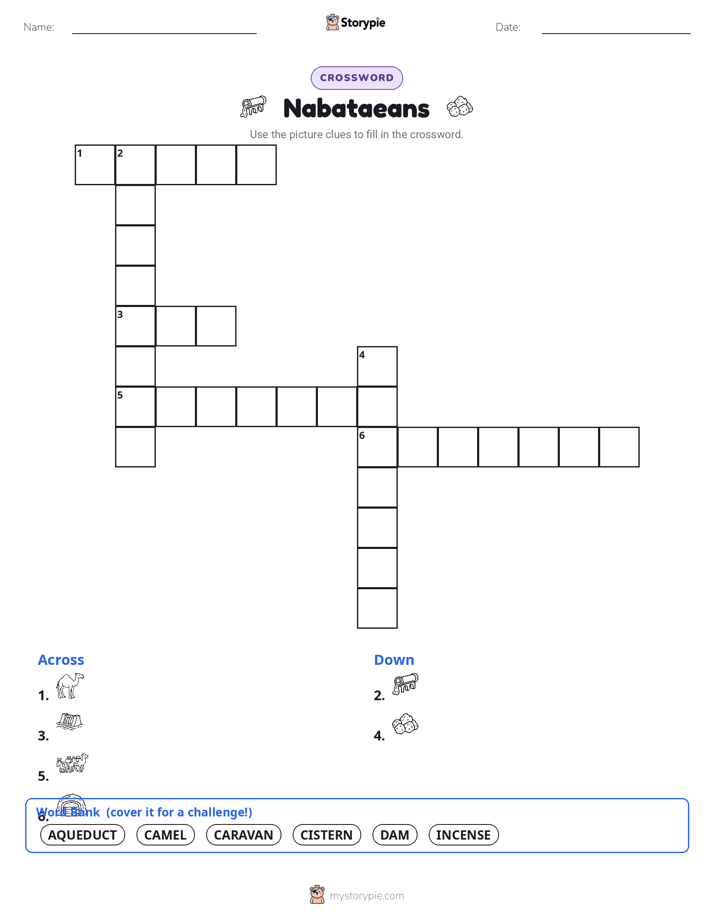
Our kingdom grew wealthy because we understood the importance of location and trade. We controlled the busy trade routes that crossed the desert, which were like highways for the ancient world. On these paths, long caravans of camels traveled for weeks, their backs loaded with precious goods. We specialized in guiding traders who carried frankincense and myrrh, sweet-smelling resins that were as valuable as gold to people like the Greeks and Romans. They used them for perfumes and religious ceremonies. For our help and protection, we were paid well. We also collected taxes from other merchants who needed to pass through our lands. This control of trade brought us riches and allowed us to build our incredible cities.
At the heart of our kingdom was our capital, a city so amazing it was hidden from the world. We called it Petra. Instead of building our homes and temples with bricks or wood, we carved them directly into the faces of towering red sandstone cliffs. The stone itself became our building material, with columns, doorways, and entire rooms all shaped from the rock. To reach our city, you had to walk through a long, narrow canyon with high walls that twisted and turned. This entrance, called the Siq, made Petra a natural fortress that was very easy for us to defend. As visitors emerged from the darkness of the Siq, they would have been stunned by the sight of our most famous structure, a grand tomb called Al-Khazneh, or the Treasury, glowing in the sunlight.
The Stone Carvers of the Desert
Hello, we are the Nabataeans. Our story is one of ingenuity and survival, carved into the very rock of the desert. We were an ancient Arab people who lived in the harsh, beautiful deserts of the land now called Jordan. Our kingdom began about 2,400 years ago, not with great armies, but with a deep understanding of the world around us. In a place with very little water and soaring temperatures, many might see only emptiness. But we saw an opportunity. We learned how to find water where there seemed to be none, how to travel safely across vast sands, and how to build a magnificent home in the heart of the canyons. We became expert traders and master builders, creating a thriving civilization where others thought it was impossible.
Our kingdom grew wealthy because we understood the importance of location and trade. We controlled the busy trade routes that crossed the desert, which were like highways for the ancient world. On these paths, long caravans of camels traveled for weeks, their backs loaded with precious goods. We specialized in guiding traders who carried frankincense and myrrh, sweet-smelling resins that were as valuable as gold to people like the Greeks and Romans. They used them for perfumes and religious ceremonies. For our help and protection, we were paid well. We also collected taxes from other merchants who needed to pass through our lands. This control of trade brought us riches and allowed us to build our incredible cities.
At the heart of our kingdom was our capital, a city so amazing it was hidden from the world. We called it Petra. Instead of building our homes and temples with bricks or wood, we carved them directly into the faces of towering red sandstone cliffs. The stone itself became our building material, with columns, doorways, and entire rooms all shaped from the rock. To reach our city, you had to walk through a long, narrow canyon with high walls that twisted and turned. This entrance, called the Siq, made Petra a natural fortress that was very easy for us to defend. As visitors emerged from the darkness of the Siq, they would have been stunned by the sight of our most famous structure, a grand tomb called Al-Khazneh, or the Treasury, glowing in the sunlight.
Living in a large city in the middle of the desert would have been impossible without one precious thing: water. We became skilled engineers to solve this great challenge. We knew that rain was rare, but when it did fall, we were ready to save every single drop. We carefully studied the landscape and carved a complex system of channels and aqueducts into the rock. These channels guided rainwater from the hillsides down toward our city. We built dams to hold back flash floods and directed the water into huge underground cisterns. These were like giant storage tanks carved deep beneath the city, keeping the water cool and clean. This brilliant system supplied enough water for all the people of Petra and even for their gardens and animals.
For many years, our kingdom flourished. But the world around us was changing, and the powerful Roman Empire was expanding across the lands. In the year 106 CE, our time as an independent kingdom came to a peaceful end. Instead of fighting a war, we agreed to become part of the Roman Empire. Our territory was given a new name, Arabia Petraea, and our lives began to change. We started to blend our own culture and traditions with those of the Romans. New buildings in our cities began to look more Roman, and we adopted some of their customs, creating a unique culture that combined the old and the new.
Though our kingdom eventually became part of history and the city of Petra was slowly abandoned and left to the desert sands, our story was not forgotten. For centuries, the city remained hidden, but it was rediscovered and has since become one of the most famous archaeological sites in the world. Today, Petra is a UNESCO World Heritage site, which means it is protected as a treasure for all of humanity. People from every corner of the globe now make the journey through the Siq to marvel at our incredible rock-cut architecture. Our legacy is written in stone, a lasting reminder that with cleverness, creativity, and a deep respect for the environment, a great civilization can be built anywhere.
Wow facts
About
The Nabataeans were an ancient Arab people who inhabited northern Arabia and the Southern Levant. They are best known for their capital city of Petra, carved from rock, and their control over the lucrative incense and spice trade routes.
Take a Quiz
Question 1 of 5
What were two valuable goods the Nabataeans transported on their camel caravans?
Explore next



Want to do even more?
Go beyond exploring. Unlock tools that turn every story into real learning.

Storypie Plus for families
Full stories, quizzes, and printables. Nights and car rides, sorted.
- Unlimited audio stories
- Create Mode: your child stars in the story
- Offline downloads
- Printable worksheets & coloring pages

Why Storypie for Schools
Students engaged. Prep in seconds. Evenings back to you.
- Worksheets & Quizzes
- Classroom Management
- Formative Assessment
- Custom Curriculum & Lesson Plans
- 27 Languages

Why Storypie for Homeschool
Curriculum done. They'll ask for more. Hours back in your day.
- Worksheet Generator
- First-Person Audio Stories
- Built-in Comprehension Quizzes
- Custom Curriculum & Lesson Plans
- Print & Go Activities