English

Nazca Culture
The Nazca culture was an ancient civilization that flourished on the arid southern coast of Peru from…
Reads at Grades K-2 Listens at K–3
Print & create
Answer keys·No prep·Free with an account
28 worksheets · answer keys · full story · quiz · Ages 6-8 · CEFR A2
Plus adds 116,000+ more stories in 27 languages, audio for every one, and printables for all of them.
Just want Nazca Culture?
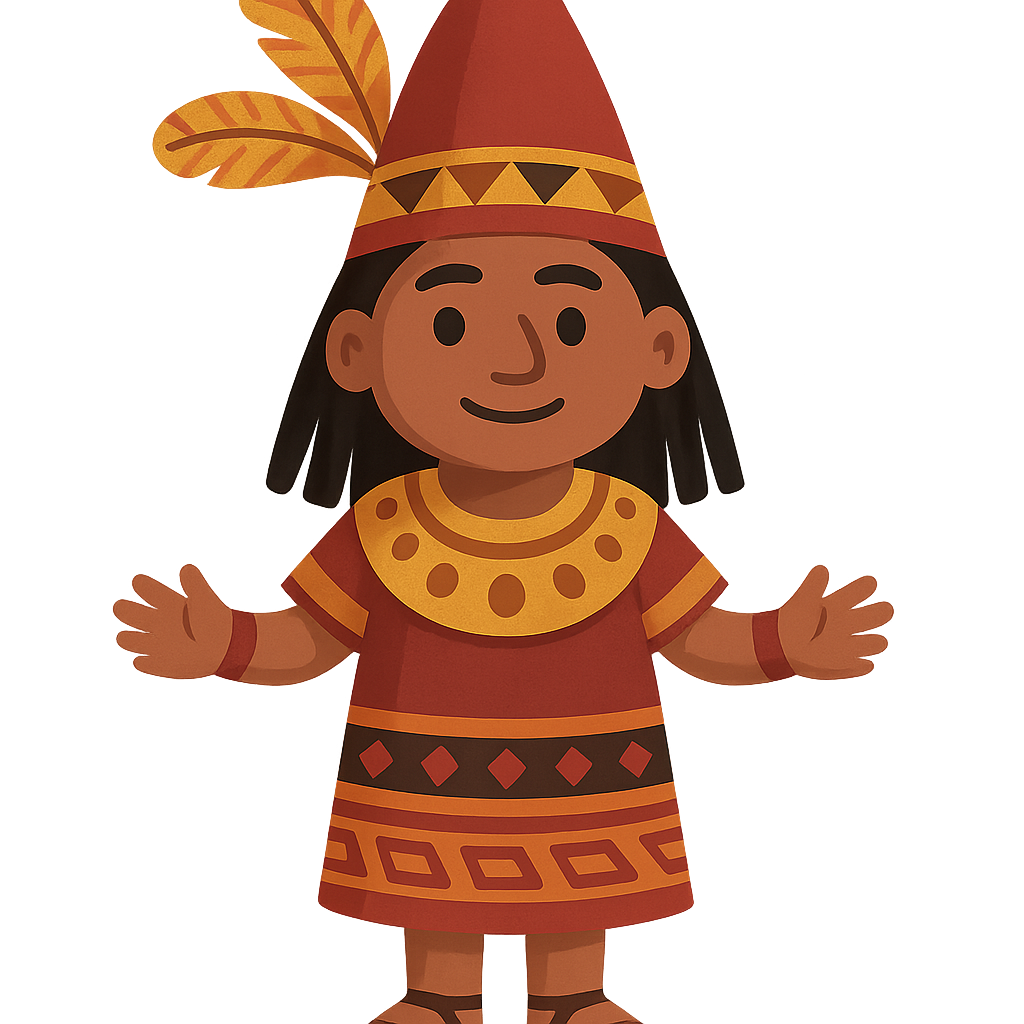
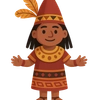
Hello! We are the Nazca people, and we want to share our story with you. Our communities lived a very long time ago, along the coast of the land that is now called Peru. Our home was a special place, but it was also a challenging one. We lived in a desert, which is a very dry and sandy environment where it hardly ever rained. The sun was often very bright, and there were not many trees. But we were clever and resourceful, and we learned how to build our lives and grow our families in this unique place. We figured out how to find everything we needed to live well right there in the desert by the sea.
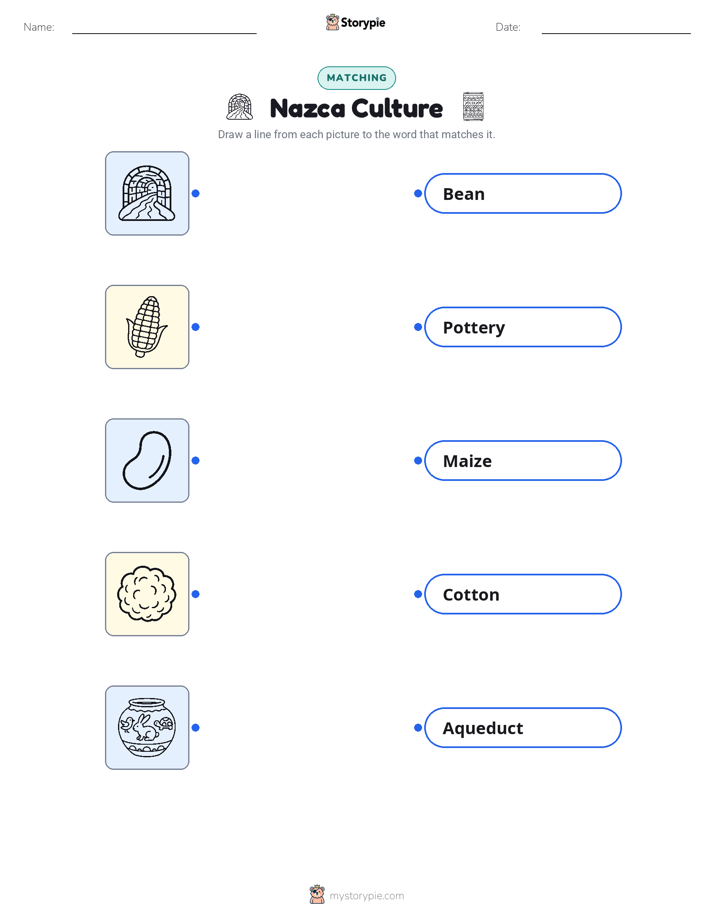
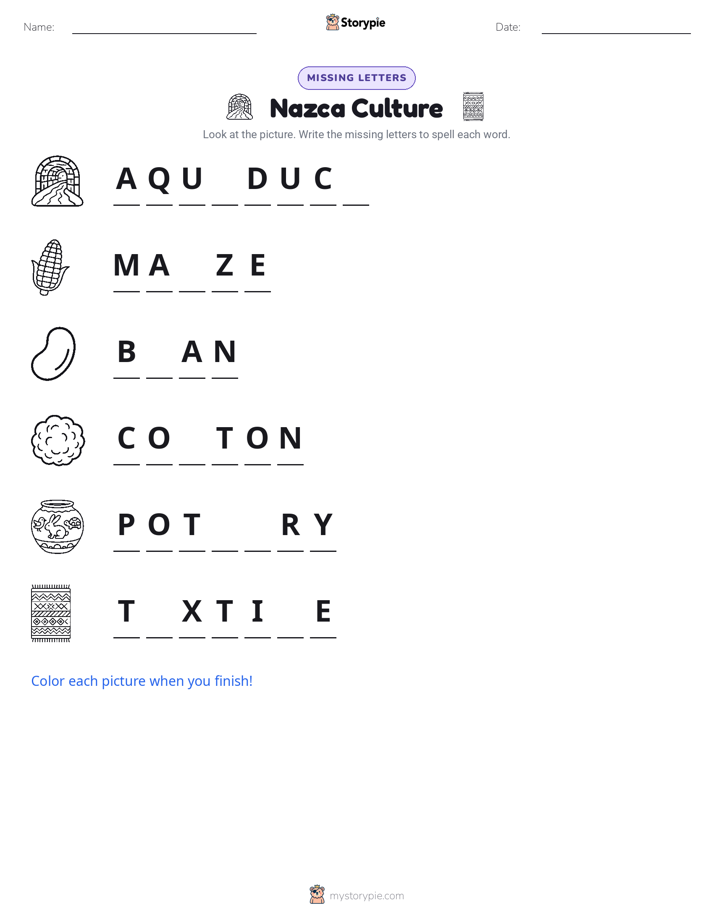
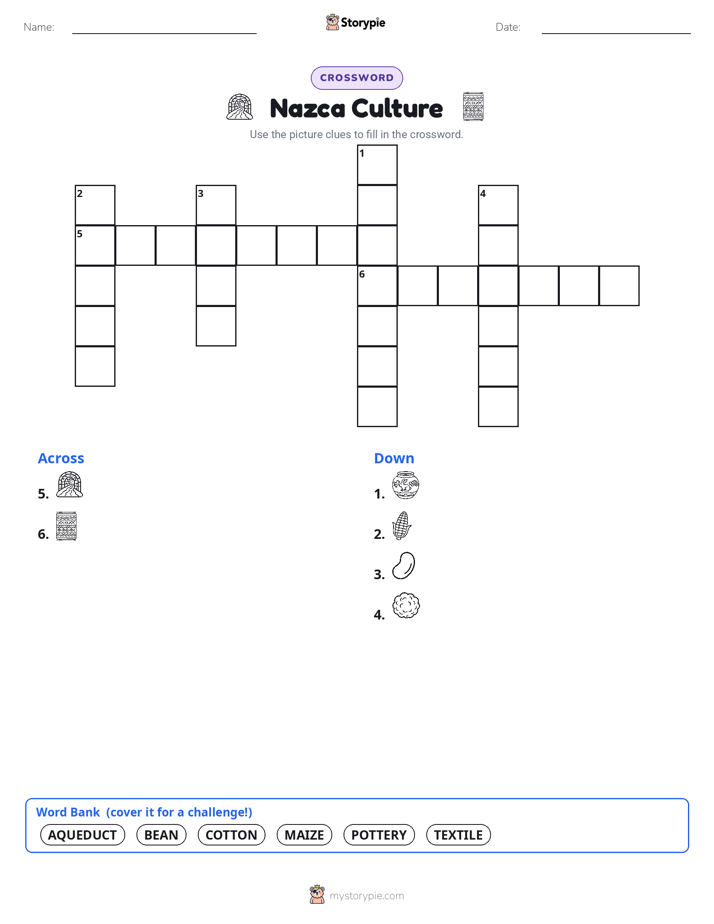
Because our home was a desert, one of our biggest challenges was getting enough water for our crops. To solve this problem, we became great farmers by building something amazing. We built a network of special underground tunnels called puquios. These tunnels worked like secret rivers, hidden deep beneath the sandy ground. They would carry water from sources far away and bring it directly to our fields so we could grow food. Thanks to our clever puquios, our farms were green and full of life. This fresh water allowed us to grow lots of delicious food like corn, beans, and squash to feed all of our families.
We loved to create beautiful things with our hands, and art was an important part of our lives. We were especially known for our colorful pottery. We would gather clay from the earth and shape it into pots, bowls, and jars of all sizes. Then, we would paint them with bright, bold colors. Our paintings showed the world around us. We painted pictures of the birds that flew in the sky and the fish that swam in the ocean. We also painted amazing mythical creatures that came from our imaginations and stories. Each piece of pottery we made was unique, and every design told a small story about our world.
The Desert Artists of Nazca
Hello! We are the Nazca people, and we want to share our story with you. Our communities lived a very long time ago, along the coast of the land that is now called Peru. Our home was a special place, but it was also a challenging one. We lived in a desert, which is a very dry and sandy environment where it hardly ever rained. The sun was often very bright, and there were not many trees. But we were clever and resourceful, and we learned how to build our lives and grow our families in this unique place. We figured out how to find everything we needed to live well right there in the desert by the sea.
Because our home was a desert, one of our biggest challenges was getting enough water for our crops. To solve this problem, we became great farmers by building something amazing. We built a network of special underground tunnels called puquios. These tunnels worked like secret rivers, hidden deep beneath the sandy ground. They would carry water from sources far away and bring it directly to our fields so we could grow food. Thanks to our clever puquios, our farms were green and full of life. This fresh water allowed us to grow lots of delicious food like corn, beans, and squash to feed all of our families.
We loved to create beautiful things with our hands, and art was an important part of our lives. We were especially known for our colorful pottery. We would gather clay from the earth and shape it into pots, bowls, and jars of all sizes. Then, we would paint them with bright, bold colors. Our paintings showed the world around us. We painted pictures of the birds that flew in the sky and the fish that swam in the ocean. We also painted amazing mythical creatures that came from our imaginations and stories. Each piece of pottery we made was unique, and every design told a small story about our world.
While we enjoyed making small pots, we also created some of the biggest works of art you can imagine. We made them right on the desert floor! To create these giant pictures, we carefully cleared away the dark, reddish rocks that covered the ground. Underneath, the soil was a lighter color. By moving the dark rocks, we could draw huge lines and shapes that stood out against the desert landscape. We drew many different things, including animals like a monkey with a curling tail, a spider with long legs, and a beautiful hummingbird with its wings spread wide. These drawings are so enormous that you can’t see what they are when you are standing next to them. You have to climb to the top of a high hill or even fly in an airplane to see the whole picture.
Our culture is from a time long past, but we have not been forgotten. The amazing things we created have lasted for hundreds and hundreds of years. Today, people from all over the world can still see the things we made. Scientists, called archaeologists, carefully study our giant drawings on the desert floor and our colorful pottery. By looking at our art, they can learn about how we lived, what we ate, and what was important to us. Our art is like a message we left behind for the future. It helps people today remember who the Nazca people were and the clever and beautiful things we did in our desert home.
Wow facts
About
The Nazca culture was an ancient civilization that flourished on the arid southern coast of Peru from approximately 100 BCE to 800 CE. They are renowned for their ceramics, textiles, and the creation of enormous geoglyphs known as the Nazca Lines.
Take a Quiz
Question 1 of 4
What did the Nazca people build to bring water to their farms?
Want to do even more?
Go beyond exploring. Unlock tools that turn every story into real learning.

Storypie Plus for families
Full stories, quizzes, and printables. Nights and car rides, sorted.
- Unlimited audio stories
- Create Mode: your child stars in the story
- Offline downloads
- Printable worksheets & coloring pages

Why Storypie for Schools
Students engaged. Prep in seconds. Evenings back to you.
- Worksheets & Quizzes
- Classroom Management
- Formative Assessment
- Custom Curriculum & Lesson Plans
- 27 Languages

Why Storypie for Homeschool
Curriculum done. They'll ask for more. Hours back in your day.
- Worksheet Generator
- First-Person Audio Stories
- Built-in Comprehension Quizzes
- Custom Curriculum & Lesson Plans
- Print & Go Activities