English

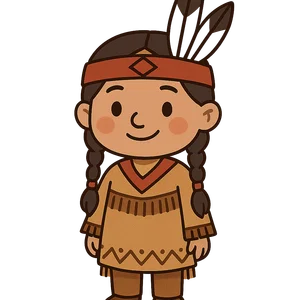
Sioux
The Sioux are a large group of Native American people in North America…
Reads at Grades 3–5 Listens at Grades 1–5
Print & create
Answer keys·No prep·Free with an account
28 worksheets · answer keys · full story · quiz · Ages 8-10 · CEFR B1
Plus adds 164,000+ more stories in 27 languages, audio for every one, and printables for all of them.
Just want Sioux?
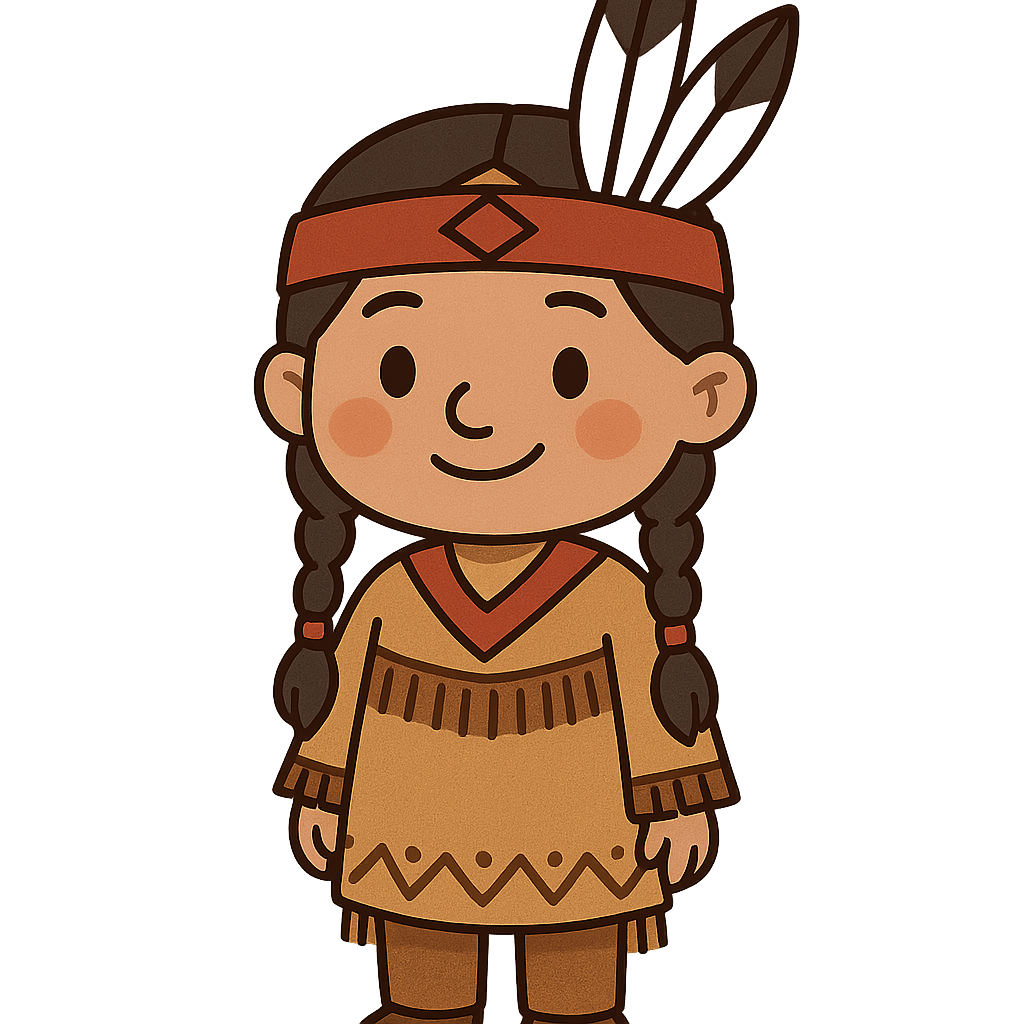
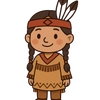
Hello. We have a story to share with you. While you may have heard us called the 'Sioux,' that is a name given to us by others. We call ourselves the Oceti Sakowin, which means the Seven Council Fires. This name describes how our people are organized. We are a large group of related communities made up of three main divisions: the Dakota, the Nakota, and the Lakota. Each of these divisions has its own distinct dialect and traditions, but we are all connected as one people.
Our story did not begin on the great open grasslands. Our ancestors originated in the woodlands of the Great Lakes region, where forests and water shaped our lives. But over time, we began a long journey, migrating west from our woodland home. We traveled until we reached the vast, rolling grasslands of the Great Plains. This new environment was very different from the forests we had left behind, and it would come to define a new chapter in our history, changing how we lived, hunted, and traveled.
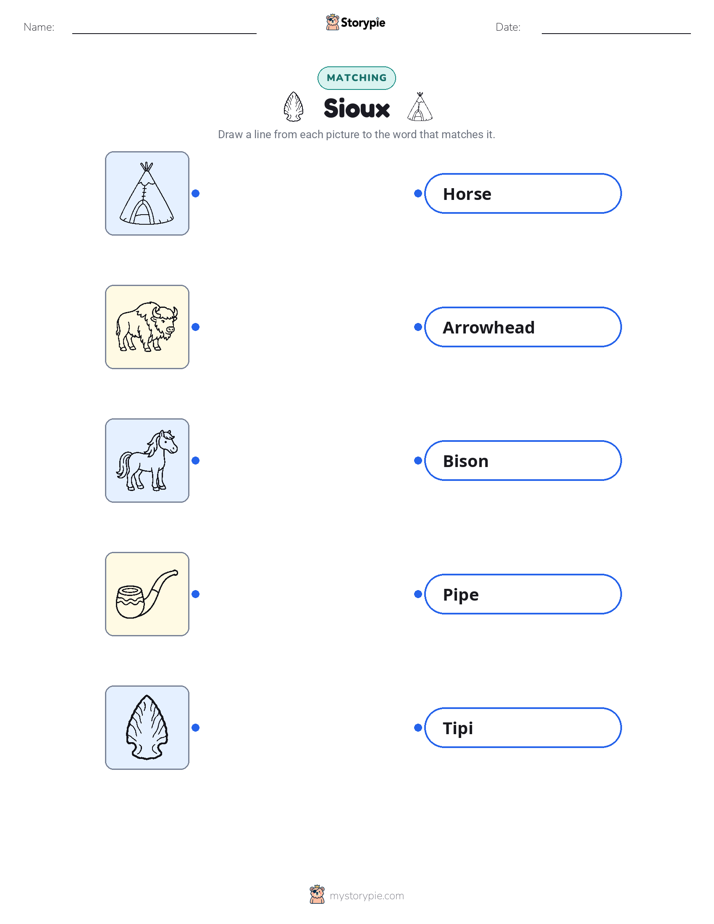
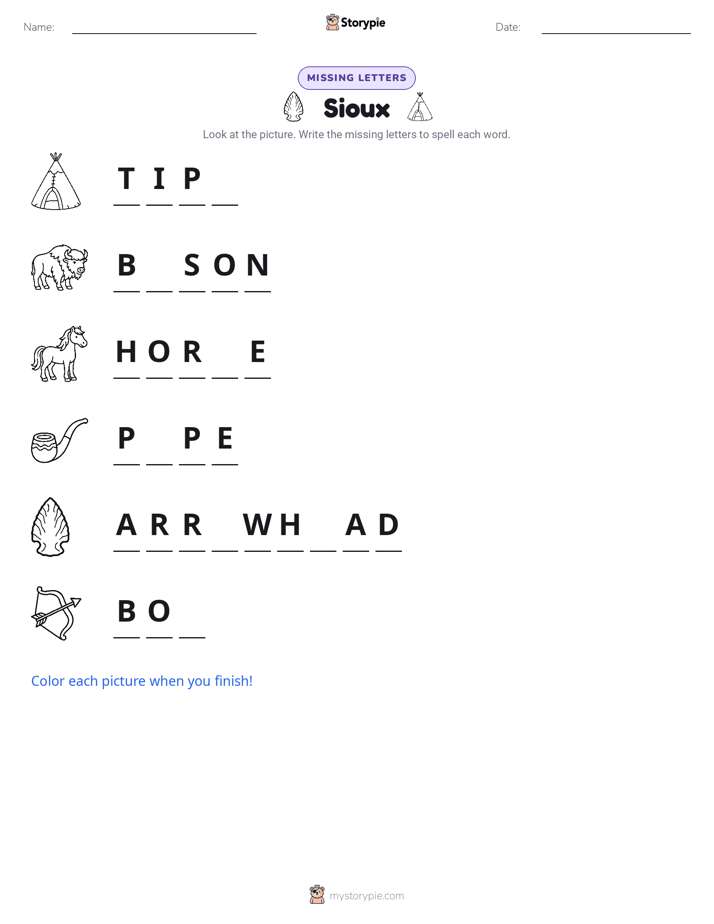
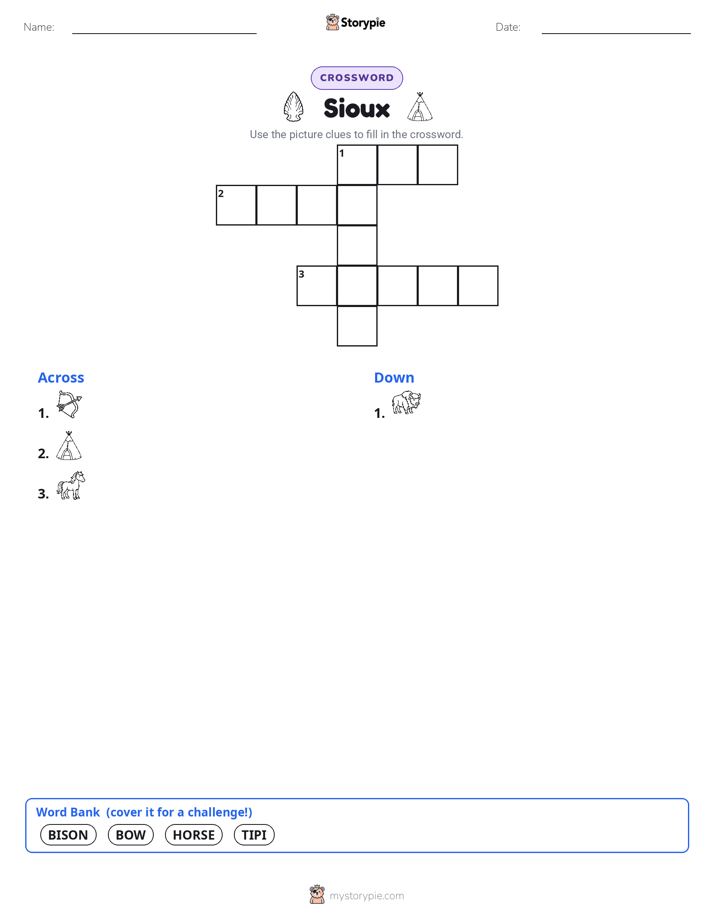
On the Great Plains, our entire way of life came to revolve around one magnificent animal: the American bison. We followed the great herds as they moved across the land, and this sacred animal provided everything our communities needed to thrive. The bison gave us food to eat and kept our families strong. Its thick hide was used to create the coverings for our tipi homes, which were easy to take down and move as we followed the herds. We also used the hides to make warm clothing to protect us from the harsh winters. Even the bones were valuable, as we carefully shaped them into tools for daily tasks. Nothing was wasted.
We Are the Oceti Sakowin
Hello. We have a story to share with you. While you may have heard us called the 'Sioux,' that is a name given to us by others. We call ourselves the Oceti Sakowin, which means the Seven Council Fires. This name describes how our people are organized. We are a large group of related communities made up of three main divisions: the Dakota, the Nakota, and the Lakota. Each of these divisions has its own distinct dialect and traditions, but we are all connected as one people.
Our story did not begin on the great open grasslands. Our ancestors originated in the woodlands of the Great Lakes region, where forests and water shaped our lives. But over time, we began a long journey, migrating west from our woodland home. We traveled until we reached the vast, rolling grasslands of the Great Plains. This new environment was very different from the forests we had left behind, and it would come to define a new chapter in our history, changing how we lived, hunted, and traveled.
On the Great Plains, our entire way of life came to revolve around one magnificent animal: the American bison. We followed the great herds as they moved across the land, and this sacred animal provided everything our communities needed to thrive. The bison gave us food to eat and kept our families strong. Its thick hide was used to create the coverings for our tipi homes, which were easy to take down and move as we followed the herds. We also used the hides to make warm clothing to protect us from the harsh winters. Even the bones were valuable, as we carefully shaped them into tools for daily tasks. Nothing was wasted.
A major change came to our lives in the 1700s with the arrival of the horse. Before we had horses, we traveled and hunted on foot. But horses allowed us to travel much farther and faster than ever before. We quickly became expert riders and hunters. Riding alongside the thundering bison herds, we became masters of the Plains, able to provide for our families and defend our territories across the wide-open country.
At the center of our lives is the family and community. The most important unit of our society is the 'tiyospaye,' which is our extended family group, including grandparents, aunts, uncles, and cousins. In our communities, elders are deeply respected. We turn to them for their wisdom, life experience, and knowledge of our traditions, which they pass down to the next generation. Children are considered a gift to everyone, so they are raised by the whole community, not just by their parents. Every adult plays a role in teaching and protecting the young. We are taught to live by four important values: bravery in the face of challenges, generosity toward others, fortitude to endure difficult times, and the wisdom to make good decisions for our people.
In the 1800s, our way of life faced great challenges as settlers began moving west onto our lands. To protect our territory, our leaders signed treaties with the United States government. One of the most important was the Fort Laramie Treaty of 1868. This treaty promised to protect our lands, including the Paha Sapa, the sacred Black Hills of South Dakota. For us, the Black Hills are the heart of everything that is. However, the promise was broken when gold was discovered there. Thousands of miners rushed onto our land, ignoring the treaty. This betrayal led to war as we fought to defend our homes and our sacred sites. During this time, in 1876, our warriors won a major victory at the Battle of the Little Bighorn.
Today, the Oceti Sakowin are a strong and modern people. Our communities are spread across North America, with many of our people living on reservations and in cities. We are working hard to keep our cultures and our languages alive for future generations. We gather for ceremonies and powwows, where we share our songs, dances, and stories. We honor our ancestors and the values they taught us while also making our own contributions to the world. You will find us working as artists, leaders, teachers, doctors, and in many other professions, carrying the spirit of the Seven Council Fires forward.
Wow facts
About
The Sioux are a large group of Native American people in North America, composed of three major divisions: the Dakota, Lakota, and Nakota. Historically centered on the Great Plains, their culture was renowned for skilled horsemanship and bison hunting.
Take a Quiz
Question 1 of 5
What is the name the people in the story use for themselves, which means 'Seven Council Fires'?
Explore next




Want to do even more?
Go beyond exploring. Unlock tools that turn every story into real learning.

Storypie Plus for families
Full stories, quizzes, and printables. Nights and car rides, sorted.
- Unlimited audio stories
- Create Mode: your child stars in the story
- Offline downloads
- Printable worksheets & coloring pages

Why Storypie for Schools
Students engaged. Prep in seconds. Evenings back to you.
- Worksheets & Quizzes
- Classroom Management
- Formative Assessment
- Custom Curriculum & Lesson Plans
- 27 Languages

Why Storypie for Homeschool
Curriculum done. They'll ask for more. Hours back in your day.
- Worksheet Generator
- First-Person Audio Stories
- Built-in Comprehension Quizzes
- Custom Curriculum & Lesson Plans
- Print & Go Activities