English

Achaemenid Empire
The Achaemenid Empire, also known as the First Persian Empire…
Reads at Grades 6–8 Listens at Grades 4–8
Print & create
Answer keys·No prep·Free with an account
28 worksheets · answer keys · full story · quiz · Ages 10-12 · CEFR B2
Plus adds 164,000+ more stories in 27 languages, audio for every one, and printables for all of them.
Just want Achaemenid Empire?
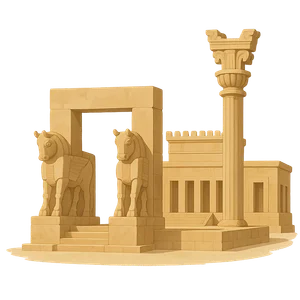
My body stretched across the known world, a vast quilt of landscapes stitched together. In one part of me, snow-capped mountains clawed at the sky, while in another, sun-scorched deserts shimmered with heat. My shores were kissed by the gentle waves of the Mediterranean Sea, and my eastern edges reached all the way to the mighty Indus River. Within my embrace lived countless peoples, each with their own gods, their own tongues, and their own ways of life. You could hear the chatter of merchants in bustling marketplaces, the songs of farmers in fertile valleys, and the quiet prayers of priests in ancient temples. I was a world unto myself, a chorus of a hundred different voices singing one powerful song of unity. My veins were roads of stone and dust, carrying soldiers, messengers, and traders from one end of my existence to the other. For centuries, my heart beat strong, a testament to a grand and daring idea. I am the Achaemenid Empire, the first Persian Empire, and my story is carved into the heart of the world.
My story begins with a visionary leader, a man named Cyrus the Great. Around 550 BCE, he looked at a world torn apart by constant conquest and had a revolutionary thought. What if an empire could be built not just on strength, but on respect. He believed that true power came from uniting people, not dominating them. When his armies entered a new land, he did not destroy its temples or outlaw its customs. Instead, he invited its people to become part of a larger family, promising to protect their ways of life. In 539 BCE, after he peacefully entered the great city of Babylon, this promise was written down on a small clay barrel known today as the Cyrus Cylinder. It declared that all people had the right to their own beliefs and that those who had been captured could return to their homelands. This small object was a powerful symbol of a new kind of rule, a declaration of human rights that still inspires leaders today. Under the guidance of Cyrus, I grew from a small kingdom into a vast, multicultural empire founded on a dream of unity and tolerance.
The Empire of Many Voices
My body stretched across the known world, a vast quilt of landscapes stitched together. In one part of me, snow-capped mountains clawed at the sky, while in another, sun-scorched deserts shimmered with heat. My shores were kissed by the gentle waves of the Mediterranean Sea, and my eastern edges reached all the way to the mighty Indus River. Within my embrace lived countless peoples, each with their own gods, their own tongues, and their own ways of life. You could hear the chatter of merchants in bustling marketplaces, the songs of farmers in fertile valleys, and the quiet prayers of priests in ancient temples. I was a world unto myself, a chorus of a hundred different voices singing one powerful song of unity. My veins were roads of stone and dust, carrying soldiers, messengers, and traders from one end of my existence to the other. For centuries, my heart beat strong, a testament to a grand and daring idea. I am the Achaemenid Empire, the first Persian Empire, and my story is carved into the heart of the world.
My story begins with a visionary leader, a man named Cyrus the Great. Around 550 BCE, he looked at a world torn apart by constant conquest and had a revolutionary thought. What if an empire could be built not just on strength, but on respect. He believed that true power came from uniting people, not dominating them. When his armies entered a new land, he did not destroy its temples or outlaw its customs. Instead, he invited its people to become part of a larger family, promising to protect their ways of life. In 539 BCE, after he peacefully entered the great city of Babylon, this promise was written down on a small clay barrel known today as the Cyrus Cylinder. It declared that all people had the right to their own beliefs and that those who had been captured could return to their homelands. This small object was a powerful symbol of a new kind of rule, a declaration of human rights that still inspires leaders today. Under the guidance of Cyrus, I grew from a small kingdom into a vast, multicultural empire founded on a dream of unity and tolerance.
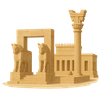
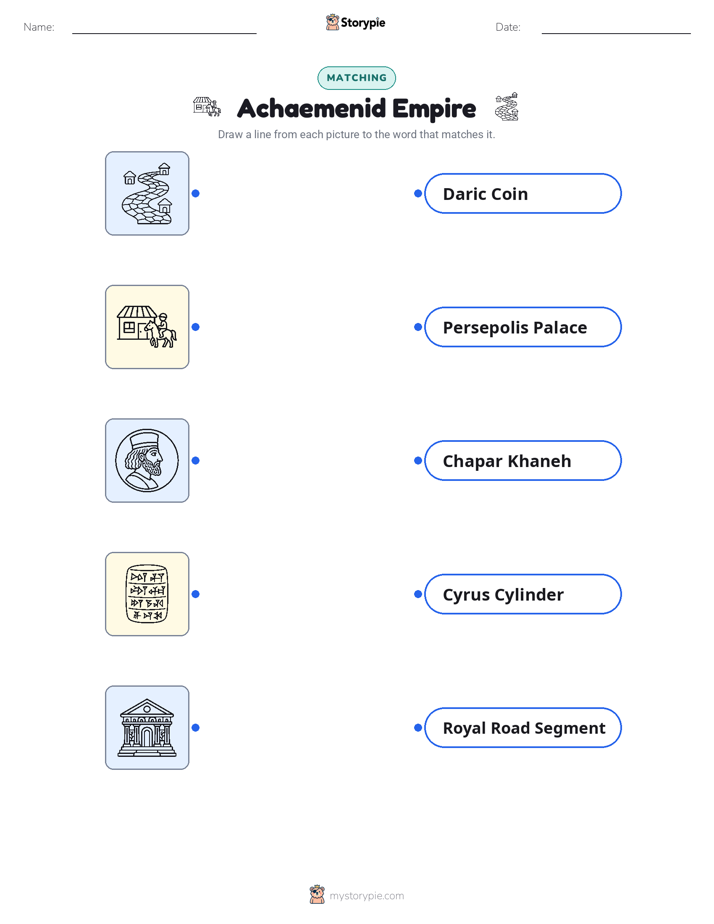
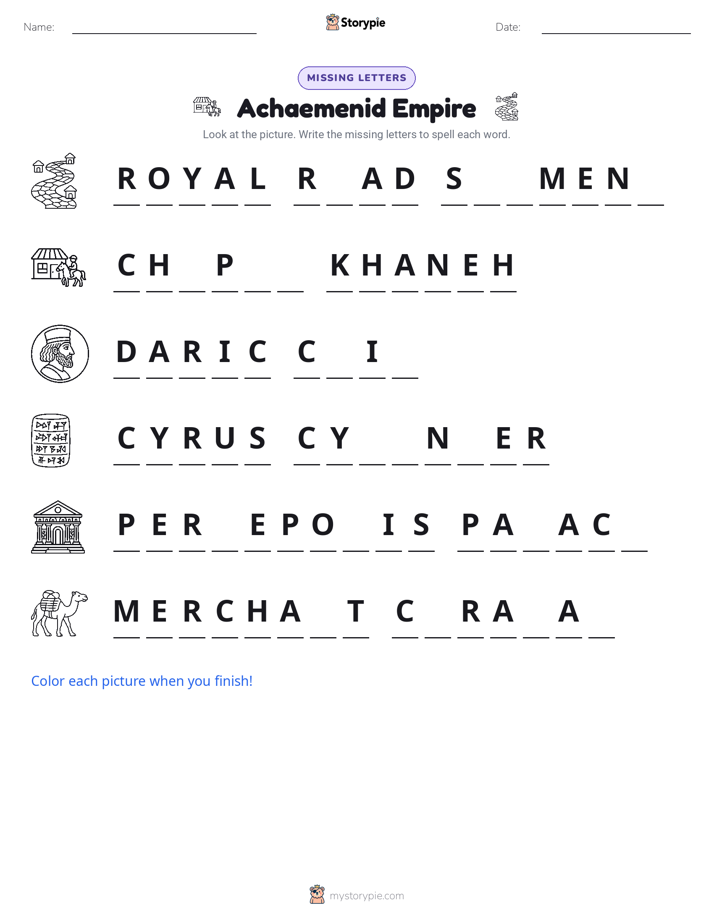
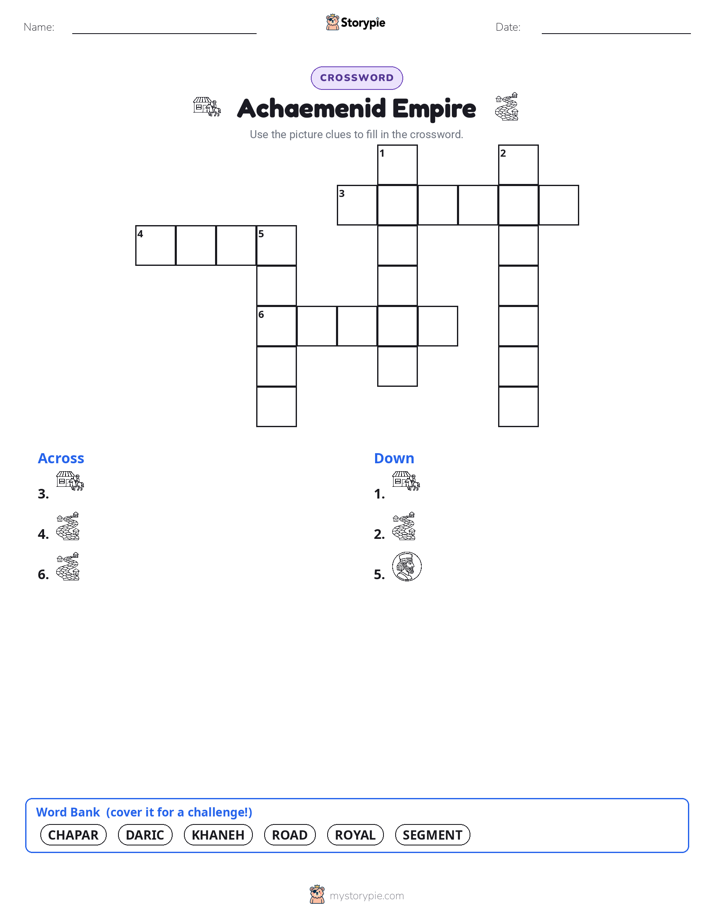
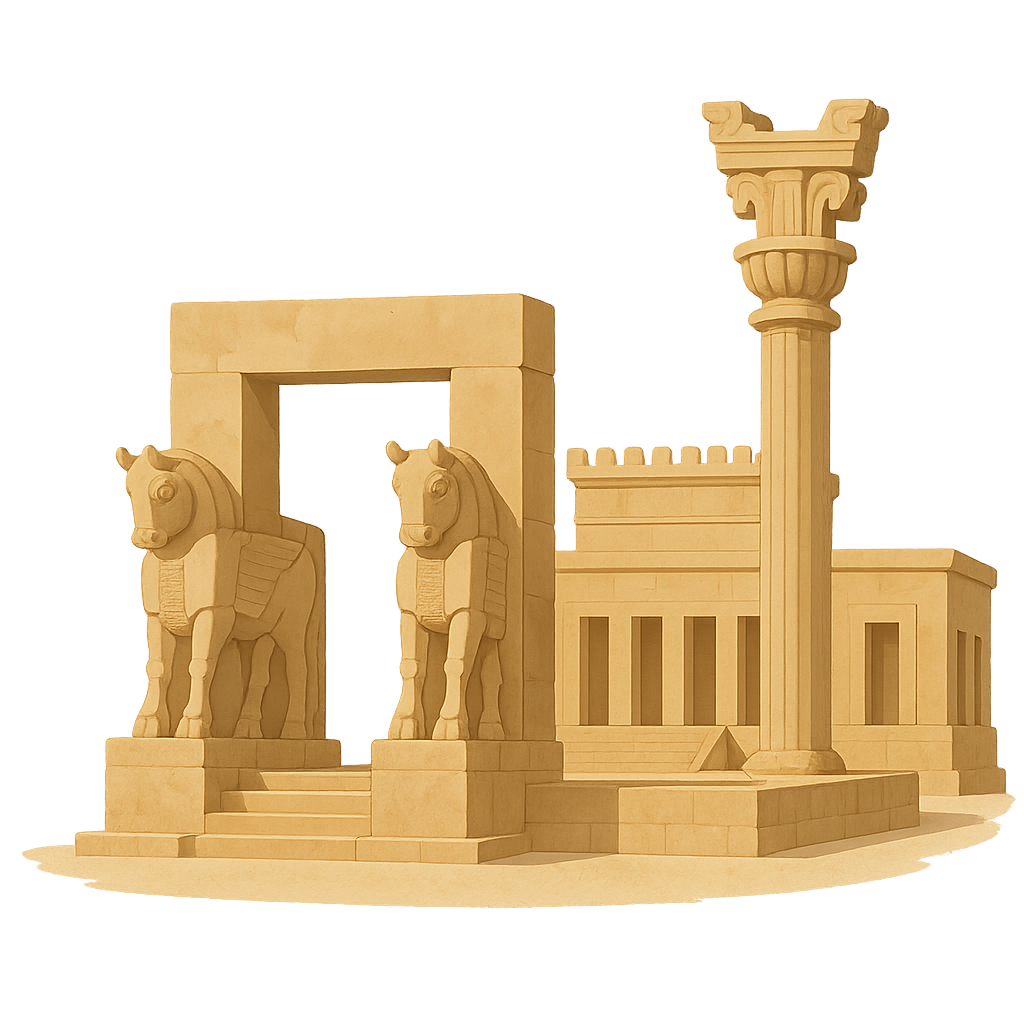
After Cyrus laid my foundation, it was a man named Darius I who designed the magnificent structure that I would become. Taking the throne in 522 BCE, Darius was a genius of organization. He knew that to hold such a diverse family of nations together, I needed more than just a shared ideal; I needed a system. Around 515 BCE, he began the construction of my ceremonial capital, Persepolis, a breathtaking city of palaces and grand halls designed to showcase the unity and wealth of my many peoples. To connect my sprawling lands, he established the Royal Road, a true superhighway stretching over 1,600 miles. Along this road, he created the world’s first major postal service, the Chapar Khaneh, with relay stations where messengers could get fresh horses, allowing urgent messages to travel from one end of the empire to the other in about a week. This was incredibly fast for the ancient world. To make trade simpler and fairer for everyone, from the farmers in Egypt to the merchants in India, Darius introduced a standard gold coin, the daric. With these innovations, I was no longer just a collection of territories. I was a smoothly running, prosperous, and interconnected civilization, a marvel of ancient engineering and administration.
Of course, my long life was not without its challenges. To my west lay the city-states of Greece, a civilization with very different ideas about the world. Our encounters led to a series of conflicts known as the Greco-Persian Wars. Events like the Battle of Marathon in 490 BCE and the Battle of Thermopylae in 480 BCE, led by Darius’s son Xerxes I, were not just battles for land; they were a clash of two powerful cultures, each shaping the other in unexpected ways. For decades, we tested each other's strength and resolve. But a new and unstoppable force was rising in the west. In the 330s BCE, a brilliant young general named Alexander the Great led his armies out of Macedon. He was a military genius, and his campaign across my lands was swift and decisive. His arrival marked the end of an era for me. He brought with him Greek culture, language, and ideas, and my world was about to be transformed in a way no one could have predicted.
In 330 BCE, my great capital, Persepolis, fell to Alexander’s army, and its burning palaces marked the end of my rule as a single, unified empire. But the end of my physical form was not the end of my spirit. A fire can destroy a building, but it cannot destroy an idea. My innovations in administration, my system of roads and communication, and most importantly, my dream of a multicultural society built on tolerance and respect, did not vanish into smoke. Instead, these ideas blended with the Greek culture that Alexander brought, creating a new, vibrant synthesis that would influence civilizations for centuries to come. Though my physical borders have faded, my spirit lives on. I am an echo in the ruins of Persepolis, a lesson in the history books, and a timeless dream of a world where many different people can live together in peace and respect.
Wow facts
About
The Achaemenid Empire, also known as the First Persian Empire, was an ancient Iranian empire founded by Cyrus the Great in 550 BCE. It was the largest empire of the ancient world, known for its centralized administration, multicultural policy, and infrastructure projects like the Royal Road.
Take a Quiz
Question 1 of 5
What is the main lesson the Achaemenid Empire hopes to teach us through its story?
Explore next



Want to do even more?
Go beyond exploring. Unlock tools that turn every story into real learning.

Storypie Plus for families
Full stories, quizzes, and printables. Nights and car rides, sorted.
- Unlimited audio stories
- Create Mode: your child stars in the story
- Offline downloads
- Printable worksheets & coloring pages

Why Storypie for Schools
Students engaged. Prep in seconds. Evenings back to you.
- Worksheets & Quizzes
- Classroom Management
- Formative Assessment
- Custom Curriculum & Lesson Plans
- 27 Languages

Why Storypie for Homeschool
Curriculum done. They'll ask for more. Hours back in your day.
- Worksheet Generator
- First-Person Audio Stories
- Built-in Comprehension Quizzes
- Custom Curriculum & Lesson Plans
- Print & Go Activities