English

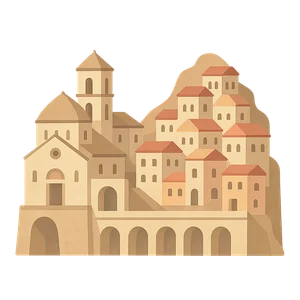
Amalfi Coast
A stunning stretch of coastline in Southern Italy, renowned for its sheer cliffs, picturesque towns…
Reads at Grades 3–5 Listens at Grades 1–5
Print & create
Answer keys·No prep·Free with an account
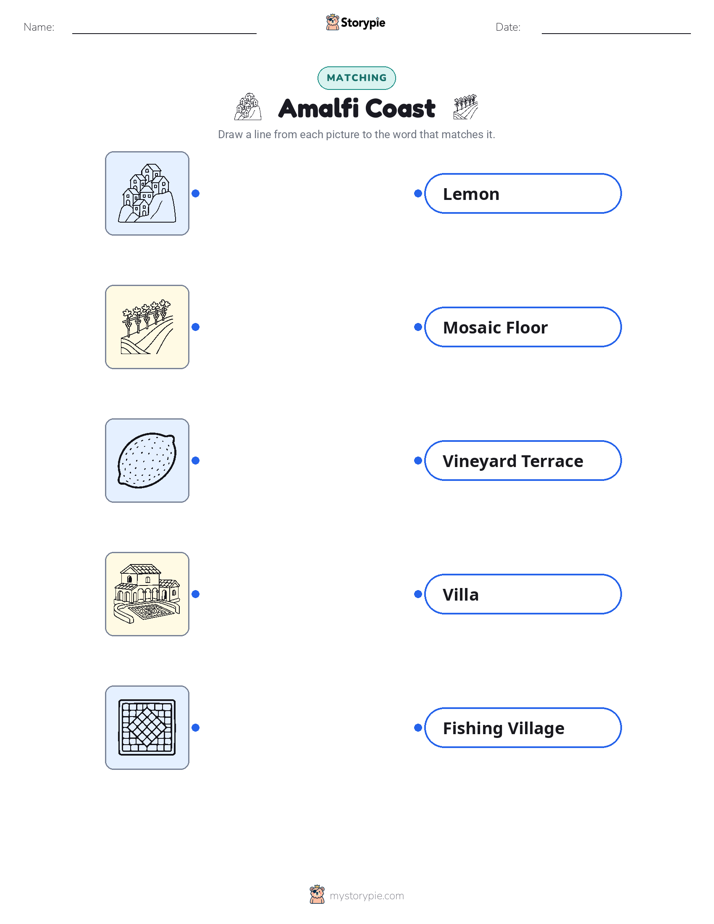
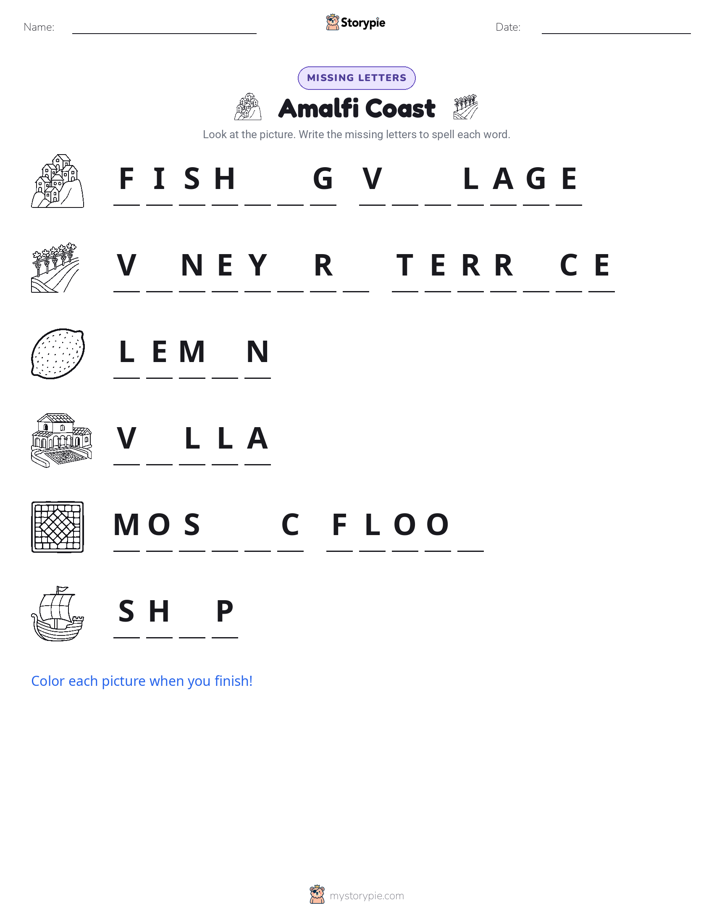
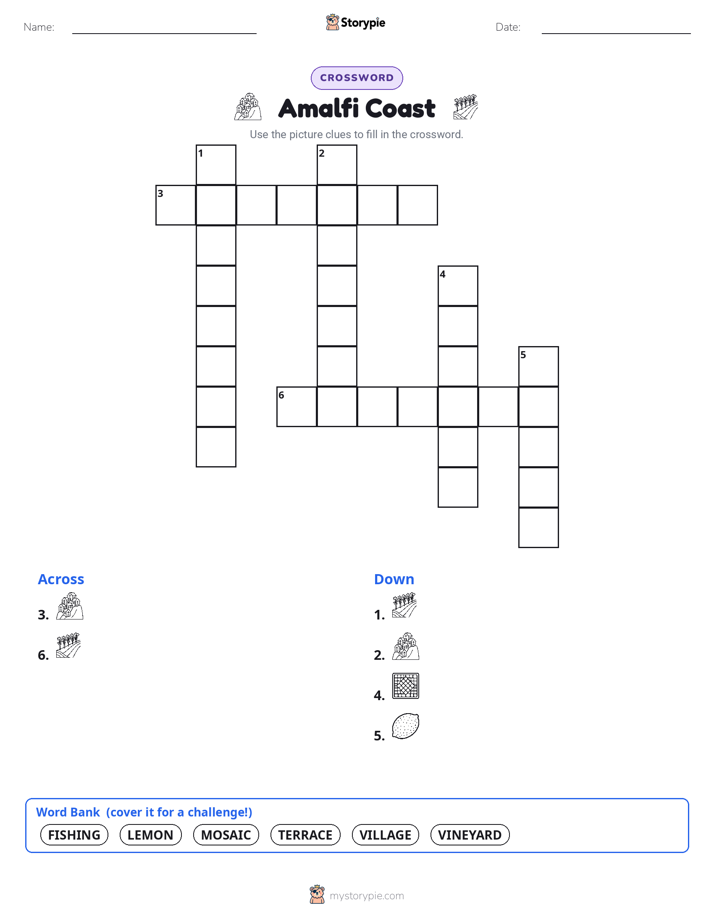
28 worksheets · answer keys · full story · quiz · Ages 8-10 · CEFR B1
Plus adds 208,000+ more stories in 27 languages, audio for every one, and printables for all of them.
Just want Amalfi Coast?
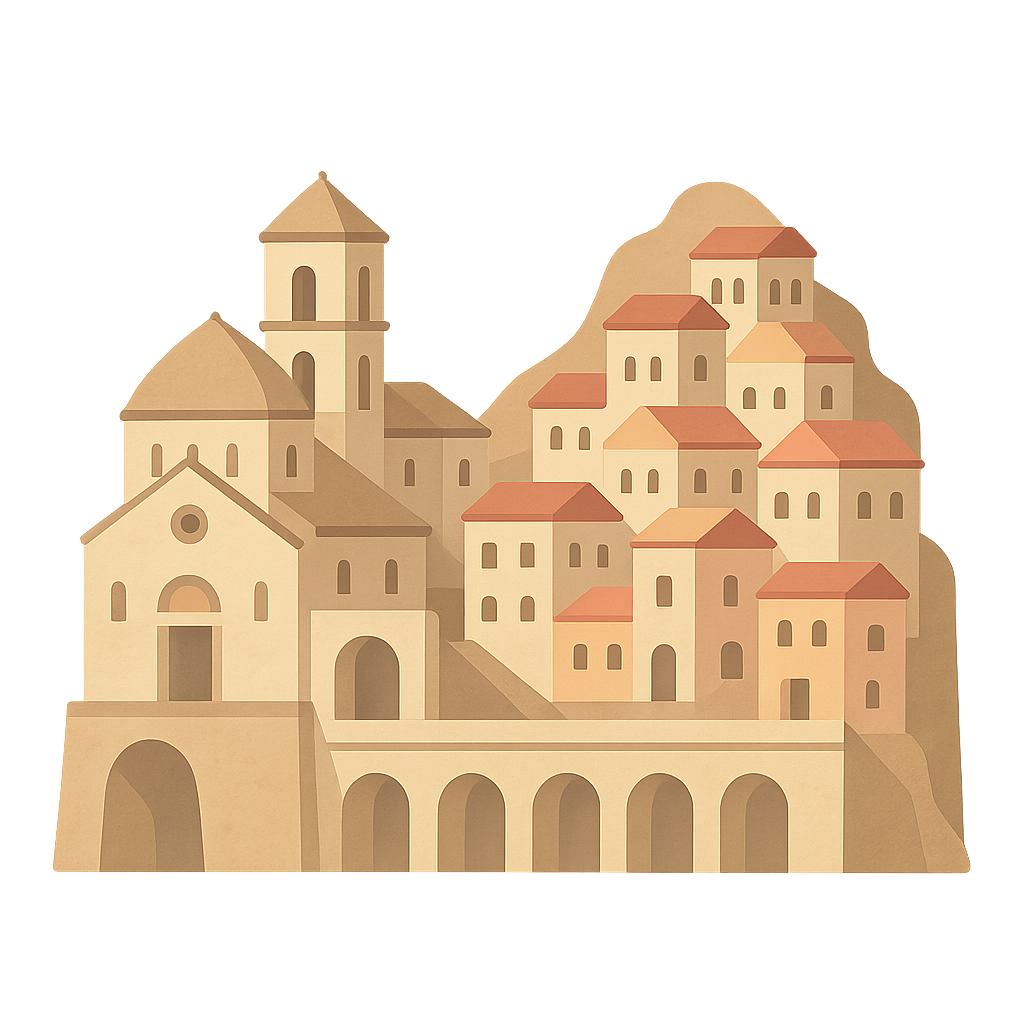
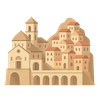
Imagine the feeling of warm sun on your skin and the sweet smell of lemon trees mixing with the salty sea air. Picture little houses painted in every color—pink, yellow, and orange—tumbling down steep cliffs like a jumble of bright jewels scattered toward a sparkling blue sea. From a distance, my towns look like a box of spilled crayons, each one a splash of life against the green mountains and deep blue water. For centuries, I have rested here, a hidden treasure on the edge of a famous country. People come from all over the world to see my beauty, to walk my winding paths, and to listen to the waves whisper secrets against my shores. I am a place of stories, of brave sailors, and of artists who tried to capture my magic. I am the Amalfi Coast, a special treasure on the edge of Italy.
My story stretches back a very long time, long before my colorful houses were painted. Around the 1st century CE, wealthy Romans from the great city of Rome discovered my peaceful shores. They saw me as a perfect escape from their busy city lives. They built grand homes, called villas, right on my cliffs, with large gardens that overlooked the sea. Inside, they decorated their floors with beautiful pictures made from tiny, colorful tiles called mosaics. For them, I was a place of peace and rest. But I was also very isolated. For hundreds of years, my small towns were not connected by roads. The only ways to travel between them were by boat on the shimmering sea or by following steep, winding paths on the backs of sure-footed mules. It was a quiet, secluded life, nestled between the mountains and the water.
A String of Jewels by the Sea
Imagine the feeling of warm sun on your skin and the sweet smell of lemon trees mixing with the salty sea air. Picture little houses painted in every color—pink, yellow, and orange—tumbling down steep cliffs like a jumble of bright jewels scattered toward a sparkling blue sea. From a distance, my towns look like a box of spilled crayons, each one a splash of life against the green mountains and deep blue water. For centuries, I have rested here, a hidden treasure on the edge of a famous country. People come from all over the world to see my beauty, to walk my winding paths, and to listen to the waves whisper secrets against my shores. I am a place of stories, of brave sailors, and of artists who tried to capture my magic. I am the Amalfi Coast, a special treasure on the edge of Italy.
My story stretches back a very long time, long before my colorful houses were painted. Around the 1st century CE, wealthy Romans from the great city of Rome discovered my peaceful shores. They saw me as a perfect escape from their busy city lives. They built grand homes, called villas, right on my cliffs, with large gardens that overlooked the sea. Inside, they decorated their floors with beautiful pictures made from tiny, colorful tiles called mosaics. For them, I was a place of peace and rest. But I was also very isolated. For hundreds of years, my small towns were not connected by roads. The only ways to travel between them were by boat on the shimmering sea or by following steep, winding paths on the backs of sure-footed mules. It was a quiet, secluded life, nestled between the mountains and the water.
During the Middle Ages, my quiet life began to change dramatically. One of my towns, Amalfi, grew strong and brave. Around the year 839 CE, it became the center of a powerful and independent state called the Duchy of Amalfi. My people were no longer just quiet fishermen; they became some of the most skilled sailors in the world. Their mighty ships sailed across the entire Mediterranean Sea, a massive and sometimes dangerous body of water. They traded precious goods like fragrant spices from the East and soft, shining silk. They were smart and organized, too. In the 12th century, they created the 'Tavole Amalfitane', which was a famous rulebook for all sailors. It had laws about how to share cargo and how to act during storms, making the seas safer and fairer for everyone. During their travels, my people also learned the secret of making paper from the Arab world and brought it back here, making Amalfi one of the first places in Europe to produce it. But life wasn't always easy. In the year 1343, a powerful tsunami crashed against my shores, changing my coastline forever. It was a great challenge, but it could not break my people's strong spirit.
Centuries passed, and a new kind of visitor began to arrive at my shores. Starting in the 18th and 19th centuries, wealthy young artists, writers, and thinkers from all over Europe began traveling on what they called the 'Grand Tour'. It was a trip to see the world's greatest art and most beautiful landscapes, and I was one of their favorite stops. They were amazed by my dramatic cliffs that plunged into the sea and my charming, colorful villages. Painters set up their easels to capture the unique light, while poets and authors wrote stories and poems about my breathtaking beauty. Their art and words traveled back home with them, sharing my magic with people who had never seen me. It was during this time, in the 19th century, that a great change came. Engineers built a magnificent coastal road, a true marvel that twisted and turned along my cliffs. This road finally connected all of my towns by land, making it easier for everyone to explore my wonders.
Today, my life is filled with the happy sounds of people from every corner of the globe. I am proud to say that in the year 1997, I was given a very special honor. I was named a UNESCO World Heritage Site, which means I am recognized as a natural and cultural treasure for all of humanity to protect and enjoy. Visitors come to taste my sweet lemons, which are used to make a delicious drink called limoncello. They swim in my turquoise waters and get happily lost in the narrow, winding streets of my villages. I am a place where the incredible beauty of nature and the amazing creativity of people have come together in perfect harmony. My story reminds everyone to protect beautiful places and inspires them to create their own art, stories, and adventures.
Wow facts
About
A stunning stretch of coastline in Southern Italy, renowned for its sheer cliffs, picturesque towns, and rich history as a medieval maritime power.
Take a Quiz
Question 1 of 5
What does it mean when the story says the towns look like a 'box of spilled crayons'?
Explore next


Want to do even more?
Go beyond exploring. Unlock tools that turn every story into real learning.

Storypie Plus for families
Full stories, quizzes, and printables. Nights and car rides, sorted.
- Unlimited audio stories
- Create Mode: your child stars in the story
- Offline downloads
- Printable worksheets & coloring pages

Why Storypie for Schools
Students engaged. Prep in seconds. Evenings back to you.
- Worksheets & Quizzes
- Classroom Management
- Formative Assessment
- Custom Curriculum & Lesson Plans
- 27 Languages

Why Storypie for Homeschool
Curriculum done. They'll ask for more. Hours back in your day.
- Worksheet Generator
- First-Person Audio Stories
- Built-in Comprehension Quizzes
- Custom Curriculum & Lesson Plans
- Print & Go Activities