English

Ancestral Puebloans (Cliff Dwellers)
The Ancestral Puebloans were an ancient Native American culture centered in the Four Corners region of the…
Reads at Grades 6–8 Listens at Grades 4–8
Print & create
Answer keys·No prep·Free with an account
28 worksheets · answer keys · full story · quiz · Ages 10-12 · CEFR B2
Plus adds 279,000+ more stories in 27 languages, audio for every one, and printables for all of them.
Just want Ancestral Puebloans (Cliff Dwellers)?
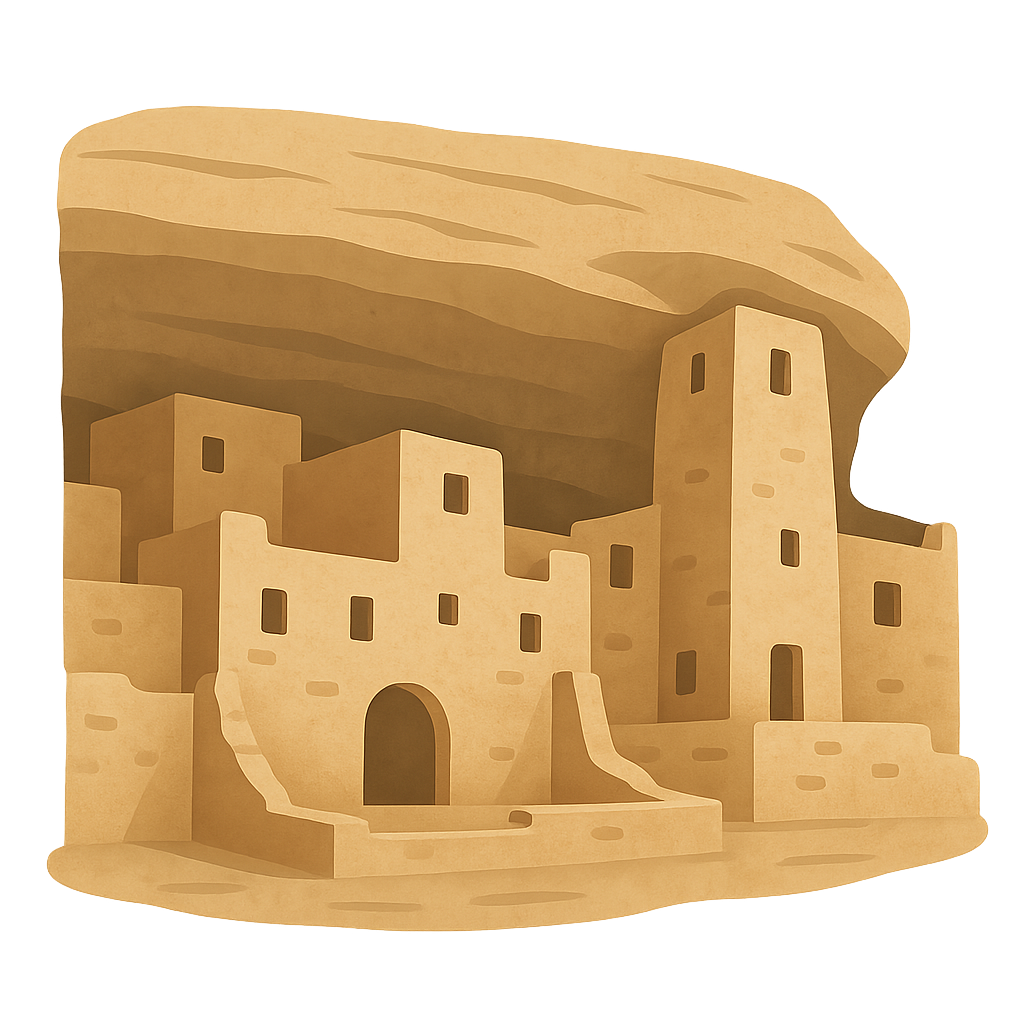
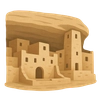
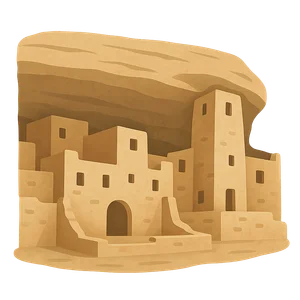
I am a city carved from rose-colored sandstone, nestled high in the arms of a canyon cliff in southwestern Colorado. My rooms are quiet now, but my walls remember the echoes of voices, the scent of woodsmoke from juniper fires, and the warmth of the sun on stone. I am not one building, but many—a village of over 150 rooms stacked one on top of the other, reaching for the sky from my sheltered alcove. Below me, the world stretches out in a sea of green juniper and piñon pine. For centuries, I have watched the seasons turn, from the deep snows of winter to the hot, dry sun of summer. To see me, you have to look up, to a place that seems almost impossible to reach. I am Cliff Palace, and my story is the story of my builders, the Ancestral Puebloans. They were artists, farmers, and engineers who found a home in the heart of the rock, and for a time, I was the largest and most vibrant dwelling of my kind in all of North America. My existence is a testament to their ingenuity and their deep connection to this rugged land.
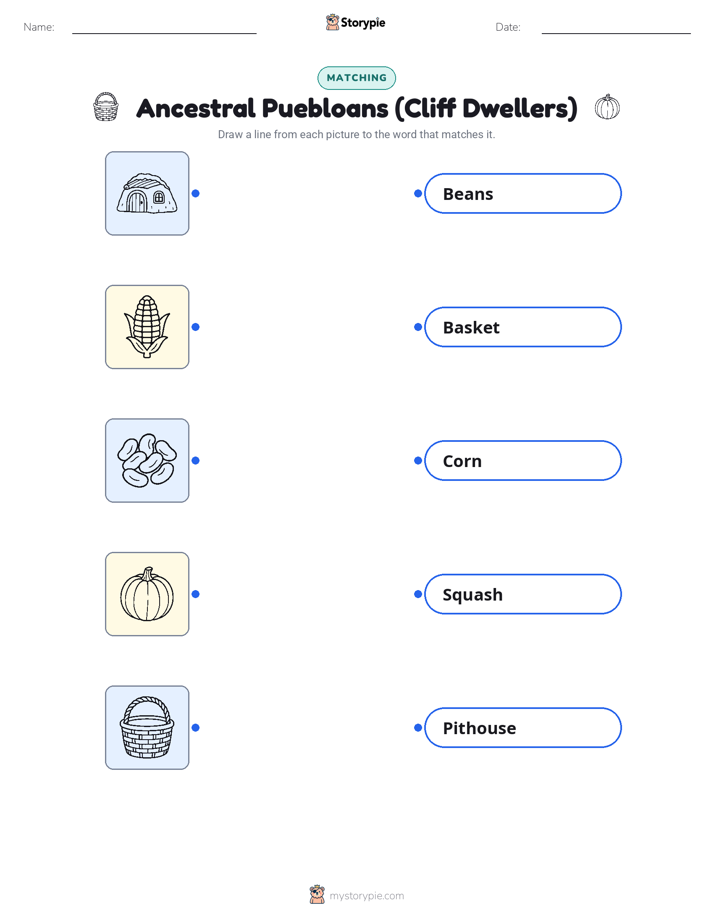
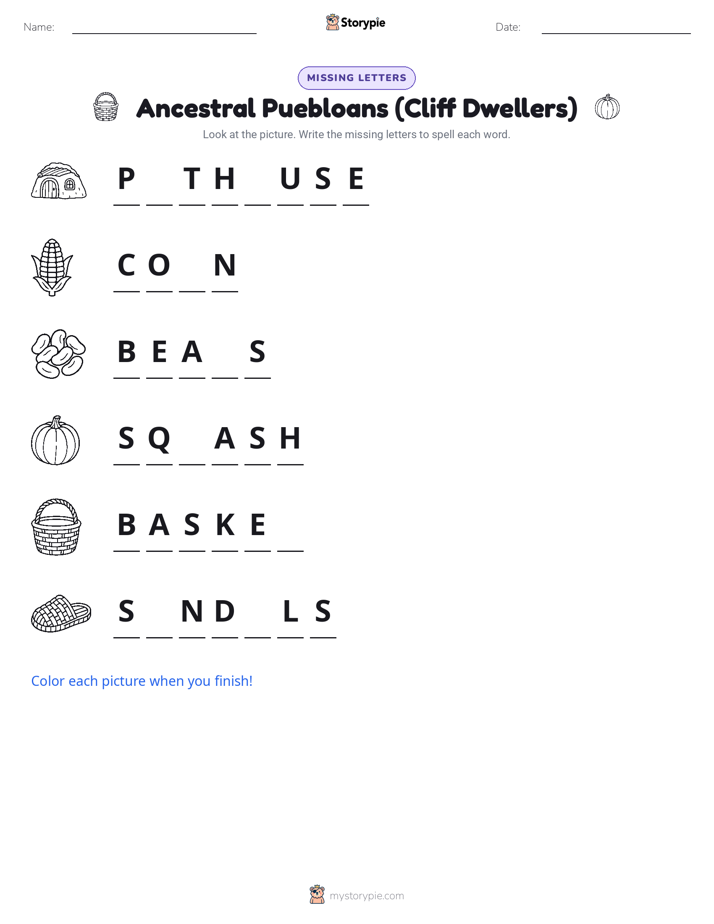
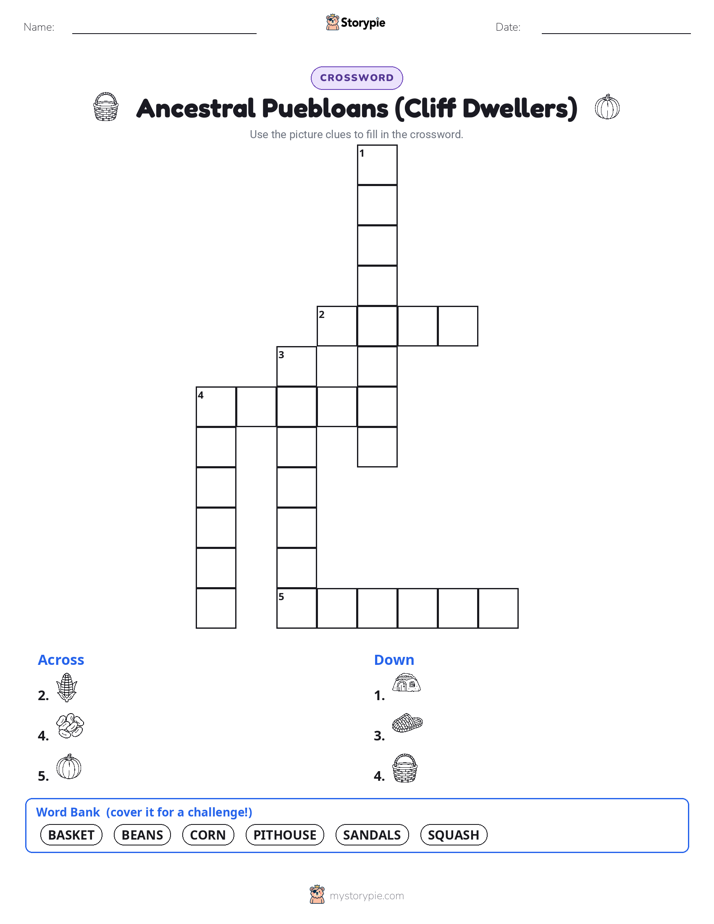
Long before I was built into this cliff, my people lived up above, on the flat-topped mountains called mesas. Their story here began long before my stones were ever laid. Starting around the year 550 CE, they lived in homes dug partially into the earth, called pithouses, which kept them warm in the winter and cool in the summer. I watched from afar as they learned and grew, becoming expert farmers who cultivated fields of corn, beans, and squash, the “Three Sisters” that sustained them. They were also master weavers, crafting intricate baskets and comfortable sandals from the tough fibers of the yucca plant. Around 750 CE, a change occurred. They began building their homes above ground, creating larger villages of stone and mortar right on the mesa tops. This was an important step, as they perfected the architectural skills they would one day use to build me. Their communities flourished, and they crafted beautiful black-and-white pottery, each piece decorated with unique geometric designs. They were a thriving society, deeply connected to the rhythm of the seasons and the spirit of the land.
The Stone City in the Cliff
I am a city carved from rose-colored sandstone, nestled high in the arms of a canyon cliff in southwestern Colorado. My rooms are quiet now, but my walls remember the echoes of voices, the scent of woodsmoke from juniper fires, and the warmth of the sun on stone. I am not one building, but many—a village of over 150 rooms stacked one on top of the other, reaching for the sky from my sheltered alcove. Below me, the world stretches out in a sea of green juniper and piñon pine. For centuries, I have watched the seasons turn, from the deep snows of winter to the hot, dry sun of summer. To see me, you have to look up, to a place that seems almost impossible to reach. I am Cliff Palace, and my story is the story of my builders, the Ancestral Puebloans. They were artists, farmers, and engineers who found a home in the heart of the rock, and for a time, I was the largest and most vibrant dwelling of my kind in all of North America. My existence is a testament to their ingenuity and their deep connection to this rugged land.
Long before I was built into this cliff, my people lived up above, on the flat-topped mountains called mesas. Their story here began long before my stones were ever laid. Starting around the year 550 CE, they lived in homes dug partially into the earth, called pithouses, which kept them warm in the winter and cool in the summer. I watched from afar as they learned and grew, becoming expert farmers who cultivated fields of corn, beans, and squash, the “Three Sisters” that sustained them. They were also master weavers, crafting intricate baskets and comfortable sandals from the tough fibers of the yucca plant. Around 750 CE, a change occurred. They began building their homes above ground, creating larger villages of stone and mortar right on the mesa tops. This was an important step, as they perfected the architectural skills they would one day use to build me. Their communities flourished, and they crafted beautiful black-and-white pottery, each piece decorated with unique geometric designs. They were a thriving society, deeply connected to the rhythm of the seasons and the spirit of the land.
Then, in the late 1100s, something shifted in the heart of my people. Perhaps for protection from the elements or for reasons of community and spirit, they began to look to the deep, arching canyon alcoves for a new kind of home. My construction began around 1190 CE and continued for nearly a century. Using sandstone blocks they carefully shaped by hand and a strong mortar of mud and water, they constructed my walls, fitting them perfectly to the contours of the cliff. They were brilliant engineers, hauling giant wooden beams from the forests on the mesas to build my floors and roofs. Life within my stone walls was bustling and full of energy. I was a vibrant city, home to more than one hundred people. I had rooms for families to live in, chambers to store the precious harvest of corn, and over twenty special round rooms called kivas. Dug into the ground, these kivas were the heart of their community and spiritual life, where ceremonies were held and stories were passed down through generations. From my balconies, I heard children laugh and play, and I watched families gather as the sun set, painting the canyon in breathtaking shades of orange, purple, and red.
For about a century, I was a happy, thriving, and secure home. But the world outside my protective alcove was changing in a way no one could control. By the late 1200s, the seasons grew harsh. The life-giving rains came less and less often. A long, serious drought began around 1276 CE and lasted for more than two decades, making it incredibly difficult to grow crops on the mesas above. The springs in the canyon began to dry up. After generations of living in this place, my people made the difficult and heartbreaking decision to move on. By about 1300 CE, they packed their precious belongings and began a great migration, moving south and east toward rivers and lands with more reliable water. They did not disappear; they carried their culture, their beliefs, and their traditions with them. Their descendants are the modern Pueblo people of Arizona and New Mexico, including the Hopi, Zuni, and Rio Grande Pueblos, who still share the oral histories of their ancestors who once called me home.
After my people left, I fell silent for more than five hundred years, a ghost city sleeping in a cliff. The wind whispered through my empty rooms, and my walls held their memories. Then, one snowy day in the winter of 1888, two local cowboys named Richard Wetherill and Charlie Mason were searching for stray cattle when they stumbled upon me through the falling snow. They were awestruck by my size and my incredible state of preservation. Soon, word of my existence spread, and people from all over the world came to see me. To protect me and the thousands of other dwellings in this area from damage, the United States government created Mesa Verde National Park on June 29th, 1906. Today, I am a treasured window to the past. I share the story of the incredible ingenuity, resilience, and deep spirit of the Ancestral Puebloans. I stand as a reminder that a home is more than just stone and wood—it’s a place of community, family, and a connection to the world that can endure for a thousand years.
Wow facts
About
The Ancestral Puebloans were an ancient Native American culture centered in the Four Corners region of the United States, renowned for their mastery of farming in a desert climate and their construction of elaborate cliff dwellings between 1000 and 1300 CE, with the most significant development occurring between 1100 and 1300 CE.
Take a Quiz
Question 1 of 5
What does the story identify as the primary reason the Ancestral Puebloans migrated away from their cliff dwelling homes around 1300 CE?
Explore next



Want to do even more?
Go beyond exploring. Unlock tools that turn every story into real learning.

Storypie Plus for families
Full stories, quizzes, and printables. Nights and car rides, sorted.
- Unlimited audio stories
- Create Mode: your child stars in the story
- Offline downloads
- Printable worksheets & coloring pages

Why Storypie for Schools
Students engaged. Prep in seconds. Evenings back to you.
- Worksheets & Quizzes
- Classroom Management
- Formative Assessment
- Custom Curriculum & Lesson Plans
- 27 Languages

Why Storypie for Homeschool
Curriculum done. They'll ask for more. Hours back in your day.
- Worksheet Generator
- First-Person Audio Stories
- Built-in Comprehension Quizzes
- Custom Curriculum & Lesson Plans
- Print & Go Activities