English

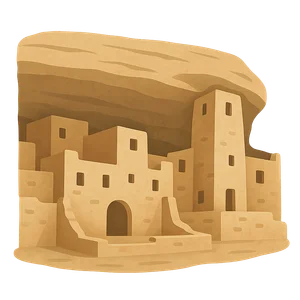
Ancestral Puebloans (Cliff Dwellers)
The Ancestral Puebloans were an ancient Native American culture centered in the Four Corners region of the…
Reads at Grades 3–5 Listens at Grades 1–5
Print & create
Answer keys·No prep·Free with an account
28 worksheets · answer keys · full story · quiz · Ages 8-10 · CEFR B1
Plus adds 279,000+ more stories in 27 languages, audio for every one, and printables for all of them.
Just want Ancestral Puebloans (Cliff Dwellers)?
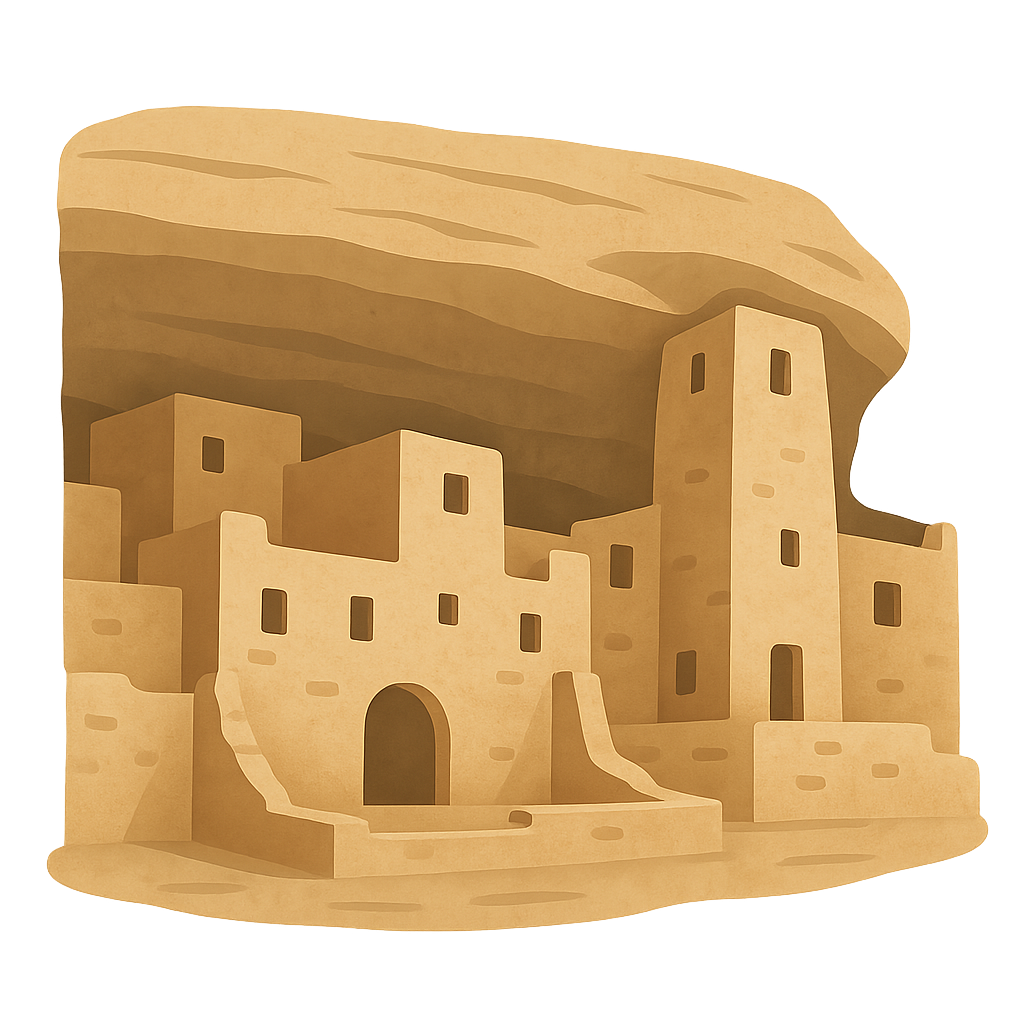
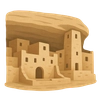
I am tucked into a great, sun-warmed canyon wall in what is now southwestern Colorado. For centuries, I have watched the sun rise and set, casting long shadows across the quiet landscape below. From my high perch, I can see for miles across valleys and flat-topped mountains called mesas. The wind whispers through my empty rooms, carrying echoes of a time long ago. I am a city carved from stone, a secret held in the earth. I am the cliff dwellings of Mesa Verde, the amazing homes built by the Ancestral Puebloan people.
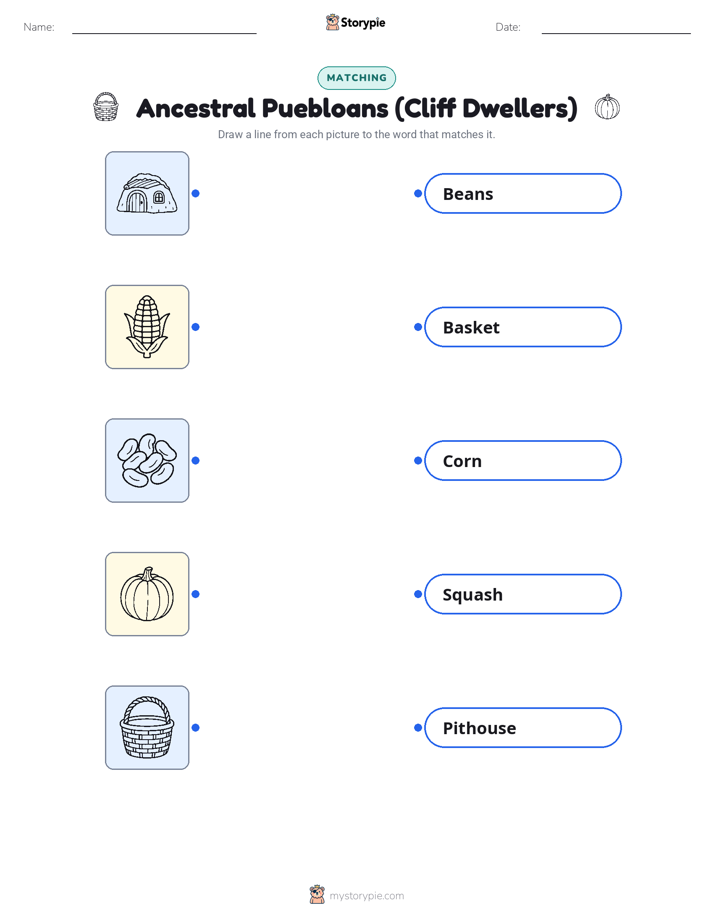
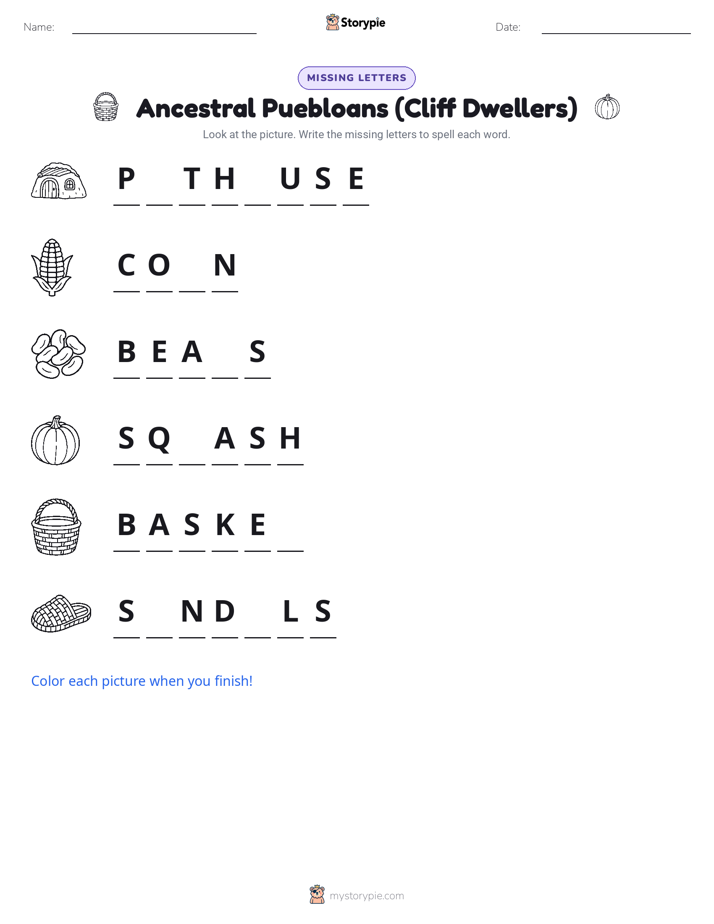
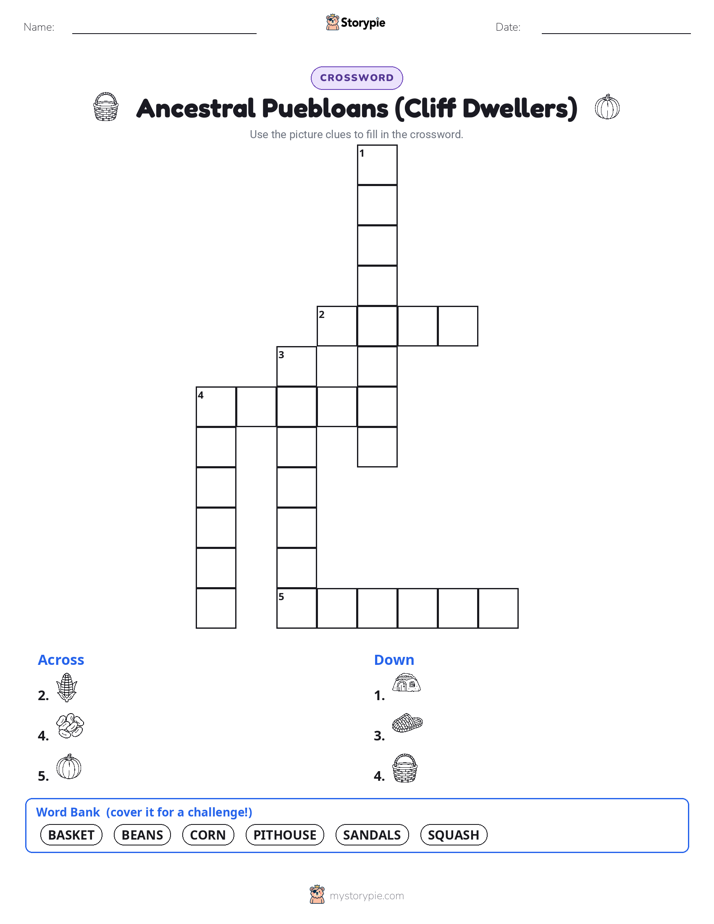
Long before my walls were raised, the first families lived on the mesas high above my canyon. Starting around the year 550 CE, they learned to thrive in this high desert land. They were clever farmers, planting corn, beans, and squash in the rich soil. Their first homes were simple pits dug into the earth, covered with a roof of wood and mud, which archaeologists call pithouses. For more than 600 years, they lived this way, building communities, raising families, and perfecting their skills. They learned the patterns of the sun and the rain, and they grew to understand this land as their own. Their culture grew stronger with each passing generation, as they prepared for the great work that was to come.
Then, something amazing happened. Around the year 1190 CE, the people decided to move. They looked down from the mesas and saw the deep, sheltered alcoves in my cliffs, which would protect them from the hot summer sun and the cold winter snow. They began to build a new kind of home, right inside me. It was an incredible challenge. Men and women cut large blocks of sandstone by hand from the canyon walls. They carried them to the alcoves and carefully stacked them, using a special mud mortar to hold them together. They built living spaces, rooms to store their precious corn, and special round rooms called kivas, which they entered from the roof with a ladder. These kivas were used for important community gatherings and ceremonies. My stone hallways were soon filled with life—the sound of children laughing, the murmur of families talking, and the delicious smell of cooking fires drifting on the wind.
The Stone Village in the Sky
I am tucked into a great, sun-warmed canyon wall in what is now southwestern Colorado. For centuries, I have watched the sun rise and set, casting long shadows across the quiet landscape below. From my high perch, I can see for miles across valleys and flat-topped mountains called mesas. The wind whispers through my empty rooms, carrying echoes of a time long ago. I am a city carved from stone, a secret held in the earth. I am the cliff dwellings of Mesa Verde, the amazing homes built by the Ancestral Puebloan people.
Long before my walls were raised, the first families lived on the mesas high above my canyon. Starting around the year 550 CE, they learned to thrive in this high desert land. They were clever farmers, planting corn, beans, and squash in the rich soil. Their first homes were simple pits dug into the earth, covered with a roof of wood and mud, which archaeologists call pithouses. For more than 600 years, they lived this way, building communities, raising families, and perfecting their skills. They learned the patterns of the sun and the rain, and they grew to understand this land as their own. Their culture grew stronger with each passing generation, as they prepared for the great work that was to come.
Then, something amazing happened. Around the year 1190 CE, the people decided to move. They looked down from the mesas and saw the deep, sheltered alcoves in my cliffs, which would protect them from the hot summer sun and the cold winter snow. They began to build a new kind of home, right inside me. It was an incredible challenge. Men and women cut large blocks of sandstone by hand from the canyon walls. They carried them to the alcoves and carefully stacked them, using a special mud mortar to hold them together. They built living spaces, rooms to store their precious corn, and special round rooms called kivas, which they entered from the roof with a ladder. These kivas were used for important community gatherings and ceremonies. My stone hallways were soon filled with life—the sound of children laughing, the murmur of families talking, and the delicious smell of cooking fires drifting on the wind.
For nearly a century, my rooms were filled with life and warmth. Grandparents told stories to children, artists painted beautiful designs on pottery, and farmers tended their crops on the mesa top. But the earth is always changing, and this land began to change, too. Around the year 1276 CE, the rains stopped coming as often. A long and serious drought began, making the soil dry and cracked. It became harder and harder to grow enough food to feed everyone. The people faced a very difficult decision. After much thought and many ceremonies, they decided they had to leave to find a new home near rivers with more water. It was not a sudden disappearance. Over many years, family by family, they packed their belongings and began a slow, careful migration south. By the year 1300 CE, my rooms had fallen silent once more.
For five hundred years, I slept. I watched the seasons pass, as snow filled my plazas in winter and wildflowers bloomed on the mesa in spring. I was a silent, empty city, holding the memories of the people who had built me. Then, in the late 1800s, new people came. They were ranchers and explorers, and when they saw me, they could not believe their eyes. They were amazed to find a whole village tucked into the cliffs. Word of their discovery spread, and soon many people wanted to see me. To make sure I would be kept safe forever, President Theodore Roosevelt signed a special paper on June 29th, 1906, creating Mesa Verde National Park. This act protected me so that people from all over the world could come and learn my story.
Today, my rooms are quiet, but I am not empty. I am a library of stone, and my walls hold the stories of a clever and resilient people. I am a special link for the modern Pueblo people, who are the descendants of the families that lived here. I connect them to their ancestors and their incredible history. To every visitor who walks through my plazas and climbs my ladders, I teach a lesson about community, creativity, and how to adapt to a changing world. I am more than just a place; I am a memory that has lasted for centuries, and if you listen closely, you can still hear the whispers of the past in my canyons.
Wow facts
About
The Ancestral Puebloans were an ancient Native American culture centered in the Four Corners region of the United States, renowned for their mastery of farming in a desert climate and their construction of elaborate cliff dwellings between 1000 and 1300 CE, with the most significant development occurring between 1100 and 1300 CE.
Take a Quiz
Question 1 of 5
Why did the Ancestral Puebloan people have to leave their homes in the cliffs?
Explore next


Want to do even more?
Go beyond exploring. Unlock tools that turn every story into real learning.

Storypie Plus for families
Full stories, quizzes, and printables. Nights and car rides, sorted.
- Unlimited audio stories
- Create Mode: your child stars in the story
- Offline downloads
- Printable worksheets & coloring pages

Why Storypie for Schools
Students engaged. Prep in seconds. Evenings back to you.
- Worksheets & Quizzes
- Classroom Management
- Formative Assessment
- Custom Curriculum & Lesson Plans
- 27 Languages

Why Storypie for Homeschool
Curriculum done. They'll ask for more. Hours back in your day.
- Worksheet Generator
- First-Person Audio Stories
- Built-in Comprehension Quizzes
- Custom Curriculum & Lesson Plans
- Print & Go Activities