English

Appalachian Mountains
The Appalachian Mountains are a vast system of mountains in eastern North America…
Reads at Grades 6–8 Listens at Grades 4–8
Print & create
Answer keys·No prep·Free with an account
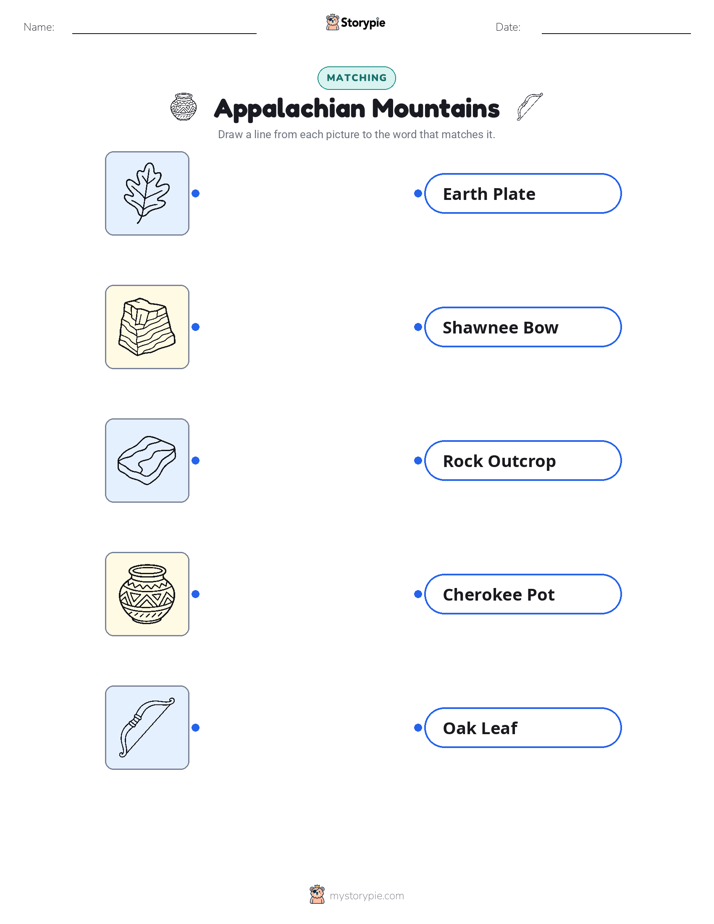
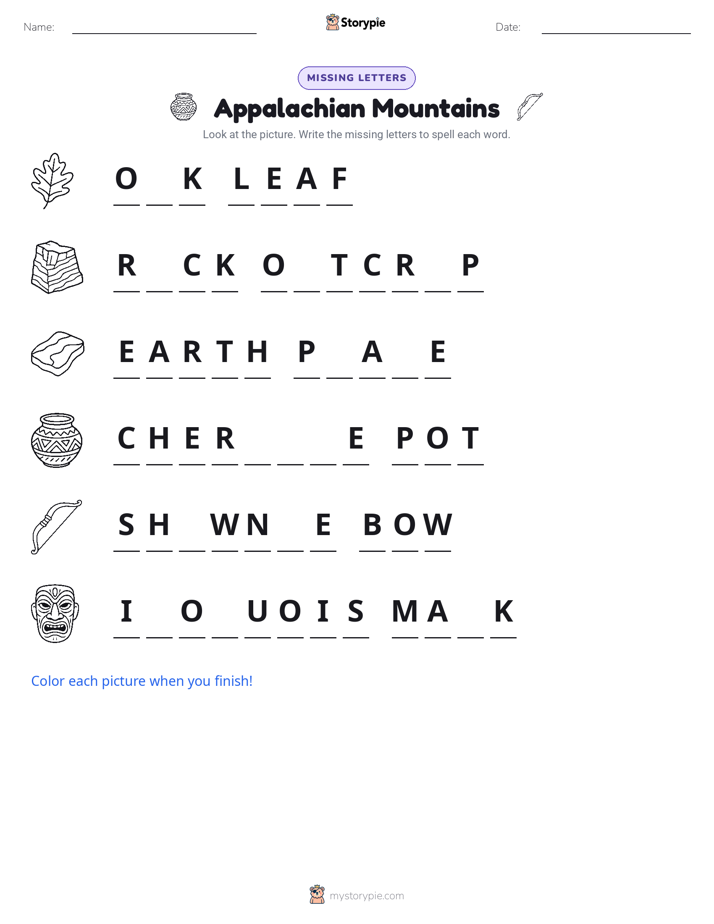
28 worksheets · answer keys · full story · quiz · Ages 10-12 · CEFR B2
Plus adds 102,000+ more stories in 27 languages, audio for every one, and printables for all of them.
Just want Appalachian Mountains?
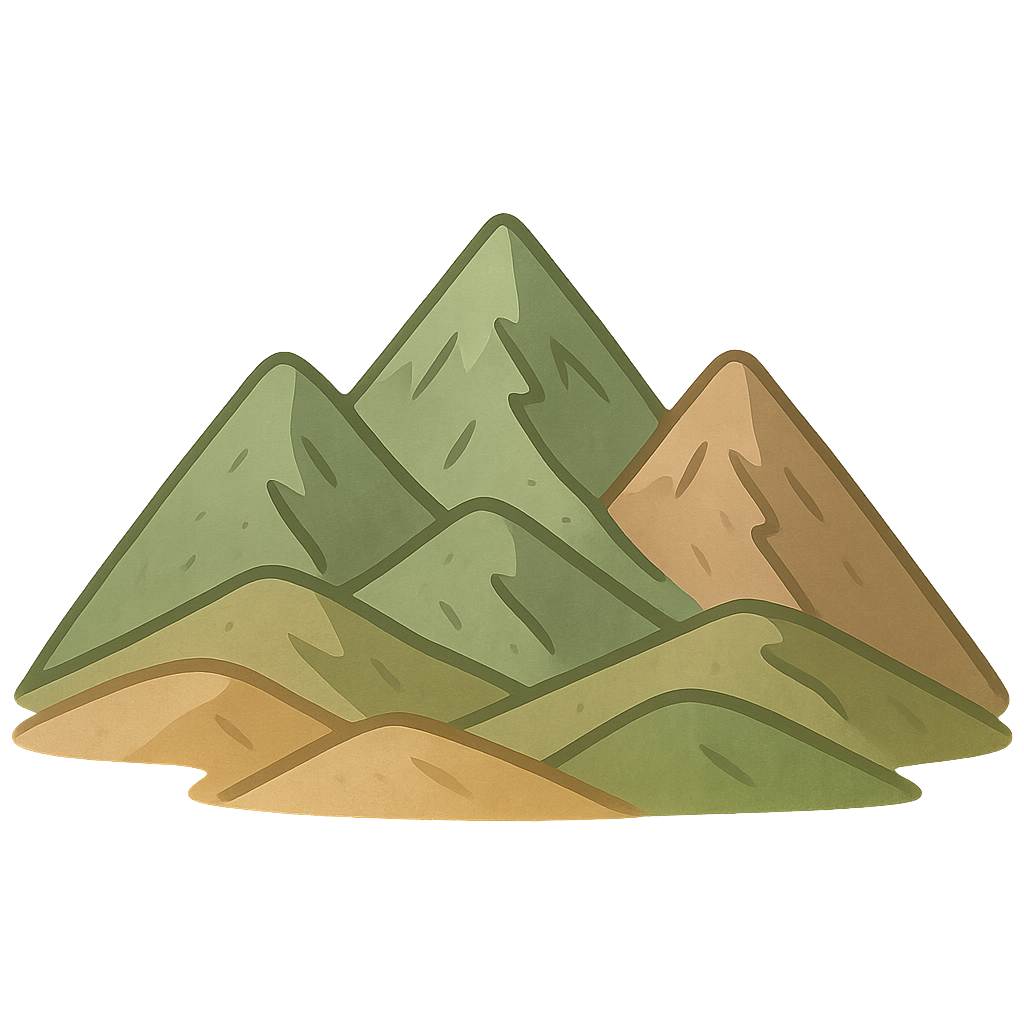
In the quiet of a misty morning, I feel the cool vapor settle into my deepest valleys. The wind whispers through my ancient forests, a sound I have heard for eons. It rustles the leaves of oak, hickory, and maple trees that cling to my slopes. I am a long, rumpled spine on the Earth’s back, a gentle giant stretching over 2,000 miles from the warm air of Alabama all the way to the cool shores of Canada. For ages, I have been a quiet, patient observer of the world changing around me, watching as seasons turned into centuries and centuries into millennia. I have felt the sun warm my rocky outcrops and the snow blanket my highest peaks. I am the Appalachian Mountains, and my story is older than the trees that cover me and deeper than the rivers that carve through me.
My birth was not quiet or gentle. It was a slow, fiery, and incredibly powerful event. Around 300 million years ago, the world was one giant landmass, a supercontinent called Pangaea. The great plates of the Earth's crust were moving, and the lands that would one day become Africa and North America began to push against each other with unimaginable force. This colossal collision, which scientists call the Alleghanian orogeny, squeezed and folded the rock, thrusting me skyward. In my youth, I was not the soft, rounded range you see today. I was as jagged, sharp, and breathtakingly tall as the Himalayas, with peaks that pierced the clouds. But time is a patient sculptor. For millions of years, wind, rain, ice, and flowing rivers worked tirelessly, smoothing my sharp edges, softening my peaks, and carving the gentle hollows and rolling landscapes that now define me. My fiery creation gave way to a long, peaceful age of slow transformation.
The Whispers of the Appalachian Mountains
In the quiet of a misty morning, I feel the cool vapor settle into my deepest valleys. The wind whispers through my ancient forests, a sound I have heard for eons. It rustles the leaves of oak, hickory, and maple trees that cling to my slopes. I am a long, rumpled spine on the Earth’s back, a gentle giant stretching over 2,000 miles from the warm air of Alabama all the way to the cool shores of Canada. For ages, I have been a quiet, patient observer of the world changing around me, watching as seasons turned into centuries and centuries into millennia. I have felt the sun warm my rocky outcrops and the snow blanket my highest peaks. I am the Appalachian Mountains, and my story is older than the trees that cover me and deeper than the rivers that carve through me.
My birth was not quiet or gentle. It was a slow, fiery, and incredibly powerful event. Around 300 million years ago, the world was one giant landmass, a supercontinent called Pangaea. The great plates of the Earth's crust were moving, and the lands that would one day become Africa and North America began to push against each other with unimaginable force. This colossal collision, which scientists call the Alleghanian orogeny, squeezed and folded the rock, thrusting me skyward. In my youth, I was not the soft, rounded range you see today. I was as jagged, sharp, and breathtakingly tall as the Himalayas, with peaks that pierced the clouds. But time is a patient sculptor. For millions of years, wind, rain, ice, and flowing rivers worked tirelessly, smoothing my sharp edges, softening my peaks, and carving the gentle hollows and rolling landscapes that now define me. My fiery creation gave way to a long, peaceful age of slow transformation.
After the ice ages retreated, the first human footsteps fell upon my slopes more than 12,000 years ago. These were my first children, and they learned to live in harmony with my rhythms. Indigenous peoples, including the Cherokee in my southern reaches and the Shawnee and Iroquois to the north, knew my secrets intimately. They created a network of trails that wound through my gaps and along my ridges, like the famous Great Indian Warpath, which served as a vital corridor for travel and trade. They understood which of my plants could heal the sick, where the deer and elk would travel with the seasons, and how to read the language of my streams and forests. They were not just inhabitants. they were my caretakers, and their respect for the land was woven into the fabric of their cultures. Their presence is still felt here, a deep and enduring part of my long story.
For thousands of years, my relationship with people was one of balance. But in the 1700s, a new kind of people arrived—European colonists who saw me not as a home, but as a formidable barrier. To them, I was a massive green wall standing between their coastal settlements and the vast, unknown lands to the west. My dense forests, steep ridges, and winding valleys were incredibly difficult to cross. This challenge called for determined explorers. One of the most famous was Daniel Boone. Beginning in 1775, he and a group of men helped to clear and mark a path that became known as the Wilderness Road. This route snaked through one of my natural breaks, the Cumberland Gap, providing a crucial passage through my otherwise impassable southern ridges. The Wilderness Road was more than a trail. it became a gateway. Hundreds of thousands of settlers poured through the gap, their wagons creaking and their hopes high, as they moved west to build new lives. In doing so, they began to change the map and the destiny of a young nation.
As the world entered the 19th and early 20th centuries, the Industrial Revolution brought a new kind of change to my slopes. People discovered that I held a different kind of treasure deep within my rock: rich, black veins of coal. This powerful stone fueled the nation’s factories, powered its steam locomotives, and lit up its growing cities. To get to this coal, railroad tracks were carved into my sides, clinging to steep hillsides and crossing deep ravines. In my hollows, entire company towns sprang up almost overnight, filled with the hardworking miners and their families who risked their lives to bring this black rock out of the earth. This age of coal and steam brought great wealth to the nation, but it asked a high price of me and my people. The work was dangerous, and the mining reshaped my landscape in ways that are still visible today.
After decades of intense industry, a new idea began to grow in the 20th century: the idea that I was not just a source of resources, but a place of beauty, life, and renewal that needed to be protected. In 1921, a man named Benton MacKaye dreamed of a continuous footpath that would stretch along my crest, a place for people to walk and connect with nature. This dream inspired thousands of volunteers, who spent years clearing trails and building shelters. Their incredible effort paid off when, on August 14th, 1937, the Appalachian Trail was finally completed. Around the same time, people also began setting aside large areas of my forests for preservation. On June 15th, 1934, the Great Smoky Mountains National Park was officially established, protecting one of the most biologically diverse places on Earth. These acts of conservation ensured that my ancient forests and the incredible variety of creatures who call me home would be safe for generations to come.
Today, my song continues. It is in the rustle of my leaves, the rush of my streams, and the melodies of the bluegrass music that echoes through my valleys. I am more than just rock and soil. I am a living library of history, holding the stories of ancient continents, Indigenous peoples, brave pioneers, and dedicated conservationists. I am a source of clean water for millions and a vital refuge for countless plants and animals. I am a wellspring of culture, inspiring art, music, and stories that have been passed down for generations. My paths are open to all who wish to explore, to listen to my ancient whispers, and to feel a connection to something timeless. Come and walk my trails, and you will learn that even the oldest mountains have new stories to tell every single day.
Wow facts
About
The Appalachian Mountains are a vast system of mountains in eastern North America, formed hundreds of millions of years ago and rich in both natural biodiversity and human history.
Take a Quiz
Question 1 of 5
Retell the story of how the Appalachian Trail came to be, starting with the person who had the idea.
Explore next




Want to do even more?
Go beyond exploring. Unlock tools that turn every story into real learning.

Storypie Plus for families
Full stories, quizzes, and printables. Nights and car rides, sorted.
- Unlimited audio stories
- Create Mode: your child stars in the story
- Offline downloads
- Printable worksheets & coloring pages

Why Storypie for Schools
Students engaged. Prep in seconds. Evenings back to you.
- Worksheets & Quizzes
- Classroom Management
- Formative Assessment
- Custom Curriculum & Lesson Plans
- 27 Languages

Why Storypie for Homeschool
Curriculum done. They'll ask for more. Hours back in your day.
- Worksheet Generator
- First-Person Audio Stories
- Built-in Comprehension Quizzes
- Custom Curriculum & Lesson Plans
- Print & Go Activities