English

Cave of Lascaux
A complex of caves in southwestern France famous for its magnificent Paleolithic cave paintings…
Reads at Grades 3–5 Listens at Grades 1–5
Print & create
Answer keys·No prep·Free with an account
28 worksheets · answer keys · full story · quiz · Ages 8-10 · CEFR B1
Plus adds 208,000+ more stories in 27 languages, audio for every one, and printables for all of them.
Just want Cave of Lascaux?
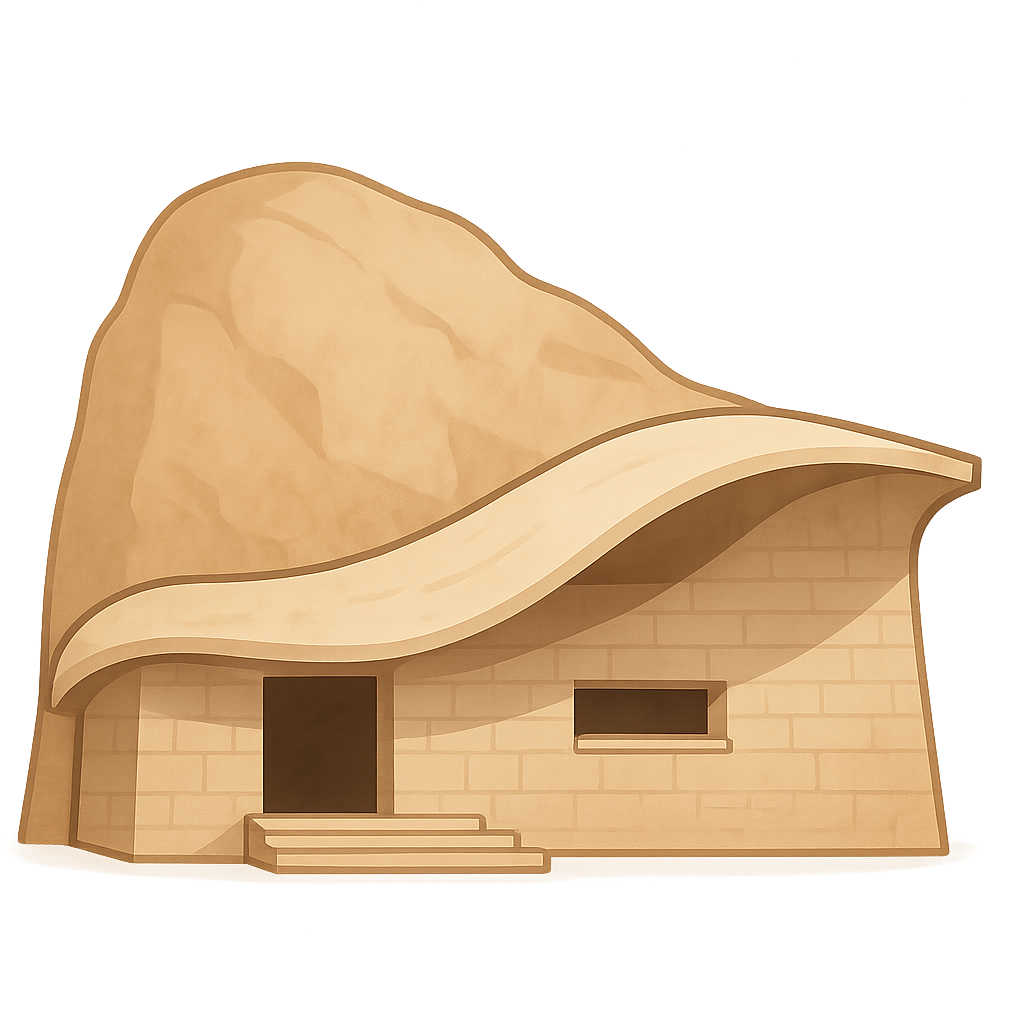
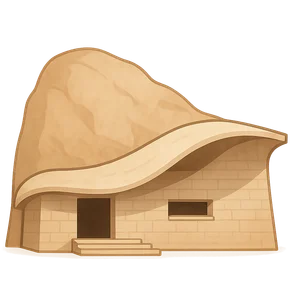
For thousands of years, I slept deep within the green hills of the Dordogne region in France, a secret kept by the earth itself. Inside my chambers, it is always cool and quiet, a silent world of smooth, rocky walls that have never felt the warmth of the sun. But I am not empty. I hold a magnificent gallery, a secret collection of art hidden from the world for longer than anyone could remember. My walls are a canvas, covered in the memories of a time long past. I am the Cave of Lascaux, a treasure chest of ancient art, waiting patiently in the darkness for my story to be told once more.
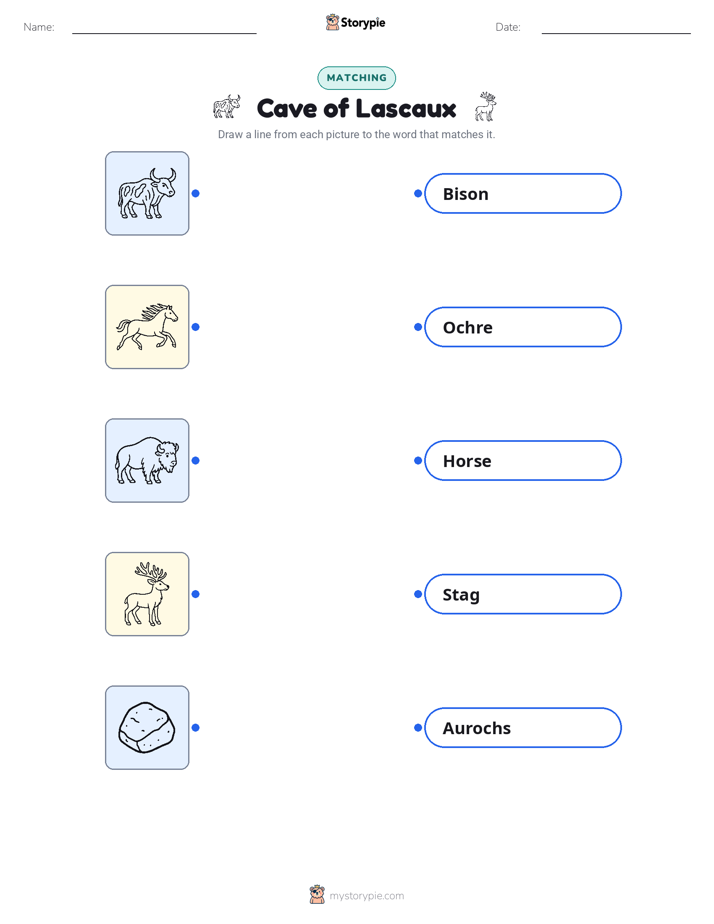
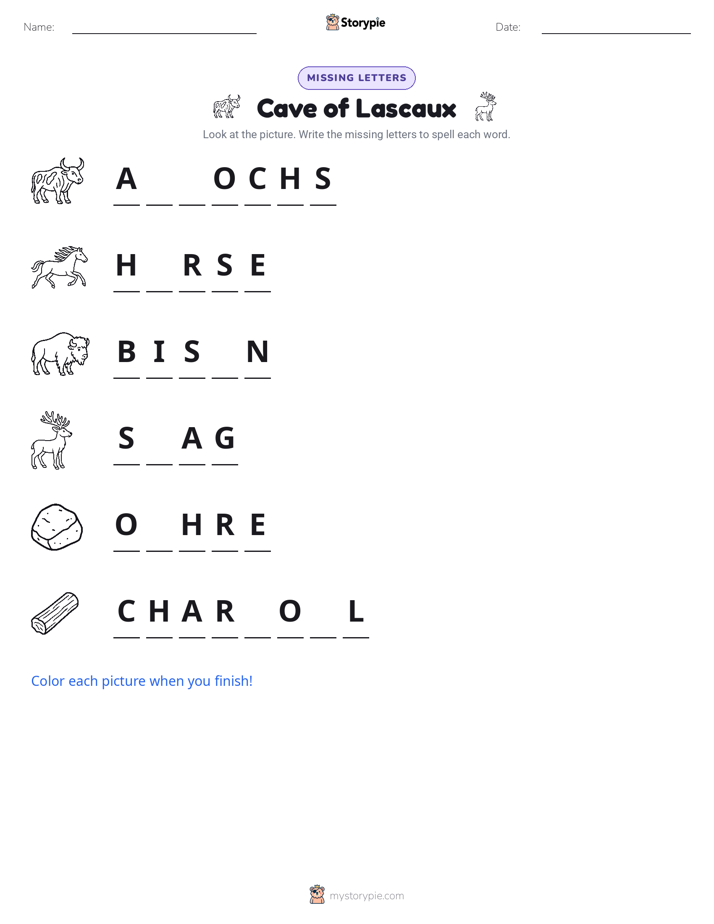
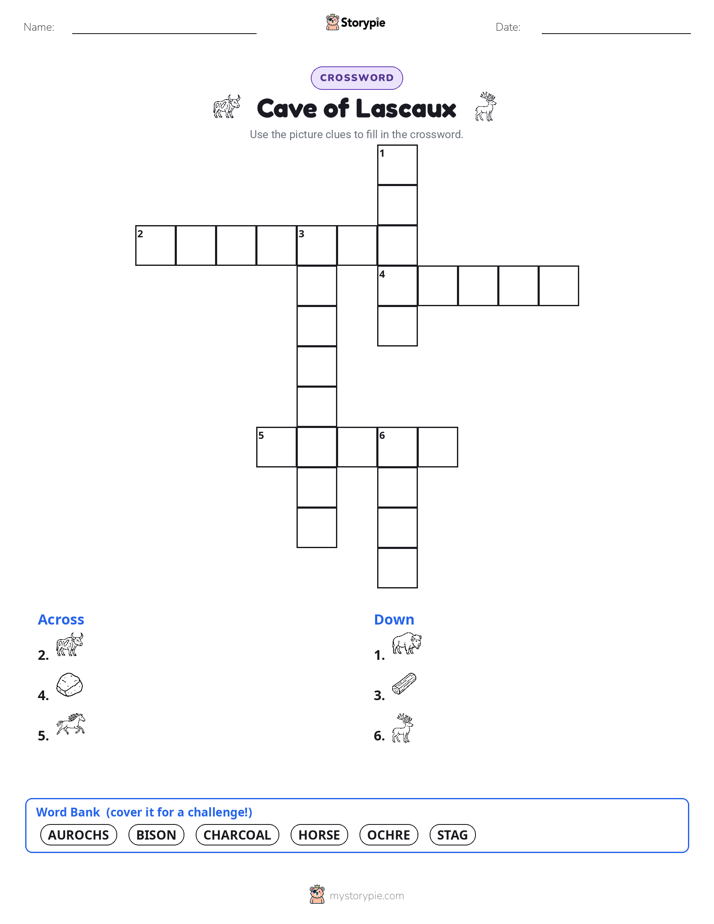
My story begins so long ago, around 17,000 BCE, during a time you might call the Stone Age. The world outside was wild and cold, a place of giant mammoths and woolly rhinos. The people who found me were hunters and artists, members of the Upper Paleolithic era. They were not just seeking shelter; they were seeking something more. Carrying small lamps that flickered with light from burning animal fat, they ventured deep into my twisting passages. The darkness was pushed back just enough for them to see my walls. They didn't have paints like you do today. They created their own by grinding colorful rocks and minerals into powder. They used red and yellow ochre for warm, earthy colors and charcoal from their fires for bold, black lines. With pads of moss, brushes made of animal hair, or even their own fingers, they began to paint. Soon, my stone canvases came alive. Great herds of horses seemed to gallop across my ceilings. Enormous bulls with powerful horns faced off against one another. Graceful deer leaped through imaginary forests. These weren't just simple drawings; they were full of life and motion, a powerful connection to the world these early humans lived in.
The Whispering Walls of Lascaux
For thousands of years, I slept deep within the green hills of the Dordogne region in France, a secret kept by the earth itself. Inside my chambers, it is always cool and quiet, a silent world of smooth, rocky walls that have never felt the warmth of the sun. But I am not empty. I hold a magnificent gallery, a secret collection of art hidden from the world for longer than anyone could remember. My walls are a canvas, covered in the memories of a time long past. I am the Cave of Lascaux, a treasure chest of ancient art, waiting patiently in the darkness for my story to be told once more.
My story begins so long ago, around 17,000 BCE, during a time you might call the Stone Age. The world outside was wild and cold, a place of giant mammoths and woolly rhinos. The people who found me were hunters and artists, members of the Upper Paleolithic era. They were not just seeking shelter; they were seeking something more. Carrying small lamps that flickered with light from burning animal fat, they ventured deep into my twisting passages. The darkness was pushed back just enough for them to see my walls. They didn't have paints like you do today. They created their own by grinding colorful rocks and minerals into powder. They used red and yellow ochre for warm, earthy colors and charcoal from their fires for bold, black lines. With pads of moss, brushes made of animal hair, or even their own fingers, they began to paint. Soon, my stone canvases came alive. Great herds of horses seemed to gallop across my ceilings. Enormous bulls with powerful horns faced off against one another. Graceful deer leaped through imaginary forests. These weren't just simple drawings; they were full of life and motion, a powerful connection to the world these early humans lived in.
For seventeen thousand years, the paintings slept in perfect darkness, their secret safe with me. Then, everything changed on a sunny autumn day: September 12th, 1940. A teenager named Marcel Ravidat was out for a walk with three friends and his clever dog, Robot. Suddenly, Robot spotted a rabbit and dashed off in pursuit, disappearing down a mysterious hole near an uprooted tree. Marcel called for his dog, but Robot didn't return. Worried but curious, Marcel and his friends, Jacques, Georges, and Simon, decided they had to investigate. The hole was too small, so they spent hours making it wider. Finally, with a flickering, homemade oil lamp to light their way, they squeezed through the opening and lowered themselves one by one into the darkness below. When their lamp cast its glow upon my walls, they all gasped. They were staring at the giant bulls, the running horses, and the elegant stags. They were the first people in thousands of years to witness my magic. They had stumbled upon one of the greatest artistic discoveries in all of history, a silent gallery that had been waiting for the world to find it again.
Word of my discovery spread like wildfire, and soon, thousands of people were coming to see my ancient wonders. But this new chapter brought a new danger. The warmth and moisture from the breath of so many visitors, along with the bright electric lights installed to help them see, began to harm my delicate paintings. Tiny green spots and a cloudy film started to grow on the walls, threatening to erase the art forever. To save me, a difficult decision was made. In 1963, I was sealed shut and closed to the public. But my story was not over. Scientists and artists worked together for years to create a perfect copy of my most beautiful chambers. This incredible replica, called Lascaux IV, opened on December 15th, 2016. Now, people can walk through a version of me that feels completely real, experiencing the awe and wonder of my art without harming the fragile original. I am a bridge to a long-lost past, a reminder that the need to create and share stories is part of what makes us human. My walls whisper a tale of our ancestors, inspiring us all to protect the precious treasures of history for the future.
Wow facts
About
A complex of caves in southwestern France famous for its magnificent Paleolithic cave paintings, estimated to be over 17,000 years old.
Take a Quiz
Question 1 of 5
In the story, the cave calls itself a 'treasure chest of ancient art.' What does this really mean?
Explore next






Want to do even more?
Go beyond exploring. Unlock tools that turn every story into real learning.

Storypie Plus for families
Full stories, quizzes, and printables. Nights and car rides, sorted.
- Unlimited audio stories
- Create Mode: your child stars in the story
- Offline downloads
- Printable worksheets & coloring pages

Why Storypie for Schools
Students engaged. Prep in seconds. Evenings back to you.
- Worksheets & Quizzes
- Classroom Management
- Formative Assessment
- Custom Curriculum & Lesson Plans
- 27 Languages

Why Storypie for Homeschool
Curriculum done. They'll ask for more. Hours back in your day.
- Worksheet Generator
- First-Person Audio Stories
- Built-in Comprehension Quizzes
- Custom Curriculum & Lesson Plans
- Print & Go Activities