English

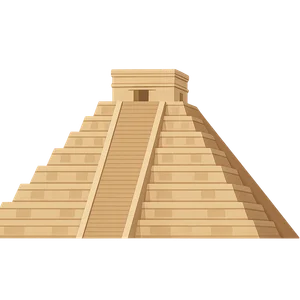
Chichen Itza
Chichen Itza is a large pre-Columbian city built by the Maya people.
Reads at Grades 3–5 Listens at Grades 1–5
Print & create
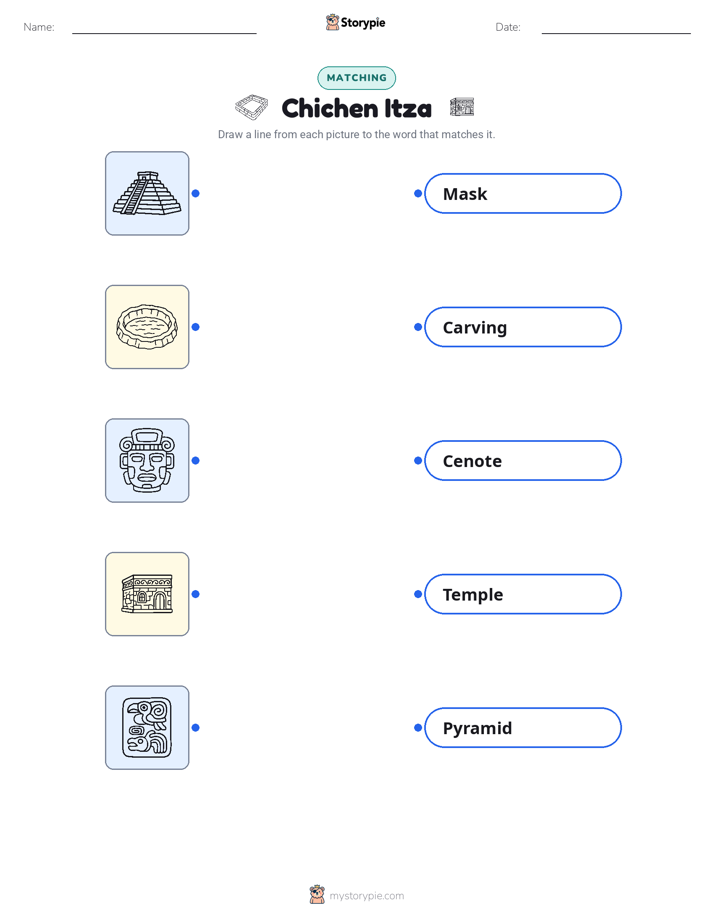
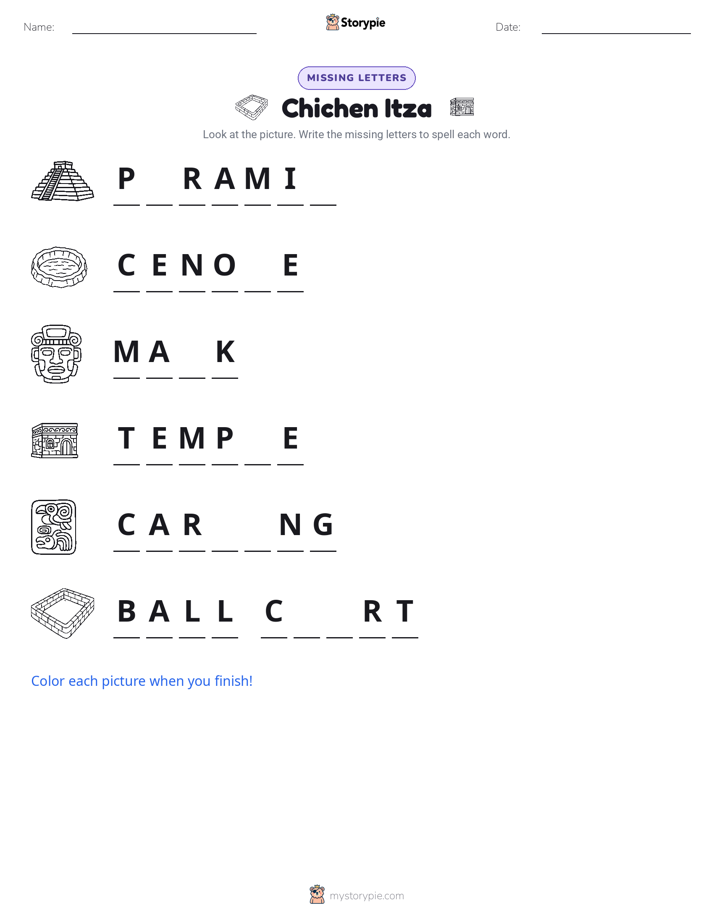
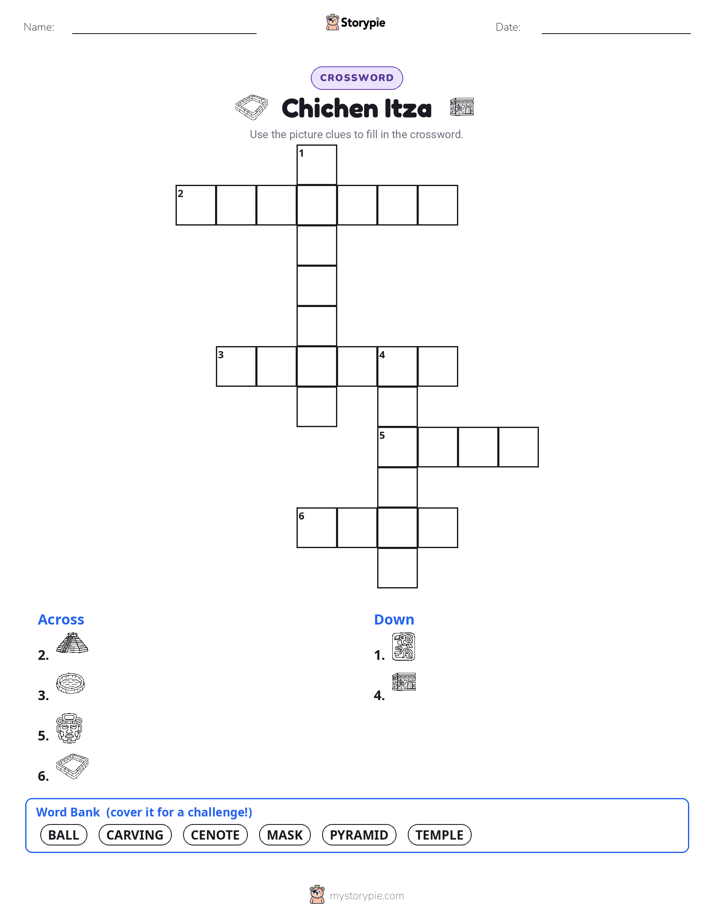
Answer keys·No prep·Free with an account
28 worksheets · answer keys · full story · quiz · Ages 8-10 · CEFR B1
Plus adds 164,000+ more stories in 27 languages, audio for every one, and printables for all of them.
Just want Chichen Itza?
The jungle hums around me. Monkeys call from the treetops, and the warm Mexican sun heats my stone steps. For centuries, I have listened to the world wake up and go to sleep. The air is thick with the sweet smell of flowers and damp earth. Brightly colored birds flit between my temples, their songs echoing where human voices once did. My heart is a deep, cool pool of water, a sacred well that gave me my name. I am Chichen Itza, which means 'at the mouth of the well of the Itza.' These wells, called cenotes, were gifts to my people, providing fresh water in a land with no rivers. They believed these wells were gateways to other worlds, and they were the reason my city was born right here, cradled in the green arms of the Yucatán Peninsula.
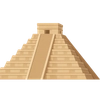
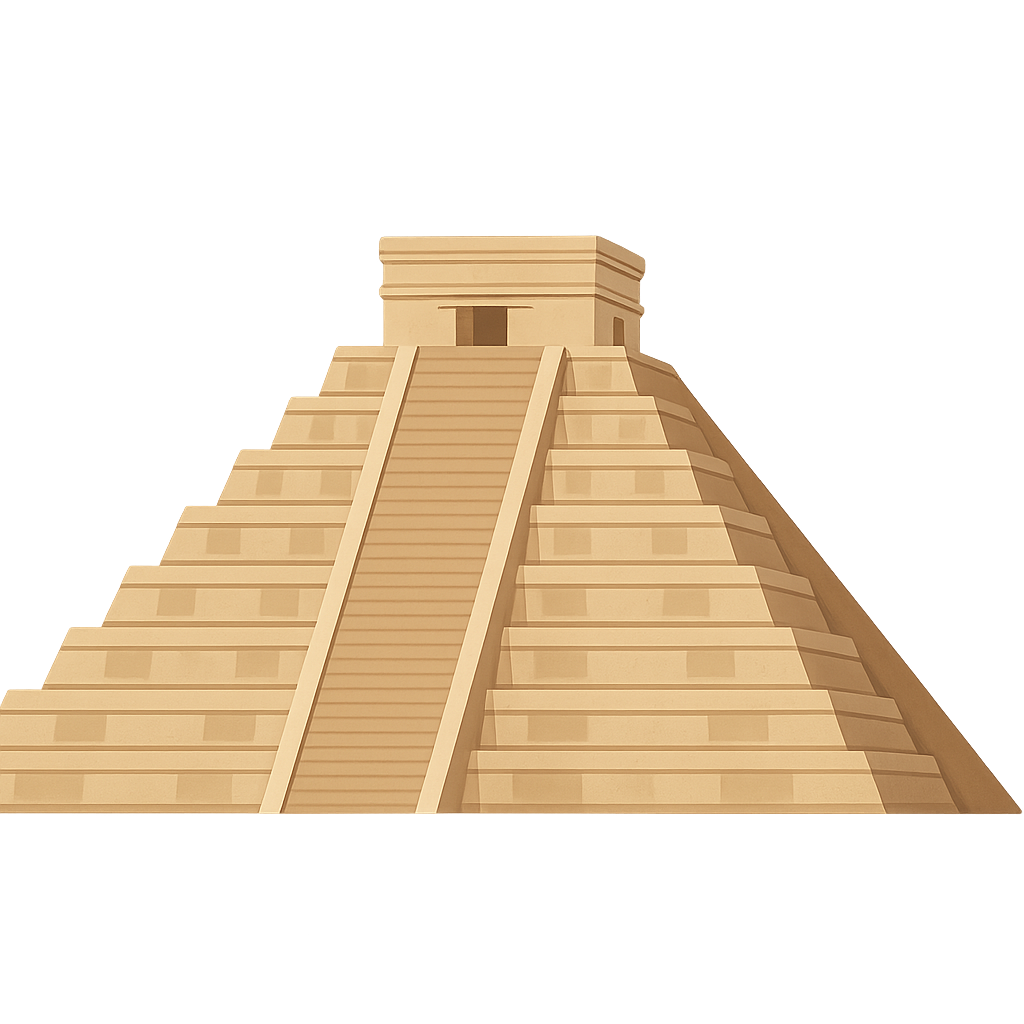
The clever hands that built me belonged to the Maya people. They were brilliant astronomers, mathematicians, and artists. They began shaping my first stones around the 5th century CE, but my golden age was between the 9th and 12th centuries. During that time, I grew into a magnificent city. The grandest of all my structures is a pyramid you might know as El Castillo, but I call it the Temple of Kukulcan. It is not just a temple; it is a giant stone calendar. It has four sides, each with 91 steps. If you add them all up and include the top platform, you get 365 steps—one for every day of the year. My builders were so clever that they designed it to create a special magic trick. Twice a year, during the spring and autumn equinoxes, the sun casts a shadow that looks exactly like a giant serpent slithering down the pyramid's northern staircase. This serpent represented the feathered god Kukulcan, who they believed visited the earth on those special days. Every stone was placed with purpose, carved with symbols that told stories of gods and kings. The Maya used harder stones to shape me, a task that required incredible patience and skill.
The Stone City of the Serpent
The jungle hums around me. Monkeys call from the treetops, and the warm Mexican sun heats my stone steps. For centuries, I have listened to the world wake up and go to sleep. The air is thick with the sweet smell of flowers and damp earth. Brightly colored birds flit between my temples, their songs echoing where human voices once did. My heart is a deep, cool pool of water, a sacred well that gave me my name. I am Chichen Itza, which means 'at the mouth of the well of the Itza.' These wells, called cenotes, were gifts to my people, providing fresh water in a land with no rivers. They believed these wells were gateways to other worlds, and they were the reason my city was born right here, cradled in the green arms of the Yucatán Peninsula.
The clever hands that built me belonged to the Maya people. They were brilliant astronomers, mathematicians, and artists. They began shaping my first stones around the 5th century CE, but my golden age was between the 9th and 12th centuries. During that time, I grew into a magnificent city. The grandest of all my structures is a pyramid you might know as El Castillo, but I call it the Temple of Kukulcan. It is not just a temple; it is a giant stone calendar. It has four sides, each with 91 steps. If you add them all up and include the top platform, you get 365 steps—one for every day of the year. My builders were so clever that they designed it to create a special magic trick. Twice a year, during the spring and autumn equinoxes, the sun casts a shadow that looks exactly like a giant serpent slithering down the pyramid's northern staircase. This serpent represented the feathered god Kukulcan, who they believed visited the earth on those special days. Every stone was placed with purpose, carved with symbols that told stories of gods and kings. The Maya used harder stones to shape me, a task that required incredible patience and skill.
In my prime, I was not the quiet place I am today. My plazas buzzed with energy. I was a major center for trade, a place where merchants from far and wide came to exchange goods like shimmering jade, colorful feathers, and rich cocoa beans. Imagine the sounds of different languages filling the air as people bartered and shared news. Life here was full of excitement. One of the most thrilling places was my Great Ball Court. It's the largest one ever discovered in the ancient Americas. Teams would play a fast-paced game, trying to hit a solid rubber ball through high stone hoops using only their hips, knees, and elbows. The cheers of the crowd would echo off the tall walls. But I was more than just a place for games and trade. I was a city of knowledge. My special round building, called El Caracol, or 'The Snail,' was an observatory. From its windows, Maya astronomers watched the stars and planets. They tracked their movements so precisely that they created some of the most accurate calendars in the ancient world. I was a beacon of science and culture.
But even great cities change. Around the 13th century CE, my plazas grew quiet. For reasons historians still debate, my people began to move away, seeking new homes. Slowly, the powerful jungle began to creep back in. Vines wrapped around my stone walls, and trees grew through my courtyards. I fell into a long, quiet sleep for hundreds of years, hidden from the world. My stories were almost forgotten, whispered only by the wind. Then, in the 1840s, two explorers arrived. Their names were John Lloyd Stephens and Frederick Catherwood. They hacked their way through the thick jungle and gasped when they saw my pyramids and temples rising from the green tangle. Catherwood, a talented artist, made incredibly detailed drawings of my buildings, capturing their beauty before they could crumble further. Their books and drawings showed me to the world again, and people were amazed to learn about the great Maya civilization that had built me.
My long sleep is over now. Today, I am awake and full of visitors once more. Archaeologists are still gently brushing away the dust of centuries, uncovering my secrets and learning more about the people who called me home. In 1988, I was named a UNESCO World Heritage Site, a special honor for places that are important to all of humanity. Then, on July 7th, 2007, people all over the world voted to name me one of the New Seven Wonders of the World. I stand as a bridge to the past, a testament to the incredible ingenuity and spirit of the Maya people. When you walk among my stones, you are walking through history, and I am happy to share my story with you.
Wow facts
About
Chichen Itza is a large pre-Columbian city built by the Maya people. A major focal point in the Northern Maya Lowlands, the archaeological site is located in Tinúm Municipality, Yucatán State, Mexico.
Take a Quiz
Question 1 of 5
The story says El Castillo acts as a 'giant stone calendar.' What evidence in the story supports this idea?
Explore next


Want to do even more?
Go beyond exploring. Unlock tools that turn every story into real learning.

Storypie Plus for families
Full stories, quizzes, and printables. Nights and car rides, sorted.
- Unlimited audio stories
- Create Mode: your child stars in the story
- Offline downloads
- Printable worksheets & coloring pages

Why Storypie for Schools
Students engaged. Prep in seconds. Evenings back to you.
- Worksheets & Quizzes
- Classroom Management
- Formative Assessment
- Custom Curriculum & Lesson Plans
- 27 Languages

Why Storypie for Homeschool
Curriculum done. They'll ask for more. Hours back in your day.
- Worksheet Generator
- First-Person Audio Stories
- Built-in Comprehension Quizzes
- Custom Curriculum & Lesson Plans
- Print & Go Activities