English

Connecticut
Connecticut, known as 'The Constitution State…
Reads at Grades 6–8 Listens at Grades 4–8
Print & create
Answer keys·No prep·Free with an account
28 worksheets · answer keys · full story · quiz · Ages 10-12 · CEFR B2
Plus adds 280,000+ more stories in 27 languages, audio for every one, and printables for all of them.
Just want Connecticut?

Feel the steady pulse of a long, tidal river flowing through my heart. Its waters whisper stories of changing seasons, from the bright green of spring to the fiery crunch of autumn leaves in my sprawling forests. A salty breeze drifts inland from a great body of water called the Long Island Sound, a reminder of my connection to the wider world. For thousands of years, long before any European ships charted my coastline, my paths were walked by people who understood the rhythms of the land. They called the great river 'quinetucket,' a word from the Mohegan-Pequot language that means 'beside the long tidal river.' It is from this ancient name that I received my own. It speaks of my very soul, a place shaped by water, forests, and the enduring spirit of the people who call me home. I am Connecticut.
For countless generations, my lands were cared for by the Mohegan, Pequot, Niantic, and other Algonquian communities. They lived in harmony with my seasons, fishing in my rivers, hunting in my woods, and farming my fertile soil. Their lives were deeply woven into the fabric of my landscape. Then, the world began to change. In the year 1614, a Dutch explorer named Adriaen Block sailed his ship, the Onrust, up my main river, becoming one of the first Europeans to see my inland beauty. He mapped my shores and met the people living here. A couple of decades later, in the 1630s, families from England began to arrive. They crossed the vast Atlantic Ocean seeking new lives and the freedom to practice their beliefs. They established some of my very first towns—Windsor, Wethersfield, and Hartford—right along the banks of the same river that had sustained life for so long. New communities began to grow, bringing new ideas, new challenges, and a new chapter to my long story.
The River of Big Ideas
Feel the steady pulse of a long, tidal river flowing through my heart. Its waters whisper stories of changing seasons, from the bright green of spring to the fiery crunch of autumn leaves in my sprawling forests. A salty breeze drifts inland from a great body of water called the Long Island Sound, a reminder of my connection to the wider world. For thousands of years, long before any European ships charted my coastline, my paths were walked by people who understood the rhythms of the land. They called the great river 'quinetucket,' a word from the Mohegan-Pequot language that means 'beside the long tidal river.' It is from this ancient name that I received my own. It speaks of my very soul, a place shaped by water, forests, and the enduring spirit of the people who call me home. I am Connecticut.
For countless generations, my lands were cared for by the Mohegan, Pequot, Niantic, and other Algonquian communities. They lived in harmony with my seasons, fishing in my rivers, hunting in my woods, and farming my fertile soil. Their lives were deeply woven into the fabric of my landscape. Then, the world began to change. In the year 1614, a Dutch explorer named Adriaen Block sailed his ship, the Onrust, up my main river, becoming one of the first Europeans to see my inland beauty. He mapped my shores and met the people living here. A couple of decades later, in the 1630s, families from England began to arrive. They crossed the vast Atlantic Ocean seeking new lives and the freedom to practice their beliefs. They established some of my very first towns—Windsor, Wethersfield, and Hartford—right along the banks of the same river that had sustained life for so long. New communities began to grow, bringing new ideas, new challenges, and a new chapter to my long story.
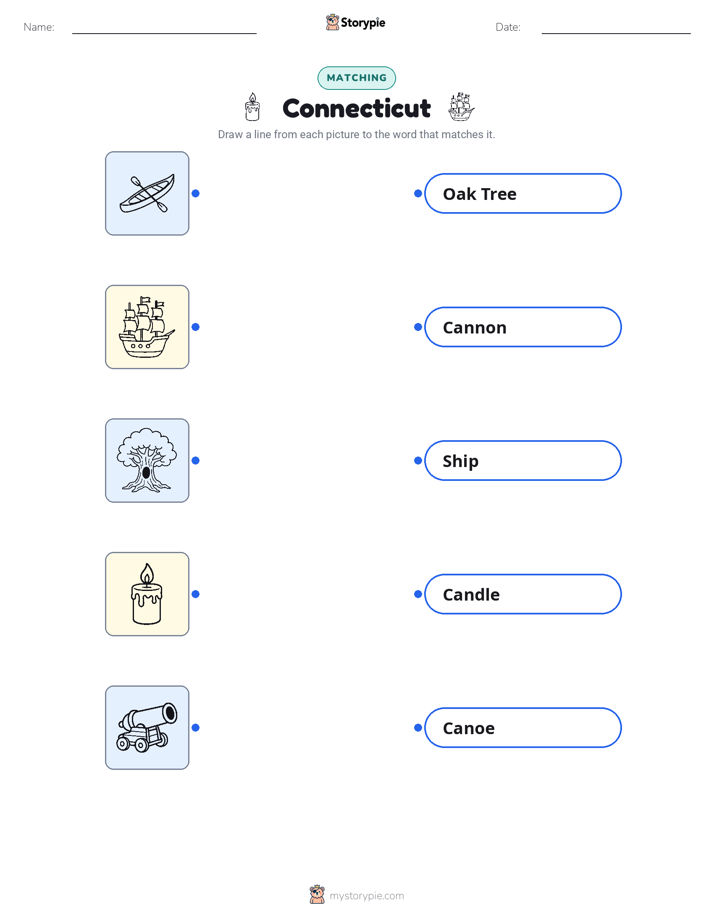
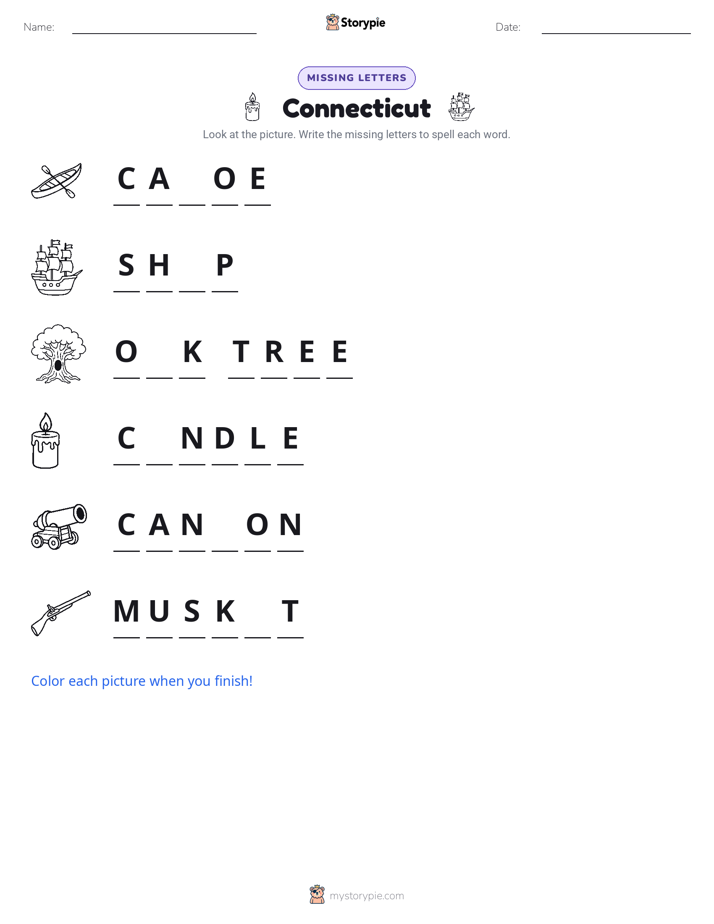
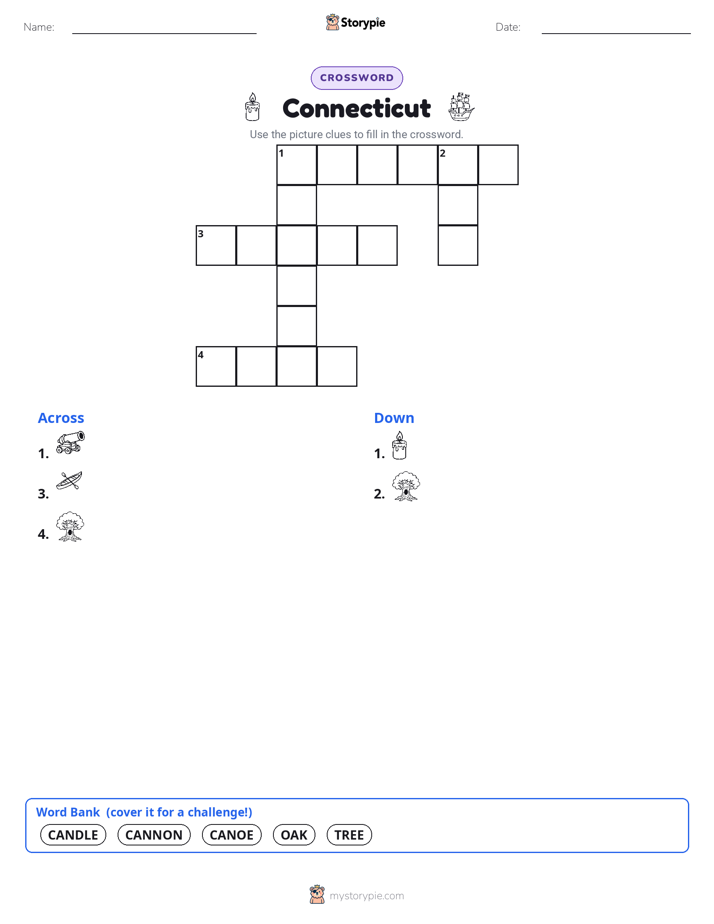
Among these new people, a powerful idea took root. They believed that they should have the power to make their own rules for a fair and orderly society. On January 14th, 1639, leaders from my river towns came together and created a remarkable document they called the Fundamental Orders. It was a detailed plan for government, a promise they made to one another about how they would live together. It did not get its power from a distant king, but from the people themselves. Because of this pioneering agreement, which many historians consider the first written constitution, I earned a nickname I carry with great pride: 'The Constitution State.' This love of freedom was tested years later. In 1687, an English governor named Sir Edmund Andros arrived, demanding that my people surrender their Royal Charter of 1662, the official paper that guaranteed their rights. During a tense meeting, the candles in the room were suddenly blown out. In the darkness, a brave captain named Joseph Wadsworth snatched the charter and slipped away. He hid it in the hollow of a magnificent, ancient oak tree, which would forever be known as the Charter Oak, a living symbol of my unyielding spirit of independence.
That same spirit of independence fueled my people during the American Revolution. When the thirteen colonies fought for their freedom from Great Britain, I worked tirelessly to support the cause. I sent soldiers, including a brave young spy named Nathan Hale who famously regretted he had but one life to give for his country. My farms produced enormous amounts of food and my workshops forged cannons for General George Washington’s army, earning me another nickname: 'The Provisions State.' After the war was won, that determined energy turned toward innovation. Around 1798, a clever man named Eli Whitney developed the idea of interchangeable parts for manufacturing muskets. This concept—making identical parts that could be swapped—changed everything, laying the groundwork for modern factories. My cities hummed with new ideas. In Hartford, Samuel Colt built a famous factory to produce his revolutionary revolvers. In Naugatuck, Charles Goodyear discovered a way to make rubber strong and weatherproof. From clocks to tools, my people's cleverness blossomed, and I became a powerhouse of invention in the 1800s.
My story of exploration and innovation didn't stop at the water's edge. It dove deep into the sea. On January 21st, 1954, an incredible vessel slid into the Thames River from its shipyard in Groton. It was the USS Nautilus, the world's first nuclear-powered submarine. This groundbreaking ship could travel for months underwater, opening up a new frontier of discovery beneath the waves. Today, I am a place where this rich history lives alongside a vibrant present. I am home to world-class universities like Yale, where brilliant minds gather to learn and discover. My landscape is a mix of bustling cities and quiet towns, beautiful state parks and a stunning shoreline. My story is one of a small place where big ideas have always grown. I am a testament to the power of community, the courage to fight for freedom, and the endless curiosity of the human mind. I invite you to walk my historic paths, enjoy my natural beauty, and perhaps, dream up the next great idea right here on my soil.
Wow facts
About
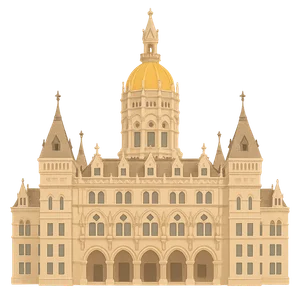
Connecticut, known as 'The Constitution State,' is one of the original thirteen colonies and the fifth state to join the United States. It is known for its colonial history, maritime heritage, and contributions to American industry and invention.
Take a Quiz
Question 1 of 5
Based on the story, describe the events that led to Connecticut being called 'The Constitution State' and the story of the Charter Oak.
Explore next





Want to do even more?
Go beyond exploring. Unlock tools that turn every story into real learning.

Storypie Plus for families
Full stories, quizzes, and printables. Nights and car rides, sorted.
- Unlimited audio stories
- Create Mode: your child stars in the story
- Offline downloads
- Printable worksheets & coloring pages

Why Storypie for Schools
Students engaged. Prep in seconds. Evenings back to you.
- Worksheets & Quizzes
- Classroom Management
- Formative Assessment
- Custom Curriculum & Lesson Plans
- 27 Languages

Why Storypie for Homeschool
Curriculum done. They'll ask for more. Hours back in your day.
- Worksheet Generator
- First-Person Audio Stories
- Built-in Comprehension Quizzes
- Custom Curriculum & Lesson Plans
- Print & Go Activities