English

Cusco
A city in the Peruvian Andes, once the capital of the Inca Empire…
Reads at Grades 6–8 Listens at Grades 4–8
Print & create
Answer keys·No prep·Free with an account
28 worksheets · answer keys · full story · quiz · Ages 10-12 · CEFR B2
Plus adds 164,000+ more stories in 27 languages, audio for every one, and printables for all of them.
Just want Cusco?
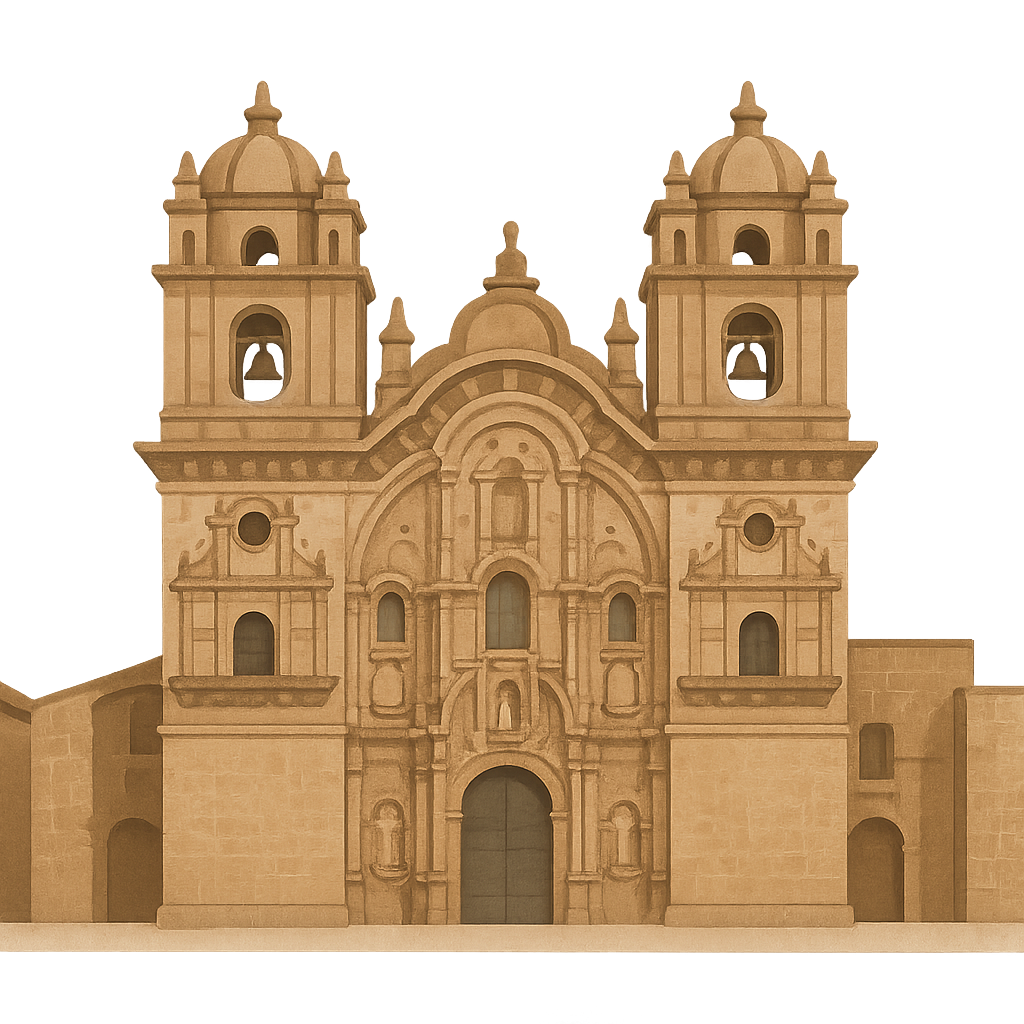
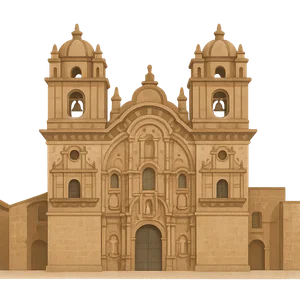
High in the Andes Mountains of Peru, I am cradled by green and brown peaks that seem to touch a vast, brilliant blue sky. The air here is cool and thin, and the sun feels strong upon my ancient stone walls. I am a city of contrasts, a living puzzle where massive Inca stones, fitted together so perfectly that not even a knife blade can slip between them, form the foundations for buildings with red-tiled roofs and delicate wooden balconies. I am a place of two worlds, the ancient and the new, living side by side. My streets are a labyrinth of history, where every corner tells a story of empires, kings, and survivors. My name is Cusco, but the people who first imagined me, who raised me from the earth with their incredible skill, called me Qosqo. To them, I was not just a city; I was the navel, the sacred center of their entire world.
Long before my golden age, people known as the Killke lived here, leaving their mark on this land starting around 900 CE. But my great transformation, the moment I truly became the heart of an empire, began in the early 1400s under a visionary Inca ruler named Pachacuti. Beginning around the year 1438, he saw what I could become and redesigned me to be the magnificent capital of the vast Inca Empire, which they called Tawantinsuyu, or 'The Four Regions Together'. Pachacuti planned my layout to resemble a sacred animal, the puma, with the mighty fortress of Sacsayhuamán forming its powerful head, watching over me from the hill above. My spiritual heart was the Qorikancha, the Temple of the Sun. It was a place of breathtaking importance, and its walls were famously covered in sheets of pure gold that shimmered in the Andean sunlight, a tribute to the sun god, Inti. From my central plaza, the Haukaypata, great stone roads called the Qhapaq Ñan spread out like sunbeams, connecting me to every corner of the empire, from the mountains to the sea. For nearly a century, I was the undisputed center of this organized and powerful world, a hub of culture, religion, and government.
Cusco: The Navel of the World
High in the Andes Mountains of Peru, I am cradled by green and brown peaks that seem to touch a vast, brilliant blue sky. The air here is cool and thin, and the sun feels strong upon my ancient stone walls. I am a city of contrasts, a living puzzle where massive Inca stones, fitted together so perfectly that not even a knife blade can slip between them, form the foundations for buildings with red-tiled roofs and delicate wooden balconies. I am a place of two worlds, the ancient and the new, living side by side. My streets are a labyrinth of history, where every corner tells a story of empires, kings, and survivors. My name is Cusco, but the people who first imagined me, who raised me from the earth with their incredible skill, called me Qosqo. To them, I was not just a city; I was the navel, the sacred center of their entire world.
Long before my golden age, people known as the Killke lived here, leaving their mark on this land starting around 900 CE. But my great transformation, the moment I truly became the heart of an empire, began in the early 1400s under a visionary Inca ruler named Pachacuti. Beginning around the year 1438, he saw what I could become and redesigned me to be the magnificent capital of the vast Inca Empire, which they called Tawantinsuyu, or 'The Four Regions Together'. Pachacuti planned my layout to resemble a sacred animal, the puma, with the mighty fortress of Sacsayhuamán forming its powerful head, watching over me from the hill above. My spiritual heart was the Qorikancha, the Temple of the Sun. It was a place of breathtaking importance, and its walls were famously covered in sheets of pure gold that shimmered in the Andean sunlight, a tribute to the sun god, Inti. From my central plaza, the Haukaypata, great stone roads called the Qhapaq Ñan spread out like sunbeams, connecting me to every corner of the empire, from the mountains to the sea. For nearly a century, I was the undisputed center of this organized and powerful world, a hub of culture, religion, and government.
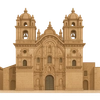
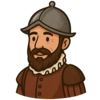
My time as the golden capital, however, was destined for a dramatic change. Everything shifted on November 15th, 1533. On that day, Spanish explorers, known as conquistadors, arrived under the command of Francisco Pizarro. They marched into my plazas, their eyes wide with disbelief at the sight of my golden temples and my precisely engineered stone buildings. What followed was a period of great conflict and turmoil that ended with the fall of the mighty Inca Empire. The Spanish, victorious, decided to build their own colonial city, but they did so upon my unshakable foundations. They dismantled parts of my temples and palaces, taking the precious gold from the Qorikancha. In its place, they constructed the Church and Convent of Santo Domingo, a magnificent building in its own right, but one that sat directly on top of my sacred Inca walls. My wide-open plazas were altered, and new buildings with grand arches, courtyards, and balconies rose up. But even as they built their world on top of mine, they could never erase the strength and spirit of my original form.
Over the following centuries, I grew into a city with two hearts, a place where two very different worlds learned to coexist, one built upon the other. You can see this truth everywhere you look today. A smooth, Spanish-style colonial wall often sits perfectly atop a powerful, earthquake-proof Inca foundation. The languages spoken on my cobblestone streets are a blend of Spanish and Quechua, the ancient tongue of the Inca, which still echoes through the mountain markets and villages. My dual identity was dramatically revealed to the world on May 21st, 1950. A powerful earthquake shook me, causing significant damage to many of the Spanish colonial structures. But my original Inca walls, built with such incredible skill and wisdom, absorbed the shock and stood strong. The event was a powerful reminder to everyone of the enduring history sleeping just beneath the surface, a testament to the genius of my first builders.
Today, I am proud to be a living museum, a city where the past is not just remembered but is an active part of daily life. In 1983, my unique history and cultural value were recognized when I was named a UNESCO World Heritage Site. People travel from every corner of the globe to walk my streets, to run their hands over my cool, perfectly joined stones, and to feel the history that breathes in the mountain air. I serve as the main gateway for travelers on their journey to see other Inca wonders, most famously the incredible mountain citadel of Machu Picchu. My story is written in my stones, a tale of visionary emperors, masterful builders, conquest, and the resilient spirit of the Andean people. I am not just a relic of the past; I am a vibrant home, forever connecting people to the ingenuity, artistry, and enduring culture of the Inca.
Wow facts
About
A city in the Peruvian Andes, once the capital of the Inca Empire, known for its archaeological remains and Spanish colonial architecture.
Take a Quiz
Question 1 of 5
What is the central theme of my story?
Explore next
Want to do even more?
Go beyond exploring. Unlock tools that turn every story into real learning.

Storypie Plus for families
Full stories, quizzes, and printables. Nights and car rides, sorted.
- Unlimited audio stories
- Create Mode: your child stars in the story
- Offline downloads
- Printable worksheets & coloring pages

Why Storypie for Schools
Students engaged. Prep in seconds. Evenings back to you.
- Worksheets & Quizzes
- Classroom Management
- Formative Assessment
- Custom Curriculum & Lesson Plans
- 27 Languages

Why Storypie for Homeschool
Curriculum done. They'll ask for more. Hours back in your day.
- Worksheet Generator
- First-Person Audio Stories
- Built-in Comprehension Quizzes
- Custom Curriculum & Lesson Plans
- Print & Go Activities