English

Gondwana
Gondwana was an ancient supercontinent that existed from the Neoproterozoic (about 600 million years ago)…
Reads at Grades 6–8 Listens at Grades 4–8
Print & create
Answer keys·No prep·Free with an account
28 worksheets · answer keys · full story · quiz · Ages 10-12 · CEFR B2
Plus adds 208,000+ more stories in 27 languages, audio for every one, and printables for all of them.
Just want Gondwana?
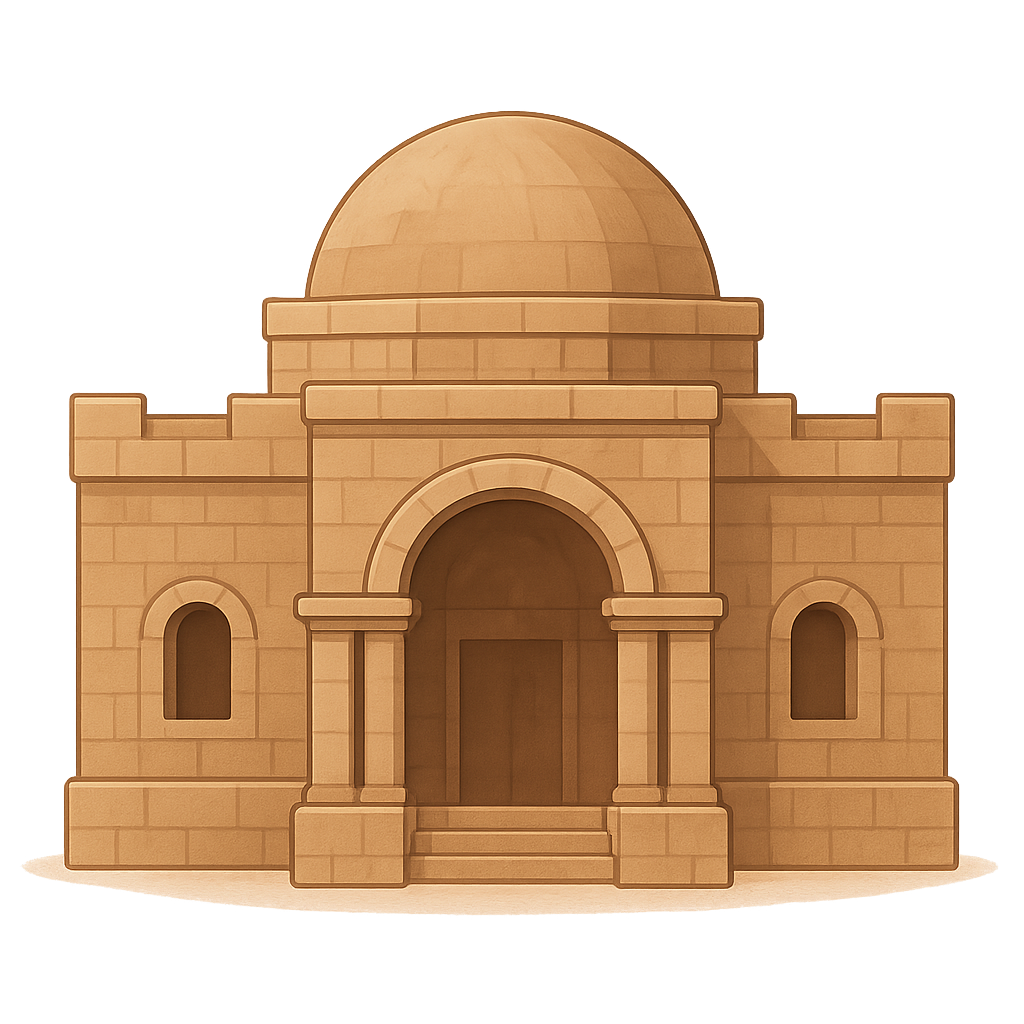
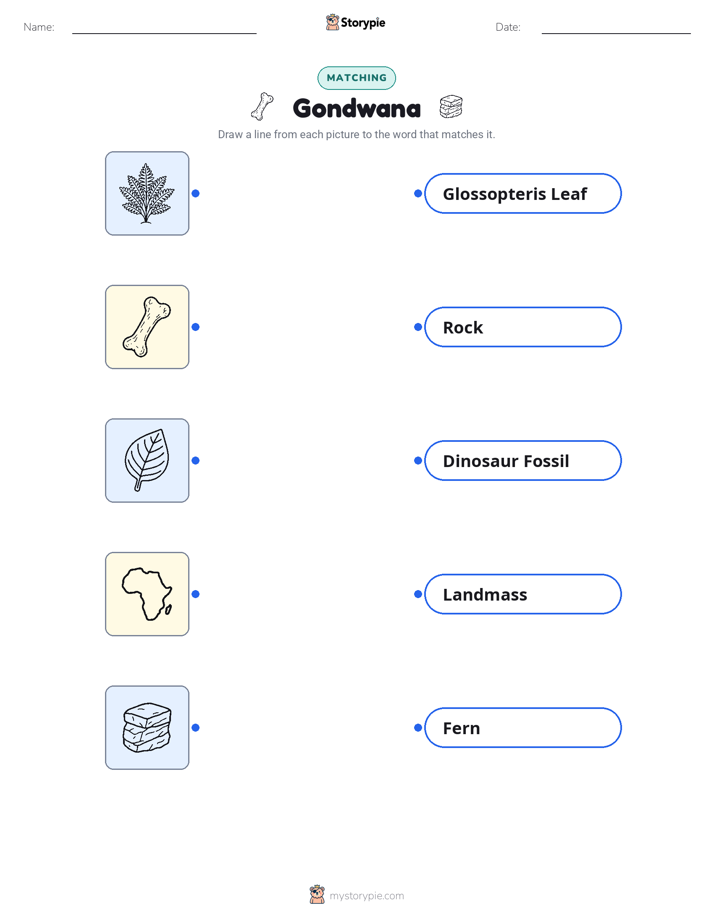
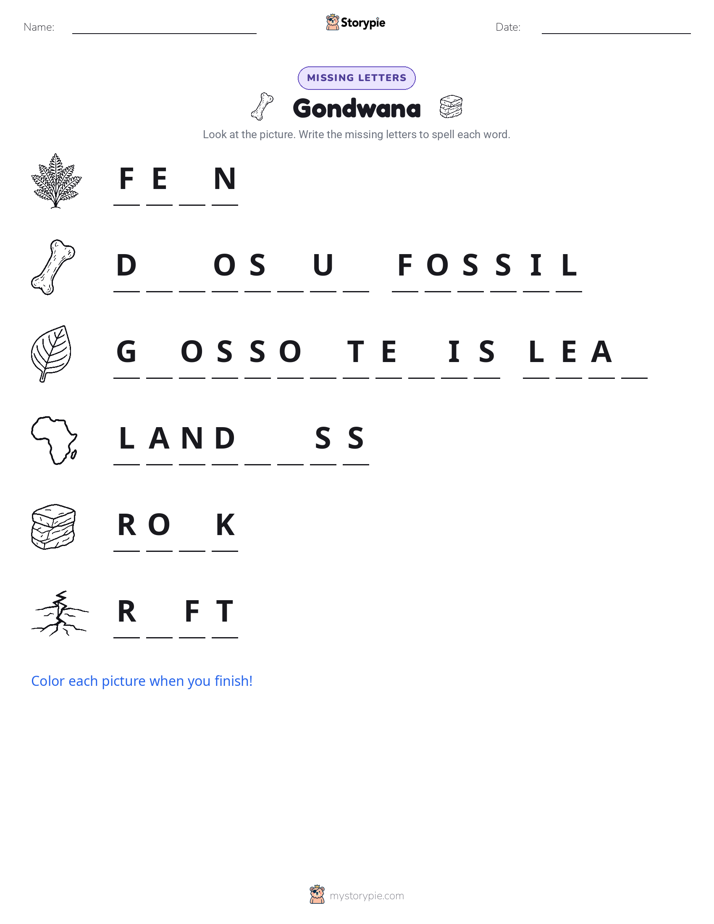
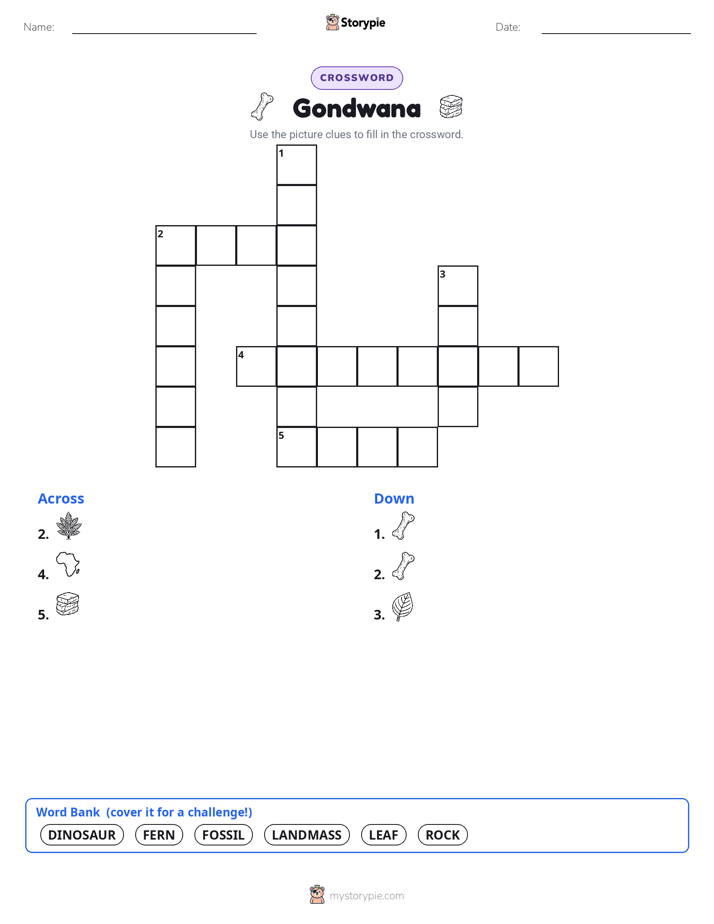
Imagine a world where you could walk from the sandy shores of what is now Australia, through dense, humid forests, and all the way to the icy plains of Antarctica without ever crossing an ocean. Picture strange, ancient animals roaming freely across lands that are now thousands of miles apart. Feel the immense weight of glaciers on my southern edges and the warmth of a single, vast ocean lapping at my northern shores. For millions of years, this was the reality. I was a world in one piece, a single giant landmass dominating the Southern Hemisphere. My forests were home to giant ferns and my lands were a playground for early dinosaurs. Before there was Africa, South America, Australia, Antarctica, or India as you know them, there was just me. I am Gondwana, the great southern land, and my story is the story of the world you live in.
My own story begins a very long time ago, around 550 million years ago, when pieces of the Earth’s crust drifted together to form me. But for a while, I was part of an even bigger family. Around 335 million years ago, I joined with other landmasses in the north to create the ultimate supercontinent, a single world-spanning island called Pangaea. The entire planet was one giant piece of land in one giant ocean. The climate was very different then, and unique plants and animals could spread everywhere. One of my most famous residents was a fern-like plant called Glossopteris. It grew all over my lands, and today, its fossilized leaves are found in South America, Africa, India, Australia, and Antarctica. These fossils are the whispers I left behind, proof for modern scientists that these distant lands were once held together as one. When Pangaea began to break apart around 200 million years ago, I was left on my own again, a massive southern continent ready for my next great chapter.
The Great Southern Land
Imagine a world where you could walk from the sandy shores of what is now Australia, through dense, humid forests, and all the way to the icy plains of Antarctica without ever crossing an ocean. Picture strange, ancient animals roaming freely across lands that are now thousands of miles apart. Feel the immense weight of glaciers on my southern edges and the warmth of a single, vast ocean lapping at my northern shores. For millions of years, this was the reality. I was a world in one piece, a single giant landmass dominating the Southern Hemisphere. My forests were home to giant ferns and my lands were a playground for early dinosaurs. Before there was Africa, South America, Australia, Antarctica, or India as you know them, there was just me. I am Gondwana, the great southern land, and my story is the story of the world you live in.
My own story begins a very long time ago, around 550 million years ago, when pieces of the Earth’s crust drifted together to form me. But for a while, I was part of an even bigger family. Around 335 million years ago, I joined with other landmasses in the north to create the ultimate supercontinent, a single world-spanning island called Pangaea. The entire planet was one giant piece of land in one giant ocean. The climate was very different then, and unique plants and animals could spread everywhere. One of my most famous residents was a fern-like plant called Glossopteris. It grew all over my lands, and today, its fossilized leaves are found in South America, Africa, India, Australia, and Antarctica. These fossils are the whispers I left behind, proof for modern scientists that these distant lands were once held together as one. When Pangaea began to break apart around 200 million years ago, I was left on my own again, a massive southern continent ready for my next great chapter.
My time as a single continent could not last forever. The powerful forces deep within the Earth that brought me together began to pull me apart. Starting around 180 million years ago, during the Jurassic period, the great drifting began. It was not a violent or sudden event, but a slow, powerful transformation over millions of years. It was as if my children were finally old enough to set off on their own journeys. First, a great rift appeared, separating my western half, which would become Africa and South America, from my eastern half, which held Antarctica, Australia, and India. Then, India broke away and began a long, remarkably fast journey northward, destined to one day collide with Asia and create the towering Himalayan mountains. Next, a new ocean, the South Atlantic, began to form as South America and Africa slowly pirouetted away from each other over tens of millions of years. Their coastlines still hold the memory of their connection, fitting together like a perfect puzzle. My last children to say farewell were Australia and Antarctica. They clung together until about 45 million years ago, when Australia finally drifted north, leaving Antarctica alone at the South Pole to become the icy continent it is today.
A Puzzle for a New Kind of Explorer
For millions of years, my story was a secret held by the rocks, fossils, and the very shape of the continents. Humans lived on my separated pieces, creating their own maps and stories, never realizing the deep connection their homes shared. Then, in the early 20th century, a new kind of explorer came along. This explorer didn't need a ship or a compass, but a sharp mind and a love for puzzles. His name was Alfred Wegener, a German scientist who, in 1912, looked at a world map and saw more than just countries and oceans. He saw the clues I had left behind. He noticed how the coastline of South America seemed to snuggle perfectly into the coast of Africa. He read about the identical Glossopteris fossils and ancient rock formations found on continents separated by vast oceans. He proposed a revolutionary idea he called 'continental drift,' suggesting that all the continents had once been joined together and had been drifting apart ever since. For decades, his idea was mostly dismissed because no one could explain what powerful force could possibly move entire continents. But Wegener had planted a seed. Finally, in the 1960s, scientists developed the theory of plate tectonics, which explained that the Earth’s crust is made of giant, moving plates. This new understanding proved that Wegener's brilliant insight was true. My story was finally revealed.
My Story Lives On
I no longer exist as a single landmass, but my legacy is written across the entire planet. Every time you see a mountain range, you might be looking at the crumpled edge of two of my children colliding. Every time a scientist unearths a fossil of a land animal on two different continents, they are reading a page from my biography. The world you see today is just a snapshot in a very long film. My story is a powerful reminder that the ground beneath your feet is not static or permanent. The Earth is alive, always breathing, shifting, and changing. It reminds us that all lands and all life share a deep, ancient connection. So the next time you look at a world map, try to see beyond the borders and the blue oceans. See the puzzle pieces. See the great, once-united family. See the memory of me, Gondwana, still present in the shape of your world.
Wow facts
About
Gondwana was an ancient supercontinent that existed from the Neoproterozoic (about 600 million years ago) until the Jurassic (about 180 million years ago), which included most of the landmasses in today's Southern Hemisphere.
Take a Quiz
Question 1 of 5
What is the main theme of the story 'The Great Southern Land'?
Explore next





Want to do even more?
Go beyond exploring. Unlock tools that turn every story into real learning.

Storypie Plus for families
Full stories, quizzes, and printables. Nights and car rides, sorted.
- Unlimited audio stories
- Create Mode: your child stars in the story
- Offline downloads
- Printable worksheets & coloring pages

Why Storypie for Schools
Students engaged. Prep in seconds. Evenings back to you.
- Worksheets & Quizzes
- Classroom Management
- Formative Assessment
- Custom Curriculum & Lesson Plans
- 27 Languages

Why Storypie for Homeschool
Curriculum done. They'll ask for more. Hours back in your day.
- Worksheet Generator
- First-Person Audio Stories
- Built-in Comprehension Quizzes
- Custom Curriculum & Lesson Plans
- Print & Go Activities