English

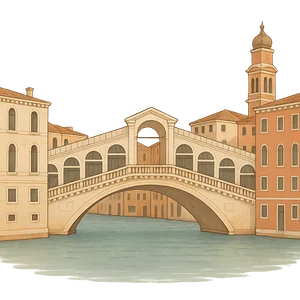
Grand Canal
The main waterway of Venice, Italy, is a man-made canal that was likely formed from an ancient riverbed…
Reads at Grades 6–8 Listens at Grades 4–8
Print & create
Answer keys·No prep·Free with an account
28 worksheets · answer keys · full story · quiz · Ages 10-12 · CEFR B2
Plus adds 208,000+ more stories in 27 languages, audio for every one, and printables for all of them.
Just want Grand Canal?
I am not a natural river born from melting snow on distant mountains. I am a ribbon of water stretching over a thousand miles, a liquid road connecting the heart of a vast country. I flow past ancient cities and through green fields, my waters reflecting the delicate branches of weeping willows and the slow, steady progress of bustling barges. For centuries, I have been the lifeblood of China, a mighty dragon of water patiently carved from the earth by human hands. I am the Grand Canal, and my story is as long and winding as my own watery path. I have watched empires rise and fall from my banks, and I have carried the dreams of a nation upon my surface for millennia.
My story starts long before I was a single, mighty waterway. Over 2,500 years ago, around the 5th century BCE, during a time historians call the Spring and Autumn period, I was just a collection of smaller, disconnected canals. In those days, China was divided into many warring states. The local kings and lords needed efficient ways to move their soldiers and supplies to defend their lands and challenge their rivals. They began digging channels to connect existing rivers and lakes, creating the first, humble sections of what would become me. These early canals were practical and served immediate needs, but they were like the first trickles of a stream, hinting at the powerful river I was destined to become. They were the first threads in a grand tapestry that would take centuries to weave together across the landscape.
The Grand Canal: A River Carved by Dynasties
I am not a natural river born from melting snow on distant mountains. I am a ribbon of water stretching over a thousand miles, a liquid road connecting the heart of a vast country. I flow past ancient cities and through green fields, my waters reflecting the delicate branches of weeping willows and the slow, steady progress of bustling barges. For centuries, I have been the lifeblood of China, a mighty dragon of water patiently carved from the earth by human hands. I am the Grand Canal, and my story is as long and winding as my own watery path. I have watched empires rise and fall from my banks, and I have carried the dreams of a nation upon my surface for millennia.
My story starts long before I was a single, mighty waterway. Over 2,500 years ago, around the 5th century BCE, during a time historians call the Spring and Autumn period, I was just a collection of smaller, disconnected canals. In those days, China was divided into many warring states. The local kings and lords needed efficient ways to move their soldiers and supplies to defend their lands and challenge their rivals. They began digging channels to connect existing rivers and lakes, creating the first, humble sections of what would become me. These early canals were practical and served immediate needs, but they were like the first trickles of a stream, hinting at the powerful river I was destined to become. They were the first threads in a grand tapestry that would take centuries to weave together across the landscape.
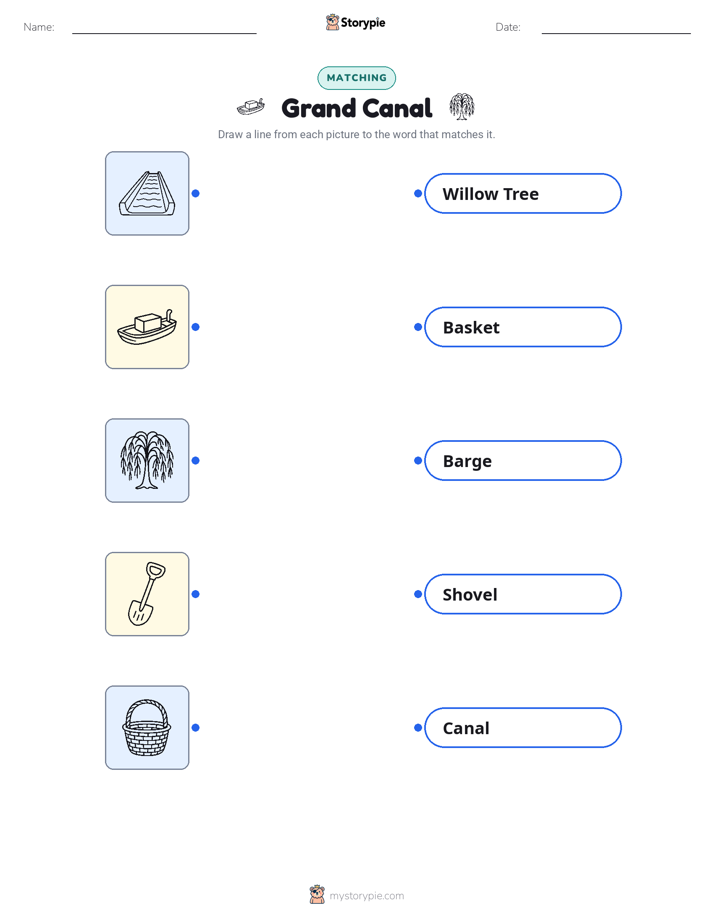
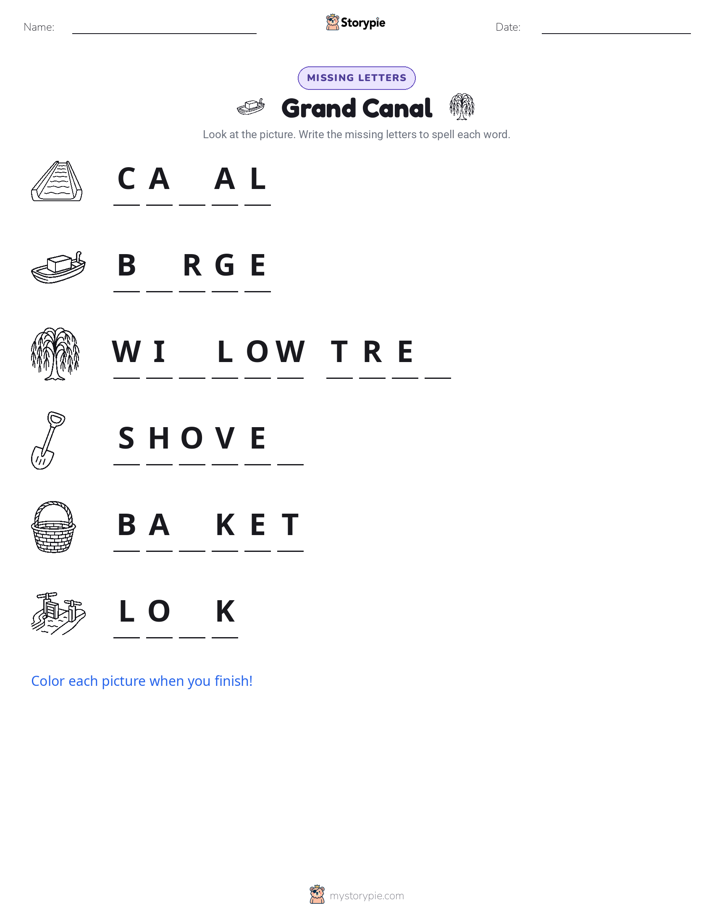
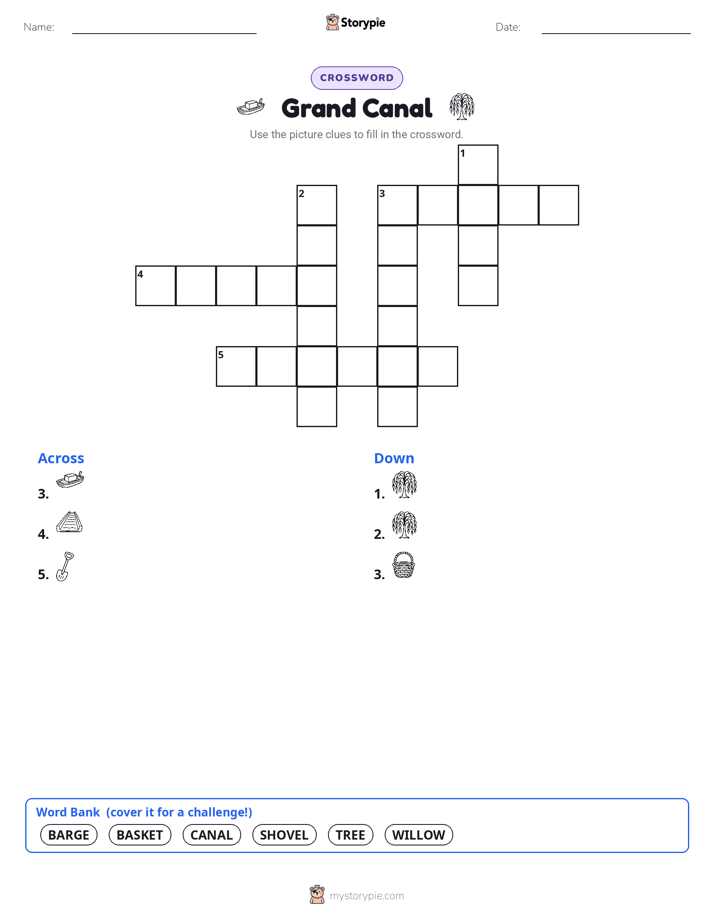
The true beginning of my grand form came much later, during the Sui Dynasty. An ambitious and powerful ruler, Emperor Yang, had a magnificent vision. He saw a unified China connected not just by roads, but by a great waterway that would serve as the empire's main artery. Starting in the year 605 CE, he commanded a project of almost unimaginable scale: to link the mighty Yangtze River in the south, a region rich with rice, to the Yellow River and his capitals in the north. He needed a reliable way to feed his massive armies and the growing population of the northern cities. Millions of people, a mix of farmers, laborers, and soldiers, were put to work. For six long years, they toiled with simple tools like shovels and baskets to dig my channel, build strong embankments, and engineer clever locks to control my water levels. It was difficult, grueling work, but when it was finished, I was transformed. I was no longer a patchwork of canals. I was a super-waterway, a vital connection that bound the empire together and fueled its power and prosperity.
Centuries passed, and dynasties rose and fell along my banks. By the 13th century, a new power ruled China. This was the Yuan Dynasty, founded by the grandson of Genghis Khan, the formidable Kublai Khan. He established his new capital in a city called Dadu, which you now know as Beijing. My existing path, engineered by the Sui dynasty, was effective but long and winding, taking a significant detour to the east before heading north. Kublai Khan was a practical ruler and wanted a faster, more direct route for the essential grain barges to reach his magnificent city. So, between the years 1282 and 1293 CE, his engineers undertook another monumental task. They dug a new, straighter channel across the Shandong peninsula, shortening my journey by hundreds of miles. This rerouting was a brilliant feat of engineering that created the version of me that is most famous today, a testament to the changing needs of a nation and the ingenuity of its people.
For over a thousand years, I was the busiest highway in all of China. My purpose went far beyond just logistics. I carried more than rice, timber, and salt. I carried ideas, art, literature, and culture from one end of the empire to the other. On my waters floated barges heavy with shimmering bolts of silk, crates of delicate, hand-painted porcelain, and chests filled with fragrant tea leaves. In the 9th century, famous poets like Bai Juyi traveled along my banks and wrote beautiful verses inspired by my scenery and the life that thrived around me. Emperors journeyed my length in magnificent, ornately carved dragon boats, a spectacle for all to see. Bustling towns and wealthy cities grew up along my banks, filled with merchants haggling over prices and artisans selling their wares. I was a true conduit for culture, connecting people, their diverse traditions, and their incredible creations across a vast land.
Today, high-speed trains and modern highways carry many of the goods I once did, but my work is not over. I still carry boats and barges in some of my southern sections, and I play a crucial role in moving fresh water to regions that need it for farming and drinking. My long history and the incredible human effort I represent have not been forgotten. On June 22nd, 2014, I was officially recognized as a UNESCO World Heritage site, celebrated as one of the greatest hydraulic engineering projects in human history. I am a flowing reminder that with bold vision, cooperation, and persistent hard work, people can create wonders that last for millennia. I continue to flow, a living monument connecting China's incredible past with its vibrant present and onward to its flowing future.
Wow facts
About
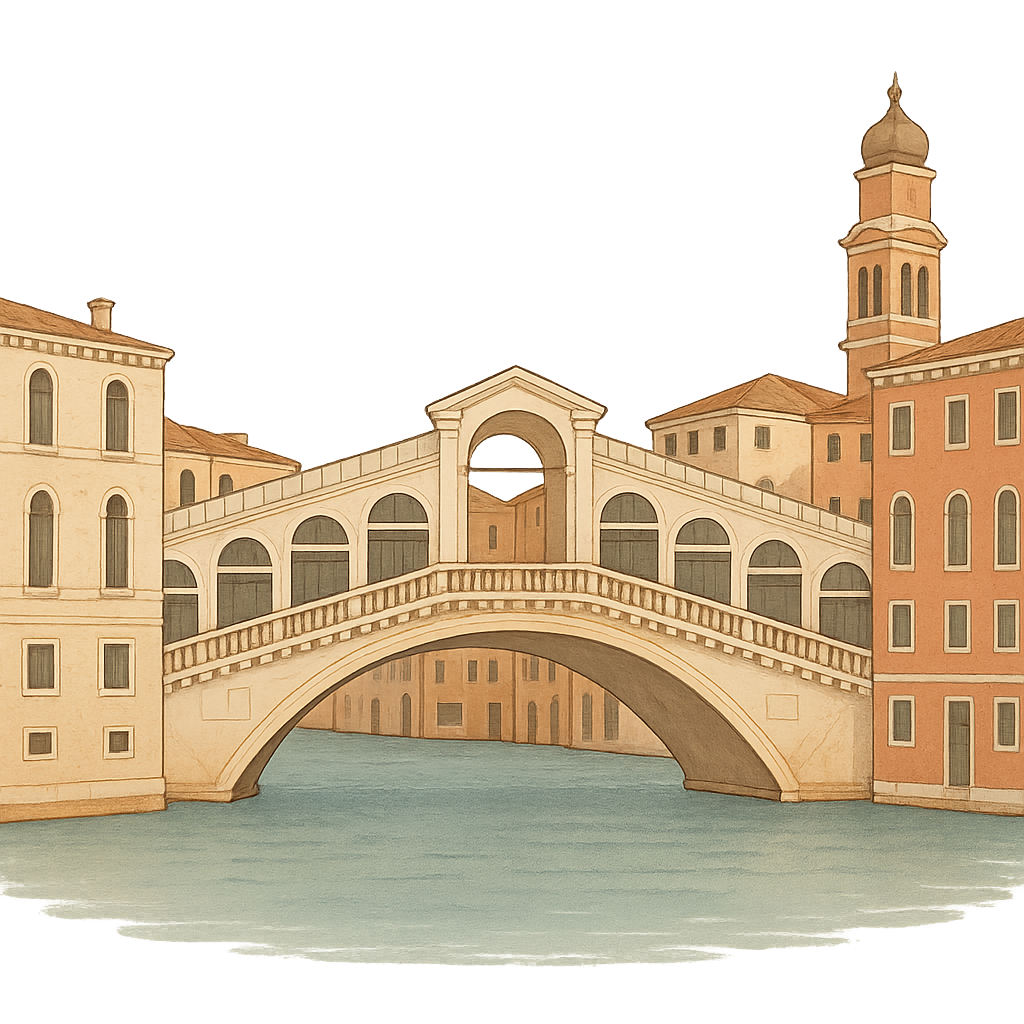
The main waterway of Venice, Italy, is a man-made canal that was likely formed from an ancient riverbed, lined with historic palaces and bustling with watercraft.
Take a Quiz
Question 1 of 5
In your own words, describe the two main construction phases of the Grand Canal mentioned in the story.
Explore next



Want to do even more?
Go beyond exploring. Unlock tools that turn every story into real learning.

Storypie Plus for families
Full stories, quizzes, and printables. Nights and car rides, sorted.
- Unlimited audio stories
- Create Mode: your child stars in the story
- Offline downloads
- Printable worksheets & coloring pages

Why Storypie for Schools
Students engaged. Prep in seconds. Evenings back to you.
- Worksheets & Quizzes
- Classroom Management
- Formative Assessment
- Custom Curriculum & Lesson Plans
- 27 Languages

Why Storypie for Homeschool
Curriculum done. They'll ask for more. Hours back in your day.
- Worksheet Generator
- First-Person Audio Stories
- Built-in Comprehension Quizzes
- Custom Curriculum & Lesson Plans
- Print & Go Activities