English

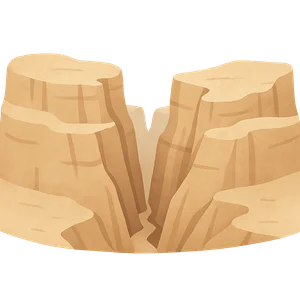
Great Rift Valley
The Great Rift Valley is a series of connected low areas in the ground, stretching over 6,000 to 7…
Reads at Grades 6–8 Listens at Grades 4–8
Print & create
Answer keys·No prep·Free with an account
28 worksheets · answer keys · full story · quiz · Ages 10-12 · CEFR B2
Plus adds 102,000+ more stories in 27 languages, audio for every one, and printables for all of them.
Just want Great Rift Valley?
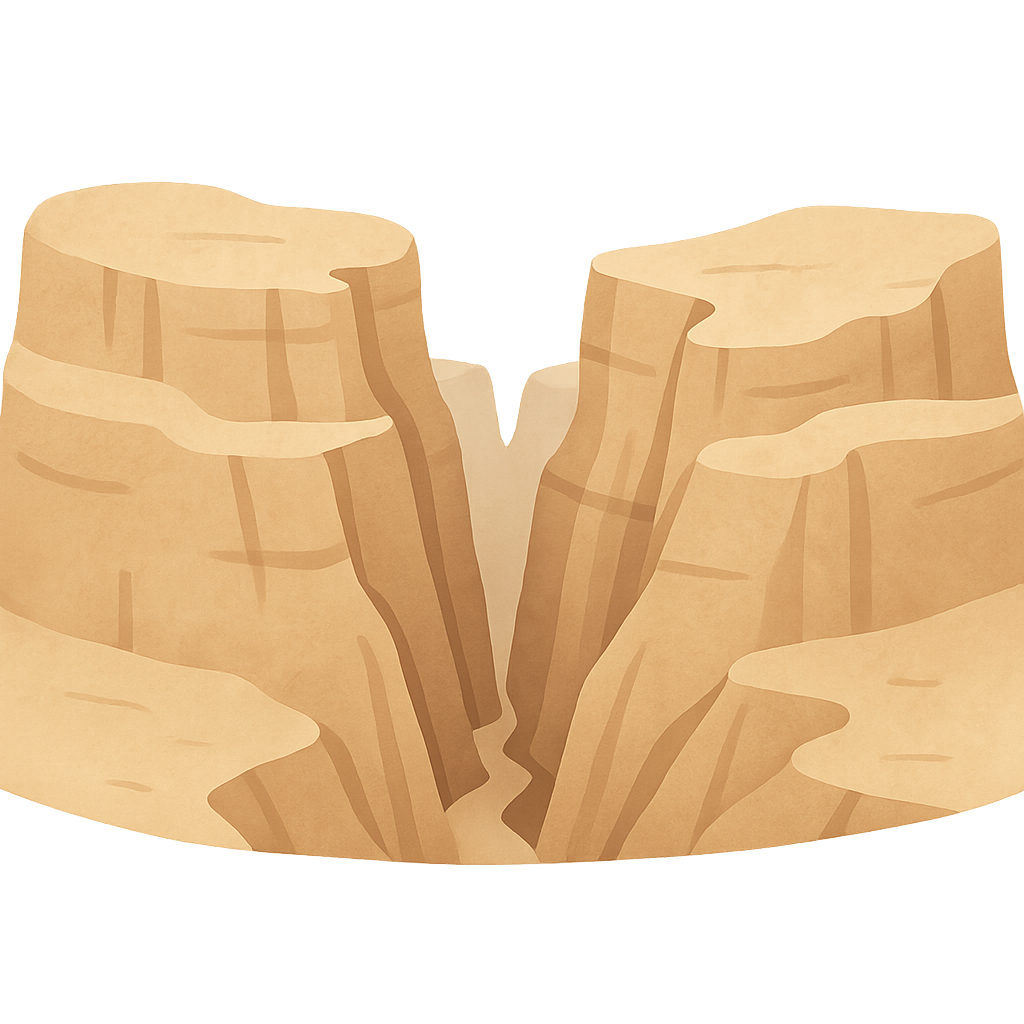
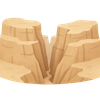
I stretch like a great, earthy scar across the face of the planet. For more than 6,000 kilometers, I run from the deserts of the Middle East down through the heart of eastern Africa. On my shoulders, I carry towering volcanoes that scrape the clouds, their peaks sometimes dusted with snow even on the equator. In the palms of my hands, I hold deep, shimmering lakes that reflect the endless blue sky. My skin is a tapestry of vast, golden savannas where life plays out in its most epic forms, and sheer cliffs that fall away for hundreds of meters. I am a wrinkle in time, a place where the ground itself holds memories millions of years old. You can feel the immense energy thrumming beneath your feet here, a constant reminder that the world is not static. It is a place where the planet is literally tearing itself apart, not in an act of destruction, but in an act of creation. I am the Great Rift Valley, the seam of a continent and the birthplace of a species.
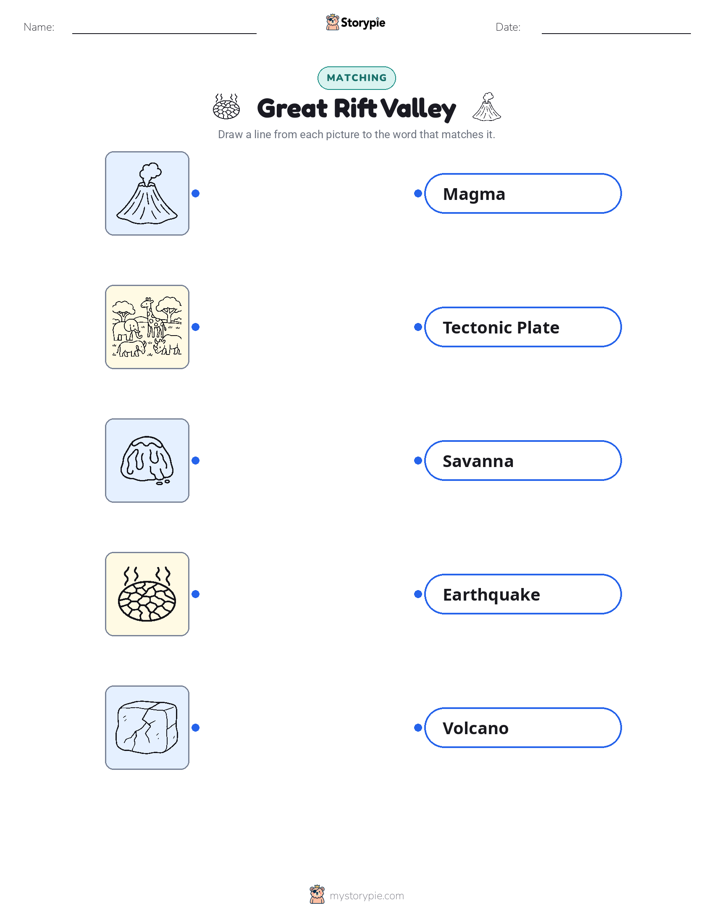
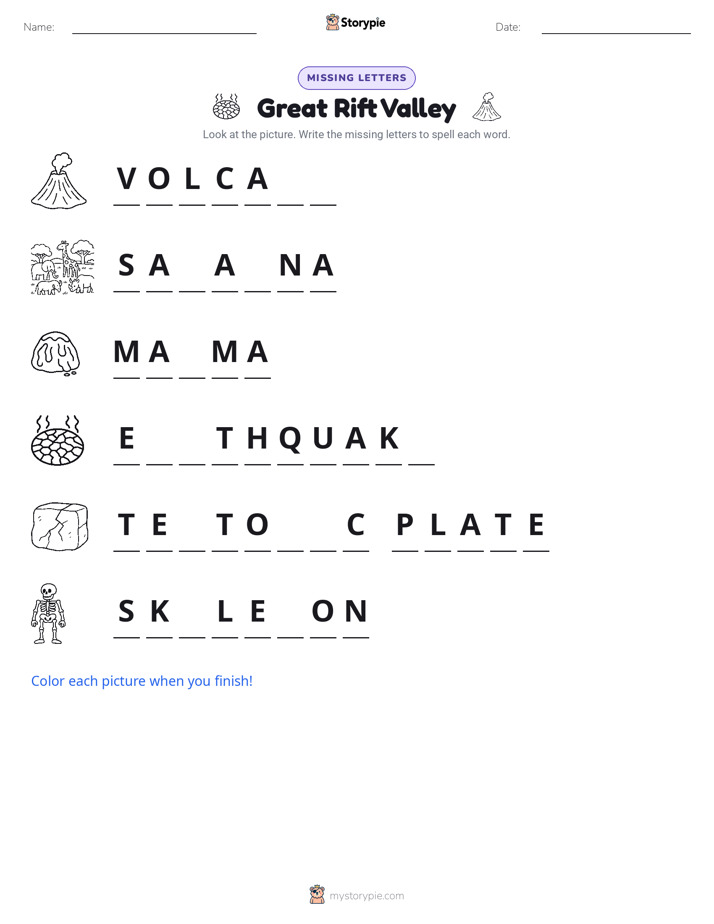
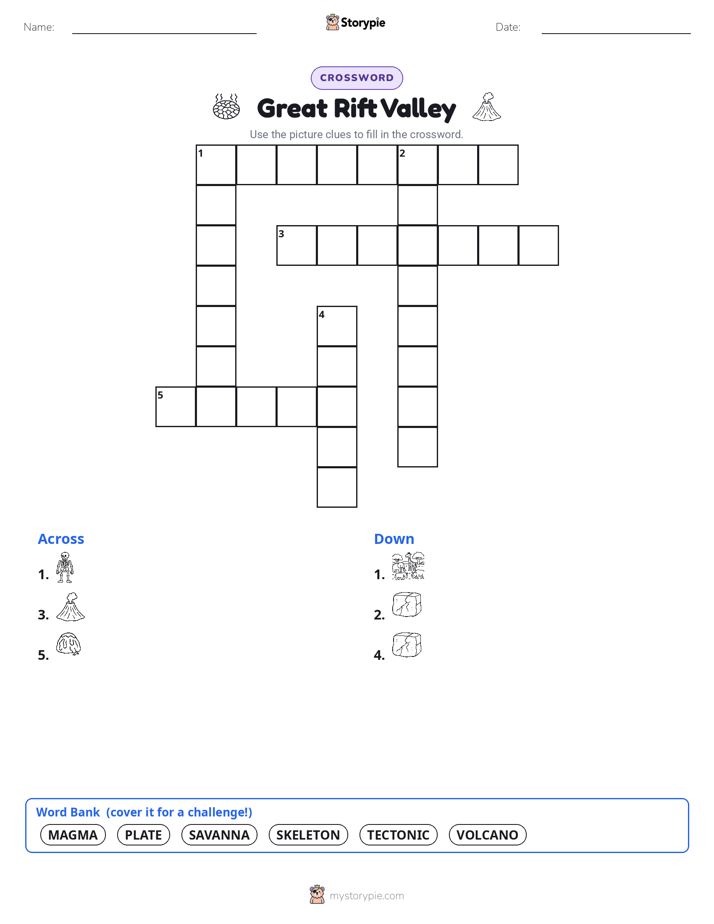
My story began with a deep, slow rumble, a movement so powerful it would reshape a continent. About 25 million years ago, the colossal African tectonic plate, which had been whole for ages, began to feel an immense strain from deep within the Earth’s mantle. The forces pulling on it caused it to stretch, thin, and eventually, to crack. This process is called rifting. Imagine taking a giant piece of paper and slowly, deliberately pulling it apart from both ends. First it thins, then it tears. That is what happened to the land here. This was not a quiet event. It was accompanied by unimaginable earthquakes that shook the ground for millennia and volcanic eruptions that painted the sky with fire and ash. Magma from the Earth’s molten core pushed its way to the surface, building the magnificent volcanoes you see today, like Mount Kilimanjaro and Mount Kenya. As the two new plates, the Somali Plate and the Nubian Plate, pulled away from each other, the block of land between them dropped down, creating the long, deep valley floor that defines me. Over millions of years, rain fell, rivers flowed, and this sunken land filled with water, forming the chain of beautiful lakes that are now jewels strung along my length.
The Great Rift Valley: A Story of a Crack in the World
I stretch like a great, earthy scar across the face of the planet. For more than 6,000 kilometers, I run from the deserts of the Middle East down through the heart of eastern Africa. On my shoulders, I carry towering volcanoes that scrape the clouds, their peaks sometimes dusted with snow even on the equator. In the palms of my hands, I hold deep, shimmering lakes that reflect the endless blue sky. My skin is a tapestry of vast, golden savannas where life plays out in its most epic forms, and sheer cliffs that fall away for hundreds of meters. I am a wrinkle in time, a place where the ground itself holds memories millions of years old. You can feel the immense energy thrumming beneath your feet here, a constant reminder that the world is not static. It is a place where the planet is literally tearing itself apart, not in an act of destruction, but in an act of creation. I am the Great Rift Valley, the seam of a continent and the birthplace of a species.
My story began with a deep, slow rumble, a movement so powerful it would reshape a continent. About 25 million years ago, the colossal African tectonic plate, which had been whole for ages, began to feel an immense strain from deep within the Earth’s mantle. The forces pulling on it caused it to stretch, thin, and eventually, to crack. This process is called rifting. Imagine taking a giant piece of paper and slowly, deliberately pulling it apart from both ends. First it thins, then it tears. That is what happened to the land here. This was not a quiet event. It was accompanied by unimaginable earthquakes that shook the ground for millennia and volcanic eruptions that painted the sky with fire and ash. Magma from the Earth’s molten core pushed its way to the surface, building the magnificent volcanoes you see today, like Mount Kilimanjaro and Mount Kenya. As the two new plates, the Somali Plate and the Nubian Plate, pulled away from each other, the block of land between them dropped down, creating the long, deep valley floor that defines me. Over millions of years, rain fell, rivers flowed, and this sunken land filled with water, forming the chain of beautiful lakes that are now jewels strung along my length.
My dramatic creation—with its new mountains, valleys, and water sources—forged a unique landscape. This mosaic of habitats, from lush forests on volcanic slopes to open grasslands on the valley floor, became a perfect laboratory for life to evolve and flourish. Because of this, I became a treasure chest of secrets, a library of life written in layers of earth and stone. For centuries, my deepest stories remained hidden. Then, people began to look closer. On July 17th, 1959, a determined paleoanthropologist named Mary Leakey was searching in Tanzania’s Olduvai Gorge, a place that cuts deep into my layers. There, she discovered the fossilized skull of an early human ancestor, Zinjanthropus, who lived 1.75 million years ago. Her discovery sent shockwaves through the scientific world. Then, on November 24th, 1974, in Hadar, Ethiopia, another scientist named Donald Johanson made an equally astounding find. He unearthed the partial skeleton of a female ancestor who lived over 3.2 million years ago. He and his team named her Lucy. Discoveries like these proved that my ancient soil was not just home to animals, but was the very ground upon which the first humans walked. I am the cradle of humankind, the starting point of our shared story.
My story is not over; in fact, it is still being written every single day. I am not a silent museum of the past but a living, breathing wonder. My savannas host the Great Migration, where millions of wildebeest, zebras, and gazelles thunder across the Serengeti plains in a timeless cycle of survival. My lakes, like Nakuru and Bogoria, turn a vibrant pink from the feathers of millions of flamingos that gather to feed in their alkaline waters. Many different peoples and cultures call my slopes and plains home, their lives intertwined with my geography and seasons. And deep beneath the ground, the rifting continues. Every year, the land pulls apart by a few more millimeters, a slow but unstoppable process that will one day split Africa in two and form a new ocean. I am a powerful, living reminder of our planet’s dynamic nature and its deep history. I connect every person alive today to the very beginning of our journey, a continuous line stretching back millions of years. I show you that the Earth is always changing, always creating, and that you are part of its incredible, ongoing story.
Wow facts
About
The Great Rift Valley is a series of connected low areas in the ground, stretching over 6,000 to 7,000 kilometers from Lebanon to Mozambique. It is famous for its beautiful landscapes and as the 'Cradle of Humankind' because many early human fossils have been found there.
Take a Quiz
Question 1 of 5
Summarize the main reason why the Great Rift Valley is called the 'Cradle of Humankind' based on the story.
Explore next

Want to do even more?
Go beyond exploring. Unlock tools that turn every story into real learning.

Storypie Plus for families
Full stories, quizzes, and printables. Nights and car rides, sorted.
- Unlimited audio stories
- Create Mode: your child stars in the story
- Offline downloads
- Printable worksheets & coloring pages

Why Storypie for Schools
Students engaged. Prep in seconds. Evenings back to you.
- Worksheets & Quizzes
- Classroom Management
- Formative Assessment
- Custom Curriculum & Lesson Plans
- 27 Languages

Why Storypie for Homeschool
Curriculum done. They'll ask for more. Hours back in your day.
- Worksheet Generator
- First-Person Audio Stories
- Built-in Comprehension Quizzes
- Custom Curriculum & Lesson Plans
- Print & Go Activities