English

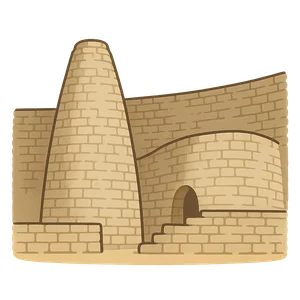
Great Zimbabwe
Great Zimbabwe is a ruined city in the south-eastern hills of Zimbabwe.
Reads at Grades 6–8 Listens at Grades 4–8
Print & create
Answer keys·No prep·Free with an account
28 worksheets · answer keys · full story · quiz · Ages 10-12 · CEFR B2
Plus adds 208,000+ more stories in 27 languages, audio for every one, and printables for all of them.
Just want Great Zimbabwe?
I am a city of whispers, where secrets are carried on the warm winds of Southern Africa. My body is built from countless granite stones, cut so perfectly that they fit together like pieces of a giant puzzle, with no mortar to hold them. For centuries, I have stood on a high plateau, watching the sun rise and set over the savanna. My walls are cool to the touch, and my narrow passages echo with the memories of kings, traders, and artisans. People who visit me today marvel at my scale and the skill of my builders. They run their hands over my weathered stones and wonder about the lives lived within me. My name, in the language of the people who created me, means ‘great houses of stone.’ I am Great Zimbabwe, and my story is carved into the very rock of this land. I am not a ruin of a forgotten time, but a living testament to the ingenuity and power of a great African kingdom that once thrived here, connecting this continent to the far corners of the world.
My story begins long ago, around the 11th century. The ancestors of the Shona people, who have lived in this region for generations, chose this place to build their home. They started high on a granite hill, crafting what is now called the Hill Complex. This was no ordinary settlement; it was a royal palace, a fortress overlooking the valley below, a seat of power for their kings. From this vantage point, they could see for miles, protecting their people and their resources. As the years turned into centuries, my influence grew. By the 13th century, I was no longer just a hilltop palace. I had blossomed into a bustling capital city, the vibrant heart of the Kingdom of Zimbabwe. My stone walls expanded across the valley, enclosing homes, workshops, and public spaces. At my peak, I was home to as many as 18,000 people. Imagine the sounds. The chatter of families, the clang of blacksmiths’ hammers shaping tools and weapons, the calls of merchants arranging their goods, and the ceremonies of kings that echoed from the Hill Complex. I was a center of political power, spiritual life, and community, a thriving metropolis that commanded respect across the region.
The Stone City of Whispers
I am a city of whispers, where secrets are carried on the warm winds of Southern Africa. My body is built from countless granite stones, cut so perfectly that they fit together like pieces of a giant puzzle, with no mortar to hold them. For centuries, I have stood on a high plateau, watching the sun rise and set over the savanna. My walls are cool to the touch, and my narrow passages echo with the memories of kings, traders, and artisans. People who visit me today marvel at my scale and the skill of my builders. They run their hands over my weathered stones and wonder about the lives lived within me. My name, in the language of the people who created me, means ‘great houses of stone.’ I am Great Zimbabwe, and my story is carved into the very rock of this land. I am not a ruin of a forgotten time, but a living testament to the ingenuity and power of a great African kingdom that once thrived here, connecting this continent to the far corners of the world.
My story begins long ago, around the 11th century. The ancestors of the Shona people, who have lived in this region for generations, chose this place to build their home. They started high on a granite hill, crafting what is now called the Hill Complex. This was no ordinary settlement; it was a royal palace, a fortress overlooking the valley below, a seat of power for their kings. From this vantage point, they could see for miles, protecting their people and their resources. As the years turned into centuries, my influence grew. By the 13th century, I was no longer just a hilltop palace. I had blossomed into a bustling capital city, the vibrant heart of the Kingdom of Zimbabwe. My stone walls expanded across the valley, enclosing homes, workshops, and public spaces. At my peak, I was home to as many as 18,000 people. Imagine the sounds. The chatter of families, the clang of blacksmiths’ hammers shaping tools and weapons, the calls of merchants arranging their goods, and the ceremonies of kings that echoed from the Hill Complex. I was a center of political power, spiritual life, and community, a thriving metropolis that commanded respect across the region.
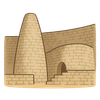
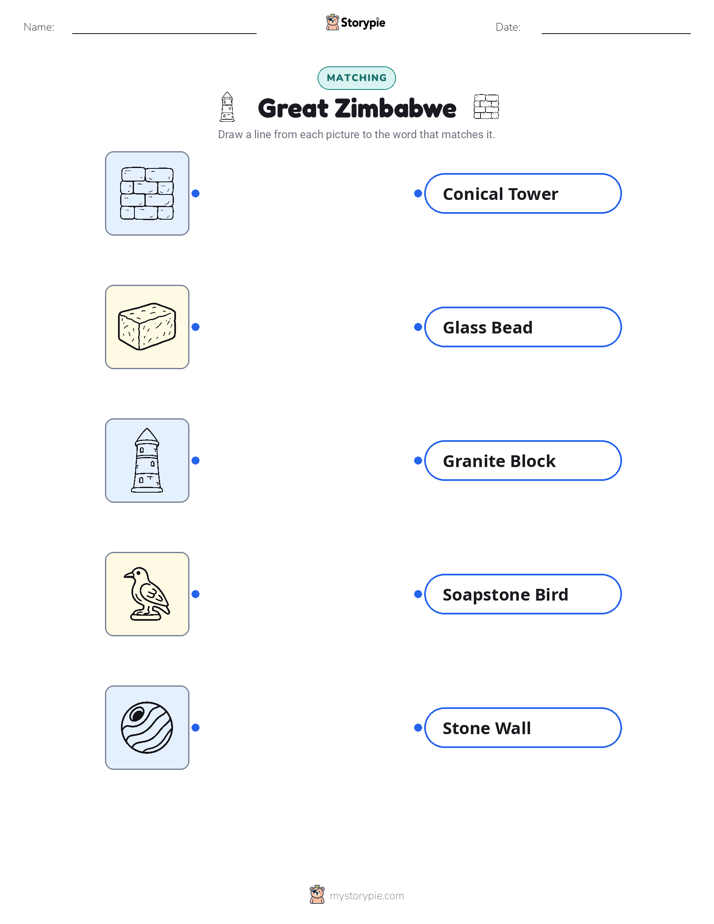
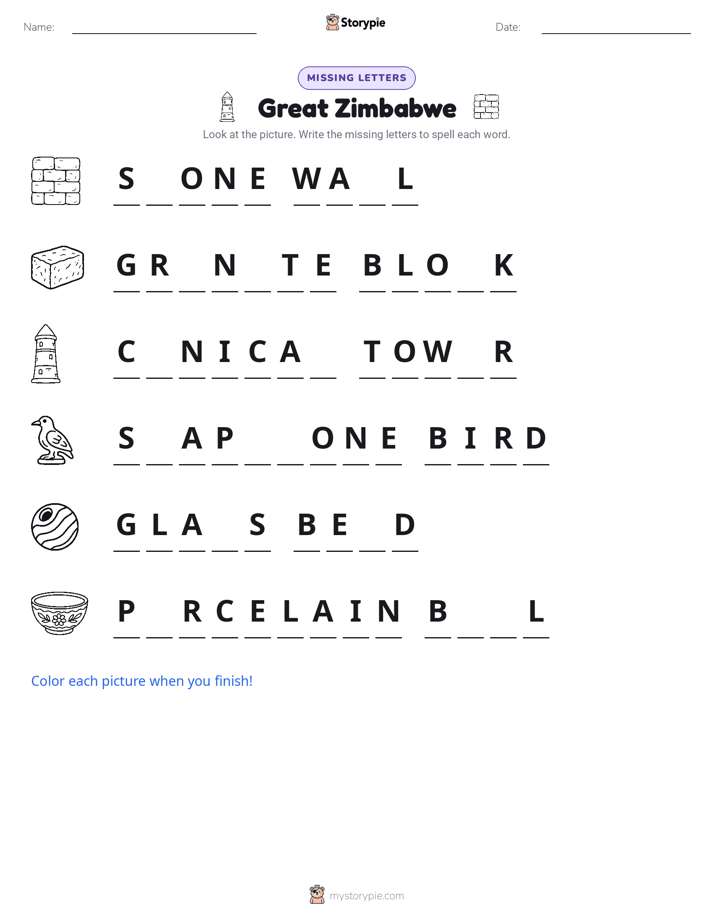
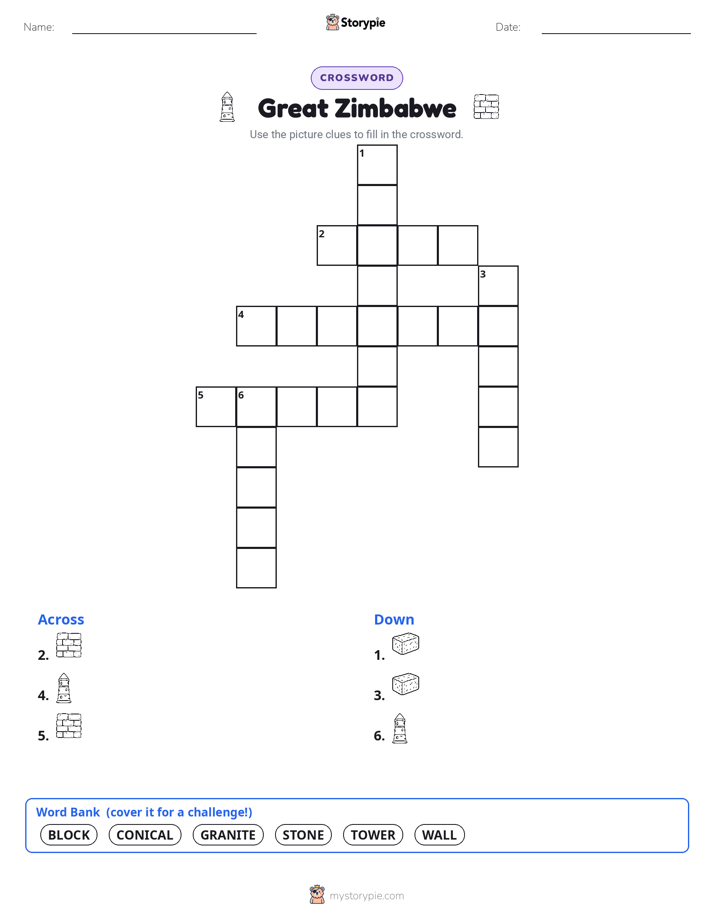
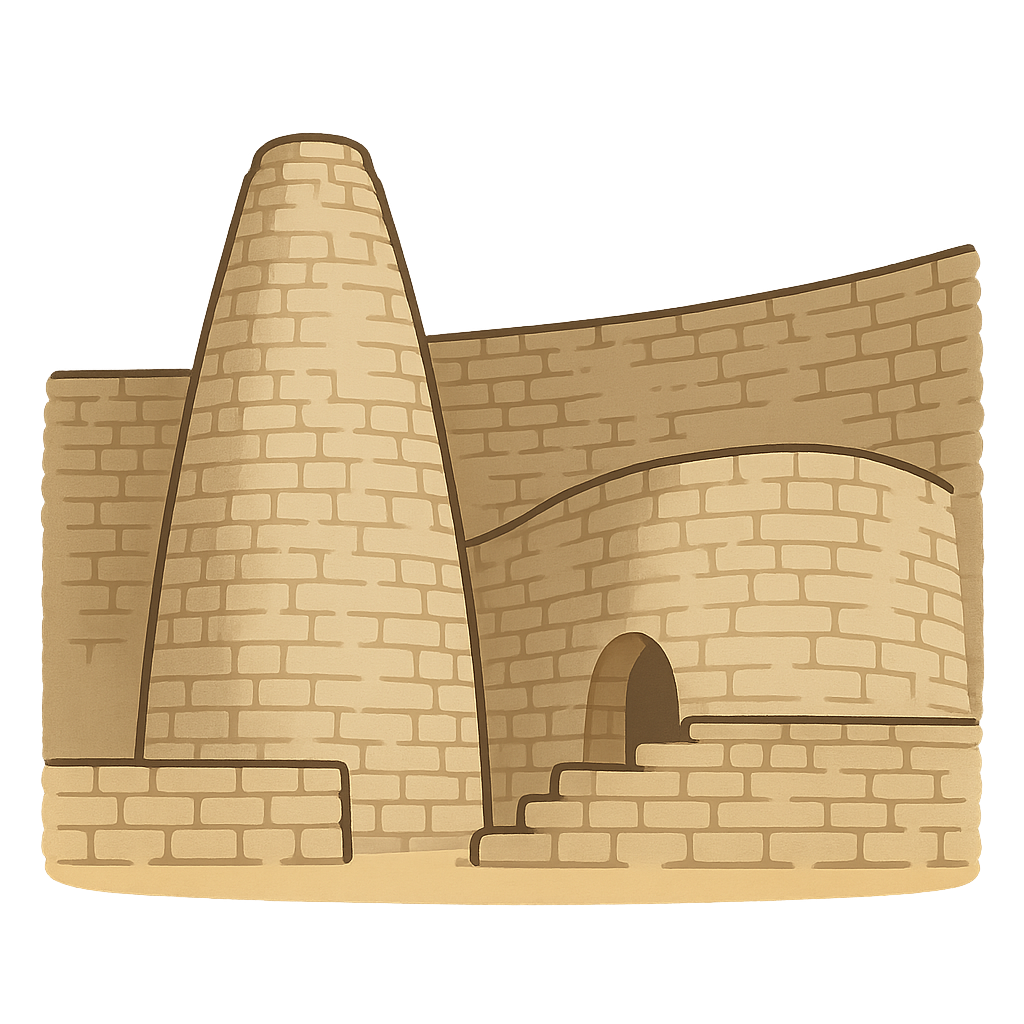
My most glorious years unfolded between about 1250 and 1450. This was my golden age, a time when I was a vital hub in a vast network of international trade. The hills around me were rich with gold, and my skilled people mined it from the earth. They also gathered precious ivory from the elephants that roamed the plains. These valuable goods did not stay here. My merchants embarked on long journeys to the coast, where they met traders from faraway lands. From their ships came treasures I had never seen before. I received shimmering glass beads from India, which my people wore as jewelry, and delicate, intricately painted porcelain bowls all the way from China, used by my royal families. My wealth and power were displayed in my architecture. During this time, my most famous structure, the Great Enclosure, was built. Its massive outer wall, over five meters thick and eleven meters high, curves elegantly without a single straight line. It was a statement of prestige, not just defense. Inside it stands the mysterious Conical Tower, a solid stone structure nearly ten meters tall. To this day, no one knows its exact purpose. Was it a symbol of the king's power, a granary, or something else entirely? The mystery only adds to my allure. It was also during this golden age that my artists carved incredible soapstone figures of a bird, which sat atop stone columns. This Zimbabwe Bird became a sacred emblem, a symbol of our connection to the sky and our ancestors, and it remains the national symbol of the country today.
Every golden age must eventually fade. Around the year 1450, a slow change began. The sounds of the bustling city grew fainter as my people started to move away. The reasons are still debated by historians. Perhaps the land, after supporting so many for so long, could no longer provide enough food and water. Maybe the gold mines were exhausted, or perhaps the trade routes shifted, moving the center of commerce elsewhere. Whatever the cause, my population dwindled, and I fell into a long, quiet slumber. For centuries, I stood silent, my magnificent stone walls reclaimed by nature. Then, in 1871, a German explorer named Karl Mauch was guided to my location by local people. The sight of my grand structures amazed him, but he and many other Europeans who followed could not believe that I was the work of local Africans. They invented strange theories about who could have built me, refusing to see the evidence of the civilization right in front of them. It was a deep injustice to the memory of my creators. However, truth has a way of enduring, just like my stone walls. Over the next century, dedicated archaeologists carefully studied my construction, the pottery, and the artifacts left behind. Their work proved without a doubt that I was a true African creation, a masterpiece of local engineering, artistry, and social organization, built by the ancestors of the Shona people.
My silence was finally broken, and my true story is now told to the world. In 1986, my importance was officially recognized when I was named a UNESCO World Heritage Site, a treasure belonging to all of humanity. Today, I am more than just an archaeological site. I am a powerful symbol of heritage and pride for the modern nation that took my name: Zimbabwe. The soapstone bird that was once my emblem now graces the country's flag. I stand as undeniable proof of a great and sophisticated African civilization from centuries past. My walls remind every visitor of the ingenuity, resilience, and community that built me. I am a lesson written in stone, a story of a kingdom that rose, thrived, and left a legacy that continues to inspire awe and wonder in all who walk through my ancient passages.
Wow facts
About
Great Zimbabwe is a ruined city in the south-eastern hills of Zimbabwe. It was the capital of the Kingdom of Zimbabwe during the country's Late Iron Age and is a UNESCO World Heritage Site.
Take a Quiz
Question 1 of 5
Based on the story, summarize the main events of Great Zimbabwe's history in the correct order.
Explore next






Want to do even more?
Go beyond exploring. Unlock tools that turn every story into real learning.

Storypie Plus for families
Full stories, quizzes, and printables. Nights and car rides, sorted.
- Unlimited audio stories
- Create Mode: your child stars in the story
- Offline downloads
- Printable worksheets & coloring pages

Why Storypie for Schools
Students engaged. Prep in seconds. Evenings back to you.
- Worksheets & Quizzes
- Classroom Management
- Formative Assessment
- Custom Curriculum & Lesson Plans
- 27 Languages

Why Storypie for Homeschool
Curriculum done. They'll ask for more. Hours back in your day.
- Worksheet Generator
- First-Person Audio Stories
- Built-in Comprehension Quizzes
- Custom Curriculum & Lesson Plans
- Print & Go Activities