English

Honshu
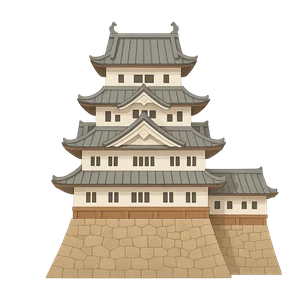
Honshu is the largest and most populous island of Japan, home to major cities like Tokyo, Kyoto, and Osaka…
Reads at Grades 6–8 Listens at Grades 4–8
Print & create
Answer keys·No prep·Free with an account
28 worksheets · answer keys · full story · quiz · Ages 10-12 · CEFR B2
Plus adds 208,000+ more stories in 27 languages, audio for every one, and printables for all of them.
Just want Honshu?
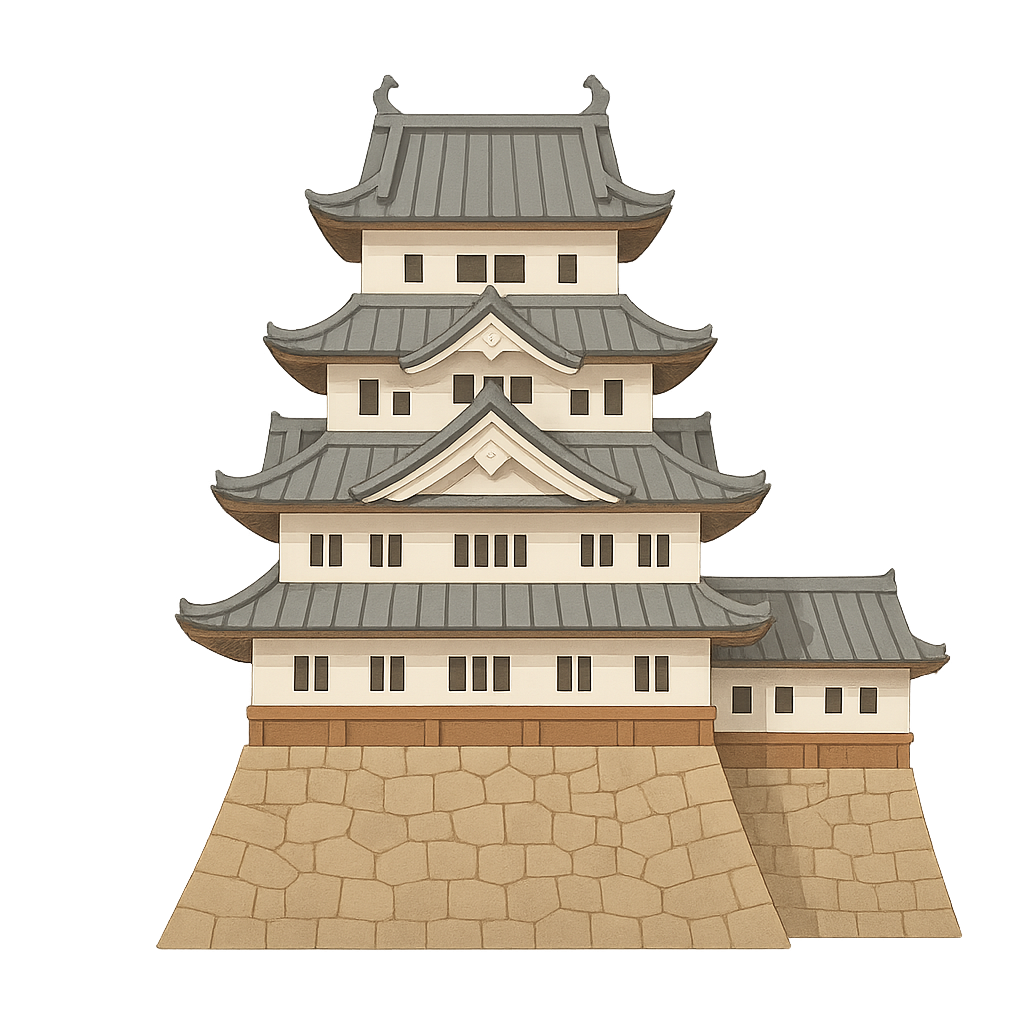
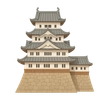
Feel the biting chill of a winter wind as it sweeps across my northern plains, dusting everything in a thick blanket of pure white snow. Now, travel south with that wind until it warms, carrying the scent of salt and sun as it skims over sparkling blue waters and sandy beaches. I am a land of deep contrasts. In my heart, you can find quiet, spiritual forests where ancient cedar trees whisper secrets to the sky, and you can stand in the shadow of my most famous mountain, the majestic and serene Mount Fuji. But I am also a place of incredible energy, where millions of people move like a river through canyons of glass and steel. You can hear the deep, resonant clang of a temple bell one moment, and the next, the near-silent whoosh of a futuristic train slicing through the air at impossible speeds. I am a tapestry woven from threads of the ancient and the modern, a place where serene gardens exist just steps away from the world's busiest city intersections. My story is written in stone castles, wooden shrines, and neon lights. I am Honshu, the heart of Japan.
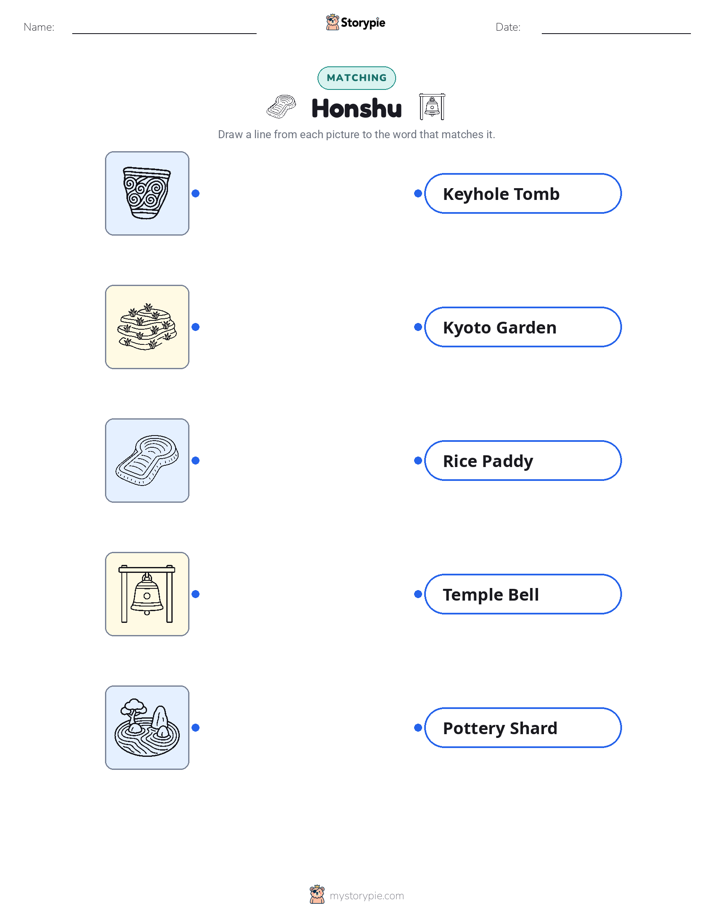
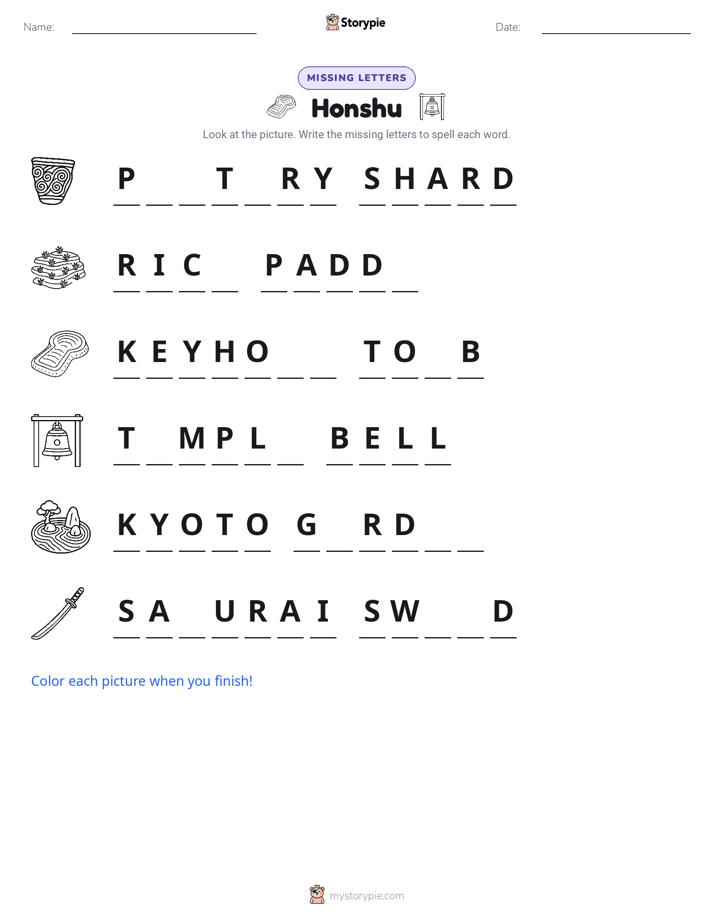
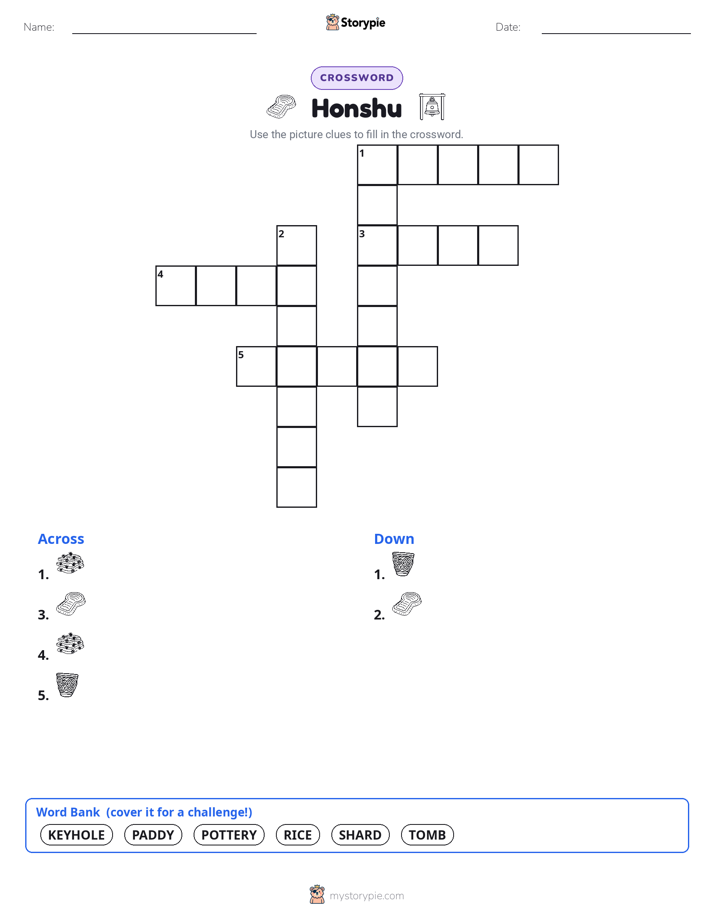
My story begins so long ago that time itself feels like a deep ocean. The first people to call me home, the Jōmon, arrived around 10,000 BCE. They were skilled hunter-gatherers and incredible artists who crafted intricate pottery decorated with swirling rope-like patterns. For thousands of years, they lived in harmony with my forests and coasts. Then, around 300 BCE, a new wave of people, the Yayoi, brought a revolutionary idea: agriculture. They transformed my landscape, carefully cultivating rice paddies that shimmered like mirrors under the sun. This new way of life allowed for larger communities and powerful leaders to emerge. Starting around 250 CE, during what is called the Kofun period, these leaders were laid to rest in enormous tombs, some shaped like giant keyholes, mounds of earth that still mark my countryside today. As society grew more complex, my people sought a center for their government and faith. In the year 710 CE, they established my first truly permanent capital, the grand city of Nara, filled with magnificent Buddhist temples and a giant bronze statue of the Buddha. But the imperial court dreamed of an even grander home. On the 22nd of October, 794 CE, they moved to a new capital, Heian-kyō, a city designed for elegance and beauty. This place, which you now know as Kyoto, became the heart of a golden age of culture, where art, poetry, and literature flourished, and the iconic warrior class, the samurai, began its rise to prominence.
The Island Heart of Japan
Feel the biting chill of a winter wind as it sweeps across my northern plains, dusting everything in a thick blanket of pure white snow. Now, travel south with that wind until it warms, carrying the scent of salt and sun as it skims over sparkling blue waters and sandy beaches. I am a land of deep contrasts. In my heart, you can find quiet, spiritual forests where ancient cedar trees whisper secrets to the sky, and you can stand in the shadow of my most famous mountain, the majestic and serene Mount Fuji. But I am also a place of incredible energy, where millions of people move like a river through canyons of glass and steel. You can hear the deep, resonant clang of a temple bell one moment, and the next, the near-silent whoosh of a futuristic train slicing through the air at impossible speeds. I am a tapestry woven from threads of the ancient and the modern, a place where serene gardens exist just steps away from the world's busiest city intersections. My story is written in stone castles, wooden shrines, and neon lights. I am Honshu, the heart of Japan.
My story begins so long ago that time itself feels like a deep ocean. The first people to call me home, the Jōmon, arrived around 10,000 BCE. They were skilled hunter-gatherers and incredible artists who crafted intricate pottery decorated with swirling rope-like patterns. For thousands of years, they lived in harmony with my forests and coasts. Then, around 300 BCE, a new wave of people, the Yayoi, brought a revolutionary idea: agriculture. They transformed my landscape, carefully cultivating rice paddies that shimmered like mirrors under the sun. This new way of life allowed for larger communities and powerful leaders to emerge. Starting around 250 CE, during what is called the Kofun period, these leaders were laid to rest in enormous tombs, some shaped like giant keyholes, mounds of earth that still mark my countryside today. As society grew more complex, my people sought a center for their government and faith. In the year 710 CE, they established my first truly permanent capital, the grand city of Nara, filled with magnificent Buddhist temples and a giant bronze statue of the Buddha. But the imperial court dreamed of an even grander home. On the 22nd of October, 794 CE, they moved to a new capital, Heian-kyō, a city designed for elegance and beauty. This place, which you now know as Kyoto, became the heart of a golden age of culture, where art, poetry, and literature flourished, and the iconic warrior class, the samurai, began its rise to prominence.
For centuries, power shifted from the emperor’s court to the hands of these mighty samurai warriors and their leaders, the shoguns. After years of conflict between rival clans, a brilliant and patient leader named Tokugawa Ieyasu finally unified the country under his rule. In 1603, he made a bold decision. He turned away from the traditional capital and established his government in a small fishing village on my eastern coast called Edo. Under his leadership and that of his descendants, Edo exploded in size and energy, transforming into one of the largest and most vibrant cities on Earth, a bustling center of commerce and culture. My body pulsed with the life of this new city. This era of peace lasted for over 250 years, but change was coming. In 1868, a period of incredible transformation known as the Meiji Restoration began. The shogun’s government fell, and power was returned to the young Emperor Meiji. To signify this new era, Edo was given a new name: Tokyo, which means 'Eastern Capital.' A tidal wave of change swept over me. Factories rose, steam locomotives chugged along newly laid railway tracks, and ideas from all over the world flooded in. Nothing symbolized this leap into the future more than the Shinkansen, the bullet train. On October 1st, 1964, just in time for the Tokyo Olympics, the first of these incredible machines began racing between Tokyo and Osaka, a silver streak of lightning that felt like the pulse of a new Japan beating across my spine.
My existence is a dynamic one, shaped by the very ground beneath me. I am part of the Pacific Ring of Fire, a region of intense geological activity, which means I live with the constant rumbling of the earth and the heat of volcanoes. My soul has been shaken many times, but the spirit of my people has never been broken. On March 11th, 2011, a massive earthquake off my northeastern coast, the Tōhoku earthquake, unleashed a powerful tsunami that brought immense challenges. It was a moment of profound sorrow, but it also became a testament to the incredible resilience and compassion of the people who call me home. In the face of devastation, they did not despair. Instead, they came together, helping one another rebuild, and used their knowledge to innovate. They developed stronger buildings, more advanced warning systems, and community plans to better prepare for the future. My story is not just one of emperors and shoguns, but of everyday people whose strength and spirit are as powerful as any force of nature. I am a living story, a bridge connecting an ancient past to a limitless future. I hold the wisdom of old forests in my mountains and dream of tomorrow in my shining cities, always ready to share my journey with the world.
Wow facts
About
Honshu is the largest and most populous island of Japan, home to major cities like Tokyo, Kyoto, and Osaka, and iconic landmarks such as Mount Fuji.
Take a Quiz
Question 1 of 5
What is the central theme of Honshu's story?
Explore next


Want to do even more?
Go beyond exploring. Unlock tools that turn every story into real learning.

Storypie Plus for families
Full stories, quizzes, and printables. Nights and car rides, sorted.
- Unlimited audio stories
- Create Mode: your child stars in the story
- Offline downloads
- Printable worksheets & coloring pages

Why Storypie for Schools
Students engaged. Prep in seconds. Evenings back to you.
- Worksheets & Quizzes
- Classroom Management
- Formative Assessment
- Custom Curriculum & Lesson Plans
- 27 Languages

Why Storypie for Homeschool
Curriculum done. They'll ask for more. Hours back in your day.
- Worksheet Generator
- First-Person Audio Stories
- Built-in Comprehension Quizzes
- Custom Curriculum & Lesson Plans
- Print & Go Activities