English

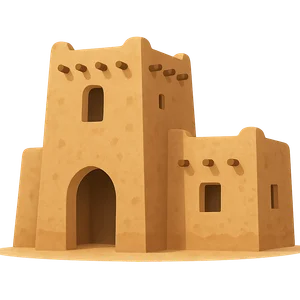
Kalahari Desert
A large, semi-arid sandy savanna in Southern Africa, home to unique…
Reads at Grades 3–5 Listens at Grades 1–5
Print & create
Answer keys·No prep·Free with an account
28 worksheets · answer keys · full story · quiz · Ages 8-10 · CEFR B1
Plus adds 102,000+ more stories in 27 languages, audio for every one, and printables for all of them.
Just want Kalahari Desert?
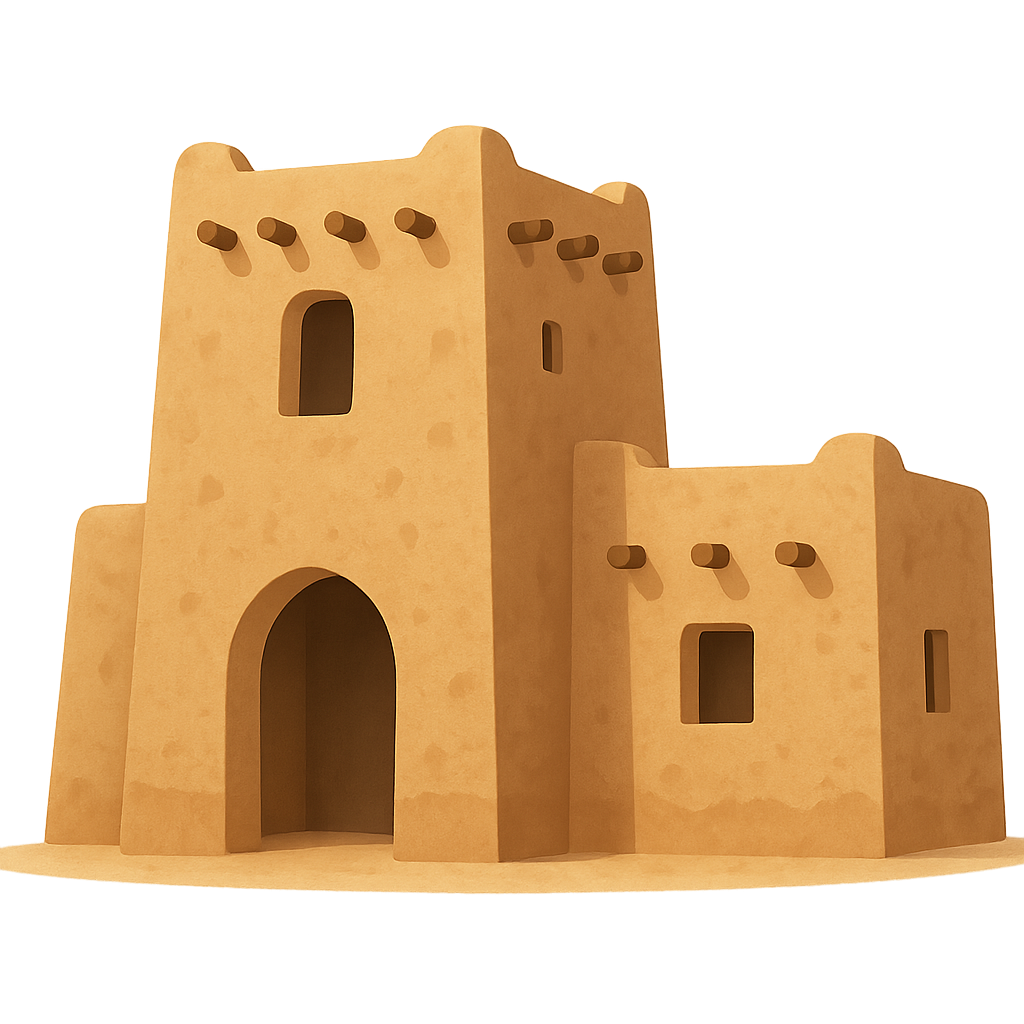
Imagine a place where the sand is the color of a sunset, stretching out like a giant, soft blanket. In the day, the sun warms your skin, and at night, the sky is so clear you feel like you can touch the stars. This is my world. My red and white sands shift and whisper in the wind, covering parts of three great countries in Southern Africa—Botswana, Namibia, and South Africa. You might hear the call of a barking gecko or see the delicate tracks of a meerkat scurrying home. People sometimes call me a desert because I am a very thirsty land, but I am filled with more life than you can imagine. I am the Kalahari Desert, but I am no ordinary desert.
My story is as old as the rocks and sand that form me. I have existed for millions of years, shaped by wind and time. But my most important story began with people, my very first friends. More than 60,000 years ago, the San people made their home here. They were masters of survival and knew all my secrets. They didn’t see an empty wasteland; they saw a home that provided everything they needed. They could find water hidden inside the tsamma melon or even in the shell of an ostrich egg. They read the animal tracks in my sand like a book, understanding which way a springbok went or where a lion was resting. They never took more than they needed, living in harmony with my plants and animals. On the cool, smooth faces of my rocks, they painted their stories with pigments made from earth and minerals, creating beautiful art that can still be seen today. These paintings are their history books, telling tales of great hunts, spiritual dances, and the rhythm of life within me.
The Thirsty Land that Sings
Imagine a place where the sand is the color of a sunset, stretching out like a giant, soft blanket. In the day, the sun warms your skin, and at night, the sky is so clear you feel like you can touch the stars. This is my world. My red and white sands shift and whisper in the wind, covering parts of three great countries in Southern Africa—Botswana, Namibia, and South Africa. You might hear the call of a barking gecko or see the delicate tracks of a meerkat scurrying home. People sometimes call me a desert because I am a very thirsty land, but I am filled with more life than you can imagine. I am the Kalahari Desert, but I am no ordinary desert.
My story is as old as the rocks and sand that form me. I have existed for millions of years, shaped by wind and time. But my most important story began with people, my very first friends. More than 60,000 years ago, the San people made their home here. They were masters of survival and knew all my secrets. They didn’t see an empty wasteland; they saw a home that provided everything they needed. They could find water hidden inside the tsamma melon or even in the shell of an ostrich egg. They read the animal tracks in my sand like a book, understanding which way a springbok went or where a lion was resting. They never took more than they needed, living in harmony with my plants and animals. On the cool, smooth faces of my rocks, they painted their stories with pigments made from earth and minerals, creating beautiful art that can still be seen today. These paintings are their history books, telling tales of great hunts, spiritual dances, and the rhythm of life within me.
For thousands of years, the San people were my main companions. But time always brings change. Other groups of people began to arrive, and my quiet world started to get busier. Then, a new kind of visitor came, one from very far away. In the year 1849, a Scottish explorer named David Livingstone decided to cross my vast landscape. His journey was incredibly difficult. He and his team faced intense heat and a constant search for water. They relied on the knowledge of local guides to survive. When he finally made it across, he wrote down everything he saw. His maps and stories traveled back to Europe, and suddenly, people all over the world knew my name. I was no longer just a home for the San people and my animals. I had become a new frontier, a place to be mapped, studied, and explored. This brought more people, more change, and new challenges for the way of life that had existed for so long.
After many years of change, people began to understand that I was a precious place that needed to be protected. They saw the strength of my animals and the deep wisdom of my first people, and they knew it was a treasure worth saving. In 1961, a large part of me in Botswana was set aside as the Central Kalahari Game Reserve, creating a safe space for lions, giraffes, and wild dogs to roam freely. Then, something wonderful happened. On May 12th, 2000, Botswana and South Africa agreed to join their protected lands together. They created the Kgalagadi Transfrontier Park, a huge area without fences in between, allowing my animal families to wander across the border just as they always had. Today, I am not an empty space on a map. I am a vibrant world, a living treasure that teaches people about resilience, cooperation, and the importance of protecting wild places. I hold the ancient stories of the San and the future of countless creatures, reminding everyone that even in the thirstiest of lands, life sings.
Wow facts
About
A large, semi-arid sandy savanna in Southern Africa, home to unique, adapted wildlife and the ancient San people, who are among the oldest continuous cultures on Earth.
Take a Quiz
Question 1 of 5
In the story, I say the San people read animal tracks 'like a book'. What does this phrase mean?
Explore next


Want to do even more?
Go beyond exploring. Unlock tools that turn every story into real learning.

Storypie Plus for families
Full stories, quizzes, and printables. Nights and car rides, sorted.
- Unlimited audio stories
- Create Mode: your child stars in the story
- Offline downloads
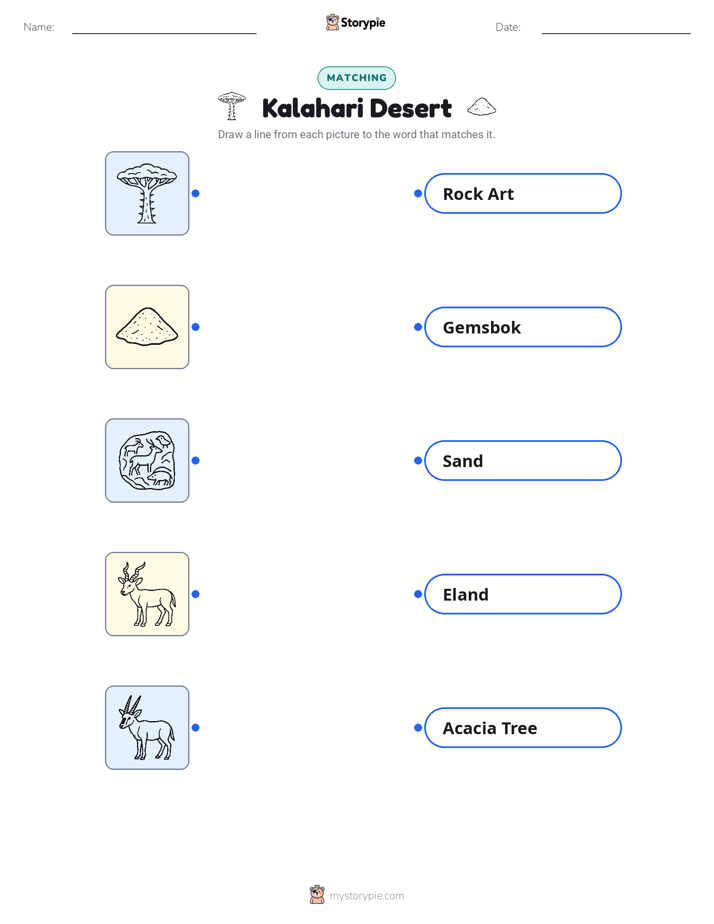
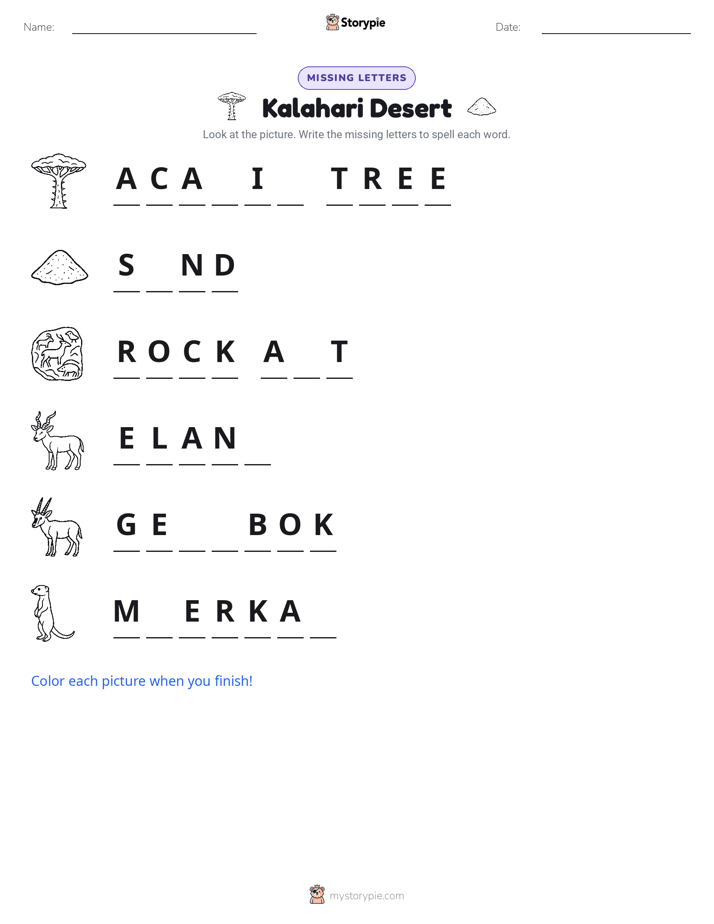
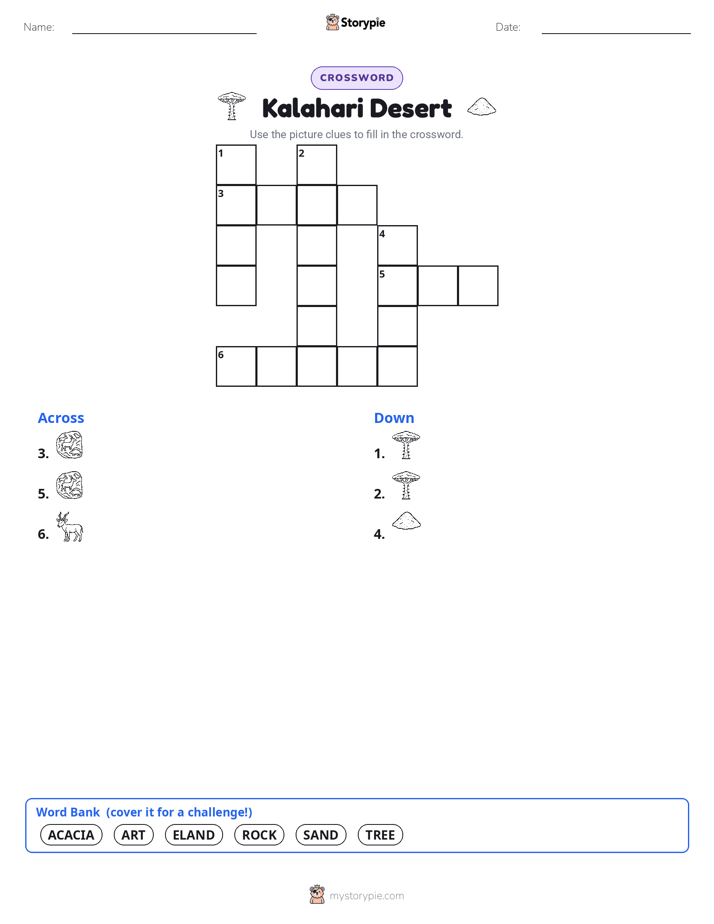
- Printable worksheets & coloring pages

Why Storypie for Schools
Students engaged. Prep in seconds. Evenings back to you.
- Worksheets & Quizzes
- Classroom Management
- Formative Assessment
- Custom Curriculum & Lesson Plans
- 27 Languages

Why Storypie for Homeschool
Curriculum done. They'll ask for more. Hours back in your day.
- Worksheet Generator
- First-Person Audio Stories
- Built-in Comprehension Quizzes
- Custom Curriculum & Lesson Plans
- Print & Go Activities