English

Lake Titicaca
Lake Titicaca is a large, deep lake in the Andes on the border of Bolivia and Peru…
Reads at Grades 6–8 Listens at Grades 4–8
Print & create
Answer keys·No prep·Free with an account
28 worksheets · answer keys · full story · quiz · Ages 10-12 · CEFR B2
Plus adds 164,000+ more stories in 27 languages, audio for every one, and printables for all of them.
Just want Lake Titicaca?
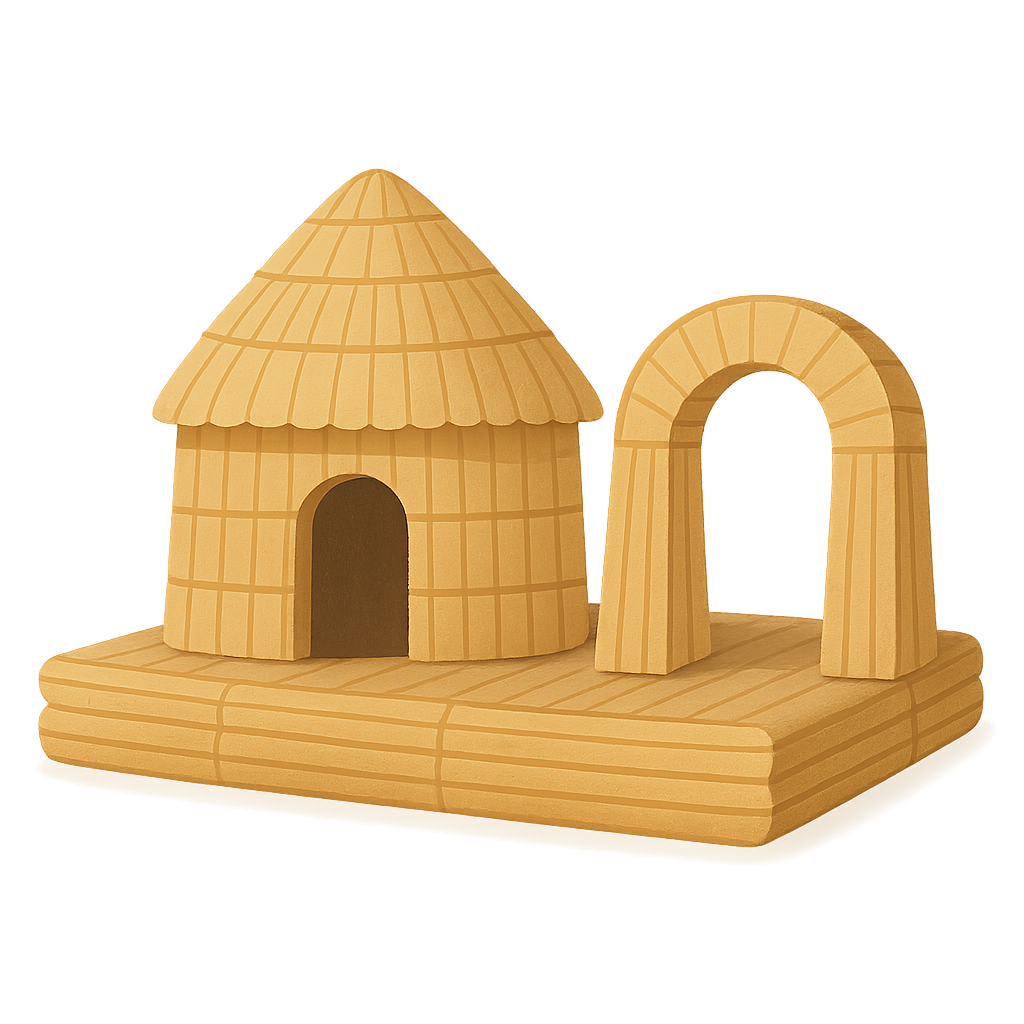
I am a vast expanse of deep blue water, so wide it feels like an ocean, cradled by towering, snow-dusted mountains that scrape the sky. The air here is thin and crisp, and I am so high up that on clear nights, the stars feel close enough to touch. I am a sea in the sky, the highest large lake in the world that big boats can sail upon. For thousands of years, people have looked at my shimmering surface with a sense of wonder, feeling a connection to something ancient and powerful. They have built their lives on my shores, fished in my waters, and told stories about my origins. I am a place of legends and history, a living heart in the Andes mountains. My name is Lake Titicaca, and I sit proudly on the border of two great South American countries, Peru and Bolivia, a mirror reflecting the history of the land around me.
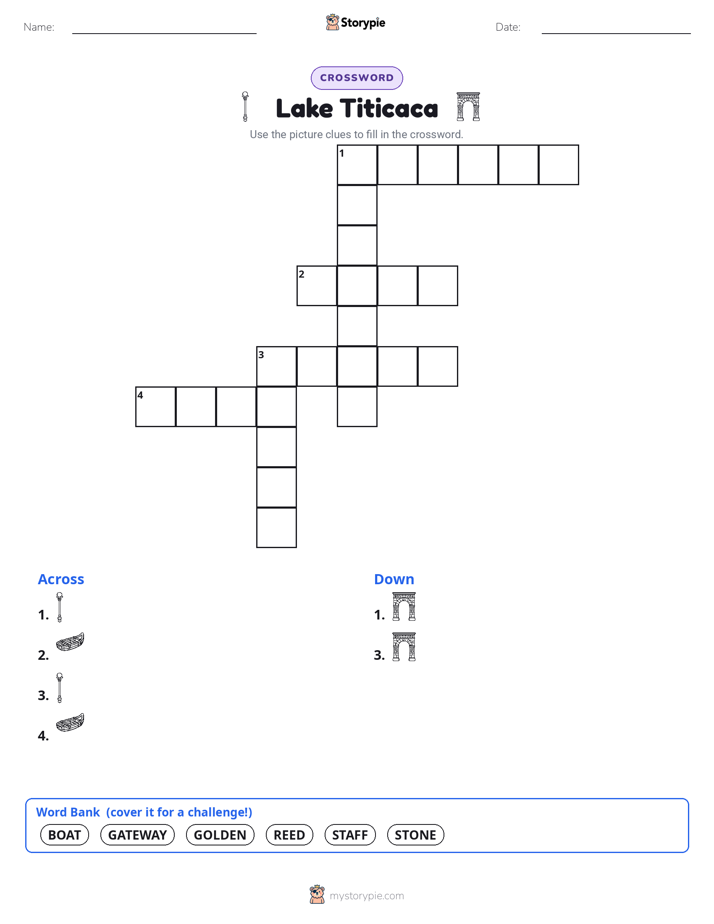
My story begins long before people arrived, around 3 million years ago, when the mighty Andes mountains buckled and folded, pushing the earth upward and lifting me towards the sky. The first humans to see my waters must have been amazed. They built their lives around my gifts. Around 300 BCE, a great civilization known as the Tiwanaku grew along my southern shores. They were brilliant engineers, farmers, and astronomers. They created a grand city of stone with impressive temples and precisely carved gateways, and they looked to me for life-giving water for their crops of potatoes and quinoa. The Tiwanaku people understood my rhythms, building sophisticated irrigation systems that allowed them to thrive in this high-altitude environment for over a thousand years. When their civilization eventually faded, they left behind mysterious ruins that still puzzle archaeologists today, silent reminders of a powerful and clever people who first called me their home.
The Lake in the Clouds
I am a vast expanse of deep blue water, so wide it feels like an ocean, cradled by towering, snow-dusted mountains that scrape the sky. The air here is thin and crisp, and I am so high up that on clear nights, the stars feel close enough to touch. I am a sea in the sky, the highest large lake in the world that big boats can sail upon. For thousands of years, people have looked at my shimmering surface with a sense of wonder, feeling a connection to something ancient and powerful. They have built their lives on my shores, fished in my waters, and told stories about my origins. I am a place of legends and history, a living heart in the Andes mountains. My name is Lake Titicaca, and I sit proudly on the border of two great South American countries, Peru and Bolivia, a mirror reflecting the history of the land around me.
My story begins long before people arrived, around 3 million years ago, when the mighty Andes mountains buckled and folded, pushing the earth upward and lifting me towards the sky. The first humans to see my waters must have been amazed. They built their lives around my gifts. Around 300 BCE, a great civilization known as the Tiwanaku grew along my southern shores. They were brilliant engineers, farmers, and astronomers. They created a grand city of stone with impressive temples and precisely carved gateways, and they looked to me for life-giving water for their crops of potatoes and quinoa. The Tiwanaku people understood my rhythms, building sophisticated irrigation systems that allowed them to thrive in this high-altitude environment for over a thousand years. When their civilization eventually faded, they left behind mysterious ruins that still puzzle archaeologists today, silent reminders of a powerful and clever people who first called me their home.
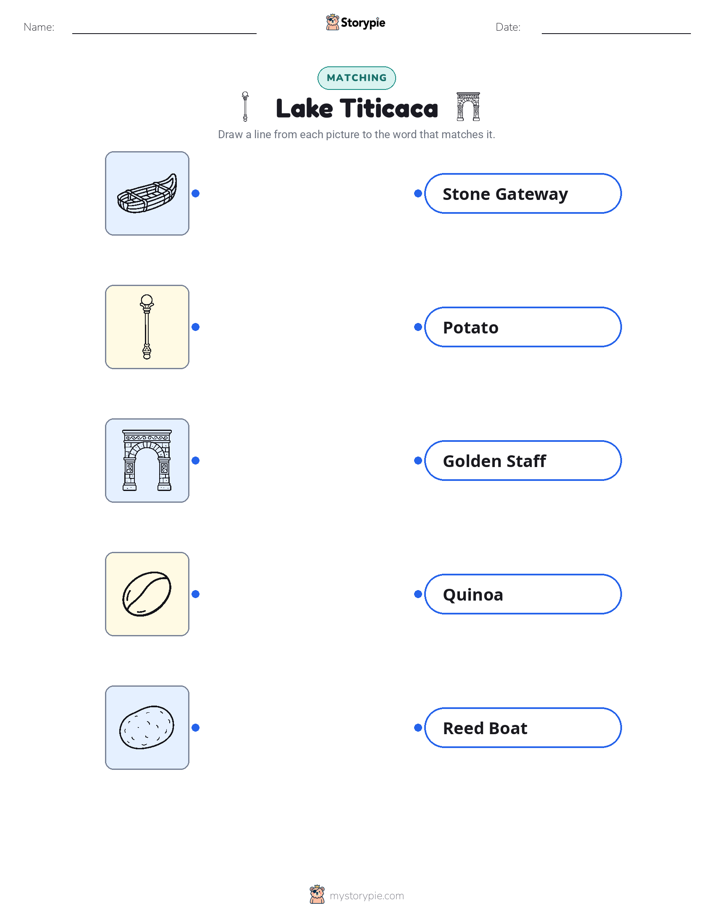
After the Tiwanaku, a new power rose across the Andes: the mighty Inca Empire. To the Inca, I was not just a source of water; I was the most sacred place on Earth, the very cradle of their civilization. An important legend that began to be told around the 13th century explains why. According to their stories, the sun god, Inti, created the first Inca rulers, a man named Manco Cápac and a woman named Mama Ocllo, who were born from my depths. They emerged from the Isla del Sol, the Island of the Sun, which rests in my waters, with a golden staff. They were sent by their father to find fertile land and establish a great empire. For centuries, the Inca made pilgrimages to my islands, holding ceremonies and leaving precious offerings of gold and statues in my deep, cold waters to honor their origins. Then, in the 1530s, Spanish explorers arrived, bringing immense change to the land and its people. The Inca Empire fell, but the deep respect for me lived on in the hearts and traditions of the local people, who never forgot that I was the birthplace of their ancestors.
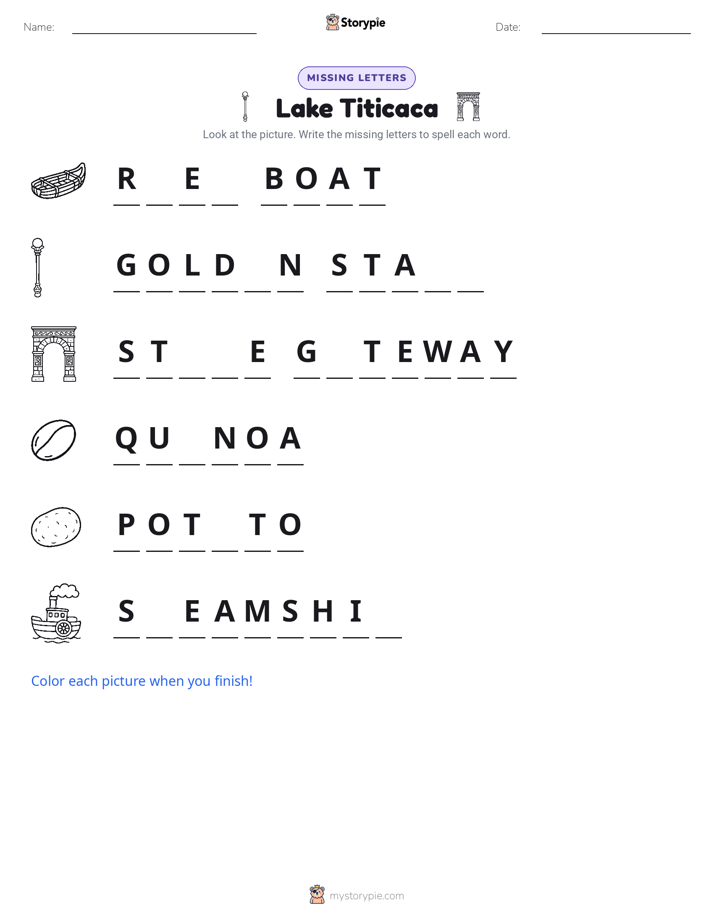
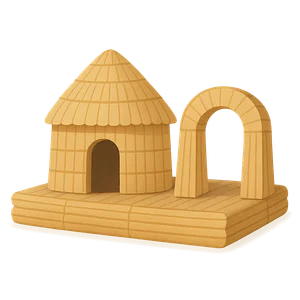
My story didn't end with the fall of ancient empires. Today, I am home to vibrant communities who carry on traditions that are thousands of years old. You can meet the Uros people, who live on incredible floating islands they build themselves from the tough totora reeds that grow in my shallows. This is a way of life that goes back hundreds of years, a clever adaptation that allowed their ancestors to live safely on my waters. Aymara and Quechua families still fish for trout and silverside in traditional boats and farm potatoes and quinoa on the terraced hillsides just as their ancestors did. My history also includes moments of modern invention. In 1862, a surprising new chapter began when people decided to bring steamships to me. They carried the first one, the Yavari, up the steep mountains piece by piece on the backs of mules. It was an incredible feat of engineering that proved even a lake in the clouds could connect people and places in new ways.
I am more than just water held between mountains. I am a living history book, a sacred center, and a source of life for countless beings. I hold the memories of the Tiwanaku astronomers, the legends of the Inca emperors, and the dreams of the people who weave reed boats today. Scientists come from all over the world to study my unique ecosystem and its creatures, like the critically endangered Titicaca water frog, which can only be found here. Travelers visit to feel the immense peace of my vast, blue expanse and to walk among the ancient ruins on my islands. My story is told in the stone gateways on my shores, in the woven reeds of the floating islands, and in the enduring spirit of the people who call me home. I am a connection between a deep past and a hopeful future, and my waters will continue to reflect the sun and stars for ages to come, guarding the stories I hold.
Wow facts
About
Lake Titicaca is a large, deep lake in the Andes on the border of Bolivia and Peru, often called the 'highest navigable lake' in the world and considered a sacred site by the Inca civilization.
Take a Quiz
Question 1 of 5
Which sentence best summarizes the main idea of the story?
Explore next

Want to do even more?
Go beyond exploring. Unlock tools that turn every story into real learning.

Storypie Plus for families
Full stories, quizzes, and printables. Nights and car rides, sorted.
- Unlimited audio stories
- Create Mode: your child stars in the story
- Offline downloads
- Printable worksheets & coloring pages

Why Storypie for Schools
Students engaged. Prep in seconds. Evenings back to you.
- Worksheets & Quizzes
- Classroom Management
- Formative Assessment
- Custom Curriculum & Lesson Plans
- 27 Languages

Why Storypie for Homeschool
Curriculum done. They'll ask for more. Hours back in your day.
- Worksheet Generator
- First-Person Audio Stories
- Built-in Comprehension Quizzes
- Custom Curriculum & Lesson Plans
- Print & Go Activities