English

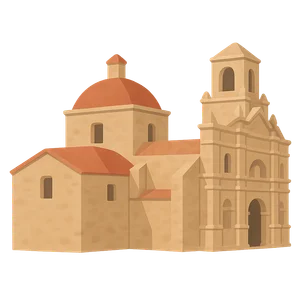
Santo Domingo
The capital of the Dominican Republic and the oldest continuously inhabited European-established settlement…
Reads at Grades 6–8 Listens at Grades 4–8
Print & create
Answer keys·No prep·Free with an account
28 worksheets · answer keys · full story · quiz · Ages 10-12 · CEFR B2
Plus adds 208,000+ more stories in 27 languages, audio for every one, and printables for all of them.
Just want Santo Domingo?
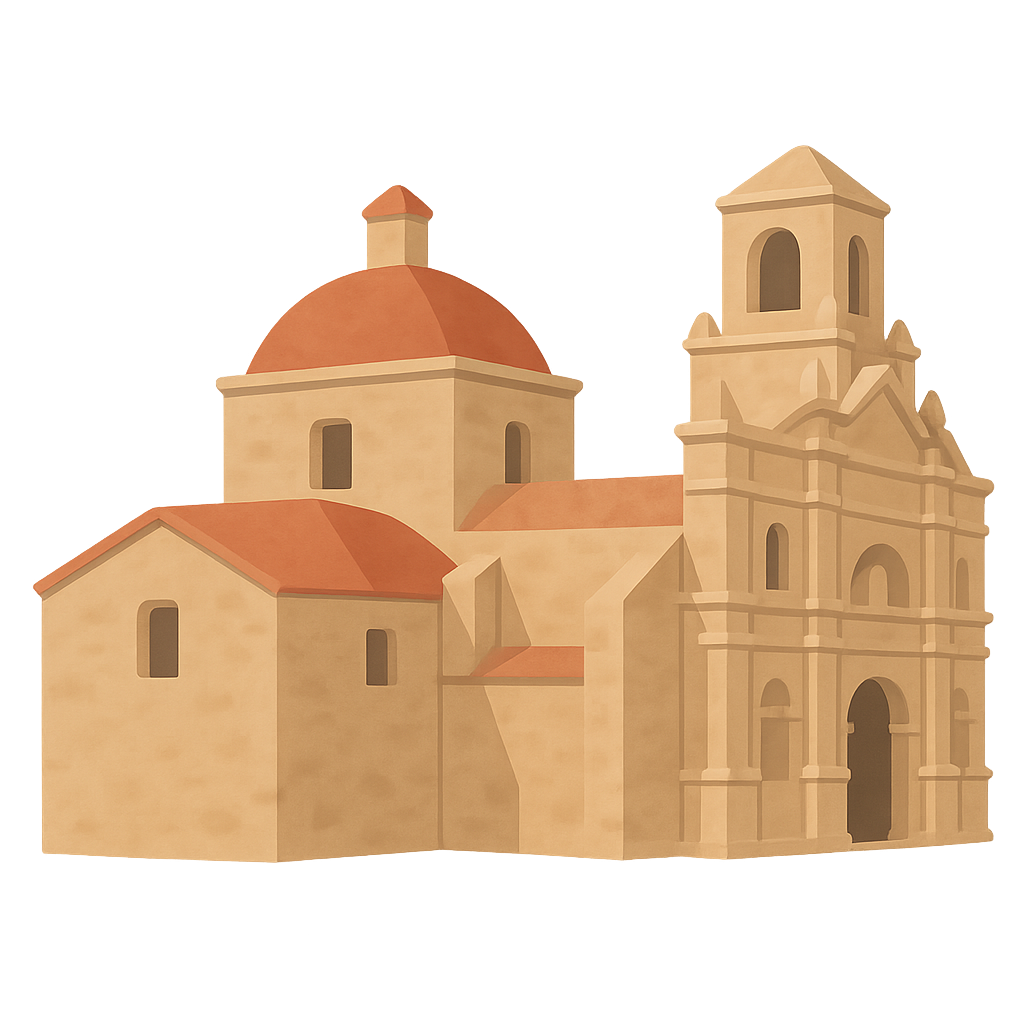
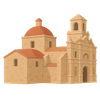
Feel the warm sun on ancient cobblestones that have been polished by millions of footsteps over hundreds of years. Listen closely, and you might hear the rhythm of merengue music drifting from open doorways, mixing with the chatter of people from all over the world. My walls are painted in the brilliant colors of the Caribbean—sunny yellows, deep blues, and warm terracottas. I have watched ships sail in and out of my harbor for more than five centuries, carrying explorers, traders, and dreamers. I have seen empires rise and fall, and I have held the stories of a hemisphere within my stone plazas and quiet courtyards. I am a city born of encounter and endurance, a place where history breathes in the salty air. I am Santo Domingo, the oldest European city in the Americas.
My story, however, does not begin with European ships. Long before sails appeared on the horizon, this island, which the newcomers would call Hispaniola, was home to the Taíno people. They lived in harmony with the land, their culture rich and vibrant. Then, everything changed. On August 5th, 1496, a settlement was founded on the eastern bank of the Ozama River by Bartholomew Columbus, the brother of the famous explorer. This first town was named La Nueva Isabela. But the Caribbean is a place of powerful nature, and in 1502, a furious hurricane swept through, leveling the fragile settlement. It was a devastating blow. A new governor, Nicolás de Ovando, arrived and saw that a stronger foundation was needed. He made a critical decision: to rebuild me on the opposite side of the river, the western bank, where I would be safer. He designed me with a grid of straight stone streets, a model for many other cities that would later be built in the Americas. This core, this heart of stone he gave me, is what visitors still walk through today.
The First City of the Americas
Feel the warm sun on ancient cobblestones that have been polished by millions of footsteps over hundreds of years. Listen closely, and you might hear the rhythm of merengue music drifting from open doorways, mixing with the chatter of people from all over the world. My walls are painted in the brilliant colors of the Caribbean—sunny yellows, deep blues, and warm terracottas. I have watched ships sail in and out of my harbor for more than five centuries, carrying explorers, traders, and dreamers. I have seen empires rise and fall, and I have held the stories of a hemisphere within my stone plazas and quiet courtyards. I am a city born of encounter and endurance, a place where history breathes in the salty air. I am Santo Domingo, the oldest European city in the Americas.
My story, however, does not begin with European ships. Long before sails appeared on the horizon, this island, which the newcomers would call Hispaniola, was home to the Taíno people. They lived in harmony with the land, their culture rich and vibrant. Then, everything changed. On August 5th, 1496, a settlement was founded on the eastern bank of the Ozama River by Bartholomew Columbus, the brother of the famous explorer. This first town was named La Nueva Isabela. But the Caribbean is a place of powerful nature, and in 1502, a furious hurricane swept through, leveling the fragile settlement. It was a devastating blow. A new governor, Nicolás de Ovando, arrived and saw that a stronger foundation was needed. He made a critical decision: to rebuild me on the opposite side of the river, the western bank, where I would be safer. He designed me with a grid of straight stone streets, a model for many other cities that would later be built in the Americas. This core, this heart of stone he gave me, is what visitors still walk through today.
In those early years, I became the most important city in the New World for the Spanish Empire. I was a City of Firsts, a title I wear with great pride. From my port, expeditions were launched to explore and colonize other parts of the Americas. My streets were filled with governors, bishops, judges, and adventurers. To show my importance, my builders created magnificent structures. In 1512, work began on the Catedral Primada de América, the very first cathedral built in the Americas. Its limestone walls and vaulted ceilings have stood for centuries as a testament to the faith and ambition of that era. Then, in 1538, another milestone was reached with the founding of the Universidad Santo Tomás de Aquino, the first university in the hemisphere. I was not just a military and political outpost; I was a center of learning and culture, the place where the laws, ideas, and plans for a new world were forged. For decades, I was the undisputed capital of the Spanish Indies, the administrative heart of a vast and growing empire.
But my position of power also made me a target, and my history has been marked by storms of both nature and humanity. In 1586, the famous English privateer, Sir Francis Drake, sailed his fleet into my harbor. He and his men stormed my walls, sacking the city and burning many of my buildings. They held me ransom, demanding a huge payment of gold and silver from the Spanish crown. It was a terrifying time that left deep scars. My journey through the centuries saw many more changes. As other Spanish colonies in Mexico and Peru grew wealthier, my importance began to fade. Power shifted, and in 1795, under the Treaty of Basel, I was transferred from Spanish to French control. This was followed by a period of unification with my neighbor, Haiti, which lasted from 1822 until 1844. These were times of struggle and uncertainty, but they were also the moments that forged the resilient spirit of the Dominican people, who fought to claim their own independence and define their own destiny.
Today, the bustling, modern capital of the Dominican Republic has grown all around me, but my historic heart beats on. In 1990, the world recognized my unique story and incredible preservation by naming my Colonial Zone a UNESCO World Heritage site. I am a living museum, where horse-drawn carriages clatter down the same streets that explorers once walked. The descendants of the Taíno, Spanish settlers, and Africans brought here against their will have created a vibrant culture that is entirely unique—a fusion of music, food, and traditions. My story is one of resilience, of surviving hurricanes, invasions, and the tides of history. I stand as a reminder that from conflict and encounter, something new and beautiful can be born. I continue to share my story with everyone who walks my ancient streets, inspiring them with the enduring power of human connection and imagination.
Wow facts
About
The capital of the Dominican Republic and the oldest continuously inhabited European-established settlement in the Americas, founded in 1496. Its Colonial Zone is a UNESCO World Heritage site.
Take a Quiz
Question 1 of 5
Retell the story of how Santo Domingo was founded and then rebuilt, mentioning the key people and events involved.
Explore next




Want to do even more?
Go beyond exploring. Unlock tools that turn every story into real learning.

Storypie Plus for families
Full stories, quizzes, and printables. Nights and car rides, sorted.
- Unlimited audio stories
- Create Mode: your child stars in the story
- Offline downloads
- Printable worksheets & coloring pages

Why Storypie for Schools
Students engaged. Prep in seconds. Evenings back to you.
- Worksheets & Quizzes
- Classroom Management
- Formative Assessment
- Custom Curriculum & Lesson Plans
- 27 Languages

Why Storypie for Homeschool
Curriculum done. They'll ask for more. Hours back in your day.
- Worksheet Generator
- First-Person Audio Stories
- Built-in Comprehension Quizzes
- Custom Curriculum & Lesson Plans
- Print & Go Activities