English

South Pole
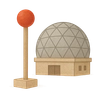
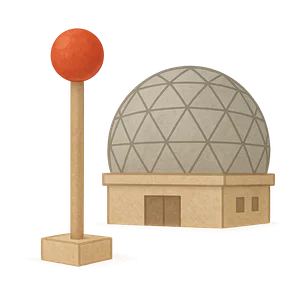
The South Pole is the southernmost point on Earth, located on the continent of Antarctica.
Reads at Grades 3–5 Listens at Grades 1–5
Print & create
Answer keys·No prep·Free with an account
28 worksheets · answer keys · full story · quiz · Ages 8-10 · CEFR B1
Plus adds 164,000+ more stories in 27 languages, audio for every one, and printables for all of them.
Just want South Pole?
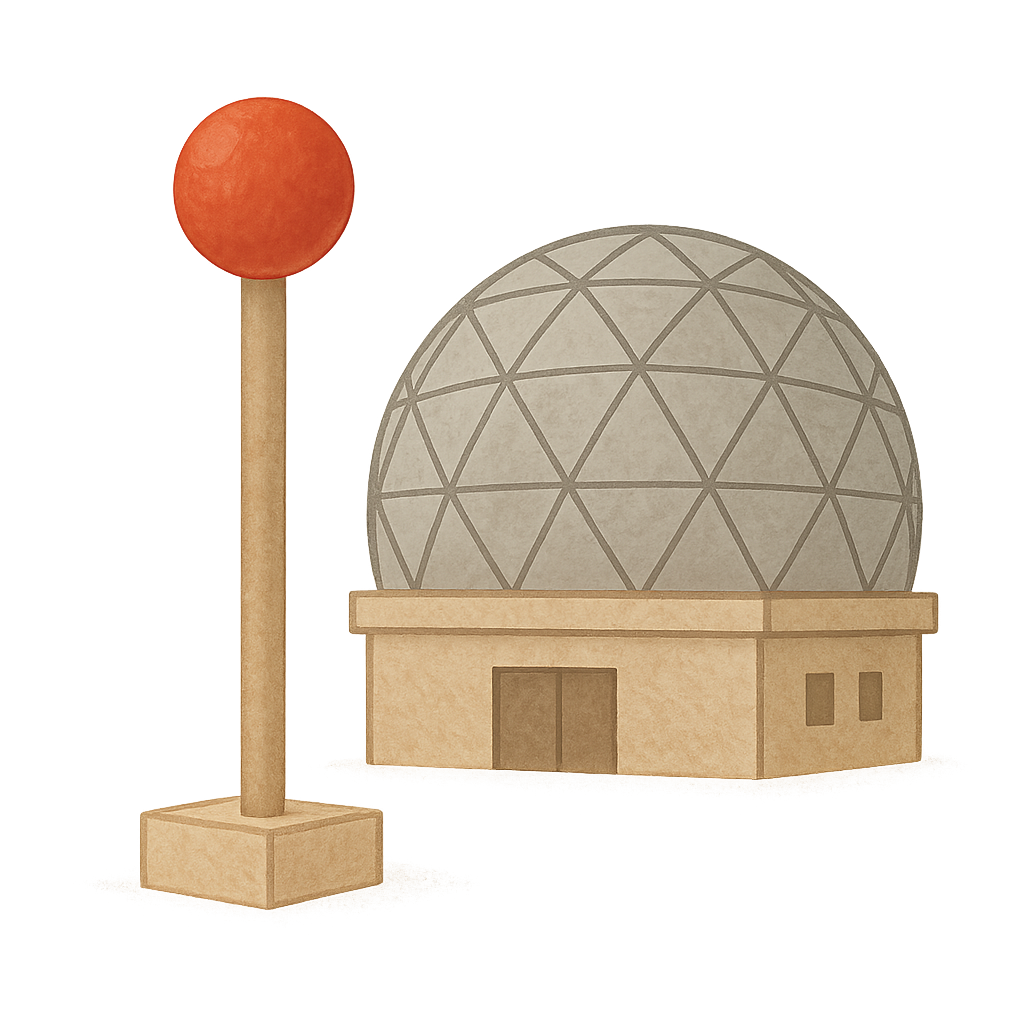
Imagine a place covered by a blanket of ice almost two miles thick. The air is so crisp and cold it can freeze your breath in an instant. For six months, the sun never sets, circling the sky in a long, slow dance. Then, for the next six months, it disappears, leaving behind a world of twilight and darkness, where brilliant green and purple lights, the Aurora Australis, ripple across a sky filled with more stars than you could ever count. The wind is my only constant companion, sweeping across the vast, empty whiteness. There are no trees, no mountains, just an endless, frozen desert at the very end of the world. It is a lonely, beautiful, and powerful place. I am the South Pole, the very bottom of the world, and for a very long time, no human had ever set foot on my icy surface.
For centuries, humans only knew I existed because of maps and theories. I was a blank spot, a mystery waiting to be solved. At the beginning of the 20th century, a great challenge captured the world's imagination: a race to be the first to reach me. Brave people from different countries prepared for the dangerous journey. The most famous race was between two determined leaders: Roald Amundsen from Norway and Robert Falcon Scott from Great Britain. Amundsen planned every detail perfectly. He and his team used strong sled dogs that were used to the cold to pull their supplies. They moved quickly and efficiently across the ice. On December 14th, 1911, Amundsen and his men arrived, planting the Norwegian flag to mark their historic achievement. They were the first humans ever to stand at the South Pole. About a month later, on January 17th, 1912, Scott's team arrived. They were exhausted from pulling their own heavy sleds. Imagine their deep disappointment when they saw the flag already flying in the wind. Though they did not win the race, their journey was a story of incredible courage and endurance that people still remember today.
The Pole at the Bottom of the World
Imagine a place covered by a blanket of ice almost two miles thick. The air is so crisp and cold it can freeze your breath in an instant. For six months, the sun never sets, circling the sky in a long, slow dance. Then, for the next six months, it disappears, leaving behind a world of twilight and darkness, where brilliant green and purple lights, the Aurora Australis, ripple across a sky filled with more stars than you could ever count. The wind is my only constant companion, sweeping across the vast, empty whiteness. There are no trees, no mountains, just an endless, frozen desert at the very end of the world. It is a lonely, beautiful, and powerful place. I am the South Pole, the very bottom of the world, and for a very long time, no human had ever set foot on my icy surface.
For centuries, humans only knew I existed because of maps and theories. I was a blank spot, a mystery waiting to be solved. At the beginning of the 20th century, a great challenge captured the world's imagination: a race to be the first to reach me. Brave people from different countries prepared for the dangerous journey. The most famous race was between two determined leaders: Roald Amundsen from Norway and Robert Falcon Scott from Great Britain. Amundsen planned every detail perfectly. He and his team used strong sled dogs that were used to the cold to pull their supplies. They moved quickly and efficiently across the ice. On December 14th, 1911, Amundsen and his men arrived, planting the Norwegian flag to mark their historic achievement. They were the first humans ever to stand at the South Pole. About a month later, on January 17th, 1912, Scott's team arrived. They were exhausted from pulling their own heavy sleds. Imagine their deep disappointment when they saw the flag already flying in the wind. Though they did not win the race, their journey was a story of incredible courage and endurance that people still remember today.
After the first explorers returned home with their incredible stories, people saw me differently. I was no longer just a finish line in a race. I was a unique, untouched laboratory perfect for learning about our planet and the universe. The age of exploration gave way to an age of science. In 1956, scientists and engineers began a massive project to build the first permanent home here as part of a worldwide scientific effort called the International Geophysical Year. They named it the Amundsen-Scott South Pole Station, in honor of the two brave explorers. Building here was incredibly difficult because of the extreme cold and wind. But they succeeded, creating a small town buried under the ice. Inside, it is warm and safe, a place where scientists from all over the world can live and work. They study everything from the weather and the Earth’s climate to the secrets hidden deep within my ancient ice.
Today, I am no longer a lonely, unknown place. I am a busy hub of discovery, a symbol of what people can achieve when they work together. My clear, dry air is perfect for looking deep into space. Giant instruments like the South Pole Telescope peer into the distant cosmos, searching for clues about how the universe began. Deep beneath the surface, another amazing experiment called the IceCube Neutrino Observatory uses a cubic kilometer of my ice to catch tiny, ghost-like particles called neutrinos that travel from exploding stars. The same spirit of curiosity that drove Amundsen and Scott to risk everything still lives on in the scientists who visit me today. They come not to compete, but to cooperate, sharing their knowledge to help us all understand our amazing world and our place in the universe.
Wow facts
About
The South Pole is the southernmost point on Earth, located on the continent of Antarctica. It was the focus of a dramatic race of exploration in the early 20th century and is now home to a major international scientific research station.
Take a Quiz
Question 1 of 5
How do you think Robert Falcon Scott's team felt when they saw the Norwegian flag already at the South Pole?
Explore next






Want to do even more?
Go beyond exploring. Unlock tools that turn every story into real learning.

Storypie Plus for families
Full stories, quizzes, and printables. Nights and car rides, sorted.
- Unlimited audio stories
- Create Mode: your child stars in the story
- Offline downloads
- Printable worksheets & coloring pages

Why Storypie for Schools
Students engaged. Prep in seconds. Evenings back to you.
- Worksheets & Quizzes
- Classroom Management
- Formative Assessment
- Custom Curriculum & Lesson Plans
- 27 Languages

Why Storypie for Homeschool
Curriculum done. They'll ask for more. Hours back in your day.
- Worksheet Generator
- First-Person Audio Stories
- Built-in Comprehension Quizzes
- Custom Curriculum & Lesson Plans
- Print & Go Activities