English

South Pole
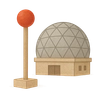
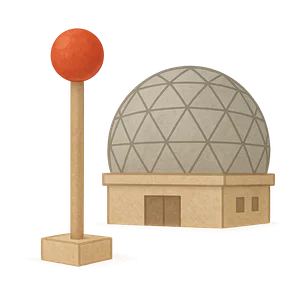
The South Pole is the southernmost point on Earth, located on the continent of Antarctica.
Reads at Grades 6–8 Listens at Grades 4–8
Print & create
Answer keys·No prep·Free with an account
28 worksheets · answer keys · full story · quiz · Ages 10-12 · CEFR B2
Plus adds 164,000+ more stories in 27 languages, audio for every one, and printables for all of them.
Just want South Pole?
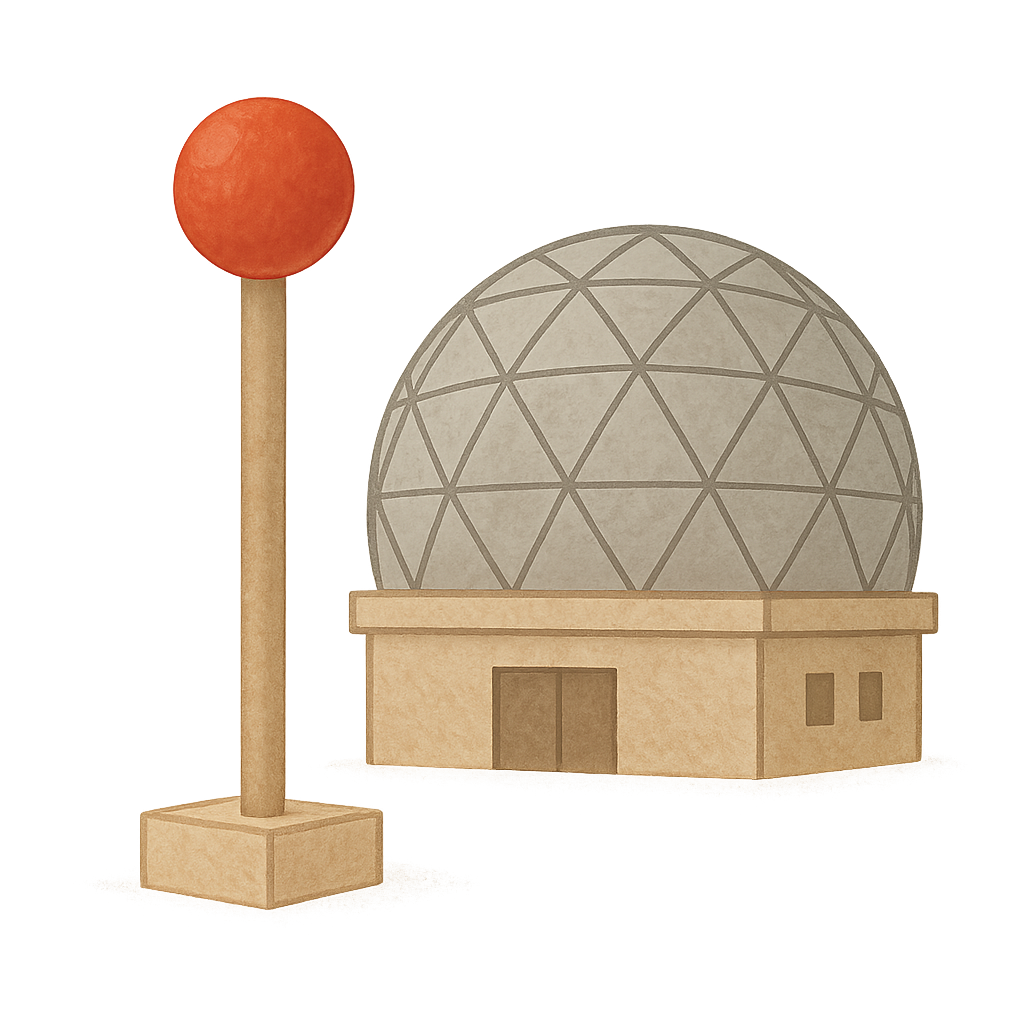
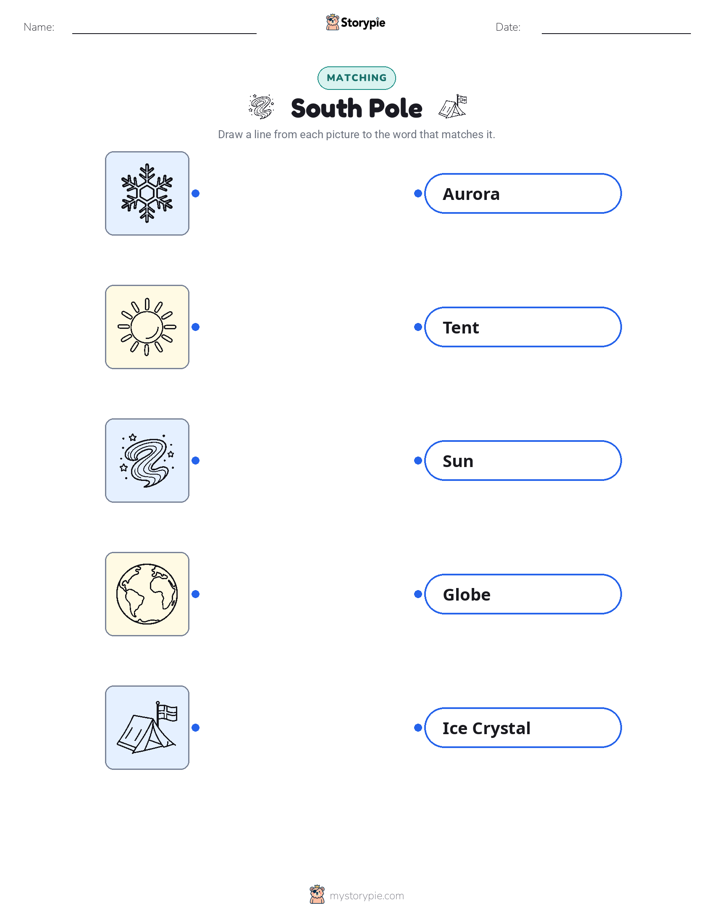
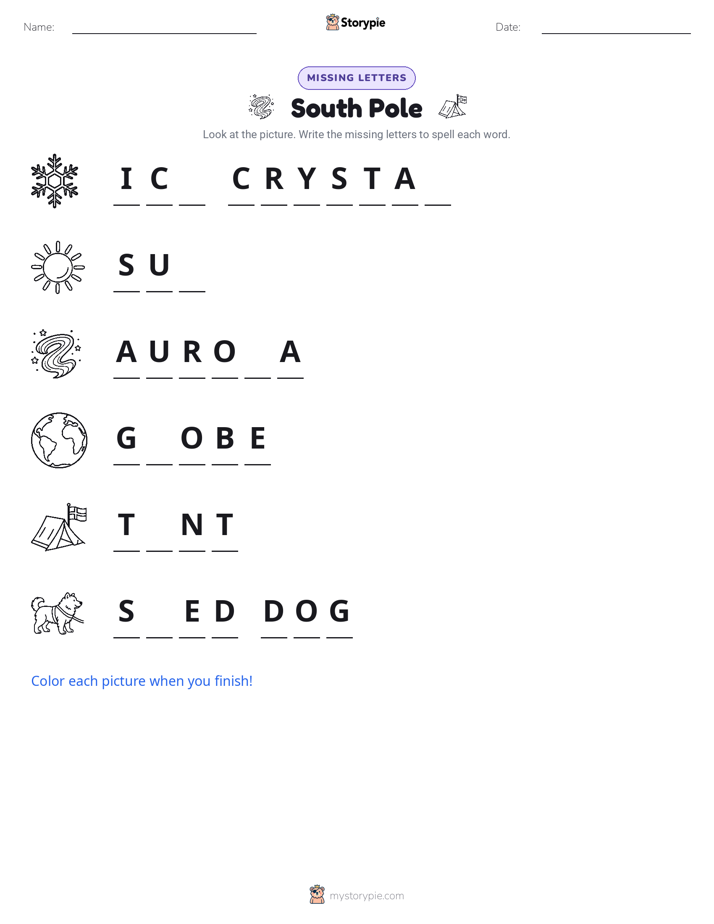
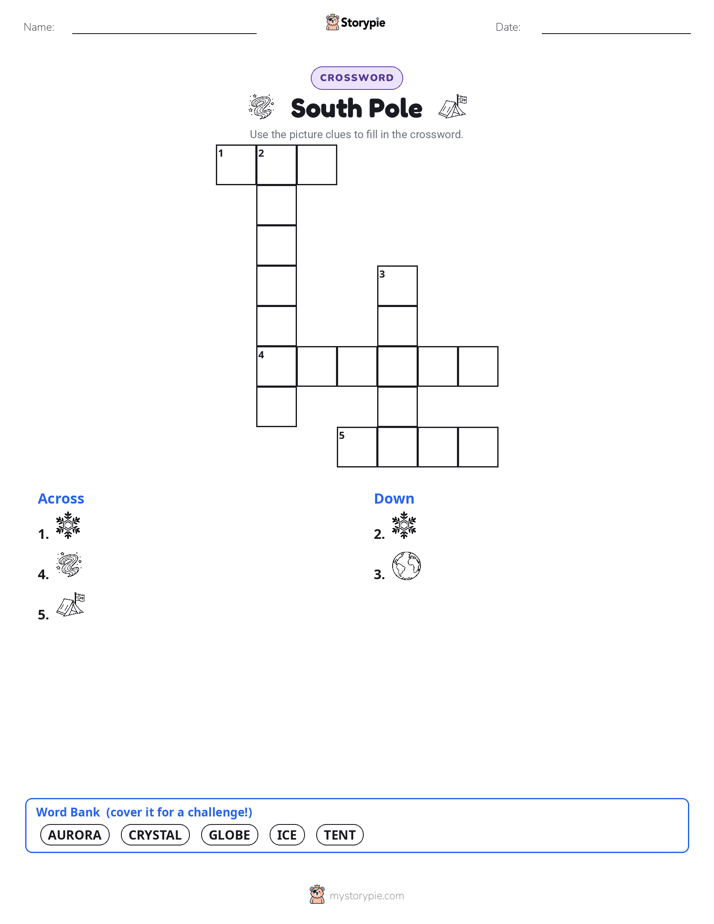
Imagine a place so cold that the air itself sparkles with tiny ice crystals, a phenomenon humans call diamond dust. For six months, the sun circles me in a low, endless daylight, never setting. Then, for the next six months, it vanishes completely, leaving me in a profound, star-filled darkness, illuminated only by the dancing lights of the aurora australis. The wind is a constant sculptor, carving the endless ice sheet that covers me. The silence here is deeper than any you have ever known, a quiet so complete you can almost hear the hum of the planet itself. I am a vast, high plateau of ice, more than 9,000 feet thick. I am the point on which the entire world spins, the axis at the very bottom of the globe, a place of ultimate challenge and discovery. I am the South Pole.
For most of history, I was a myth, a blank space on the map labeled 'Terra Australis Incognita'—the Unknown Southern Land. But at the dawn of the 20th century, a time that came to be known as the Heroic Age of Antarctic Exploration, brave people from faraway nations dreamed of being the first to stand at my heart. Their stories are etched into my ice forever. The most famous of these was a great race between two determined teams. One was from Norway, led by the practical and meticulously prepared Roald Amundsen. He understood my harsh nature and chose his companions and equipment with care, relying on the ancient wisdom of polar explorers by using sled dogs to pull his supplies. The other team was from Great Britain, led by the courageous naval officer Robert Falcon Scott. His expedition was larger and had grand scientific goals, but he put his faith in Siberian ponies and new, unproven motorized sledges. In late 1911, both teams began their grueling journeys across hundreds of miles of my frozen surface. They faced relentless winds, temperatures that could freeze a person in minutes, and hidden, treacherous crevasses that could swallow a person whole. Amundsen's dogs thrived in the cold, but Scott's ponies struggled and his motors failed, forcing his men to pull their heavy sledges themselves.
The South Pole: A Story from the Bottom of the World
Imagine a place so cold that the air itself sparkles with tiny ice crystals, a phenomenon humans call diamond dust. For six months, the sun circles me in a low, endless daylight, never setting. Then, for the next six months, it vanishes completely, leaving me in a profound, star-filled darkness, illuminated only by the dancing lights of the aurora australis. The wind is a constant sculptor, carving the endless ice sheet that covers me. The silence here is deeper than any you have ever known, a quiet so complete you can almost hear the hum of the planet itself. I am a vast, high plateau of ice, more than 9,000 feet thick. I am the point on which the entire world spins, the axis at the very bottom of the globe, a place of ultimate challenge and discovery. I am the South Pole.
For most of history, I was a myth, a blank space on the map labeled 'Terra Australis Incognita'—the Unknown Southern Land. But at the dawn of the 20th century, a time that came to be known as the Heroic Age of Antarctic Exploration, brave people from faraway nations dreamed of being the first to stand at my heart. Their stories are etched into my ice forever. The most famous of these was a great race between two determined teams. One was from Norway, led by the practical and meticulously prepared Roald Amundsen. He understood my harsh nature and chose his companions and equipment with care, relying on the ancient wisdom of polar explorers by using sled dogs to pull his supplies. The other team was from Great Britain, led by the courageous naval officer Robert Falcon Scott. His expedition was larger and had grand scientific goals, but he put his faith in Siberian ponies and new, unproven motorized sledges. In late 1911, both teams began their grueling journeys across hundreds of miles of my frozen surface. They faced relentless winds, temperatures that could freeze a person in minutes, and hidden, treacherous crevasses that could swallow a person whole. Amundsen's dogs thrived in the cold, but Scott's ponies struggled and his motors failed, forcing his men to pull their heavy sledges themselves.
On December 14th, 1911, a profound silence was broken by the panting of dogs and the crunch of skis on snow. Roald Amundsen and his four companions had arrived. They stood at my geographic center, the first humans to ever reach me. There was no grand ceremony, just a quiet moment of triumph and deep respect for the journey they had completed. They planted the Norwegian flag, a small splash of color in my world of white and blue, and left a tent with a letter before beginning their safe return. Five weeks later, on January 17th, 1912, another group of exhausted figures appeared on the horizon. It was Robert Falcon Scott and his four men. They had endured unimaginable hardship, only to see the Norwegian flag already flying. The disappointment was immense, a heavy weight on their already weary shoulders. Yet, even in their exhaustion, they did not forget their mission. They took scientific measurements and collected 35 pounds of geologic rock samples, determined that their journey would contribute to human knowledge. Their dedication was incredible, but my climate is unforgiving. Their return journey was a battle for survival against starvation and cold, a story of immense bravery that ended in tragedy, but their legacy of courage and scientific spirit endures.
After those early explorers, I was left in solitude for decades. When people returned, it was not for glory or to claim territory, but for a greater purpose: knowledge. The world was changing, and scientists realized I held secrets about our planet's past and future. A major turning point was the International Geophysical Year of 1957 to 1958, a massive scientific collaboration. To support this effort, the United States Navy built the first permanent station here in 1956, naming it the Amundsen-Scott South Pole Station in honor of those first two explorers. This was just the beginning. On December 1st, 1959, twelve nations signed the Antarctic Treaty, a remarkable agreement declaring that the entire continent around me would be a place for peace and science only, free from military activity. Today, a new, elevated station stands as a marvel of engineering, a warm and busy home for scientists from all over the world. From here, they gaze into the deepest reaches of the universe with powerful tools like the IceCube Neutrino Observatory, which uses my clear, deep ice to detect tiny cosmic particles. They drill down into my ice sheet, pulling up cores that are like time capsules, revealing what Earth's climate was like hundreds of thousands of years ago. I am no longer the loneliest place on Earth. I am a beacon of hope, a symbol that proves people from different nations can work together to understand our world and our place in the cosmos.
Wow facts
About
The South Pole is the southernmost point on Earth, located on the continent of Antarctica. It was the focus of a dramatic race of exploration in the early 20th century and is now home to a major international scientific research station.
Take a Quiz
Question 1 of 5
In your own words, describe the key differences between Roald Amundsen's and Robert Falcon Scott's expeditions to the South Pole.
Explore next




Want to do even more?
Go beyond exploring. Unlock tools that turn every story into real learning.

Storypie Plus for families
Full stories, quizzes, and printables. Nights and car rides, sorted.
- Unlimited audio stories
- Create Mode: your child stars in the story
- Offline downloads
- Printable worksheets & coloring pages

Why Storypie for Schools
Students engaged. Prep in seconds. Evenings back to you.
- Worksheets & Quizzes
- Classroom Management
- Formative Assessment
- Custom Curriculum & Lesson Plans
- 27 Languages

Why Storypie for Homeschool
Curriculum done. They'll ask for more. Hours back in your day.
- Worksheet Generator
- First-Person Audio Stories
- Built-in Comprehension Quizzes
- Custom Curriculum & Lesson Plans
- Print & Go Activities