English

South Pole
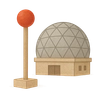
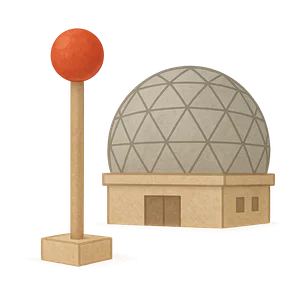
The South Pole is the southernmost point on Earth, located on the continent of Antarctica.
Reads at Grades K-2 Listens at K–3
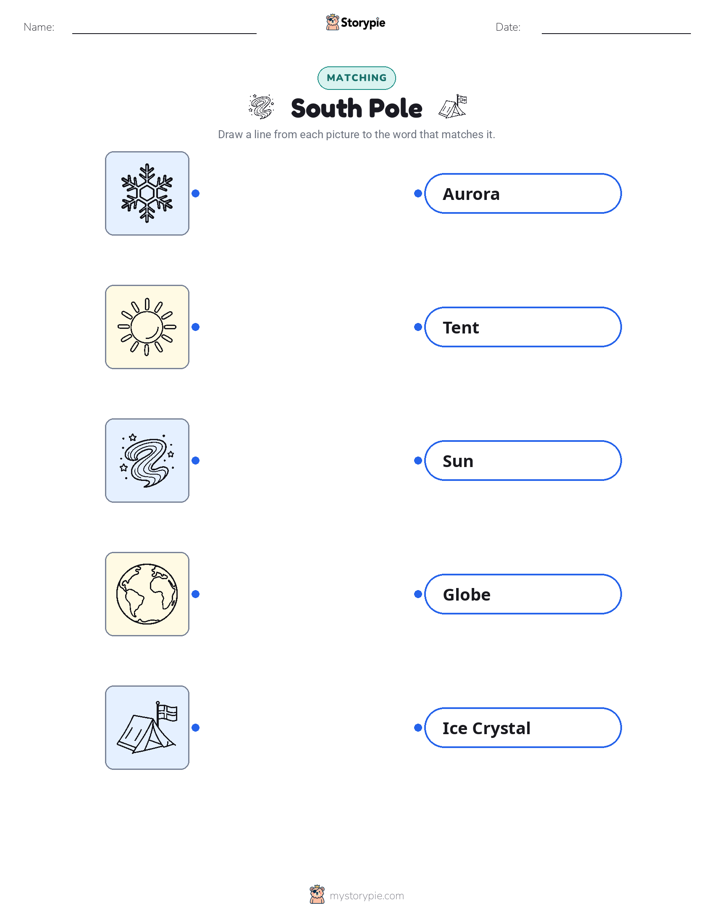
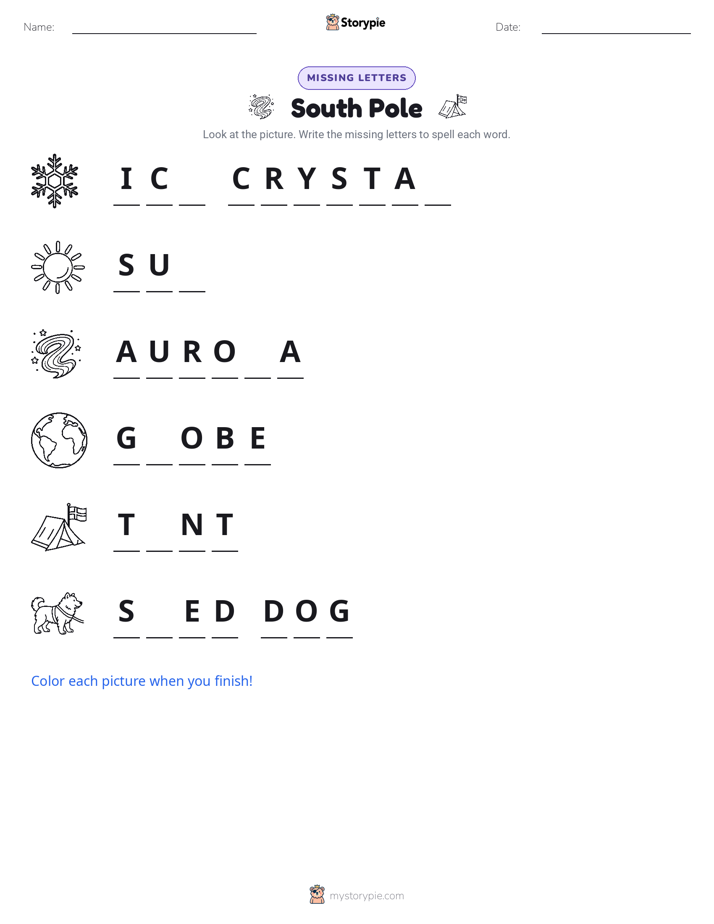
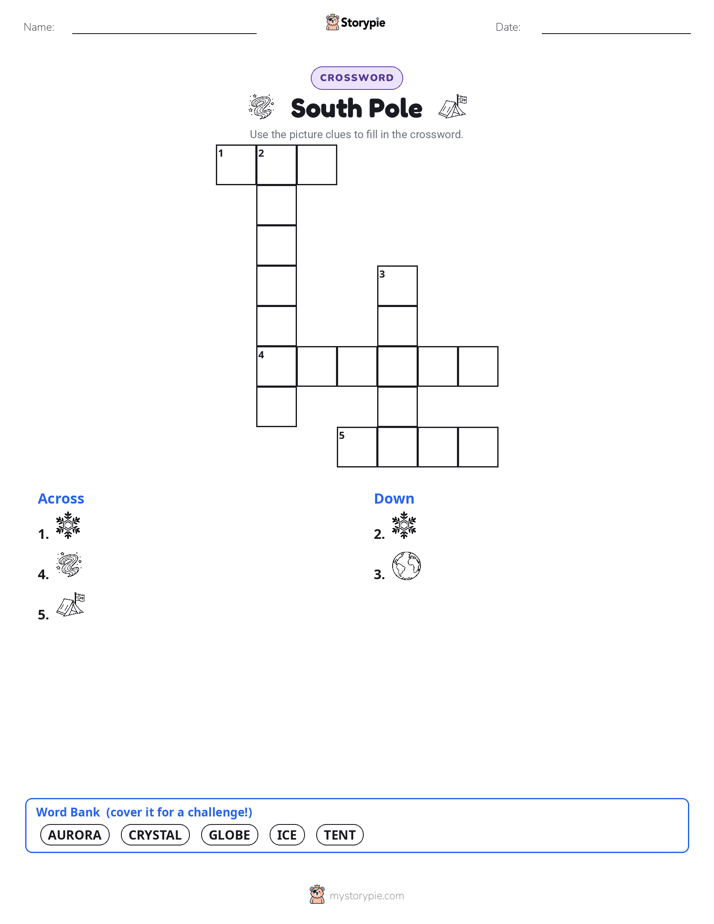
Print & create
Answer keys·No prep·Free with an account
28 worksheets · answer keys · full story · quiz · Ages 6-8 · CEFR A2
Plus adds 164,000+ more stories in 27 languages, audio for every one, and printables for all of them.
Just want South Pole?
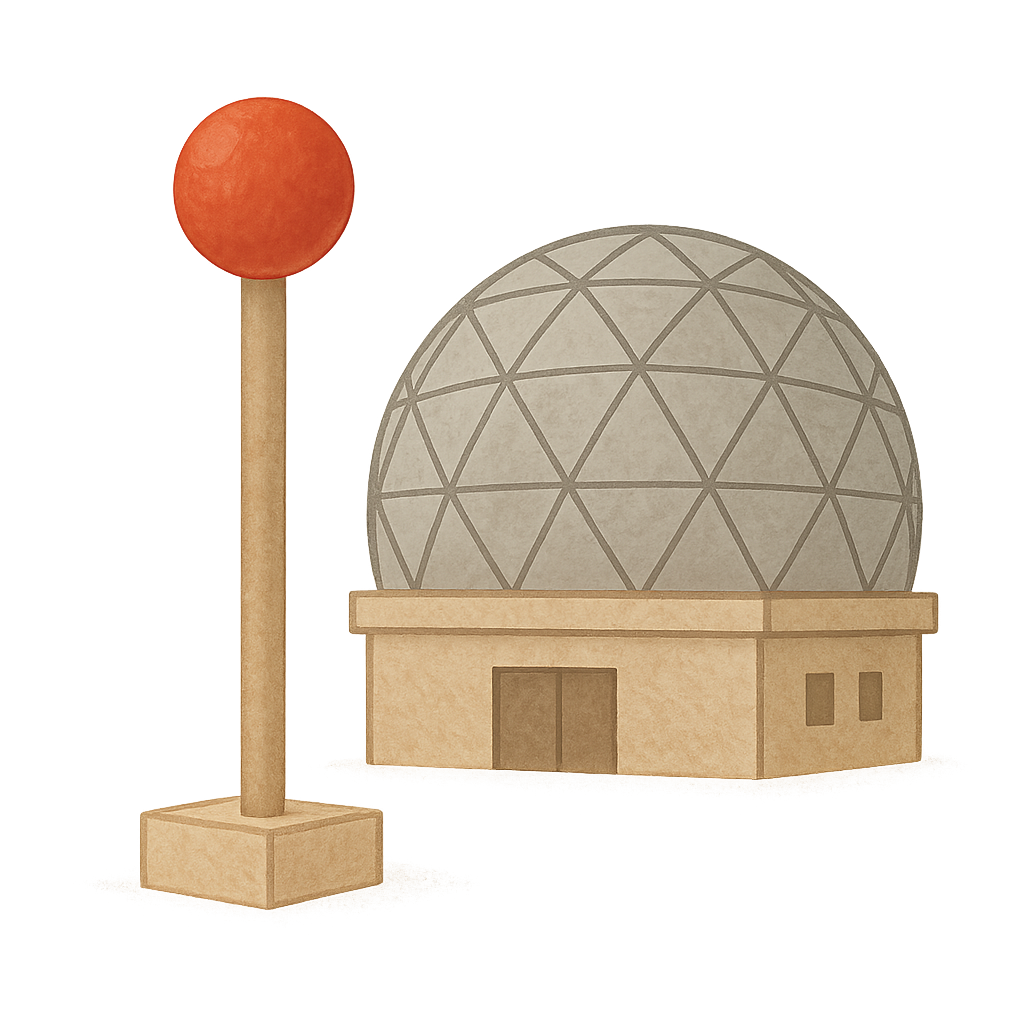
Imagine a place covered in a thick, white blanket of ice, so quiet you can almost hear the stars twinkle. For six months of the year, the sun never sets, rolling across the sky in a circle. Then, for the next six months, the sun disappears, and the sky is filled with more stars than you could ever count. If you look at a globe, I am the special spot at the very bottom where all the lines come together. I am the South Pole, the coldest, windiest, and iciest spot on Earth. For a very long time, I was all alone, waiting patiently under my blanket of snow and ice.
For thousands and thousands of years, my only visitors were the wind and the snow. Then, one day, I heard that brave people were in a “Great Race” to be the first to reach me. Two explorers, Roald Amundsen from a country called Norway and Robert Falcon Scott from Great Britain, were leading teams across my icy plains. It was a very difficult journey. On December 14th, 1911, I felt the crunch of new footsteps. It was Roald Amundsen and his team. They had used strong sled dogs to help them, and they cheered when they finally reached me. About a month later, on January 17th, 1912, Robert Falcon Scott and his team arrived, too. They were also very brave, and I was so proud of their courage and determination to explore the unknown.
After those first brave visitors, I wasn’t lonely anymore. I became a special place for learning. Many years later, in November of 1956, scientists arrived. They built a cozy station to live in and named it the Amundsen-Scott South Pole Station to honor those first explorers. Now, scientists from all over the world come here to work together. They use giant telescopes to look deep into space and study the faraway stars. They drill deep into my ancient ice to learn what the Earth was like a long, long time ago. They also study the weather to understand our whole planet better. I am no longer just a quiet, icy spot. I am a busy home for science and discovery.
The Voice of the South Pole
Imagine a place covered in a thick, white blanket of ice, so quiet you can almost hear the stars twinkle. For six months of the year, the sun never sets, rolling across the sky in a circle. Then, for the next six months, the sun disappears, and the sky is filled with more stars than you could ever count. If you look at a globe, I am the special spot at the very bottom where all the lines come together. I am the South Pole, the coldest, windiest, and iciest spot on Earth. For a very long time, I was all alone, waiting patiently under my blanket of snow and ice.
For thousands and thousands of years, my only visitors were the wind and the snow. Then, one day, I heard that brave people were in a “Great Race” to be the first to reach me. Two explorers, Roald Amundsen from a country called Norway and Robert Falcon Scott from Great Britain, were leading teams across my icy plains. It was a very difficult journey. On December 14th, 1911, I felt the crunch of new footsteps. It was Roald Amundsen and his team. They had used strong sled dogs to help them, and they cheered when they finally reached me. About a month later, on January 17th, 1912, Robert Falcon Scott and his team arrived, too. They were also very brave, and I was so proud of their courage and determination to explore the unknown.
After those first brave visitors, I wasn’t lonely anymore. I became a special place for learning. Many years later, in November of 1956, scientists arrived. They built a cozy station to live in and named it the Amundsen-Scott South Pole Station to honor those first explorers. Now, scientists from all over the world come here to work together. They use giant telescopes to look deep into space and study the faraway stars. They drill deep into my ancient ice to learn what the Earth was like a long, long time ago. They also study the weather to understand our whole planet better. I am no longer just a quiet, icy spot. I am a busy home for science and discovery.
I am more than just ice and snow. I am a place that proves how much people can achieve when they are curious and brave. The teams of scientists who visit me show that working together helps us make amazing discoveries about our world and the universe. I hope my story inspires you to ask big questions, to be courageous, and to explore the wonderful world around you, one exciting step at a time.
Wow facts
About
The South Pole is the southernmost point on Earth, located on the continent of Antarctica. It was the focus of a dramatic race of exploration in the early 20th century and is now home to a major international scientific research station.
Take a Quiz
Question 1 of 4
Who was the first explorer to reach the South Pole?
Explore next




Want to do even more?
Go beyond exploring. Unlock tools that turn every story into real learning.

Storypie Plus for families
Full stories, quizzes, and printables. Nights and car rides, sorted.
- Unlimited audio stories
- Create Mode: your child stars in the story
- Offline downloads
- Printable worksheets & coloring pages

Why Storypie for Schools
Students engaged. Prep in seconds. Evenings back to you.
- Worksheets & Quizzes
- Classroom Management
- Formative Assessment
- Custom Curriculum & Lesson Plans
- 27 Languages

Why Storypie for Homeschool
Curriculum done. They'll ask for more. Hours back in your day.
- Worksheet Generator
- First-Person Audio Stories
- Built-in Comprehension Quizzes
- Custom Curriculum & Lesson Plans
- Print & Go Activities