English

St. Lawrence Seaway
The St.
Reads at Grades 6–8 Listens at Grades 4–8
Print & create
Answer keys·No prep·Free with an account
28 worksheets · answer keys · full story · quiz · Ages 10-12 · CEFR B2
Plus adds 102,000+ more stories in 27 languages, audio for every one, and printables for all of them.
Just want St. Lawrence Seaway?
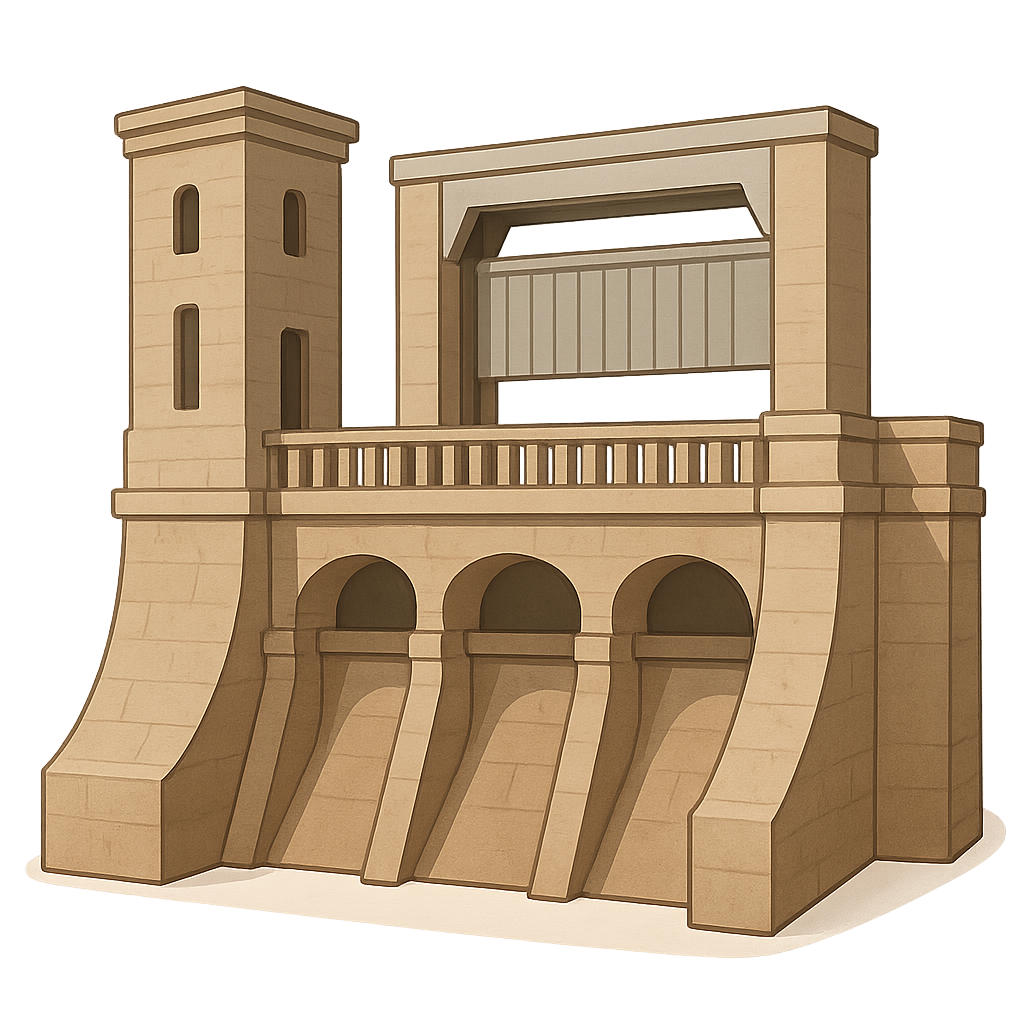
Imagine the power of five inland seas, the Great Lakes, all pouring their fresh water into a single, mighty river on a journey to the Atlantic Ocean. For centuries, that was my life. I tumbled and flowed eastward, a wide, promising path for canoes and small boats. But as I neared the city of Montreal, my calm waters turned into a churning, rocky fury—the Lachine Rapids. Further on, the colossal drop of Niagara Falls stood as an impassable wall. Big ships, laden with grain, iron, and dreams, could travel the lakes or the ocean, but they could not pass through me to connect the two. My flow was broken, my potential locked behind stone and whitewater. For generations, people looked at my rushing waters and saw not just a river, but a challenge and an opportunity. They dreamed of a smooth, deep, and continuous path from the heart of the continent to the far corners of the world. I am the St. Lawrence Seaway, a watery superhighway carved from a river's dream.
Long before my modern form existed, clever people tried to tame my wild stretches. Their efforts were the first steps in a long journey of engineering and ambition. As early as 1825, the Lachine Canal was completed, a narrow channel with locks that allowed vessels to carefully bypass the treacherous rapids near Montreal. It was a marvel for its time, a thin ribbon of calm water next to my churning currents. A few years later, an even more audacious project took shape to conquer the Niagara Escarpment. In 1829, the first Welland Canal opened, creating a brilliant 'water staircase.' This system of wooden locks physically lifted and lowered boats, allowing them to climb the massive ridge between Lake Erie and Lake Ontario. These early canals were revolutionary, but they were small. They were like the first practice sketches for a masterpiece that was still decades away. They proved that with ingenuity, my natural obstacles could be overcome, setting the stage for a far grander vision that would one day reshape my very course.
The Story of the St. Lawrence Seaway
Imagine the power of five inland seas, the Great Lakes, all pouring their fresh water into a single, mighty river on a journey to the Atlantic Ocean. For centuries, that was my life. I tumbled and flowed eastward, a wide, promising path for canoes and small boats. But as I neared the city of Montreal, my calm waters turned into a churning, rocky fury—the Lachine Rapids. Further on, the colossal drop of Niagara Falls stood as an impassable wall. Big ships, laden with grain, iron, and dreams, could travel the lakes or the ocean, but they could not pass through me to connect the two. My flow was broken, my potential locked behind stone and whitewater. For generations, people looked at my rushing waters and saw not just a river, but a challenge and an opportunity. They dreamed of a smooth, deep, and continuous path from the heart of the continent to the far corners of the world. I am the St. Lawrence Seaway, a watery superhighway carved from a river's dream.
Long before my modern form existed, clever people tried to tame my wild stretches. Their efforts were the first steps in a long journey of engineering and ambition. As early as 1825, the Lachine Canal was completed, a narrow channel with locks that allowed vessels to carefully bypass the treacherous rapids near Montreal. It was a marvel for its time, a thin ribbon of calm water next to my churning currents. A few years later, an even more audacious project took shape to conquer the Niagara Escarpment. In 1829, the first Welland Canal opened, creating a brilliant 'water staircase.' This system of wooden locks physically lifted and lowered boats, allowing them to climb the massive ridge between Lake Erie and Lake Ontario. These early canals were revolutionary, but they were small. They were like the first practice sketches for a masterpiece that was still decades away. They proved that with ingenuity, my natural obstacles could be overcome, setting the stage for a far grander vision that would one day reshape my very course.
By the middle of the 20th century, the world had changed dramatically. Ships had grown into massive steel giants, far too large for the old canals. Global trade was booming, and the need for a deep, efficient waterway connecting the industrial heartland of North America to the world's oceans was more urgent than ever. The dream was too big for one nation to build alone. So, two great friends, Canada and the United States, decided to join forces. It was a promise made between neighbors to achieve something monumental together. The partnership became official through landmark decisions. In Canada, the government passed the St. Lawrence Seaway Authority Act on December 21st, 1951, creating the organization that would oversee the project. Across the border, U.S. President Dwight D. Eisenhower signed the Wiley-Dondero Seaway Act into law on May 13th, 1954, committing American resources and engineers to the shared goal. The stage was set for one of the greatest engineering collaborations in history, a testament to what can be accomplished when nations work hand-in-hand.
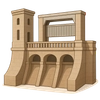
In the summer of 1954, the colossal work began. For the next five years, the landscape along my shores was transformed by an army of planners, engineers, and construction workers. It was a project of almost unimaginable scale. They didn't just dig a ditch; they moved mountains of earth and rock. Giant new locks, like concrete bathtubs for ships, were built to lift vessels 246 feet from the Atlantic's level up to Lake Ontario. Huge hydroelectric dams were constructed not only to power the region but also to tame my currents and create a deep, navigable lake called Lake St. Lawrence. To create this lake, entire communities had to be moved. More than 6,500 people in Ontario packed up their lives as their towns were permanently flooded by my rising waters. It was a sacrifice made for progress, as churches, homes, and schools were carefully relocated to higher ground. This immense effort reshaped the geography of a continent and turned me from a wild river into a precisely controlled marine highway, ready to welcome the world's fleet.
Finally, the day came. On April 25th, 1959, I quietly opened to ship traffic for the first time, and the dream of centuries became a reality. The official celebration, however, was a grand affair held on June 26th, 1959, a day that cemented the friendship between two nations. Aboard the Royal Yacht Britannia, two world leaders sailed together through my new locks: Queen Elizabeth II, representing Canada, and President Dwight D. Eisenhower of the United States. Their shared journey symbolized the shared effort that brought me to life. Today, I am a bustling artery of global commerce. Giant ships from every continent glide through my waters, carrying grain from the prairies, steel for factories, and goods for people around the globe. I am more than just water, concrete, and steel. I am a living monument to cooperation, a reminder that the biggest obstacles can be overcome when nations decide to build something together instead of putting up walls. I am a lasting symbol of a shared dream, flowing freely to the sea.
Wow facts
About
The St. Lawrence Seaway is a system of locks, canals, and channels in Canada and the United States that allows oceangoing vessels to travel from the Atlantic Ocean to the Great Lakes.
Take a Quiz
Question 1 of 5
Which sentence best summarizes the main idea of the story?
Explore next






Want to do even more?
Go beyond exploring. Unlock tools that turn every story into real learning.

Storypie Plus for families
Full stories, quizzes, and printables. Nights and car rides, sorted.
- Unlimited audio stories
- Create Mode: your child stars in the story
- Offline downloads
- Printable worksheets & coloring pages

Why Storypie for Schools
Students engaged. Prep in seconds. Evenings back to you.
- Worksheets & Quizzes
- Classroom Management
- Formative Assessment
- Custom Curriculum & Lesson Plans
- 27 Languages

Why Storypie for Homeschool
Curriculum done. They'll ask for more. Hours back in your day.
- Worksheet Generator
- First-Person Audio Stories
- Built-in Comprehension Quizzes
- Custom Curriculum & Lesson Plans
- Print & Go Activities