English

Finishing Tasks
Finishing tasks, also known as task completion, is the practice of seeing an activity through to its end.
Reads at Grades 6–8 Listens at Grades 4–8
Print & create
Answer keys·No prep·Free with an account
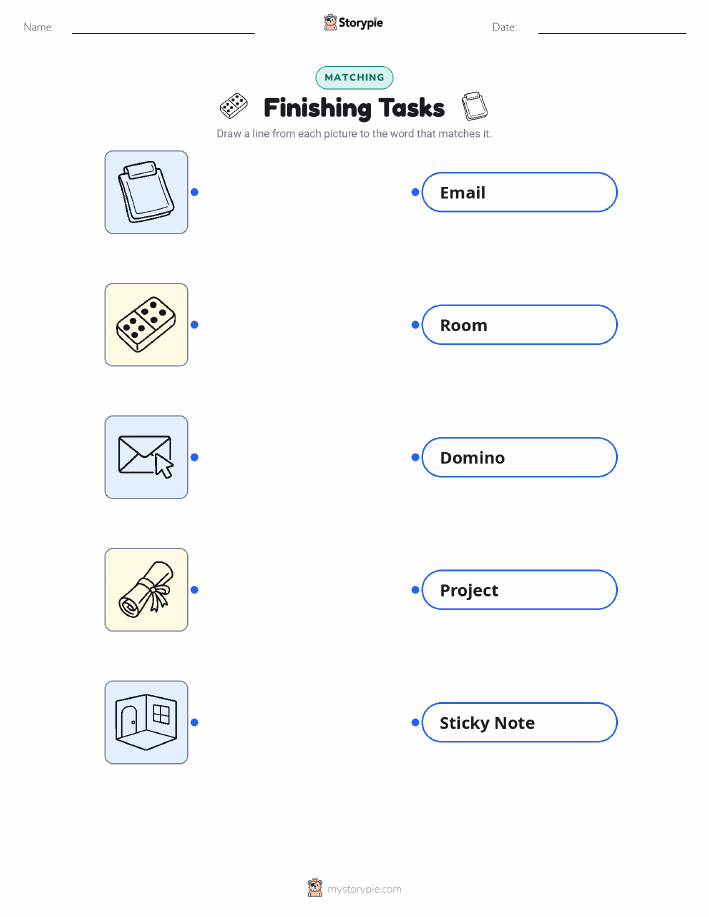
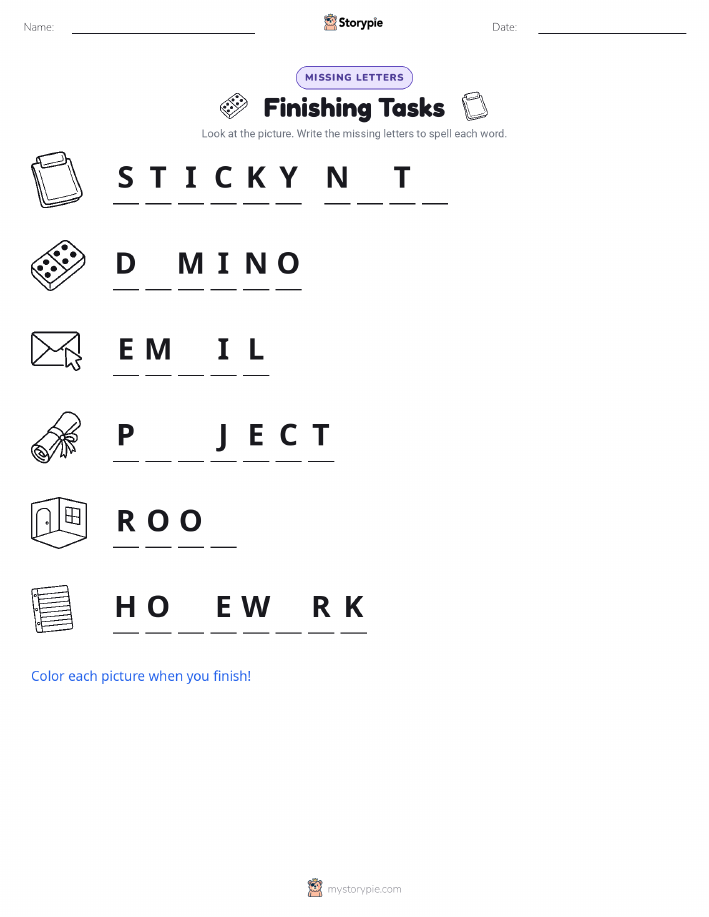
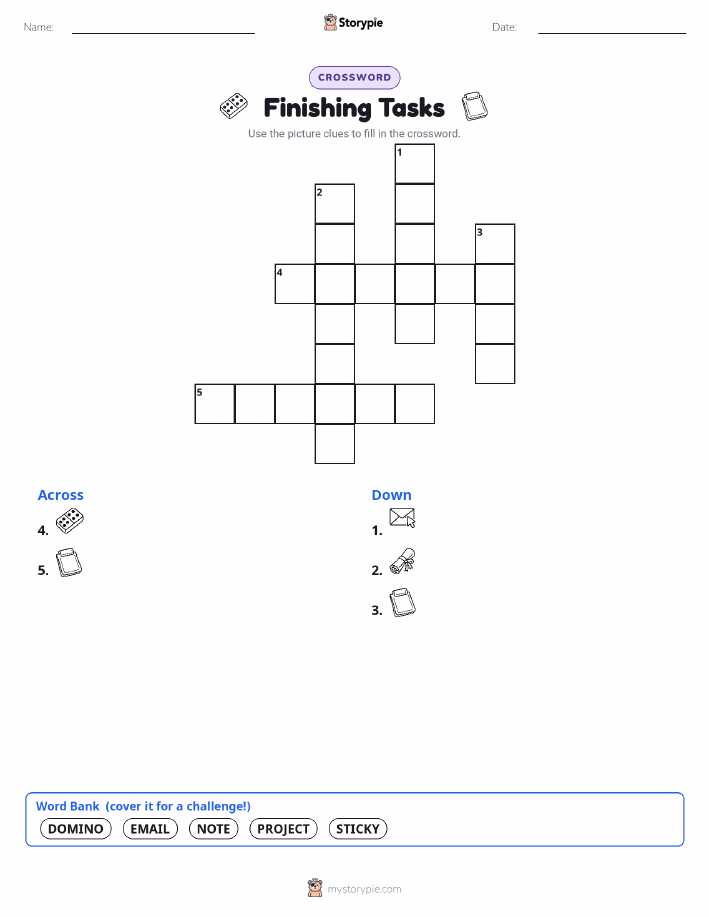
28 worksheets · answer keys · full story · quiz · Ages 10-12 · CEFR B2
Plus adds 279,000+ more stories in 27 languages, audio for every one, and printables for all of them.
Just want Finishing Tasks?
I used to feel a constant, low-level stress that was hard to ignore, like a quiet buzzing sound in the back of my mind. It happened whenever I had something important to do that I kept putting off, like a big school project or even just a messy room I promised I would clean. I learned that this feeling is completely normal. It comes from the brain’s natural tendency to keep a running list of all my incomplete tasks. My brain was just trying to remind me that there was unfinished business to take care of, but that constant reminder felt heavy and distracting.
Then, I discovered the power of finishing just one small thing. I noticed that when I finally answered a tough email I had been avoiding or completed a single page of homework, I felt an incredible sense of relief and a boost of energy. This feeling introduced me to the idea of momentum. I realized that completing one task, no matter how small, makes starting the next one feel much easier. It’s like knocking over the first domino in a long line; once the first one falls, the rest follow with less effort. That small victory gave me the confidence to tackle the next small step.
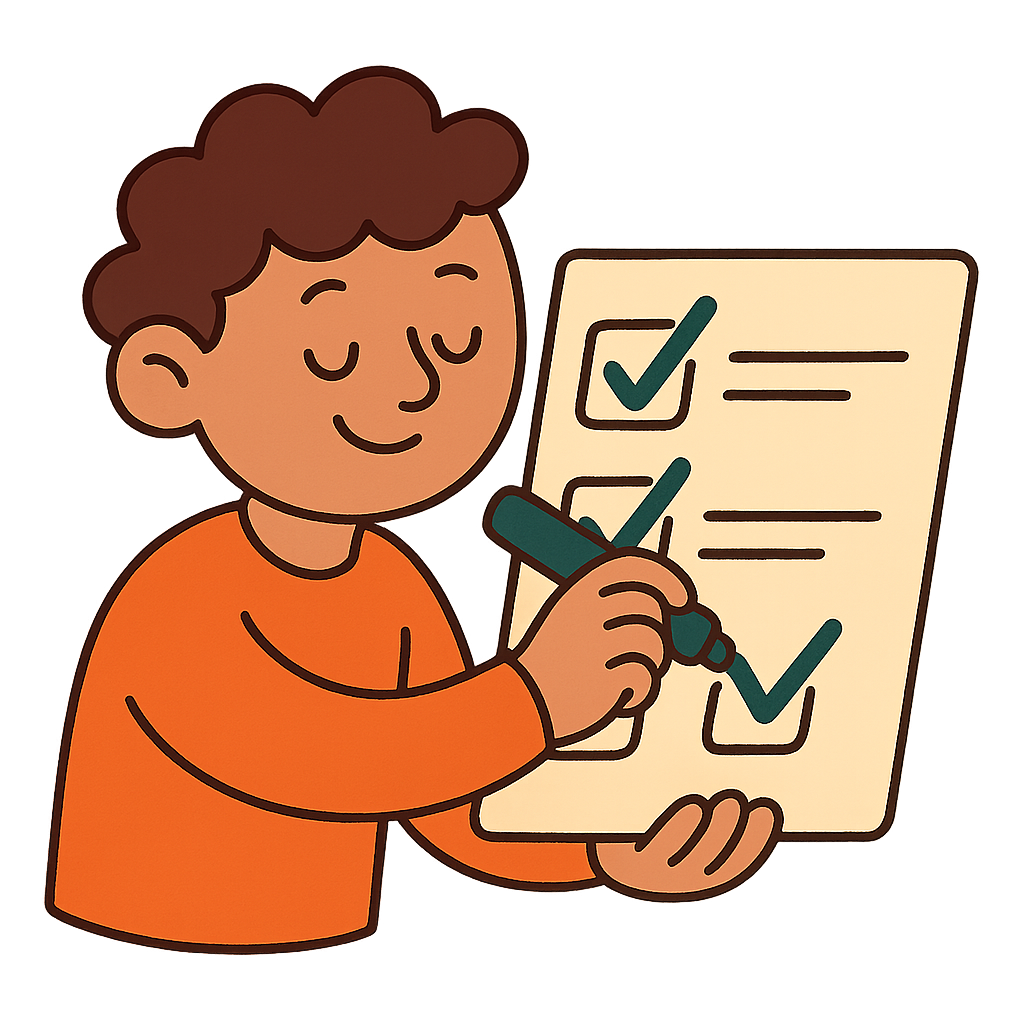
This led me to learn a method for taming a big, intimidating task: breaking it down into smaller pieces. I had a huge science fair project that felt impossible to start. Instead of thinking, “I have to do my entire project,” I changed my approach. I decided the very first step was simply to “Choose a topic.” That felt easy enough. After I did that, my next step was just to “Find one article about my topic.” By turning a giant goal into a series of tiny, completable steps, the entire project became manageable. It was no longer a scary monster of a task, but a checklist of small things I knew I could do, which made it much less stressful.
How I Learned to Finish What I Start
I used to feel a constant, low-level stress that was hard to ignore, like a quiet buzzing sound in the back of my mind. It happened whenever I had something important to do that I kept putting off, like a big school project or even just a messy room I promised I would clean. I learned that this feeling is completely normal. It comes from the brain’s natural tendency to keep a running list of all my incomplete tasks. My brain was just trying to remind me that there was unfinished business to take care of, but that constant reminder felt heavy and distracting.
Then, I discovered the power of finishing just one small thing. I noticed that when I finally answered a tough email I had been avoiding or completed a single page of homework, I felt an incredible sense of relief and a boost of energy. This feeling introduced me to the idea of momentum. I realized that completing one task, no matter how small, makes starting the next one feel much easier. It’s like knocking over the first domino in a long line; once the first one falls, the rest follow with less effort. That small victory gave me the confidence to tackle the next small step.
This led me to learn a method for taming a big, intimidating task: breaking it down into smaller pieces. I had a huge science fair project that felt impossible to start. Instead of thinking, “I have to do my entire project,” I changed my approach. I decided the very first step was simply to “Choose a topic.” That felt easy enough. After I did that, my next step was just to “Find one article about my topic.” By turning a giant goal into a series of tiny, completable steps, the entire project became manageable. It was no longer a scary monster of a task, but a checklist of small things I knew I could do, which made it much less stressful.
To make this even more effective, I started creating a “mission map” for my tasks. This wasn't a complicated schedule. I would just take a sticky note and write down the next two or three mini-tasks I needed to complete. For my science project, my note might say: 1. Read the article. 2. Write three interesting facts. 3. Brainstorm a hypothesis. I would put the note somewhere visible, like on my computer or my desk. Seeing the plan written down made it feel concrete and gave me a clear path forward. It was like having a simple map for a hike, showing me exactly where to place my next step.
Of course, I still sometimes had that “I don’t want to” feeling. To get past it, I learned a simple trick called the “five-minute rule.” I would tell myself that I only had to commit to working on the task for just five minutes. I learned that starting is often the hardest part of any task. After those five minutes were up, I usually found that I had built enough momentum to keep going. And if I still didn't feel like continuing, I could stop. Even if I did stop, I had still made five minutes of progress, which was better than nothing.
Focusing on the reward of being finished also helped me. I noticed a huge difference between trying to relax with unfinished work looming over me versus relaxing after the work was completed. When I finished my tasks, my mind felt clear. I didn’t have that feeling of guilt, and I could fully enjoy my free time without the buzzing of an incomplete project in the background. Every time I finished something, I was also building trust in myself. I was proving to myself that I could handle my responsibilities and see things through to the end.
Why This Matters Today: I learned that the ability to finish tasks is a skill, like a muscle that gets stronger with practice. This skill isn’t just for getting homework done. It helps me in my hobbies, when I’m learning a new sport, and as I think about my future goals. Learning how to break down challenges and see them through is a powerful tool for reducing stress in my daily life. It gives me a sense of control and confidence, knowing that I have a strategy to handle whatever comes my way.
Wow facts
About
Finishing tasks, also known as task completion, is the practice of seeing an activity through to its end. This process can influence mental load, but the reduction is not always significant and depends on various factors. Completing tasks can help build momentum and foster a sense of accomplishment and self-efficacy.
Take a Quiz
Question 1 of 5
According to the story, what is the main problem with having unfinished tasks, and what is the step-by-step solution it offers?
Explore next






Want to do even more?
Go beyond exploring. Unlock tools that turn every story into real learning.

Storypie Plus for families
Full stories, quizzes, and printables. Nights and car rides, sorted.
- Unlimited audio stories
- Create Mode: your child stars in the story
- Offline downloads
- Printable worksheets & coloring pages

Why Storypie for Schools
Students engaged. Prep in seconds. Evenings back to you.
- Worksheets & Quizzes
- Classroom Management
- Formative Assessment
- Custom Curriculum & Lesson Plans
- 27 Languages

Why Storypie for Homeschool
Curriculum done. They'll ask for more. Hours back in your day.
- Worksheet Generator
- First-Person Audio Stories
- Built-in Comprehension Quizzes
- Custom Curriculum & Lesson Plans
- Print & Go Activities