English

Fire Safety
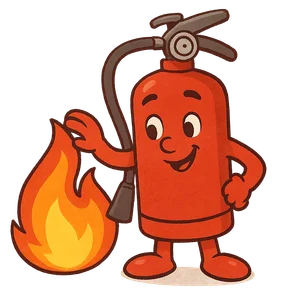
Fire safety is a set of practices and precautions intended to prevent or reduce the damage caused by fire.
Reads at Grades 6–8 Listens at Grades 4–8
Print & create
Answer keys·No prep·Free with an account
28 worksheets · answer keys · full story · quiz · Ages 10-12 · CEFR B2
Plus adds 279,000+ more stories in 27 languages, audio for every one, and printables for all of them.
Just want Fire Safety?
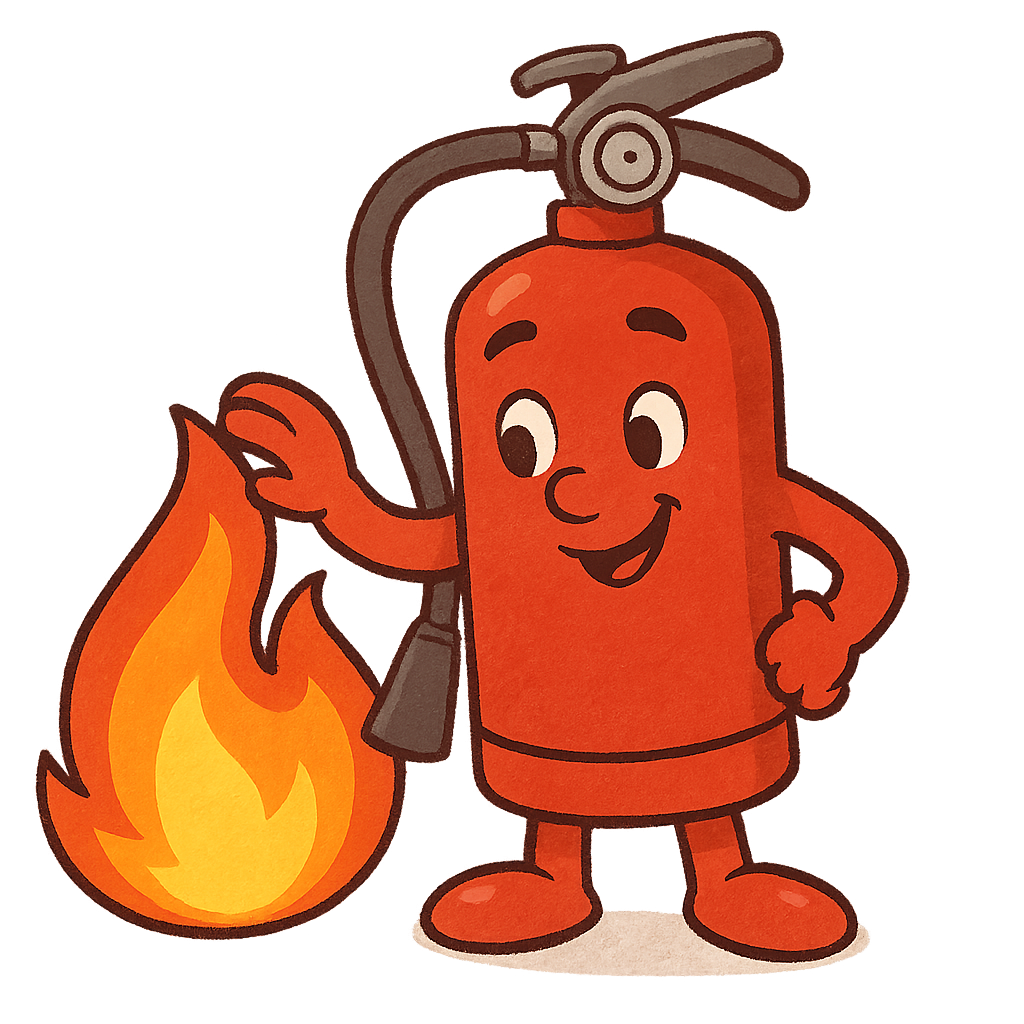
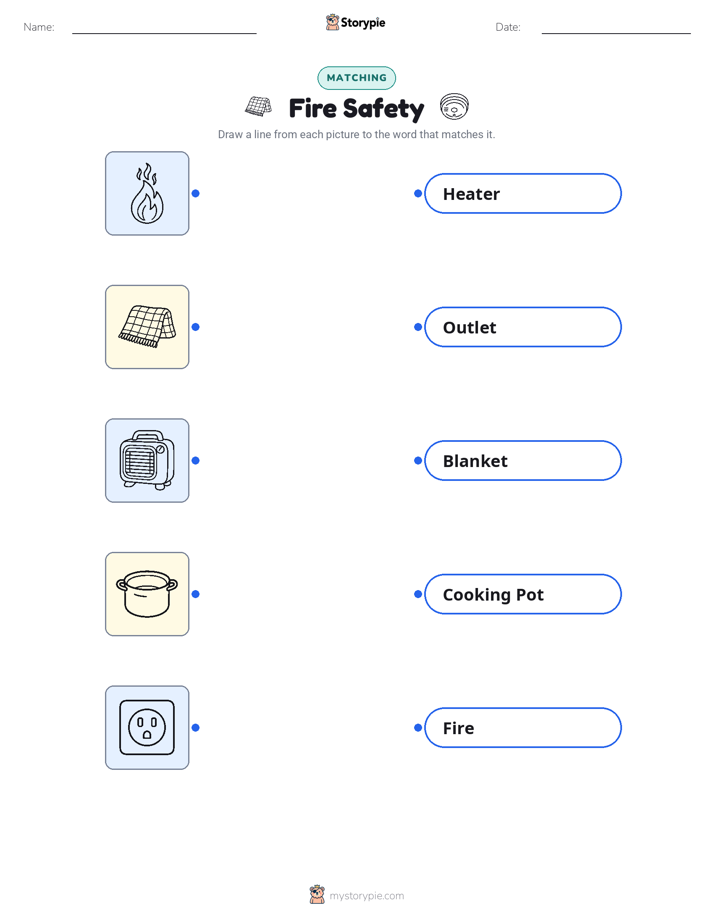
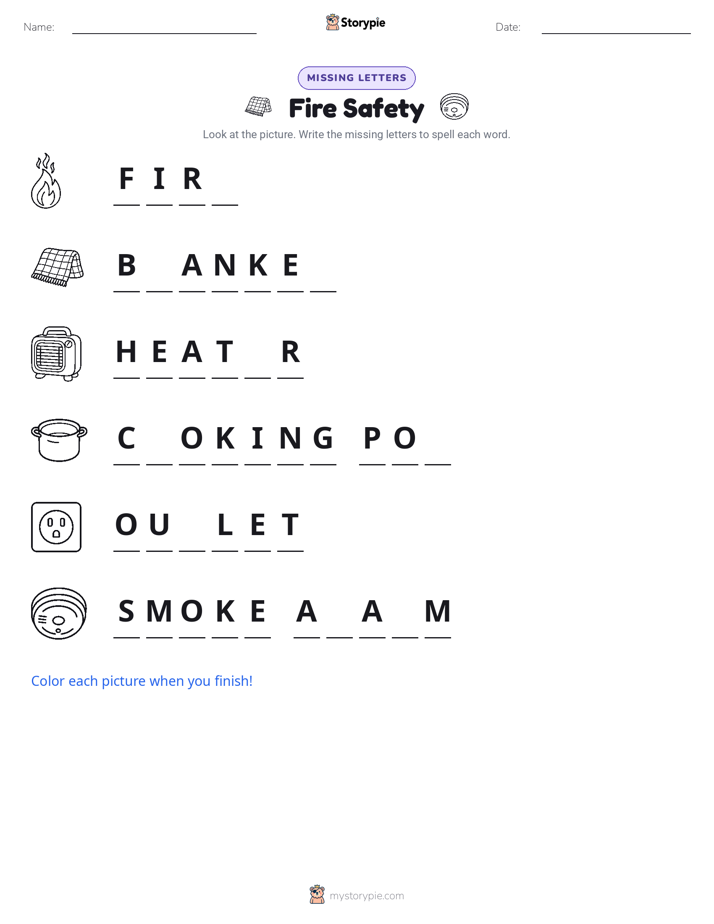
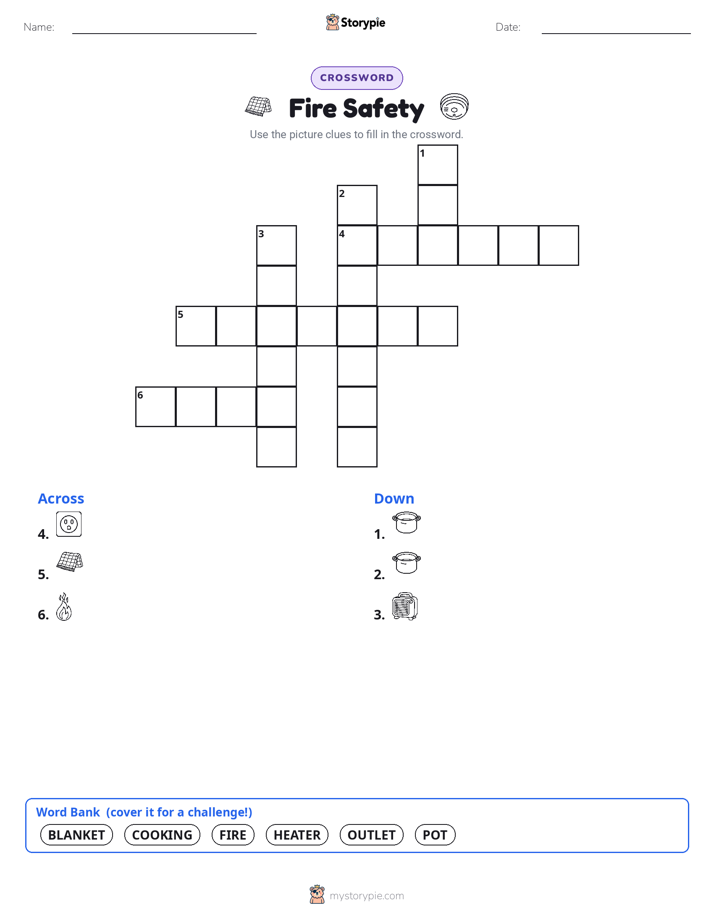
I've learned that fire safety isn't about being afraid of fire; it's about understanding and respecting it so I can stay in control. I think of it as a set of smart rules and habits that help me prevent dangerous fires from starting and tell me exactly what to do if one does. I know that for a fire to exist, it needs three things: fuel, like wood or paper; heat, like a spark or flame; and oxygen, which is the air all around us. Taking away just one of these things can stop a fire. That's why I know simple actions like keeping blankets away from a space heater, not leaving cooking food unattended, and never overloading electrical outlets are so important—they remove a key ingredient for a fire to start.
My first line of defense at home is our smoke alarm. I think of it as a nose that never sleeps. Its job is to detect the first signs of smoke and make a very loud, high-pitched beeping sound to wake me up and warn me of danger, even when I'm fast asleep. This early warning gives me precious time to get out safely. That's why it's crucial to have them in my home, and my family and I test them once a month. When I hear that beep, I know not to investigate—I get out immediately. It’s a sound that means 'go.'
Knowing what to do in an emergency is my superpower. My family has a fire escape plan, and we all practice it. First, we walked through every room and found two ways out—usually a door and a window. We made sure the windows are easy to open. Next, we decided on a safe meeting spot outside, a specific tree where everyone will go after escaping. When we practice, I remember the key rule: if there's smoke, I get low and go. Smoke rises, so the cleaner air is near the floor. Before opening a closed door, I know to feel it with the back of my hand. If it's hot, I must use my other way out.
My Guide to Fire Safety
I've learned that fire safety isn't about being afraid of fire; it's about understanding and respecting it so I can stay in control. I think of it as a set of smart rules and habits that help me prevent dangerous fires from starting and tell me exactly what to do if one does. I know that for a fire to exist, it needs three things: fuel, like wood or paper; heat, like a spark or flame; and oxygen, which is the air all around us. Taking away just one of these things can stop a fire. That's why I know simple actions like keeping blankets away from a space heater, not leaving cooking food unattended, and never overloading electrical outlets are so important—they remove a key ingredient for a fire to start.
My first line of defense at home is our smoke alarm. I think of it as a nose that never sleeps. Its job is to detect the first signs of smoke and make a very loud, high-pitched beeping sound to wake me up and warn me of danger, even when I'm fast asleep. This early warning gives me precious time to get out safely. That's why it's crucial to have them in my home, and my family and I test them once a month. When I hear that beep, I know not to investigate—I get out immediately. It’s a sound that means 'go.'
Knowing what to do in an emergency is my superpower. My family has a fire escape plan, and we all practice it. First, we walked through every room and found two ways out—usually a door and a window. We made sure the windows are easy to open. Next, we decided on a safe meeting spot outside, a specific tree where everyone will go after escaping. When we practice, I remember the key rule: if there's smoke, I get low and go. Smoke rises, so the cleaner air is near the floor. Before opening a closed door, I know to feel it with the back of my hand. If it's hot, I must use my other way out.
It's a scary thought, but I know three simple words that can save me from serious injury: Stop, Drop, and Roll. If my clothes ever catch on fire, I know the worst thing to do is run, as it feeds the fire with more oxygen. Instead, I must immediately stop where I am, drop to the ground, and cover my face with my hands. Then, I would roll over and over until the flames are completely out. It's a physical action that smothers the fire.
Learning these skills puts me in charge of my own safety. This knowledge transforms fear into preparedness and confidence. Knowing how to prevent fires, what a smoke alarm means, and how to get out of a dangerous situation empowers me to act quickly and correctly. These aren't just rules; they are life-saving tools that protect me, my family, and my home, ensuring I can handle an emergency with a calm, clear head.
Wow facts
About
Fire safety is a set of practices and precautions intended to prevent or reduce the damage caused by fire. It includes measures to prevent the ignition of an uncontrolled fire and those used to limit the development and effects of a fire after it starts.
Take a Quiz
Question 1 of 5
In your own words, retell the main steps of creating and practicing a fire escape plan as described in the story.
Explore next




Want to do even more?
Go beyond exploring. Unlock tools that turn every story into real learning.

Storypie Plus for families
Full stories, quizzes, and printables. Nights and car rides, sorted.
- Unlimited audio stories
- Create Mode: your child stars in the story
- Offline downloads
- Printable worksheets & coloring pages

Why Storypie for Schools
Students engaged. Prep in seconds. Evenings back to you.
- Worksheets & Quizzes
- Classroom Management
- Formative Assessment
- Custom Curriculum & Lesson Plans
- 27 Languages

Why Storypie for Homeschool
Curriculum done. They'll ask for more. Hours back in your day.
- Worksheet Generator
- First-Person Audio Stories
- Built-in Comprehension Quizzes
- Custom Curriculum & Lesson Plans
- Print & Go Activities