English


Mindful Eating
Mindful eating is the practice of maintaining an in-the-moment, non-judgmental awareness of one's food, body…
Reads at Grades 6–8 Listens at Grades 4–8
Print & create
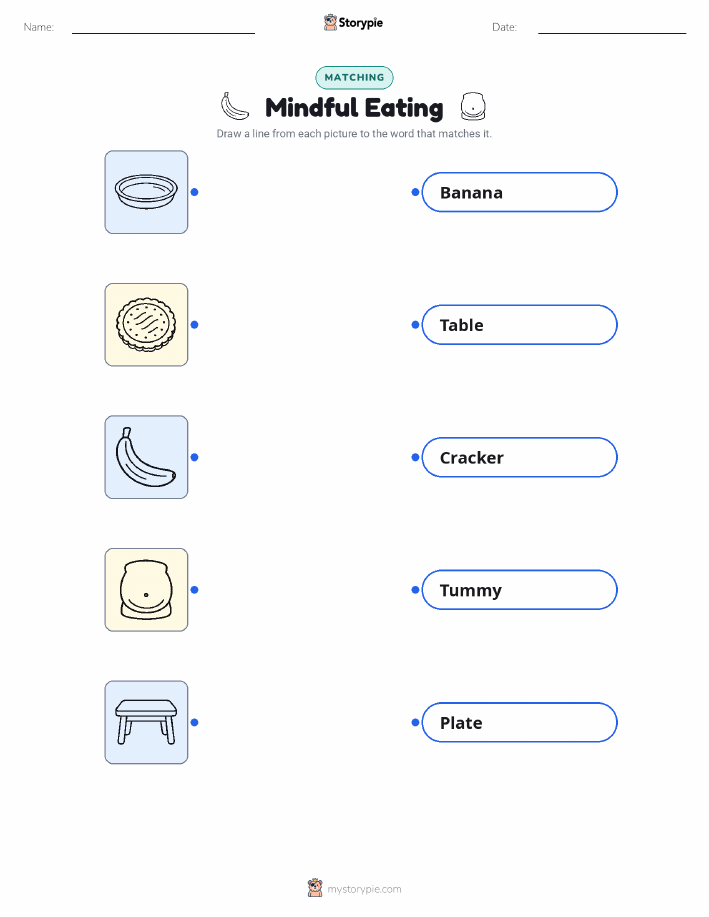
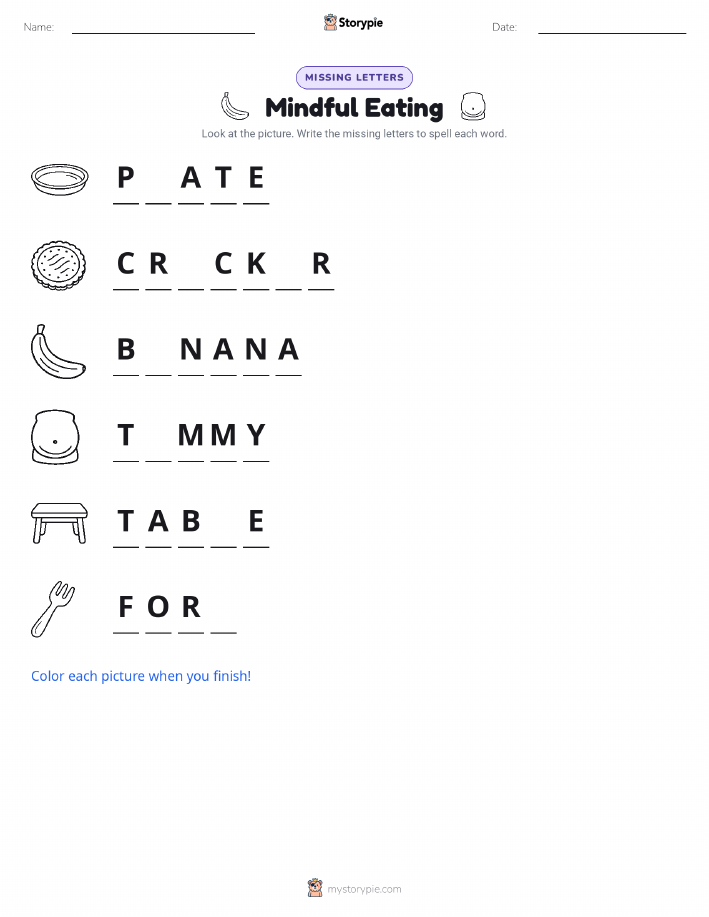
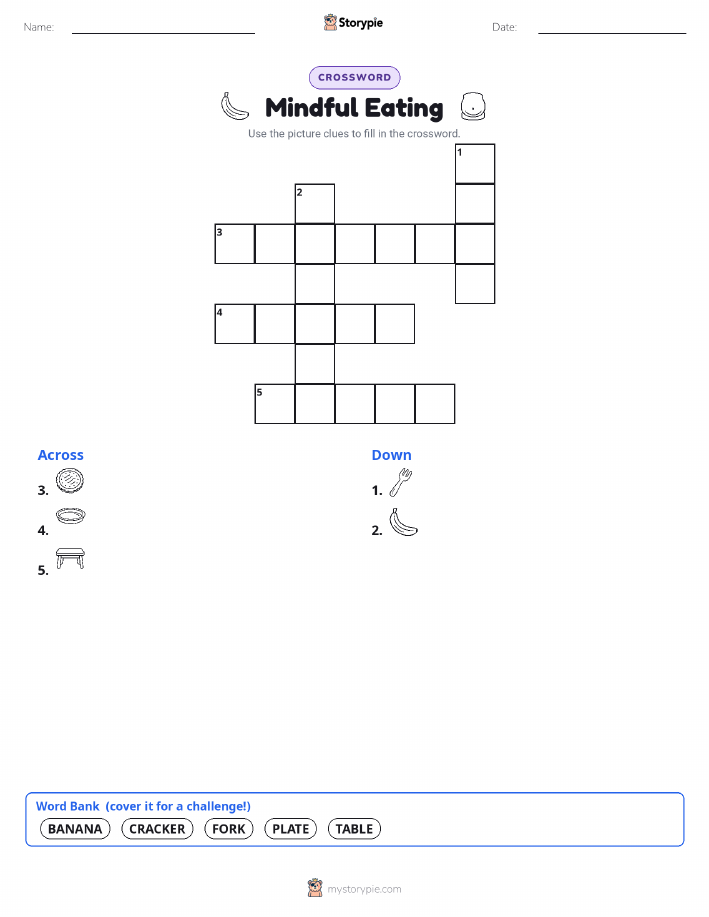
Answer keys·No prep·Free with an account
28 worksheets · answer keys · full story · quiz · Ages 10-12 · CEFR B2
Plus adds 279,000+ more stories in 27 languages, audio for every one, and printables for all of them.
Just want Mindful Eating?
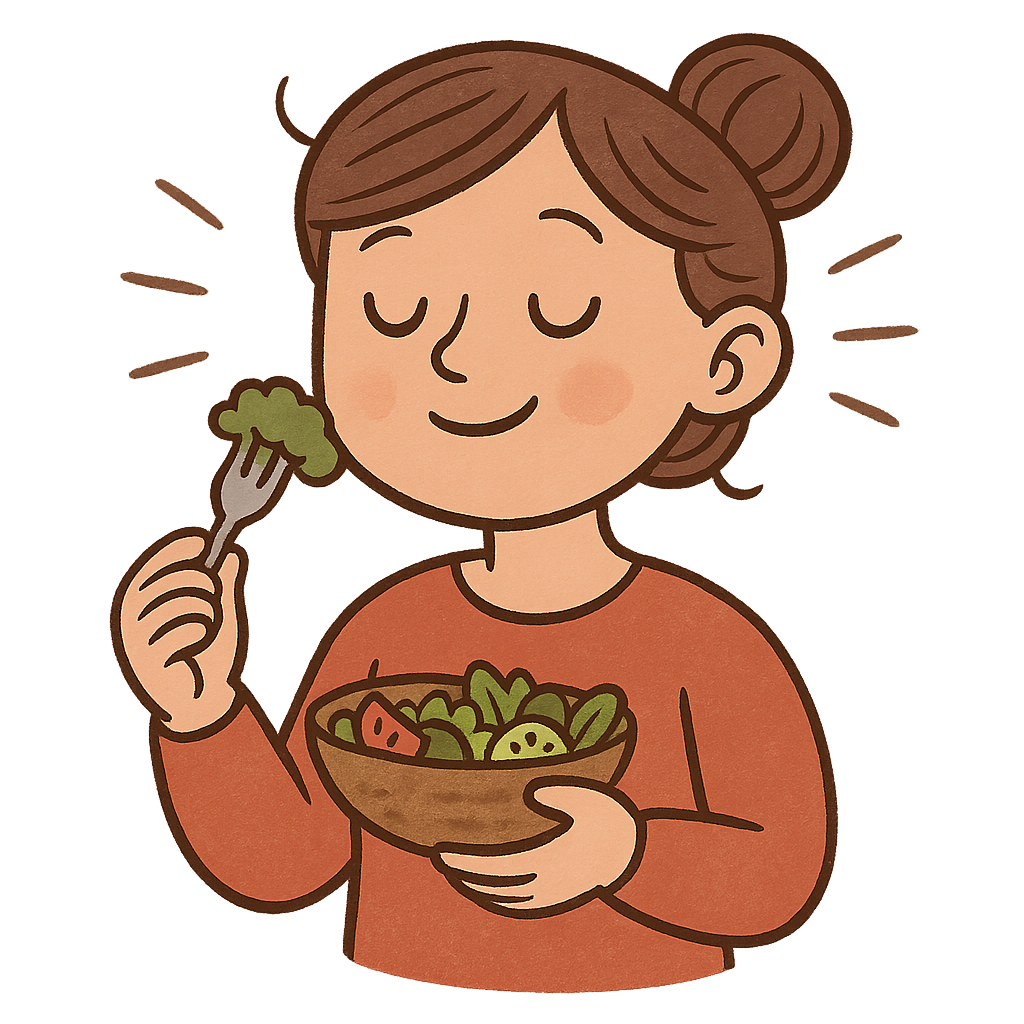
I discovered that mindful eating is not a diet; it is the practice of paying my full attention to my food and the experience of eating. I thought about a time I ate a whole bag of chips while watching a movie and barely tasted them—that was mindless eating. I learned that mindful eating is the opposite. It’s about noticing the flavors, textures, and smells of my food, which helps me enjoy it more and understand what my body really needs.
I learned that the first step is to simply pause before I begin eating. Instead of diving right in, I take a moment to look at my meal and take a deep breath. I notice the different colors on my plate, like the bright red of a tomato or the green of broccoli. I think about how the food smells; does it smell sweet, savory, or fresh? This simple pause acts like a reset button, shifting my brain from a distracted 'autopilot' mode to a focused and aware state, preparing me to truly experience my food.
I realized that eating involves more than just my sense of taste. As I eat, I try to use all five of my senses as if I'm a food detective. I notice the sound a crispy apple makes when I bite into it or the silence of soft mashed potatoes. I feel the texture of a crunchy cracker or a smooth yogurt in my mouth. Engaging all my senses makes the meal a much richer and more satisfying experience, and it helps me slow down naturally.
A key part of mindful eating for me is checking in with my body to understand its hunger and fullness signals. Before I eat, I ask myself, 'Am I truly hungry?' I notice what physical hunger feels like—maybe an empty feeling or a growl in my stomach. While I'm eating, I pay attention to the feeling of becoming full. It’s a comfortable sense of satisfaction, not a stuffed or bloated feeling. Learning to recognize these signals helps me give my body exactly what it needs and know when it's had enough.
The Art of Mindful Eating
I discovered that mindful eating is not a diet; it is the practice of paying my full attention to my food and the experience of eating. I thought about a time I ate a whole bag of chips while watching a movie and barely tasted them—that was mindless eating. I learned that mindful eating is the opposite. It’s about noticing the flavors, textures, and smells of my food, which helps me enjoy it more and understand what my body really needs.
I learned that the first step is to simply pause before I begin eating. Instead of diving right in, I take a moment to look at my meal and take a deep breath. I notice the different colors on my plate, like the bright red of a tomato or the green of broccoli. I think about how the food smells; does it smell sweet, savory, or fresh? This simple pause acts like a reset button, shifting my brain from a distracted 'autopilot' mode to a focused and aware state, preparing me to truly experience my food.
I realized that eating involves more than just my sense of taste. As I eat, I try to use all five of my senses as if I'm a food detective. I notice the sound a crispy apple makes when I bite into it or the silence of soft mashed potatoes. I feel the texture of a crunchy cracker or a smooth yogurt in my mouth. Engaging all my senses makes the meal a much richer and more satisfying experience, and it helps me slow down naturally.
A key part of mindful eating for me is checking in with my body to understand its hunger and fullness signals. Before I eat, I ask myself, 'Am I truly hungry?' I notice what physical hunger feels like—maybe an empty feeling or a growl in my stomach. While I'm eating, I pay attention to the feeling of becoming full. It’s a comfortable sense of satisfaction, not a stuffed or bloated feeling. Learning to recognize these signals helps me give my body exactly what it needs and know when it's had enough.
I also learned that how I chew makes a huge difference in both enjoyment and digestion. I try to put my fork down between bites and focus on chewing each mouthful completely. When I rush, I miss most of the flavors and my stomach has to work harder. By chewing slowly and thoroughly, I unlock more taste from my food and make it easier for my body to absorb nutrients. I was surprised how much more flavor I could discover in a single bite of food when I took the time to savor it.
My practice of mindful eating also includes a sense of gratitude for my food. I take a second to think about the journey my food took to get to my plate. I consider the farmer who grew the vegetables, the rain and sun that helped them grow, and the person who prepared the meal. This practice helps me build appreciation and a stronger connection to what I'm eating, turning a simple meal into something meaningful.
Practicing mindful eating helps me build a healthier and happier relationship with food. It can improve my digestion, help me recognize my body's needs better, and even reduce stress by making my mealtimes a calm and focused part of my day. I've found this isn't just a skill for eating; it's a form of self-care that helps me feel more balanced, in control, and aware in all parts of my life.
Wow facts
About
Mindful eating is the practice of maintaining an in-the-moment, non-judgmental awareness of one's food, body, and senses during the act of eating.
Take a Quiz
Question 1 of 5
In your own words, what is the main difference between mindful eating and mindless eating as described in the story?
Explore next






Want to do even more?
Go beyond exploring. Unlock tools that turn every story into real learning.

Storypie Plus for families
Full stories, quizzes, and printables. Nights and car rides, sorted.
- Unlimited audio stories
- Create Mode: your child stars in the story
- Offline downloads
- Printable worksheets & coloring pages

Why Storypie for Schools
Students engaged. Prep in seconds. Evenings back to you.
- Worksheets & Quizzes
- Classroom Management
- Formative Assessment
- Custom Curriculum & Lesson Plans
- 27 Languages

Why Storypie for Homeschool
Curriculum done. They'll ask for more. Hours back in your day.
- Worksheet Generator
- First-Person Audio Stories
- Built-in Comprehension Quizzes
- Custom Curriculum & Lesson Plans
- Print & Go Activities