English


Mindful Eating
Mindful eating is the practice of maintaining an in-the-moment, non-judgmental awareness of one's food, body…
Reads at Grades 3–5 Listens at Grades 1–5
Print & create
Answer keys·No prep·Free with an account
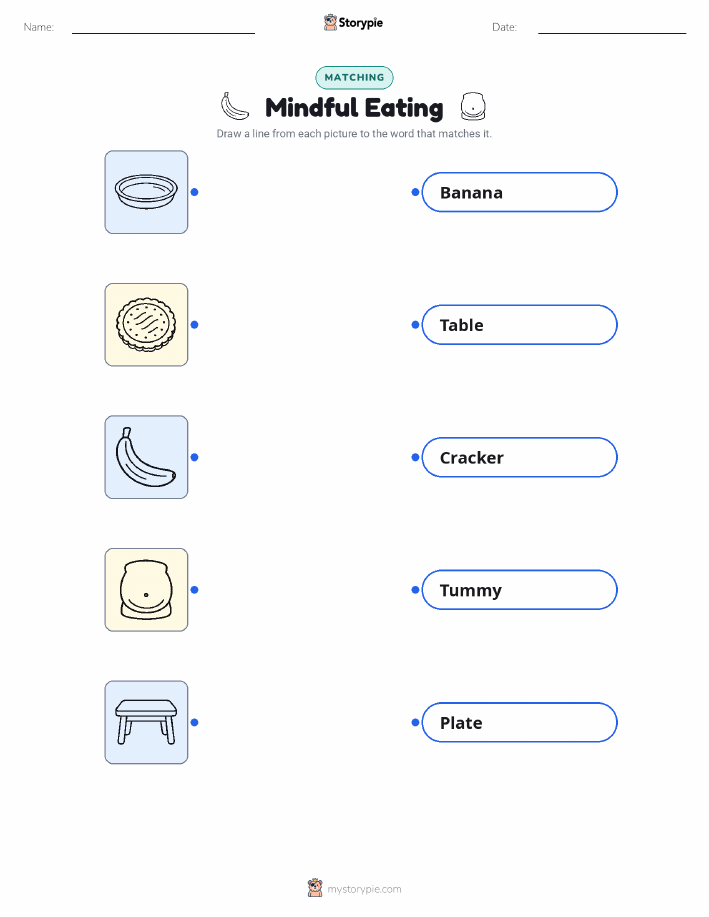
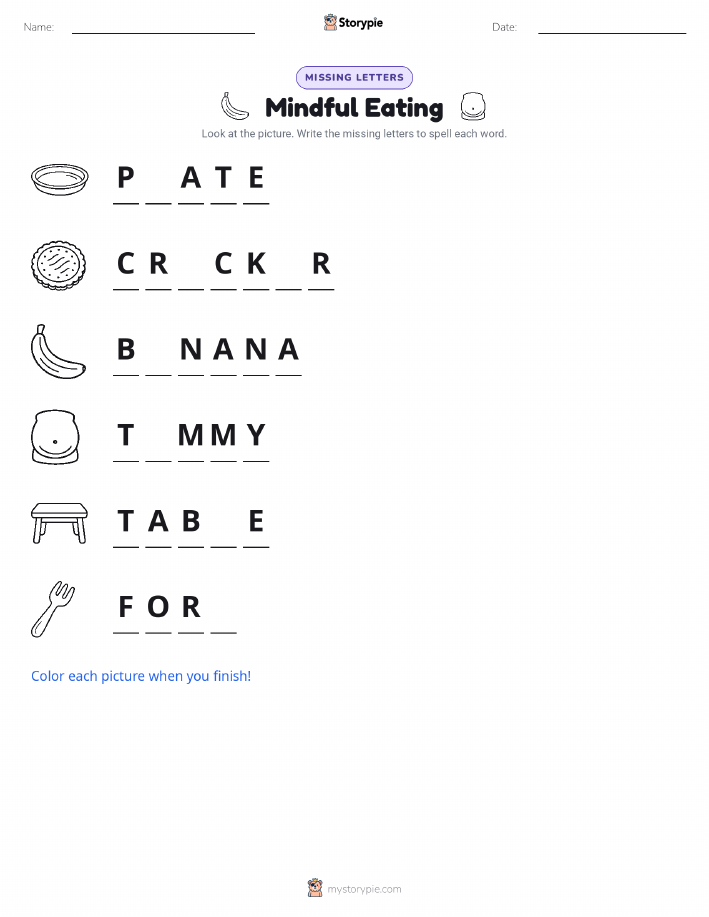
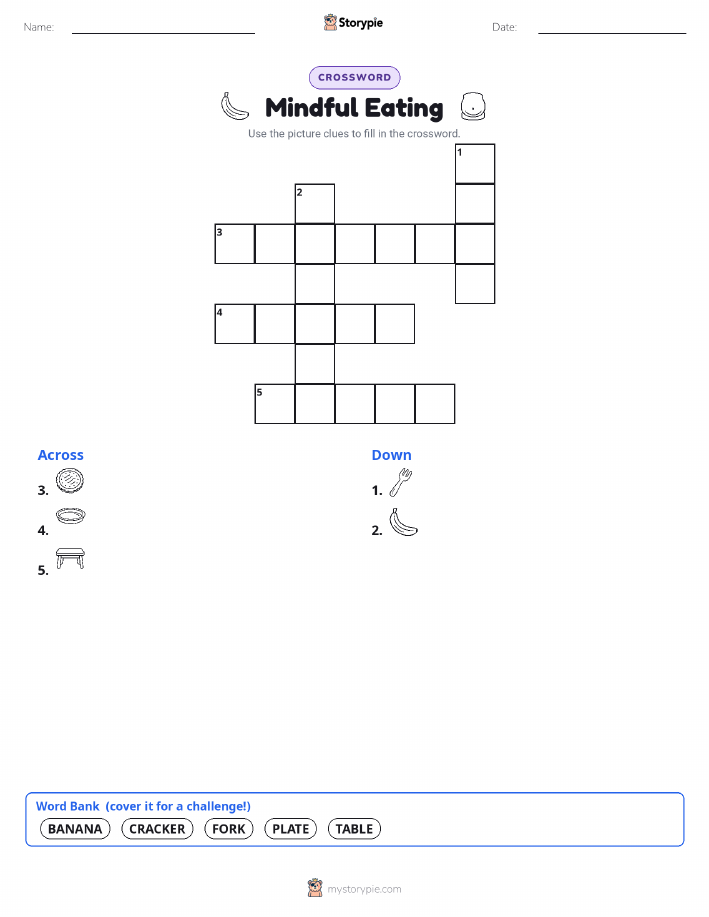
28 worksheets · answer keys · full story · quiz · Ages 8-10 · CEFR B1
Plus adds 279,000+ more stories in 27 languages, audio for every one, and printables for all of them.
Just want Mindful Eating?
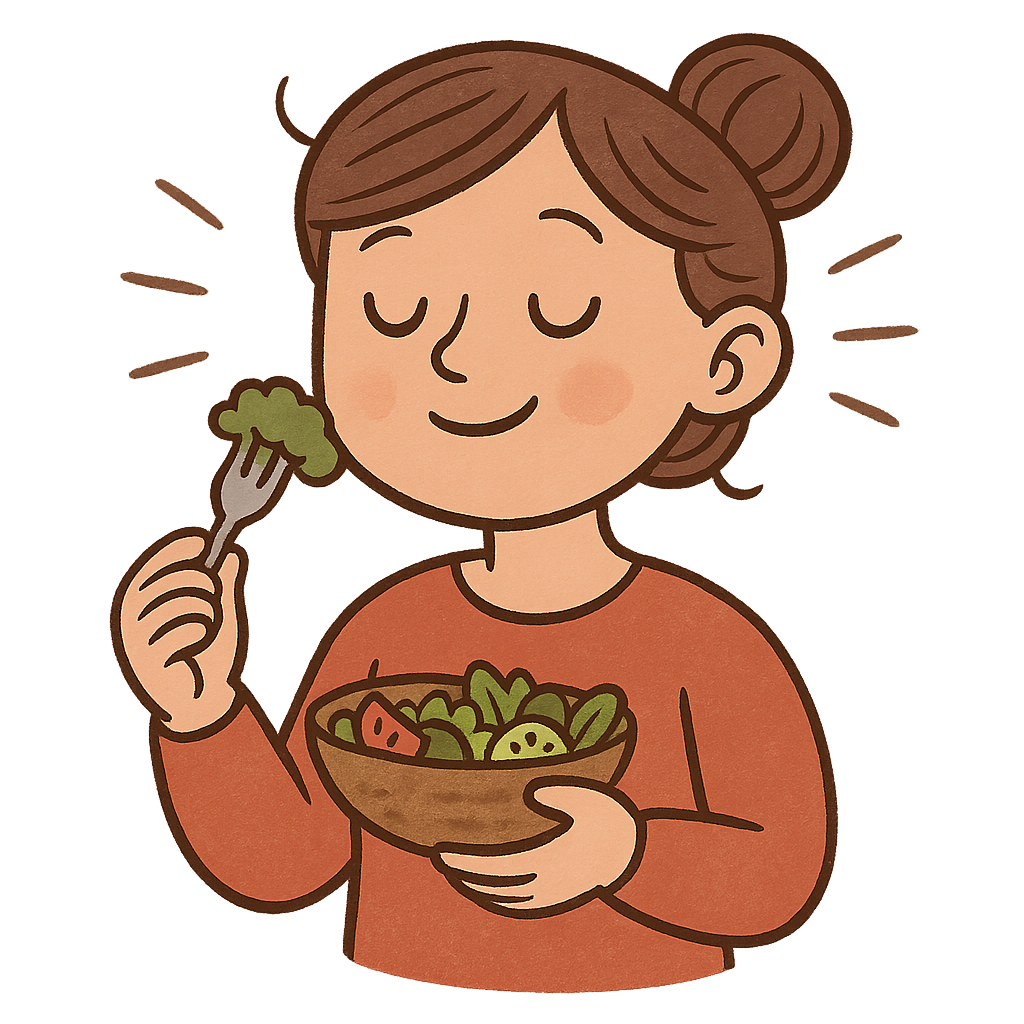
I am going to tell you about mindful eating. It is the practice of paying full attention to my food using all of my senses. Many teachers, like Thich Nhat Hanh and Jon Kabat-Zinn, have helped people understand how to be more mindful in their daily lives, including when they eat. Mindful eating is the opposite of distracted eating. Have you ever eaten a snack while watching TV or playing a game? Sometimes, when I do that, I finish my food and barely remember tasting it. That is distracted eating. When I practice mindful eating, I focus only on my food. This helps me truly enjoy the flavors and textures. It also helps me listen to my body’s signals. I can notice when I am starting to feel hungry and when I am comfortably full. It is a way to connect with my food and my body at the same time.
I can show you how to practice mindful eating with a single item, like a cracker. First, before I even take a bite, I pause for a moment. I ask myself, 'Am I truly hungry?' This simple question helps me understand if my body actually needs food or if I am eating for another reason. Next, I use all of my senses to explore the cracker. I look at its color and shape, noticing any lines or patterns on it. I bring it to my nose to smell its aroma. Is it salty or plain? I then hold it and feel its texture. Is it smooth or rough? When I am ready, I take just one slow bite. As I begin chewing, I do it very thoroughly. I focus on the sound it makes and the way the flavors change in my mouth. Many experts on this topic, such as Jan Chozen Bays, suggest putting your fork or the food down between bites. This is an important step because it forces me to slow down. It gives my body and brain time to communicate. During these pauses, I can check in and see how my body feels. Am I still hungry, or am I starting to feel satisfied? This practice helps me connect with the experience of eating.
The Story of Mindful Eating
I am going to tell you about mindful eating. It is the practice of paying full attention to my food using all of my senses. Many teachers, like Thich Nhat Hanh and Jon Kabat-Zinn, have helped people understand how to be more mindful in their daily lives, including when they eat. Mindful eating is the opposite of distracted eating. Have you ever eaten a snack while watching TV or playing a game? Sometimes, when I do that, I finish my food and barely remember tasting it. That is distracted eating. When I practice mindful eating, I focus only on my food. This helps me truly enjoy the flavors and textures. It also helps me listen to my body’s signals. I can notice when I am starting to feel hungry and when I am comfortably full. It is a way to connect with my food and my body at the same time.
I can show you how to practice mindful eating with a single item, like a cracker. First, before I even take a bite, I pause for a moment. I ask myself, 'Am I truly hungry?' This simple question helps me understand if my body actually needs food or if I am eating for another reason. Next, I use all of my senses to explore the cracker. I look at its color and shape, noticing any lines or patterns on it. I bring it to my nose to smell its aroma. Is it salty or plain? I then hold it and feel its texture. Is it smooth or rough? When I am ready, I take just one slow bite. As I begin chewing, I do it very thoroughly. I focus on the sound it makes and the way the flavors change in my mouth. Many experts on this topic, such as Jan Chozen Bays, suggest putting your fork or the food down between bites. This is an important step because it forces me to slow down. It gives my body and brain time to communicate. During these pauses, I can check in and see how my body feels. Am I still hungry, or am I starting to feel satisfied? This practice helps me connect with the experience of eating.
Practicing mindful eating is important for several reasons. When I chew my food well, it helps my body with digestion. Breaking down the food in my mouth is the first step in getting all the good energy and nutrients from it. Mindful eating also helps me recognize when my body is full. Sometimes, when I eat too fast, I do not notice the signals my stomach sends to my brain telling me I have had enough. This can lead to eating until I feel uncomfortably full. By eating slowly and paying attention, I can stop when I am satisfied, not stuffed. This practice helps me build a healthier and more positive relationship with food and with my own body. It turns eating from a fast, automatic action into an enjoyable and nourishing experience. Mindful eating is a skill that helps me live a more balanced and healthy life.
Wow facts
About
Mindful eating is the practice of maintaining an in-the-moment, non-judgmental awareness of one's food, body, and senses during the act of eating.
Take a Quiz
Question 1 of 5
In the story, eating while watching TV is called 'distracted eating.' What does the word 'distracted' mean in this context?
Explore next






Want to do even more?
Go beyond exploring. Unlock tools that turn every story into real learning.

Storypie Plus for families
Full stories, quizzes, and printables. Nights and car rides, sorted.
- Unlimited audio stories
- Create Mode: your child stars in the story
- Offline downloads
- Printable worksheets & coloring pages

Why Storypie for Schools
Students engaged. Prep in seconds. Evenings back to you.
- Worksheets & Quizzes
- Classroom Management
- Formative Assessment
- Custom Curriculum & Lesson Plans
- 27 Languages

Why Storypie for Homeschool
Curriculum done. They'll ask for more. Hours back in your day.
- Worksheet Generator
- First-Person Audio Stories
- Built-in Comprehension Quizzes
- Custom Curriculum & Lesson Plans
- Print & Go Activities