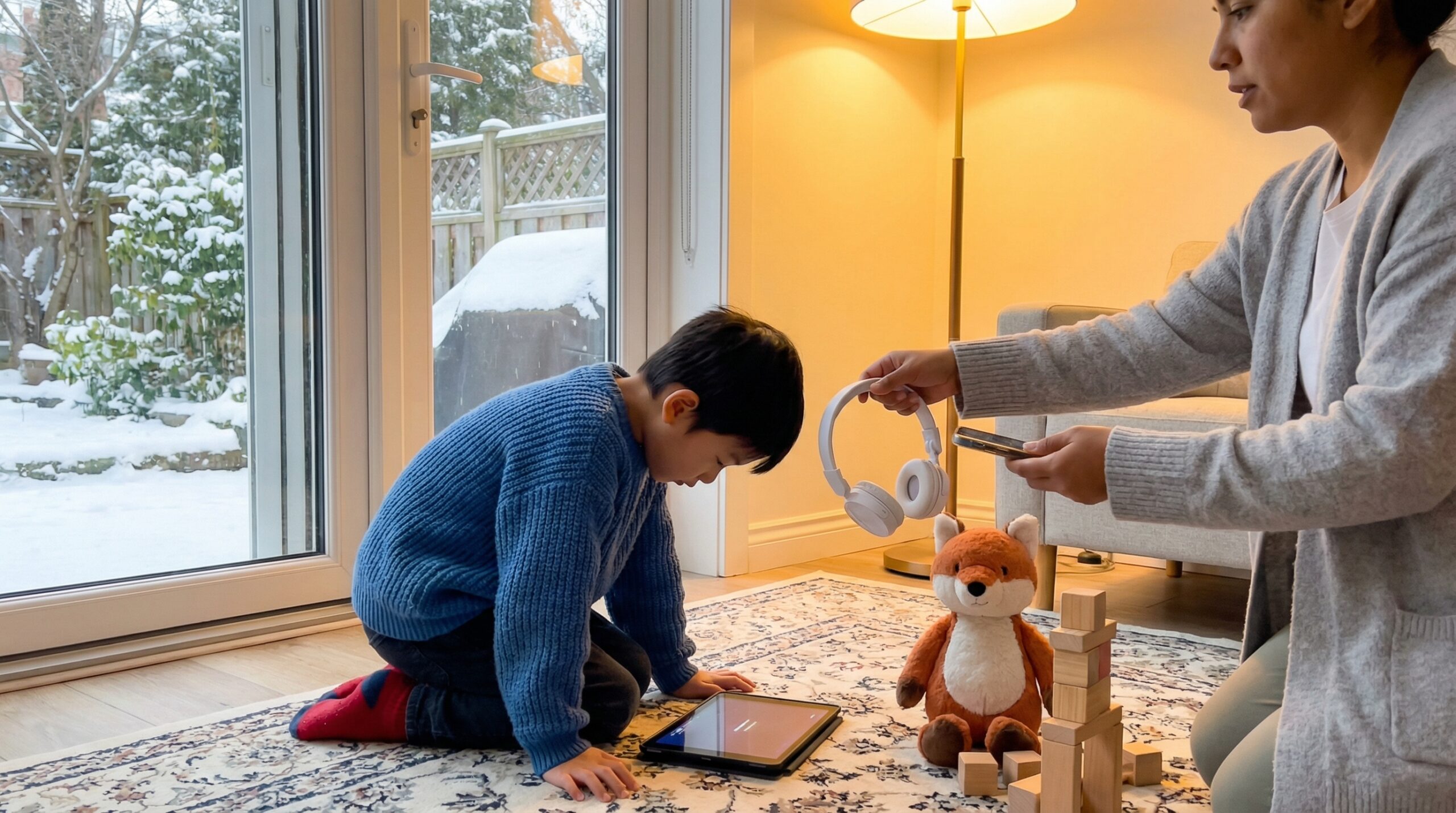
Deciding between internet entertainment vs education for 6 year old matters for parents and teachers. Kids this age learn quickly. Also, they love to play. So short, guided screen time can spark curiosity. In fact, research shows that in 2024, children aged 5 to 8 spent an average of 3.5 hours daily on screens, which underscores the importance of making those hours count.
internet entertainment vs education for 6 year old: what entertainment does
Entertainment gives joy and rest. Videos, games, and audio spark imagination. Good picks build listening skills and storytelling play. However, poor choices cause passive scrolling, ads, and surprise purchases. They can also overstimulate before bed and cut into active play. Notably, a 2025 Pew Research study found that 85% of parents reported their child aged 12 or younger watches YouTube, with about half indicating daily usage, highlighting the need for parental guidance in content selection.
What educational content looks like
Educational apps and sites aim to teach a skill. They target phonics, vocabulary, or number sense. The best ones give feedback and adapt to each child. When adults co-use, learning sticks much better. Yet many apps promise progress and deliver little when used alone. A growing trend is evident as 72% of parents reported their children (ages 2–8) used educational apps over the summer in 2025, up from 66% the previous year, suggesting that families are increasingly integrating learning into screen time.
Why balance matters
Short learning bursts plus playful entertainment give the best results. Active tasks beat passive viewing. Also, co-use with an adult multiplies benefits. So set simple routines and use timers. Celebrate attempts more than perfection. Those small wins matter. It’s also worth noting that children age 5–8 who watch short-form platforms like TikTok and YouTube Shorts average about 22 minutes per day on those videos, which can inform discussions about content choices.
Quick checklist for choosing apps
- Clear learning goal stated up front. Pick apps that say what they teach.
- Age-friendly interface: big buttons and simple instructions.
- No or limited ads and no surprise purchases.
- Transparent privacy policy and parental controls.
- Evidence or educator endorsement when possible.
- Built-in timers or daily limits.
Two simple micro activities to try
Try brief, guided moments that mix fun with learning. For example:
- Listening plus retell, 15 minutes. Play a Storypie audio story and ask: What happened first? Then draw the main character. Reward effort with a hug. Storypie app
- Phonics and play, 10 minutes. Play one short phonics level together. Then hunt for that sound in a book or on labels around the house. Little wins add up.
Co-use prompts that work
- What was your favorite part and why? Keep answers to one sentence.
- Can you draw the scene we heard? Tape the picture on the fridge.
- How many animals did you hear? Count them out loud.
Safety, sleep, and cost
Limit bright screens before bed. Instead, prefer audio for winding down. Also, turn off ads or choose ad-free versions when possible. Use parental controls to avoid accidental purchases. Finally, check app settings and privacy notes carefully. Interestingly, as of 2025, 39% of parents report that children ages 5–8 have used an app or device with AI features to learn about school-related material, reflecting the integration of technology in education.
Digital tools become powerful when chosen on purpose. Use them as part of a balanced day with outdoor play, books, and family time. For a playful, practical start, try Storypie for short audio tales and gentle learning. Storypie