
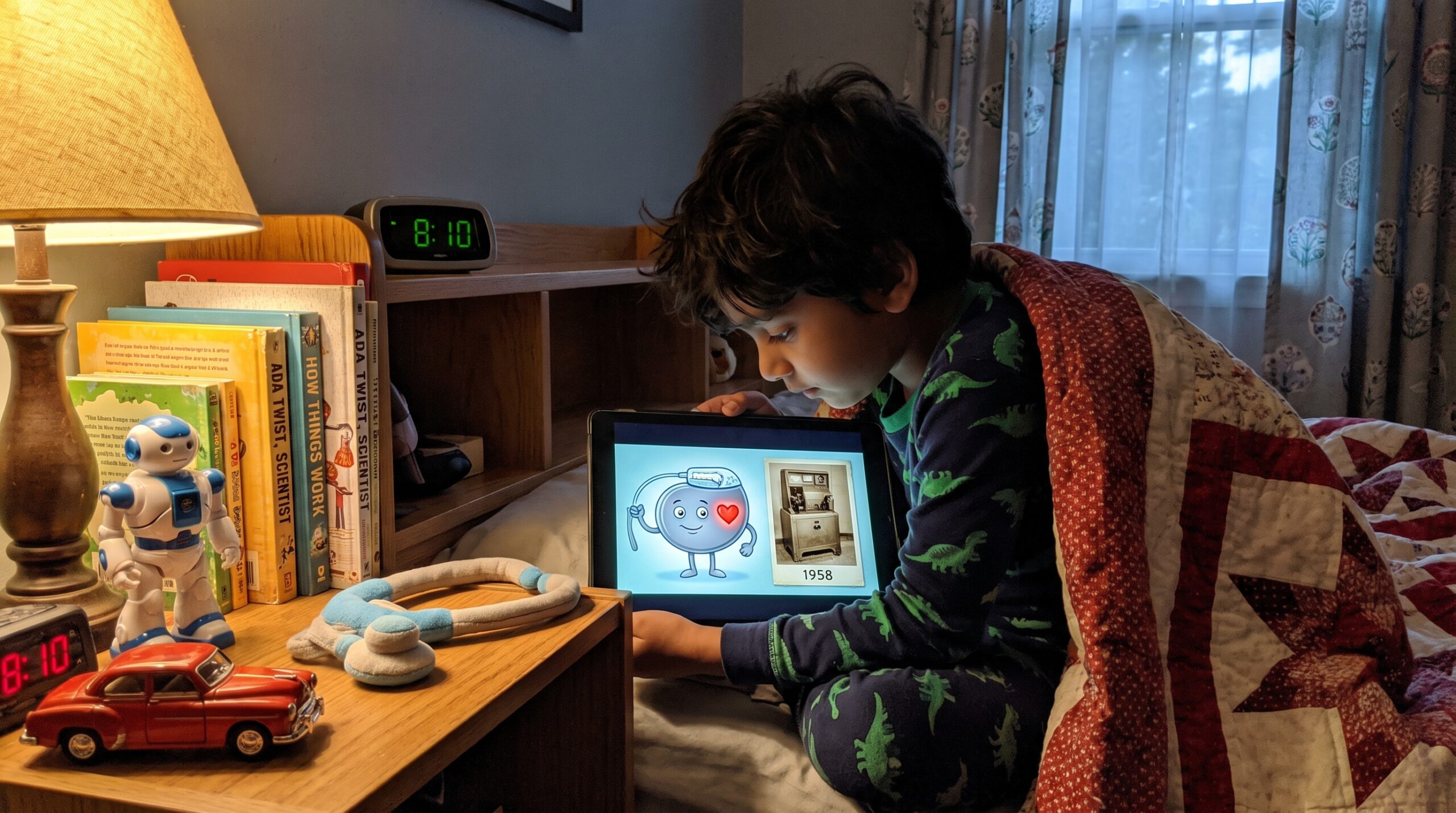
The pacemaker device is a tiny helper that keeps the heart on time. In simple words, a pacemaker device watches the heart and gives a small electrical nudge only when needed. For families, this explanation is gentle and reassuring.
How the pacemaker device works
A pacemaker device has two main parts. First, the pulse generator holds a battery and the electronics. Second, leads or electrodes carry tiny pulses to the heart. In leadless designs the generator and electrode sit together inside the heart.
The device senses the heart rhythm and only sends a pulse when needed. Also, some pacemakers speed up with activity by sensing motion or breathing. This helps people feel stronger and more active.
Common types and modern advances
There are several kinds of pacemaker devices. Temporary external pacemakers help in emergencies. Permanent implantable pacemakers sit under the skin and use transvenous leads threaded through a vein. Epicardial leads attach to the heart surface and are often used in children.
Leadless pacemakers sit inside the heart and avoid leads. Cardiac resynchronization devices pace both sides of the heart to help people with heart failure. Over time devices became smaller, smarter, MRI conditional, and able to send data to doctors remotely. Quite amazing, right? In fact, in Europe, the median rate of pacemaker implantations, including first-time and replacements, is about 723.2 per million inhabitants, with some countries exceeding 1,000 per million as of 2025, highlighting their widespread use across the continent according to European Society of Cardiology statistics.
A short history snapshot of the pacemaker device
Early pacing ideas stretch back decades. In the 1950s several inventors made big strides. A famous milestone came in 1958 when surgeon Ake Senning and engineer Rune Elmqvist implanted the first long term device for Arne Larsson. That early success shows how a small idea can change many lives.
Living with a pacemaker device
Implantation is often quick and done with local anesthesia. Doctors program the device for each person. Batteries usually last five to fifteen years. When needed, the generator is replaced in a standard procedure. Regular follow up and remote checks keep care safe.
Most people return to normal activities with a few simple precautions. For children, teams tailor care to growth and emotional needs. Tell kids it is a tiny helper that keeps the heart singing. Keep strong magnets away and inform medical teams about the device.
Family tips and gentle notes
- Explain the pacemaker device as a quiet helper, not a scary machine.
- Carry device ID information for travel and medical appointments.
- Talk with your care team about sports and growth plans for children.
Pacemaker devices have helped millions live longer and more active lives. For example, Arne Larsson lived many years after his first implant. His story reminds us how small inventions can spark big change.
Read or listen to a story about Pacemaker now: For 3-5 year olds, For 6-8 year olds, For 8-10 year olds, and For 10-12 year olds.
Try a 10 minute bedtime story on Storypie to spark curious questions like, How can a tiny battery tell a heart when to beat? Visit Try Storypie for the app.