
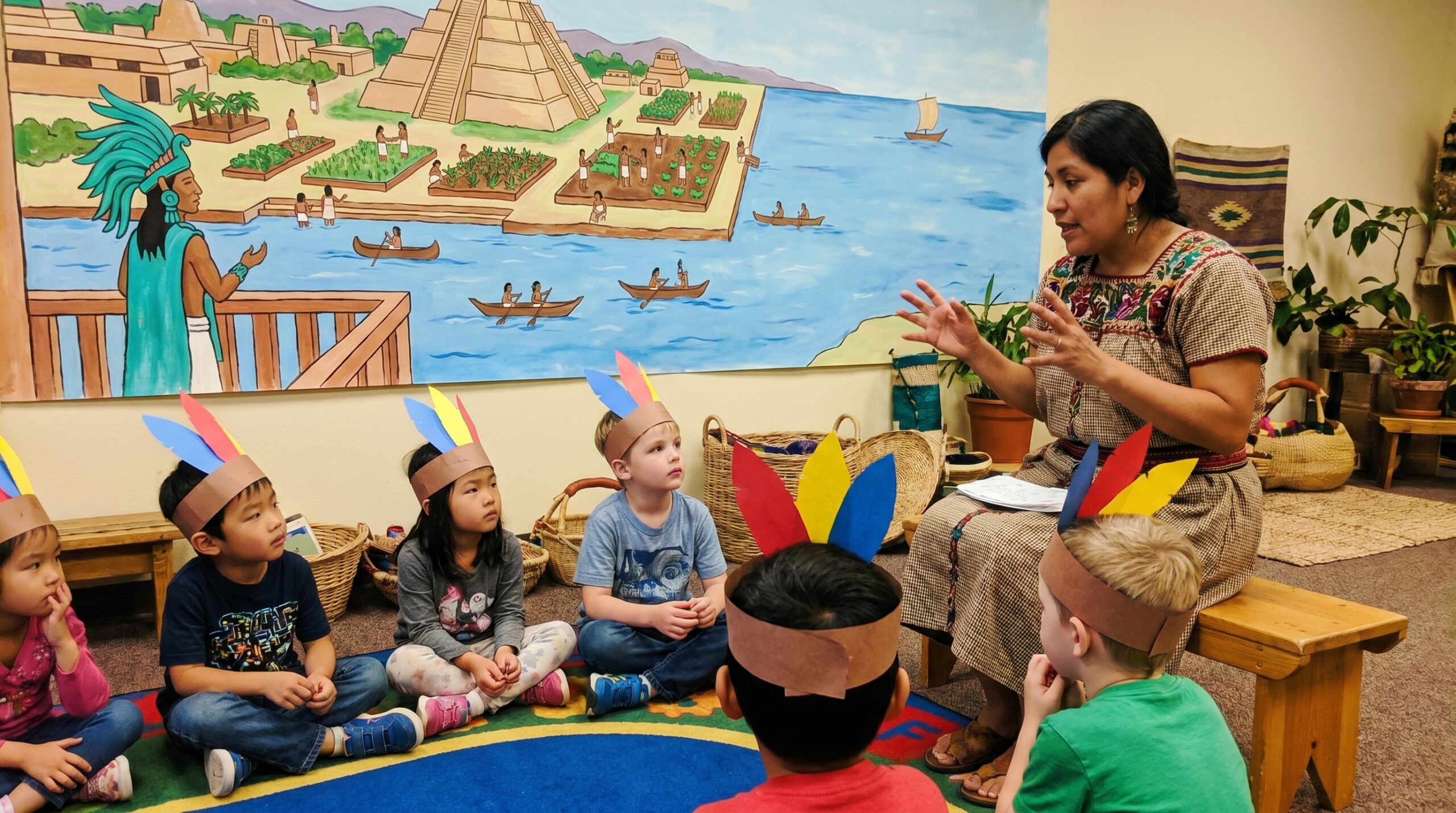
The Spanish conquest of the Aztec Empire 1521 is a dramatic and complex story. It centers on Tenochtitlan, Lake Texcoco, and the Gulf coast near Veracruz. Malintzin, a Nahuatl and Maya speaker, plays a central role as translator and advisor to Hernán Cortés.
First encounters and early decisions
In 1519 Cortés sailed from Cuba with a small group of Spaniards and a few horses. He founded Veracruz to claim authority separate from Cuba. Then he marched inland and entered Tenochtitlan in November 1519. At first, the Spaniards were welcomed. However, things went wrong fast.
Key moments in brief
- 1519: Cortés arrives and enters Tenochtitlan.
- Late 1519: Cortés detains Emperor Moctezuma II to control the city.
- June 30, 1520: La Noche Triste, when many Spaniards and allies died during a nighttime escape.
- 1520 to 1521: Smallpox spreads and kills many indigenous people; approximately half of Tenochtitlán’s inhabitants perished during that outbreak, which began in 1520, as noted by Britannica.
- May 22 to August 13, 1521: The siege and fall of Tenochtitlan, a grueling 93-day siege that ended with the city’s capture on August 13, 1521, as detailed by Britannica.
Why the Spanish succeeded in 1521
Several clear reasons explain the Spanish victory. First, many indigenous city states resented Aztec rule. Next, groups like the Tlaxcalans allied with Cortés. Also, Spanish weapons and horses gave military advantages. Importantly, brigantines were built to control the lake. Those small armed boats cut supply lines and made the island city vulnerable. During the conquest, the Spanish forces, led by Hernán Cortés, were significantly outnumbered, with approximately 2,500–3,000 infantry and 90–100 cavalry, compared to the Aztec forces, which numbered around 200,000 soldiers, according to Wikipedia. Finally, disease proved crucial. Smallpox spread rapidly and broke social resistance, leading to an estimated 100,000 to 240,000 individuals dying due to violence, famine, and disease during the fall of Tenochtitlán, as reported by The Conflict Archive.
How the city felt
Tenochtitlan was busy and surprising. Markets hummed with color and sound. Canoes threaded canals between causeways. Great temples rose above the streets. You could smell maize, cacao, and cooking smoke. Those senses made the city feel alive and full of trade and ceremony.
Voices, sources, and memory
Voices of the Spanish conquest of the Aztec Empire 1521 come from many directions. Cortés wrote letters that describe strategy and power. Bernal Díaz left a long eyewitness chronicle. Indigenous codices and Nahua accounts speak from other angles. Modern historians read both types of sources to find balance. Archaeology adds temples, canals, and everyday objects to the picture. Estimates and details vary, and scholars still debate numbers. A study published in 2023 found that, on the eve of the Spanish conquest, the richest 1% of the Aztec Empire’s population earned 41.8% of the total income, while the poorest 50% earned just 23.3%, highlighting the economic disparities that may have influenced the social dynamics during the conquest, according to Nature Human Behaviour.
Consequences that shaped Mexico
The Aztec Triple Alliance lost political control. Spain founded New Spain and began mission work and colonial rule. Populations fell as disease and war took lives. Mexico City now sits within much of the old Tenochtitlan. Yet indigenous peoples and cultures persisted and shaped new life.
Ideas for sharing with children
Invite a child to retell what Malintzin hears and says. Ask them to notice market sounds, boats, and smells you read about. Try a tiny ritual: draw a map of Tenochtitlan with paper canoes and one hero temple. It is a gentle way to build empathy and curiosity. Playful prompts help children connect to big history.
Read or listen to a story about Spanish conquest of the Aztec Empire (1521) now: For 3-5 year olds, For 3-5 year olds, For 6-8 year olds, For 8-10 year olds, and For 10-12 year olds.
Also explore more related stories on Storypie for other child-friendly history reads.