English

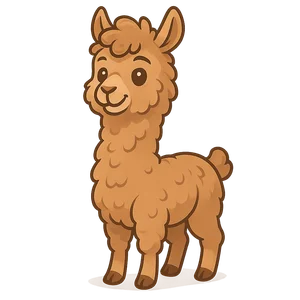
Alpaca
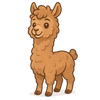
The Alpaca (Vicugna pacos) is a domesticated species of South American camelid, known for its soft…
Reads at Grades 6–8 Listens at Grades 4–8
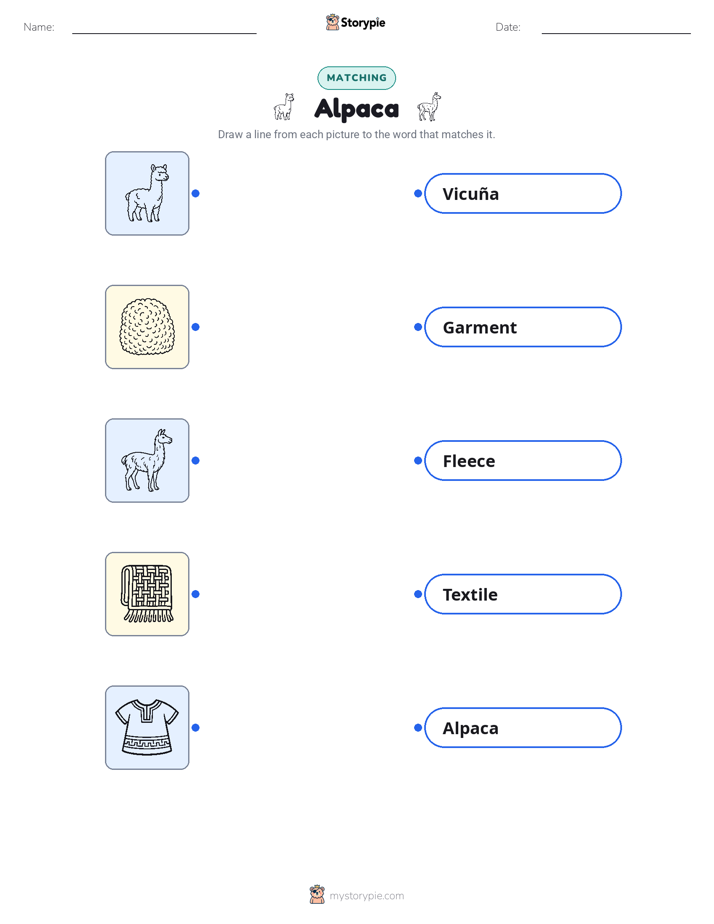
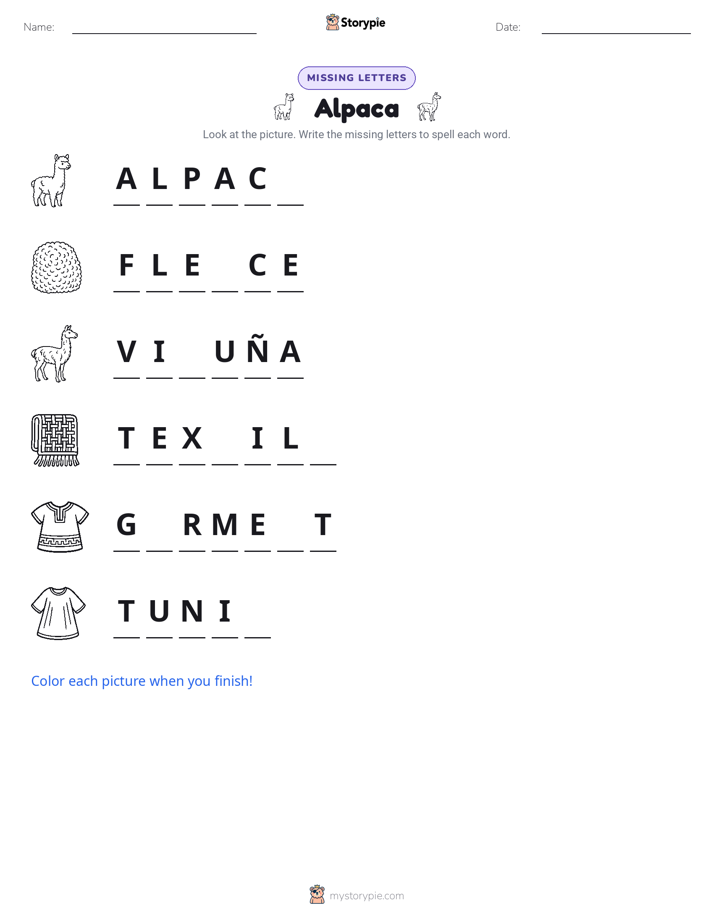
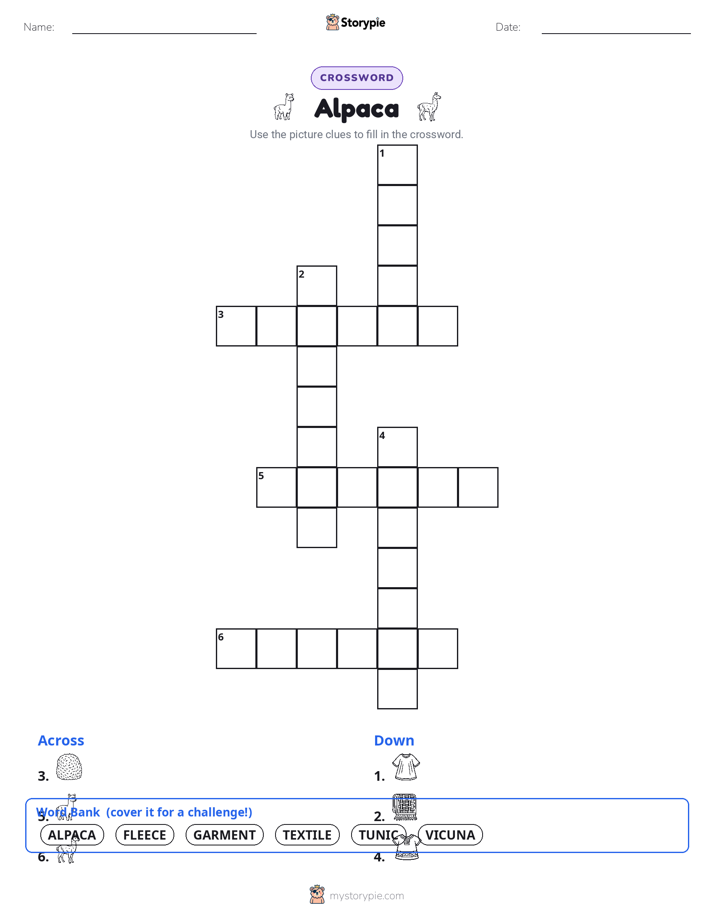
Print & create
Answer keys·No prep·Free with an account
28 worksheets · answer keys · full story · quiz · Ages 10-12 · CEFR B2
Plus adds 164,000+ more stories in 27 languages, audio for every one, and printables for all of them.
Just want Alpaca?
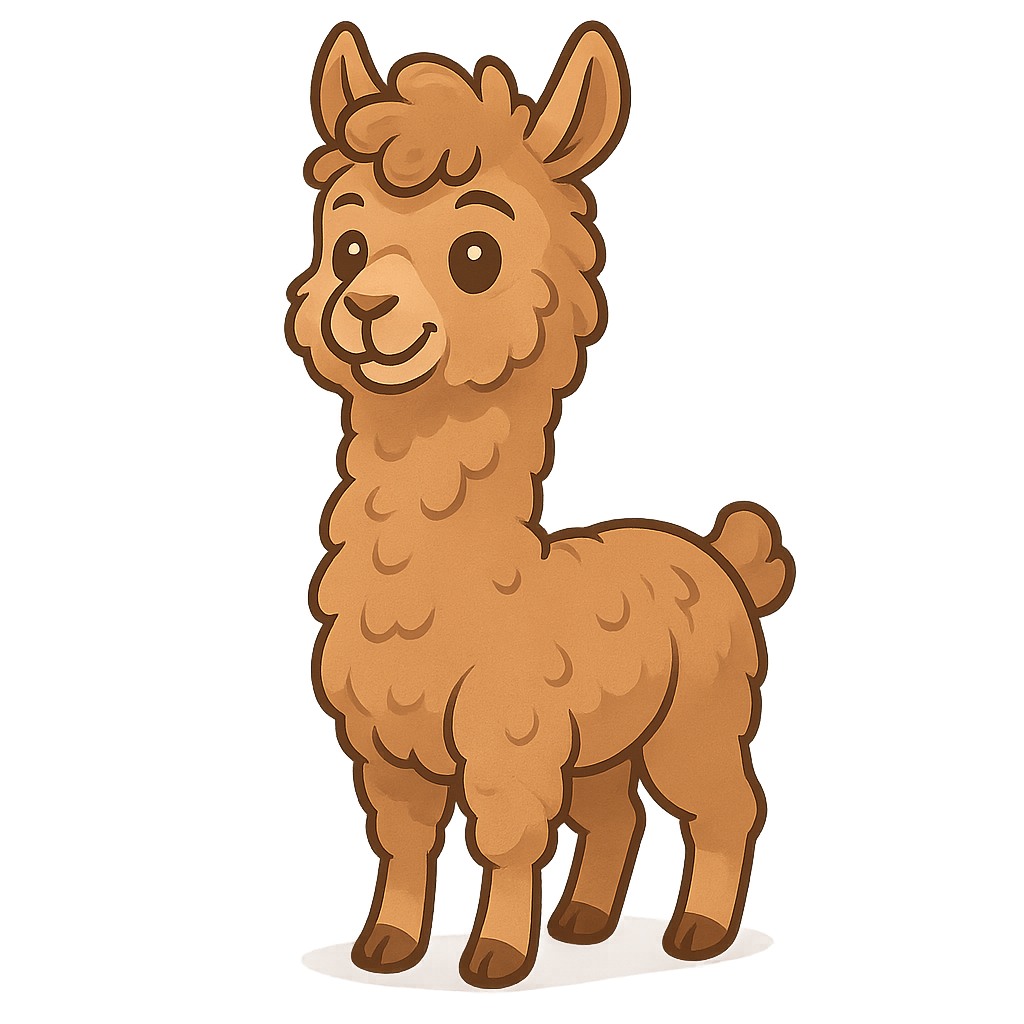
Hello, my name is Pacha, and I am a Huacaya alpaca. My story begins high in the Andes Mountains, a place of towering peaks and crisp, thin air. For thousands of years, my ancestors have called these mountains home. I am covered in a thick, soft fleece that feels like a dense sponge, and it acts as a perfect blanket against the chilly winds of the high altitudes. My wild ancestors are the graceful vicuñas, who still roam these mountains with an elegant wildness. Our journey with humans began a very long time ago, around 4000 BCE. It was then, nearly 6,000 years ago, that people living in the Andes first befriended us. They saw the value in our warm fleece and gentle nature, and through this understanding, we were domesticated. This was the start of a special partnership between alpacas and humans, a bond that has been woven into the history of the mountains themselves.
My fleece has a history as rich as any treasure. During the great Inca Empire, which flourished from the 1400s until 1533 CE, my kind was held in the highest regard. The Incas didn't just see us as animals; they saw us as a gift from the earth. They called our fleece the 'fiber of the gods,' a name that speaks to how precious it was. In those days, not just anyone could wear clothing made from my wool. It was so luxurious and valuable that its use was reserved exclusively for Inca royalty and the most important officials in the empire. We were more than livestock; we were a living symbol of status, power, and wealth. The quality and color of an official's alpaca garments told everyone their rank in society. Our presence was a cornerstone of their culture, deeply respected and carefully managed.
My Journey as a Huacaya Alpaca
Hello, my name is Pacha, and I am a Huacaya alpaca. My story begins high in the Andes Mountains, a place of towering peaks and crisp, thin air. For thousands of years, my ancestors have called these mountains home. I am covered in a thick, soft fleece that feels like a dense sponge, and it acts as a perfect blanket against the chilly winds of the high altitudes. My wild ancestors are the graceful vicuñas, who still roam these mountains with an elegant wildness. Our journey with humans began a very long time ago, around 4000 BCE. It was then, nearly 6,000 years ago, that people living in the Andes first befriended us. They saw the value in our warm fleece and gentle nature, and through this understanding, we were domesticated. This was the start of a special partnership between alpacas and humans, a bond that has been woven into the history of the mountains themselves.
My fleece has a history as rich as any treasure. During the great Inca Empire, which flourished from the 1400s until 1533 CE, my kind was held in the highest regard. The Incas didn't just see us as animals; they saw us as a gift from the earth. They called our fleece the 'fiber of the gods,' a name that speaks to how precious it was. In those days, not just anyone could wear clothing made from my wool. It was so luxurious and valuable that its use was reserved exclusively for Inca royalty and the most important officials in the empire. We were more than livestock; we were a living symbol of status, power, and wealth. The quality and color of an official's alpaca garments told everyone their rank in society. Our presence was a cornerstone of their culture, deeply respected and carefully managed.
For centuries, the secret of my incredible fleece was kept within the Andes. The rest of the world knew nothing of the softness and warmth we provided. But in the 1800s, that all began to change. The world started to hear whispers of a remarkable fiber from South America. An intelligent and ambitious English textile manufacturer named Sir Titus Salt became fascinated by my fleece. Around 1836, after much experimentation, he discovered a way to spin our strong, fine fibers into a beautiful, silky cloth that was unlike anything seen before in Europe. His discovery created an enormous demand. Suddenly, everyone wanted alpaca wool. To meet this new global appetite, my relatives were carefully boarded onto ships for long voyages across the ocean. They traveled far from their mountain home to establish new herds in England, Australia, and North America, bringing the 'fiber of the gods' to the rest of the world.
Today, my life is peaceful and content on a modern farm. I live with my herd, as we are very social and gentle creatures. We communicate with each other through a series of soft, humming sounds—it's our way of saying hello or letting others know how we feel. Our relationship with the land is as gentle as our nature. We have soft, padded feet, which means we don't damage the delicate pastures where we graze. We are careful eaters, nibbling the tops of grasses without pulling them up by the root. This gentle way of life makes us good for the environment. The partnership between alpacas and people continues to thrive, built on a foundation of mutual respect. Most of my kind live for about 15 to 20 years, and throughout our lives, we share our wonderful, sustainable fleece with our human friends, a warm reminder of a partnership that began thousands of years ago in the high Andes.
Wow facts
About
The Alpaca (Vicugna pacos) is a domesticated species of South American camelid, known for its soft, luxurious fleece and its long history of partnership with humans in the Andean mountains.
Take a Quiz
Question 1 of 5
Summarize the main events that led to alpacas living on farms outside of the Andes.
Explore next


Want to do even more?
Go beyond exploring. Unlock tools that turn every story into real learning.

Storypie Plus for families
Full stories, quizzes, and printables. Nights and car rides, sorted.
- Unlimited audio stories
- Create Mode: your child stars in the story
- Offline downloads
- Printable worksheets & coloring pages

Why Storypie for Schools
Students engaged. Prep in seconds. Evenings back to you.
- Worksheets & Quizzes
- Classroom Management
- Formative Assessment
- Custom Curriculum & Lesson Plans
- 27 Languages

Why Storypie for Homeschool
Curriculum done. They'll ask for more. Hours back in your day.
- Worksheet Generator
- First-Person Audio Stories
- Built-in Comprehension Quizzes
- Custom Curriculum & Lesson Plans
- Print & Go Activities