English

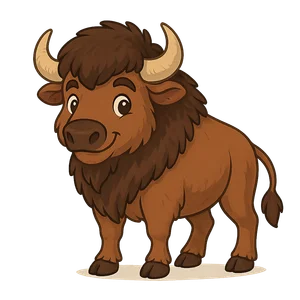
American Bison
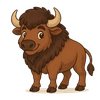
The American Bison is a large bovine native to North America, known for its massive size, shaggy coat…
Reads at Grades 6–8 Listens at Grades 4–8
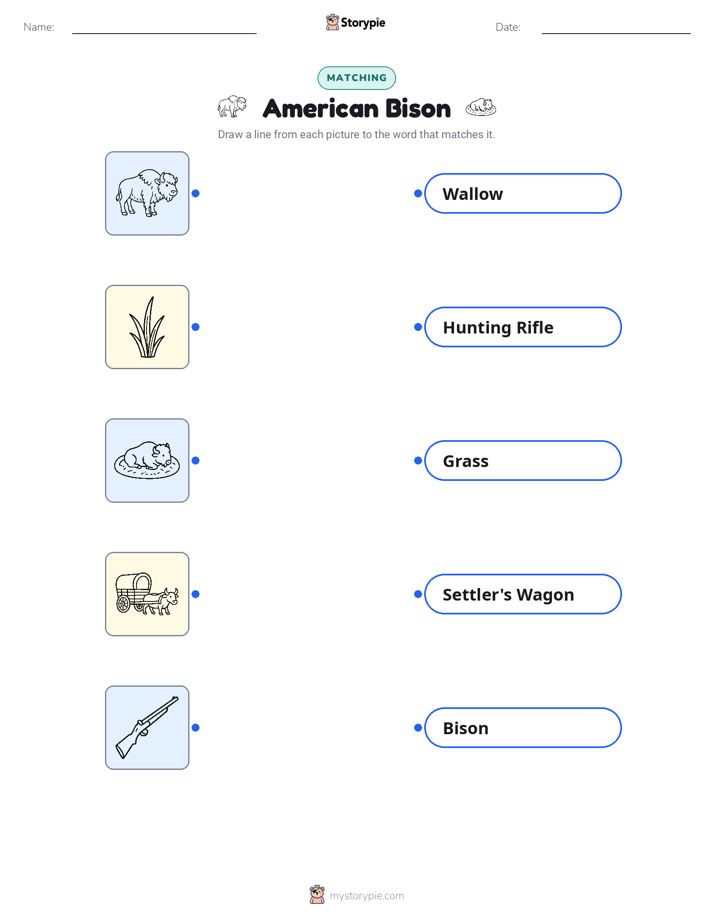
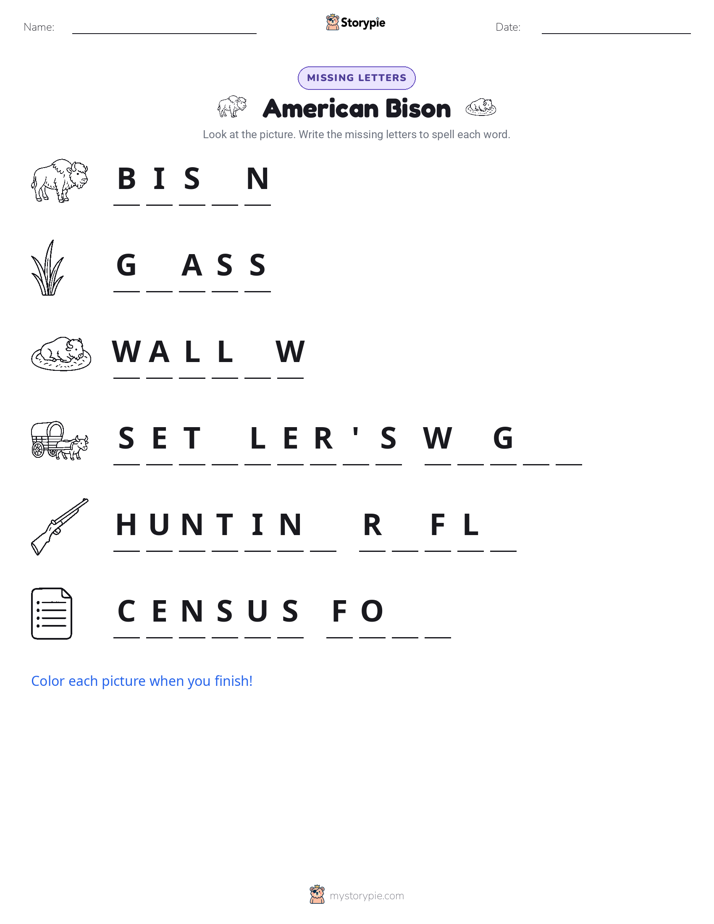
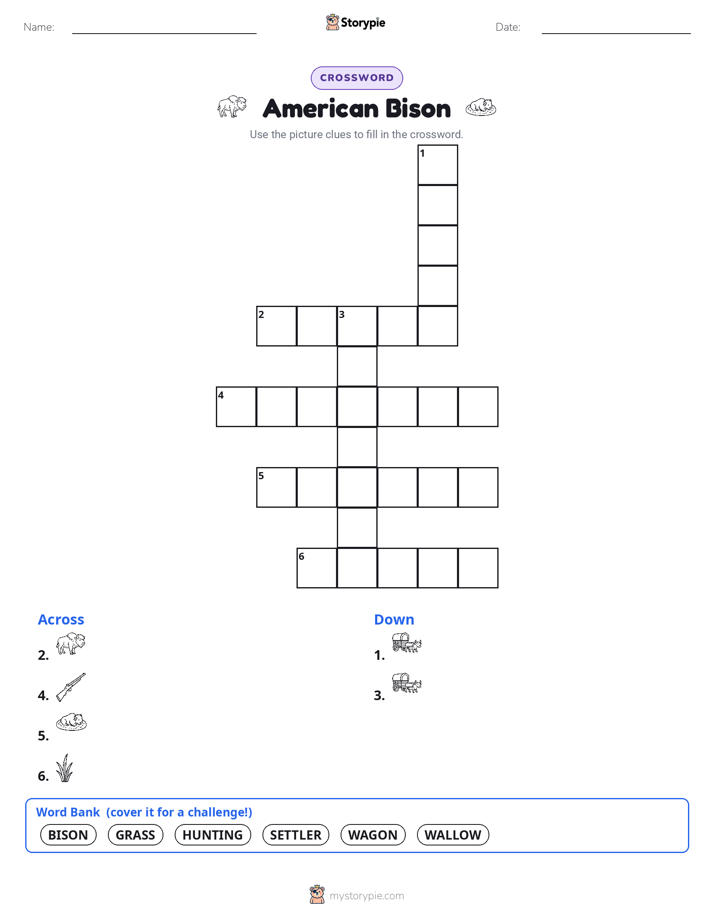
Print & create
Answer keys·No prep·Free with an account
28 worksheets · answer keys · full story · quiz · Ages 10-12 · CEFR B2
Plus adds 208,000+ more stories in 27 languages, audio for every one, and printables for all of them.
Just want American Bison?
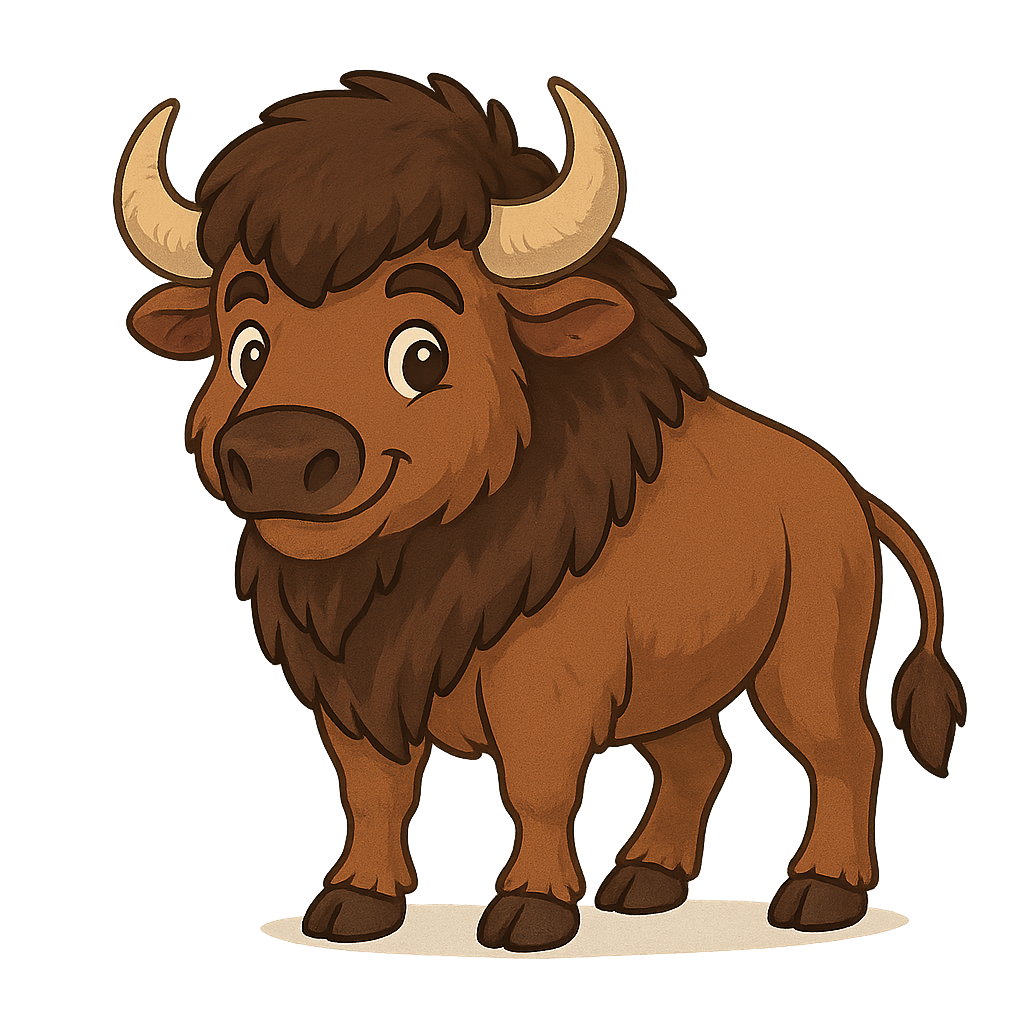
Hello, I am an American Bison, and my story is woven into the very fabric of the North American plains. As the largest mammal on the continent, my relatives and I have shaped this land for thousands of years. Before the 1800s, our lives were a thunderous rhythm across a sea of grass. We roamed the vast prairies in herds so large they numbered in the millions, a moving landscape of muscle and thick, shaggy coats. Our strength was legendary, but our true power was in how we cared for our home. We were a keystone species, which means the entire ecosystem depended on us. When we grazed, we kept the grasses healthy and prevented them from overgrowing. When we rolled on the ground to scratch our backs, we created depressions called wallows that collected rainwater, providing drinking holes for smaller animals and creating unique habitats for certain plants. Our hooves tilled the soil, helping seeds to sprout. We were not just living on the prairie; we were its architects, maintaining a balanced and thriving home for countless other creatures, from prairie dogs to meadowlarks.
My story took a sharp turn during the 19th century. The vast, open prairies began to change with the arrival of new settlers. At first, their presence was a small shift in the landscape, but soon, it brought a storm we could not withstand. The great hunts began. Our strength and numbers, which once seemed endless, were no match for the new pressures we faced. Before this time, our population was estimated to be over 30 million, a number so large it’s hard to imagine. But year by year, the thunder of our herds grew quieter. The prairies that once shook with the movement of millions fell silent. It was a dark and difficult time for my kind. The decline was devastatingly fast. By 1889, a census was taken to count how many of us were left. The result was a grim and shocking reality: there were only 1,091 of us remaining in the wild. From over 30 million to just over one thousand, we had been pushed to the very edge of disappearing from the Earth forever. It seemed our long journey as guardians of the prairie was coming to an end.
My Life as an American Bison
Hello, I am an American Bison, and my story is woven into the very fabric of the North American plains. As the largest mammal on the continent, my relatives and I have shaped this land for thousands of years. Before the 1800s, our lives were a thunderous rhythm across a sea of grass. We roamed the vast prairies in herds so large they numbered in the millions, a moving landscape of muscle and thick, shaggy coats. Our strength was legendary, but our true power was in how we cared for our home. We were a keystone species, which means the entire ecosystem depended on us. When we grazed, we kept the grasses healthy and prevented them from overgrowing. When we rolled on the ground to scratch our backs, we created depressions called wallows that collected rainwater, providing drinking holes for smaller animals and creating unique habitats for certain plants. Our hooves tilled the soil, helping seeds to sprout. We were not just living on the prairie; we were its architects, maintaining a balanced and thriving home for countless other creatures, from prairie dogs to meadowlarks.
My story took a sharp turn during the 19th century. The vast, open prairies began to change with the arrival of new settlers. At first, their presence was a small shift in the landscape, but soon, it brought a storm we could not withstand. The great hunts began. Our strength and numbers, which once seemed endless, were no match for the new pressures we faced. Before this time, our population was estimated to be over 30 million, a number so large it’s hard to imagine. But year by year, the thunder of our herds grew quieter. The prairies that once shook with the movement of millions fell silent. It was a dark and difficult time for my kind. The decline was devastatingly fast. By 1889, a census was taken to count how many of us were left. The result was a grim and shocking reality: there were only 1,091 of us remaining in the wild. From over 30 million to just over one thousand, we had been pushed to the very edge of disappearing from the Earth forever. It seemed our long journey as guardians of the prairie was coming to an end.
Just when all hope seemed lost, a different kind of human voice began to speak up. Some people saw the emptiness of the plains and understood what was being lost. They realized that without action, the American Bison would vanish completely. This marked the beginning of a new chapter, one filled with friends on the horizon. In 1905, a group of concerned individuals, including a conservationist named William T. Hornaday and even the President of the United States, Theodore Roosevelt, formed the American Bison Society. Their mission was simple but enormous: to save us from extinction. They knew they had to act quickly. One of the first major conservation efforts took place in 1907. It was a journey of hope for fifteen of my ancestors who were carefully moved from a New York zoo to a new, protected home in Oklahoma called the Wichita Mountains Wildlife Refuge. This small group was the seed of a new beginning, a promise that our species might have a future after all. It was the first time a federal wildlife refuge was used to re-establish a large mammal population, a landmark moment in the history of conservation.
That small herd in the Wichita Mountains was just the start of our long road home. Throughout the 20th century, the hard work of conservationists continued, and our numbers began to slowly but steadily grow. Small, protected herds in places like Yellowstone National Park became crucial strongholds for our species. These herds were carefully managed, and as they grew, some of my relatives were relocated to help establish new populations across the country, returning our presence to lands we had been absent from for decades. The journey was not quick, but it was persistent. Today, our population has recovered to about 500,000. While many of my kind now live on private ranches, there are about 30,000 of us living in large conservation herds on public lands. In these places, we can roam more freely, graze on the native grasses, and continue our ancient work of shaping and nurturing the prairie ecosystem. Our recovery is a testament to the power of conservation and the dedication of people who believed our story shouldn't end.
My journey, and the journey of my species, has been one of incredible highs and devastating lows. But it is ultimately a story of resilience. This was recognized in a very special way on May 9th, 2016, when I, the American Bison, was officially named the National Mammal of the United States. This honor was a powerful acknowledgment of our importance to the history, culture, and ecology of this nation. I stand as a symbol of the American West, a reminder of the vast, wild landscapes that once were. But more than that, my story is proof of the success of conservation. It shows that even when a species is pushed to the brink, it is never too late to act. My presence on the plains today is a powerful reminder that with care and commitment, we can protect the natural world and its incredible inhabitants for generations to come.
Wow facts
About
The American Bison is a large bovine native to North America, known for its massive size, shaggy coat, and historical significance. Once numbering in the tens of millions, they were pushed to the brink of extinction in the 19th century but have since been the subject of successful conservation efforts.
Take a Quiz
Question 1 of 5
What was the main problem the American Bison faced in the 19th century, and what was the key action taken in 1907 that began to resolve it?
Explore next




Want to do even more?
Go beyond exploring. Unlock tools that turn every story into real learning.

Storypie Plus for families
Full stories, quizzes, and printables. Nights and car rides, sorted.
- Unlimited audio stories
- Create Mode: your child stars in the story
- Offline downloads
- Printable worksheets & coloring pages

Why Storypie for Schools
Students engaged. Prep in seconds. Evenings back to you.
- Worksheets & Quizzes
- Classroom Management
- Formative Assessment
- Custom Curriculum & Lesson Plans
- 27 Languages

Why Storypie for Homeschool
Curriculum done. They'll ask for more. Hours back in your day.
- Worksheet Generator
- First-Person Audio Stories
- Built-in Comprehension Quizzes
- Custom Curriculum & Lesson Plans
- Print & Go Activities