English

Aphid
Aphids are small, sap-sucking insects known for their rapid…
Reads at Grades 6–8 Listens at Grades 4–8
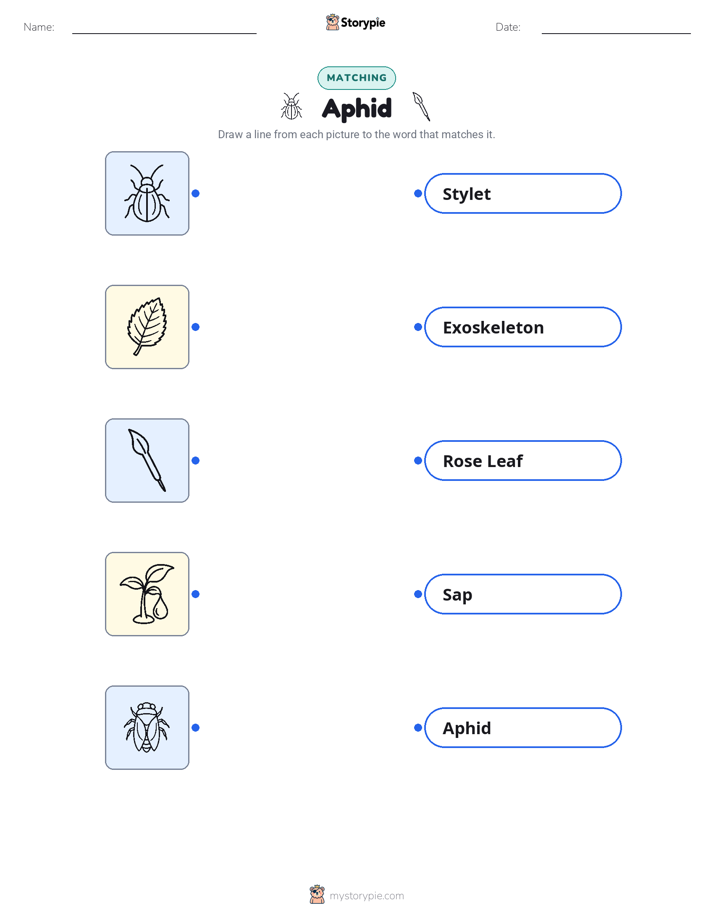
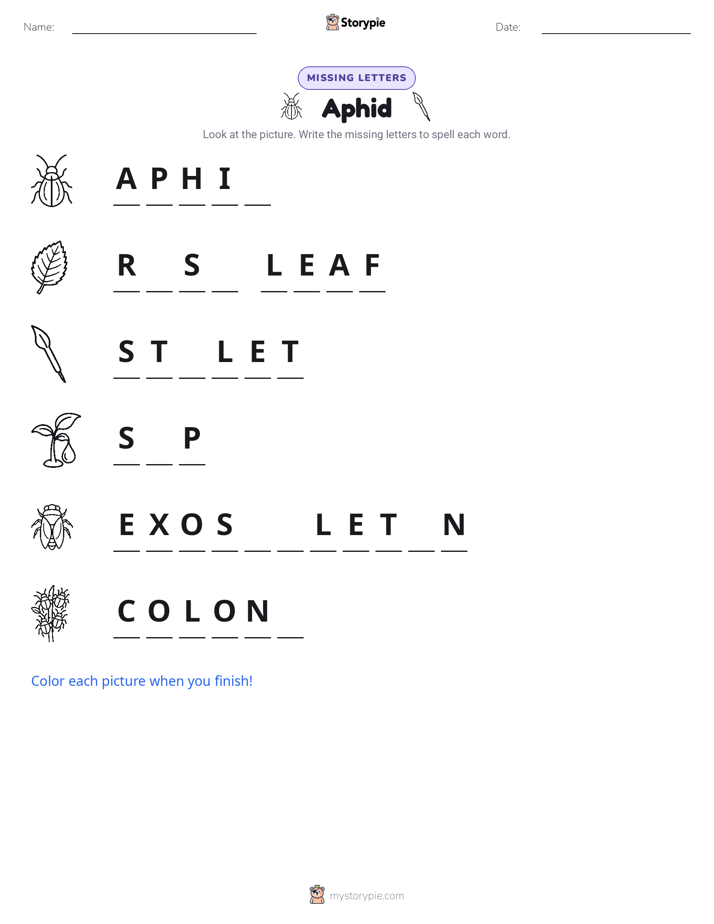
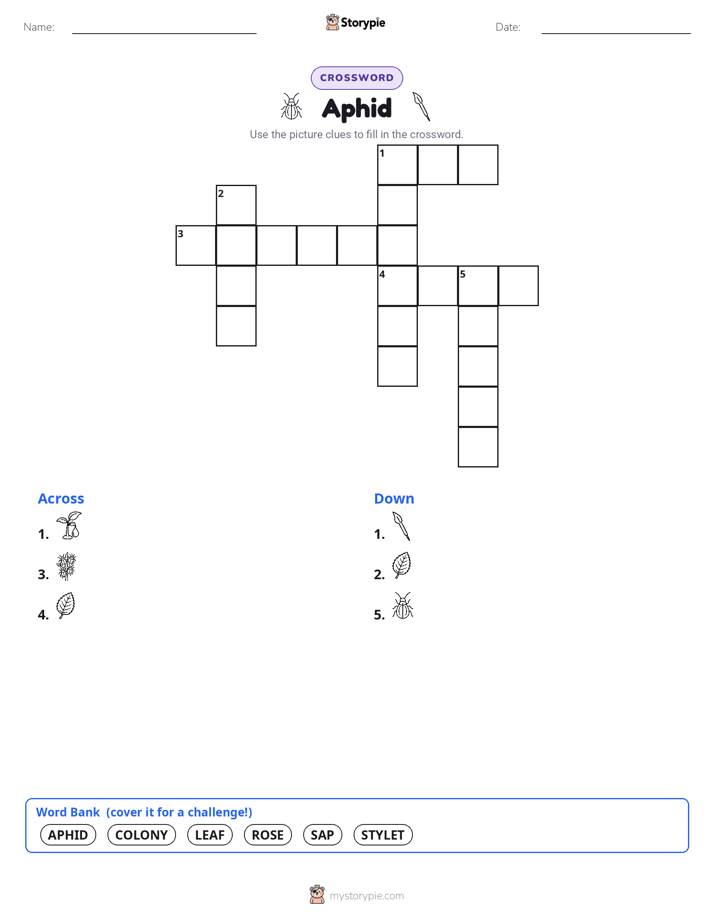
Print & create
Answer keys·No prep·Free with an account
28 worksheets · answer keys · full story · quiz · Ages 10-12 · CEFR B2
Plus adds 208,000+ more stories in 27 languages, audio for every one, and printables for all of them.
Just want Aphid?
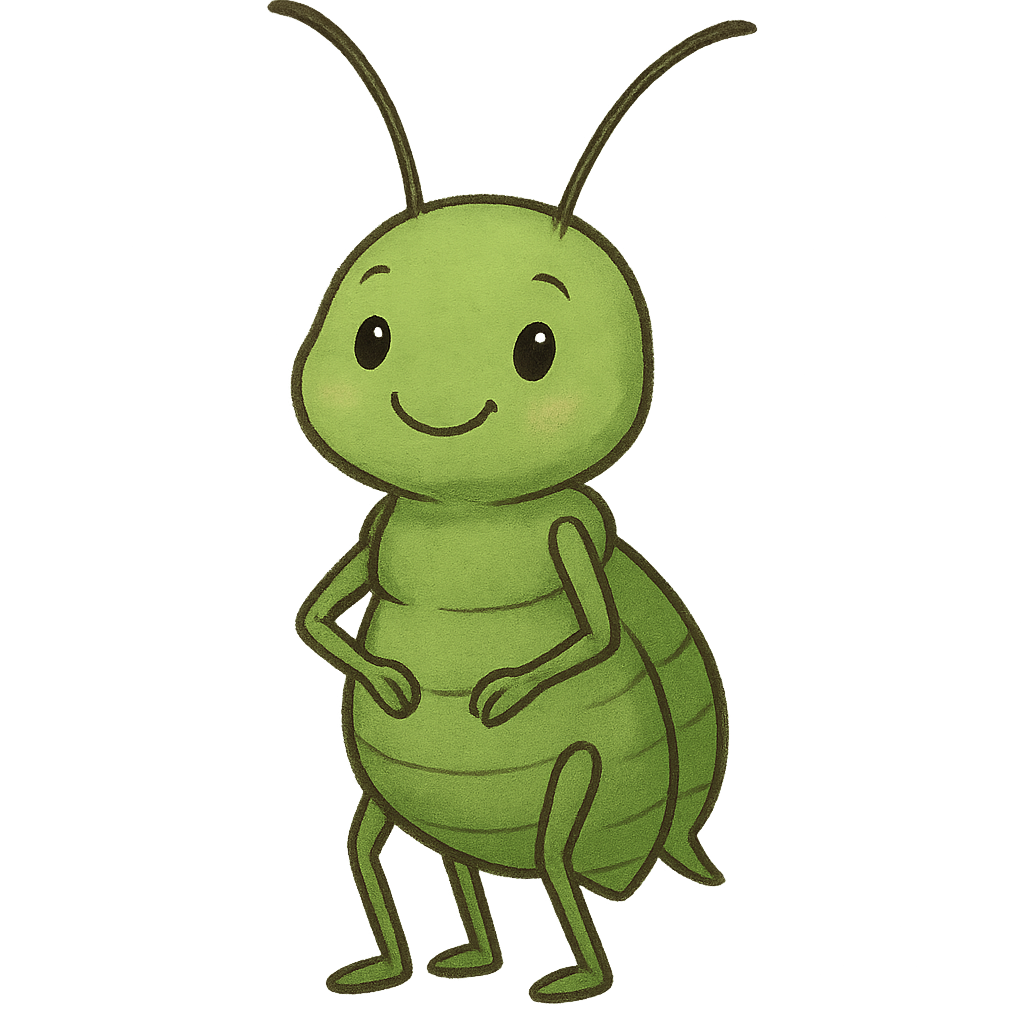
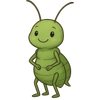
Hello. My name is Aphid, and my story begins on a warm spring day. My birth was quite special, a process scientists call parthenogenesis. My mother gave live birth to me on the underside of a tender rose leaf, and I arrived in the world with a remarkable secret: I was already carrying my own daughters inside me. There was no need for a father; our family line is a continuous chain of mothers and daughters. My first instinct was to eat. Using a special, needle-like mouthpart called a stylet, I pierced the surface of the leaf and began to drink the sweet, sugary sap flowing within the plant. This sap was the energy-rich food that would fuel my rapid growth and the beginning of my journey.
Life as a young aphid, or nymph, was a whirlwind of eating and growing. My sisters and I, all of us perfect genetic copies, or clones, of our mother, lived together in a bustling colony. To grow larger, I had to molt, which meant shedding my tight outer skin, my exoskeleton, and expanding into a new, roomier one. I did this several times, getting bigger with each molt. Our colony expanded quickly, covering the stem and leaves of our rose bush. For a while, it was a paradise of unlimited food and safety among my countless sisters. But as our numbers swelled, our home began to feel crowded. The very success of our colony was sending a silent signal through the plant that a change was necessary for our long-term survival.
As I feasted on sap, my body produced a sugary, sticky waste product called honeydew. This sweet substance became the currency for our most important relationship. It attracted our greatest allies: ants. They would climb all over our colony, gently stroking us with their antennae to encourage us to release drops of honeydew for them to eat. This process is sometimes called 'milking'. In exchange for this reliable food source, the ants became our loyal guardians. They fiercely protected us from predators like ladybugs and the larvae of lacewings, chasing them away from our colony. This incredible partnership, where two different species help each other survive, is called mutualism. Scientists first began to describe this fascinating behavior in detail around the year 1809, marveling at how we worked together.
The Aphid's Tale: A Tiny Link in a Giant World
Hello. My name is Aphid, and my story begins on a warm spring day. My birth was quite special, a process scientists call parthenogenesis. My mother gave live birth to me on the underside of a tender rose leaf, and I arrived in the world with a remarkable secret: I was already carrying my own daughters inside me. There was no need for a father; our family line is a continuous chain of mothers and daughters. My first instinct was to eat. Using a special, needle-like mouthpart called a stylet, I pierced the surface of the leaf and began to drink the sweet, sugary sap flowing within the plant. This sap was the energy-rich food that would fuel my rapid growth and the beginning of my journey.
Life as a young aphid, or nymph, was a whirlwind of eating and growing. My sisters and I, all of us perfect genetic copies, or clones, of our mother, lived together in a bustling colony. To grow larger, I had to molt, which meant shedding my tight outer skin, my exoskeleton, and expanding into a new, roomier one. I did this several times, getting bigger with each molt. Our colony expanded quickly, covering the stem and leaves of our rose bush. For a while, it was a paradise of unlimited food and safety among my countless sisters. But as our numbers swelled, our home began to feel crowded. The very success of our colony was sending a silent signal through the plant that a change was necessary for our long-term survival.
As I feasted on sap, my body produced a sugary, sticky waste product called honeydew. This sweet substance became the currency for our most important relationship. It attracted our greatest allies: ants. They would climb all over our colony, gently stroking us with their antennae to encourage us to release drops of honeydew for them to eat. This process is sometimes called 'milking'. In exchange for this reliable food source, the ants became our loyal guardians. They fiercely protected us from predators like ladybugs and the larvae of lacewings, chasing them away from our colony. This incredible partnership, where two different species help each other survive, is called mutualism. Scientists first began to describe this fascinating behavior in detail around the year 1809, marveling at how we worked together.
By late summer, the signals could no longer be ignored. Our host plant was overflowing with our colony, and the quality of the sap was changing with the season. In response to these environmental cues, my mother began to do something new. She started giving birth to a different kind of daughter—a generation born with delicate, transparent wings. I was one of them. The feeling of these new wings developing was strange at first, but soon they unfurled, ready for flight. I took to the air for the first time, leaving the crowded home I had always known. My mission was to travel on the breeze, find a fresh, new plant, and establish a new colony. It was a risky journey, but it was the only way to ensure our family line would continue.
My life cycle, though short, is full of purpose. While humans have often viewed us as garden pests since the early 1900s because our feeding can sometimes spread plant viruses, my role in nature is far more significant. I am a vital link in the food web. My body is an expert at converting the sun's energy, stored in the sweet sap of plants, into a form that other animals can use. I am a primary food source for countless creatures. Ladybugs, lacewings, birds, and spiders all depend on aphid colonies like mine to survive. We are a small but essential connection, passing energy from the world of plants to the world of animals. My existence, and that of my sisters, helps keep the entire ecosystem healthy and in balance.
Wow facts
About
Aphids are small, sap-sucking insects known for their rapid, unique reproductive cycles and their symbiotic relationship with ants, which farm them for a sugary excretion called honeydew.
Take a Quiz
Question 1 of 5
In your own words, describe the life cycle of the aphid narrator, from her unique birth to her first flight.
Explore next




Want to do even more?
Go beyond exploring. Unlock tools that turn every story into real learning.

Storypie Plus for families
Full stories, quizzes, and printables. Nights and car rides, sorted.
- Unlimited audio stories
- Create Mode: your child stars in the story
- Offline downloads
- Printable worksheets & coloring pages

Why Storypie for Schools
Students engaged. Prep in seconds. Evenings back to you.
- Worksheets & Quizzes
- Classroom Management
- Formative Assessment
- Custom Curriculum & Lesson Plans
- 27 Languages

Why Storypie for Homeschool
Curriculum done. They'll ask for more. Hours back in your day.
- Worksheet Generator
- First-Person Audio Stories
- Built-in Comprehension Quizzes
- Custom Curriculum & Lesson Plans
- Print & Go Activities