English


Axolotl
The Axolotl is a species of salamander native to lakes near Mexico City…
Reads at Grades 3–5 Listens at Grades 1–5
 Screen-free speaker. Built for your kids.
No card, no commitment. One email when there is real news, and one click to stop.
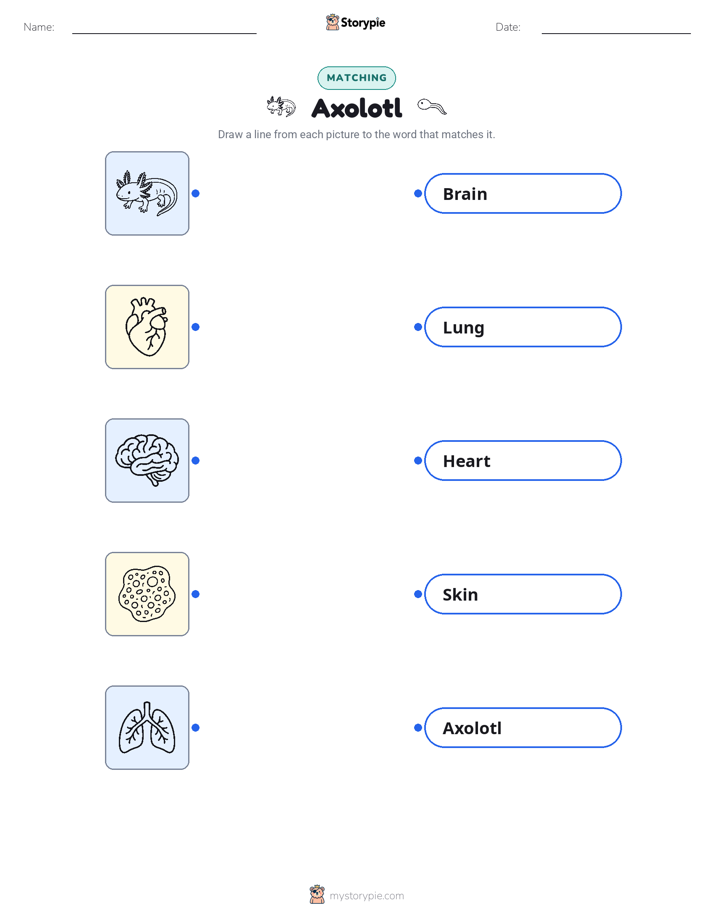
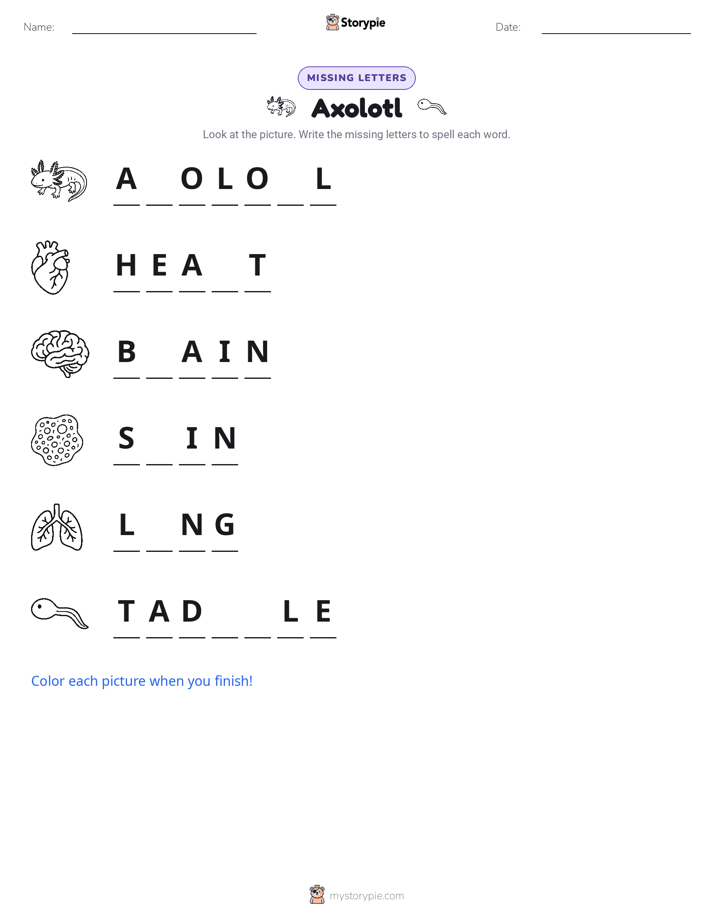
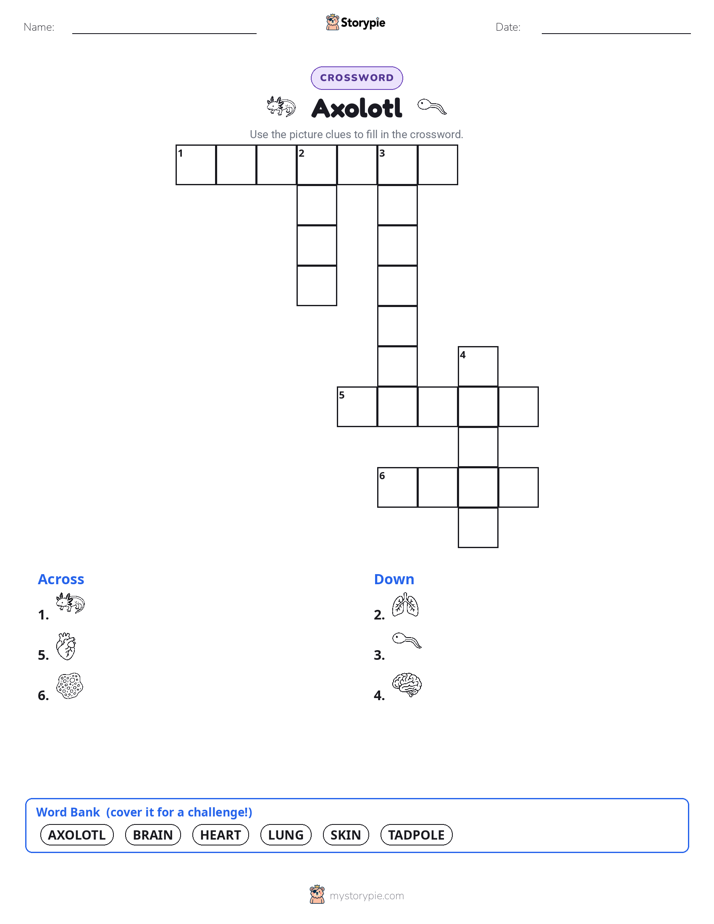
Print & create
Answer keys·No prep·Free with an account
28 worksheets · answer keys · full story · quiz · Ages 8-10 · CEFR B1
Plus adds 102,000+ more stories in 27 languages, audio for every one, and printables for all of them.
Just want Axolotl?
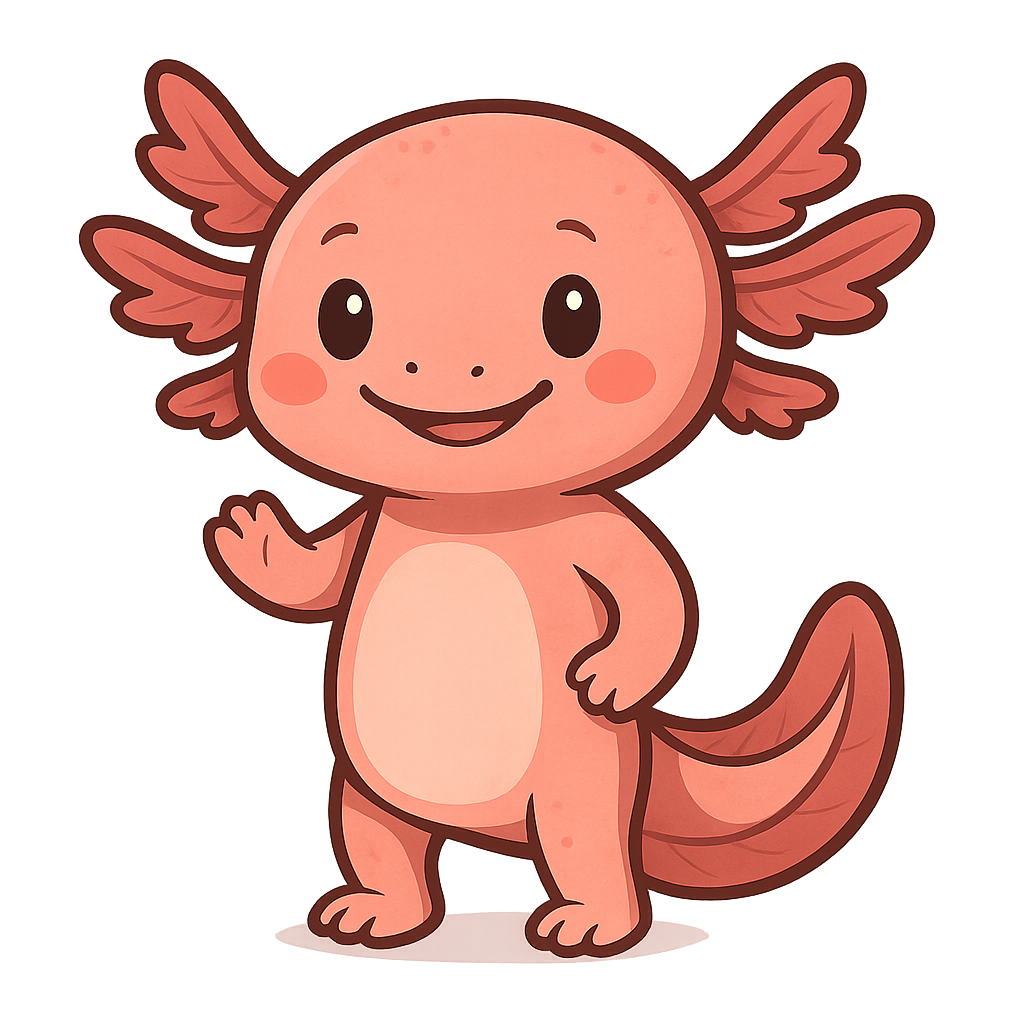
Hello. My name is Axolotl, and I am a very special kind of salamander. My nickname is the 'water dog,' a name that comes from the ancient Aztec language. It’s a perfect name for me, because I spend my entire life in the water. My home is in the beautiful, winding canals of Lake Xochimilco, near what is now Mexico City. I have a very unique look that makes me easy to recognize. Fluffy, pink gills branch out from the sides of my head like a feathery mane, and they wave gently in the water as I breathe. People often say that my face is set in a permanent smile. But I have a secret that makes me truly one-of-a-kind. I am like the Peter Pan of the animal world because I never fully 'grow up' like other salamanders. I stay in my swimming, juvenile form for my whole life, a special trait called neoteny. This means I get to keep my gills and my life in the water forever.
Now, I want to tell you about my most amazing superpower: regeneration. It’s a real-life talent that might sound like it comes from a storybook. If I accidentally lose a toe, a leg, or even a part of my tail, I don’t have to worry for long. I have the incredible ability to grow it right back, perfectly new, without leaving a single scar. It’s almost as if it was never gone at all. My healing powers go even deeper than that. I can repair parts of my own brain if they get damaged, and I can even mend my own heart. This incredible ability is what makes me so interesting to scientists all over the world. They study me very carefully, hoping to unlock the secrets of how I heal so perfectly. They believe that by understanding my body's amazing tricks, they might one day learn how to help people heal from serious injuries, too. It makes me proud to know that my special gift could bring so much hope to others.
The Story of the Axolotl
Hello. My name is Axolotl, and I am a very special kind of salamander. My nickname is the 'water dog,' a name that comes from the ancient Aztec language. It’s a perfect name for me, because I spend my entire life in the water. My home is in the beautiful, winding canals of Lake Xochimilco, near what is now Mexico City. I have a very unique look that makes me easy to recognize. Fluffy, pink gills branch out from the sides of my head like a feathery mane, and they wave gently in the water as I breathe. People often say that my face is set in a permanent smile. But I have a secret that makes me truly one-of-a-kind. I am like the Peter Pan of the animal world because I never fully 'grow up' like other salamanders. I stay in my swimming, juvenile form for my whole life, a special trait called neoteny. This means I get to keep my gills and my life in the water forever.
Now, I want to tell you about my most amazing superpower: regeneration. It’s a real-life talent that might sound like it comes from a storybook. If I accidentally lose a toe, a leg, or even a part of my tail, I don’t have to worry for long. I have the incredible ability to grow it right back, perfectly new, without leaving a single scar. It’s almost as if it was never gone at all. My healing powers go even deeper than that. I can repair parts of my own brain if they get damaged, and I can even mend my own heart. This incredible ability is what makes me so interesting to scientists all over the world. They study me very carefully, hoping to unlock the secrets of how I heal so perfectly. They believe that by understanding my body's amazing tricks, they might one day learn how to help people heal from serious injuries, too. It makes me proud to know that my special gift could bring so much hope to others.
My family has a very long and important history in Mexico. Back in the 14th century, my ancestors were very familiar to the Aztec people who lived around my home. We were a part of their culture and their world, living peacefully in the canals and lakes. For centuries, we thrived there. Then, in 1863, a few of my relatives were carefully collected and went on a long journey across the ocean to Paris, France. This was the first time many scientists in Europe had ever seen us, and they were amazed by my family’s feathery gills and ability to stay young forever. But as time went on, things began to change in my home. During the 20th century, the canals of Lake Xochimilco started to face serious challenges. The water became polluted, and new kinds of fish that didn't belong there were introduced into the lake. These new fish competed with us for food and made it much harder for my family to survive. By the year 1998, scientists who studied us noticed that there were far fewer of us living in the wild than there had ever been before.
Even though my home in the wild has faced many troubles, my story is one of resilience and hope. Today, there are not many of us left in Lake Xochimilco, which makes us very rare in our natural habitat. However, thousands of my brothers and sisters live safely in laboratories and aquariums all around the world. In these safe places, we have a very important job. We help scientists continue to learn about regeneration and the incredible ways nature works. By studying us, they unlock secrets that could help people in the future. My journey also teaches people how important it is to protect special places like Lake Xochimilco. I may be a small creature, but I carry a big message about the amazing power of nature to adapt and heal. I am a living reminder of this hope.
Wow facts
About
The Axolotl is a species of salamander native to lakes near Mexico City, famous for its ability to regenerate lost body parts and for retaining its juvenile features throughout life (neoteny). It is critically endangered in the wild.
Take a Quiz
Question 1 of 5
What does the name 'Axolotl' mean in the ancient Aztec language?
Explore next






Want to do even more?
Go beyond exploring. Unlock tools that turn every story into real learning.

Storypie Plus for families
Full stories, quizzes, and printables. Nights and car rides, sorted.
- Unlimited audio stories
- Create Mode: your child stars in the story
- Offline downloads
- Printable worksheets & coloring pages

Why Storypie for Schools
Students engaged. Prep in seconds. Evenings back to you.
- Worksheets & Quizzes
- Classroom Management
- Formative Assessment
- Custom Curriculum & Lesson Plans
- 27 Languages

Why Storypie for Homeschool
Curriculum done. They'll ask for more. Hours back in your day.
- Worksheet Generator
- First-Person Audio Stories
- Built-in Comprehension Quizzes
- Custom Curriculum & Lesson Plans
- Print & Go Activities