English

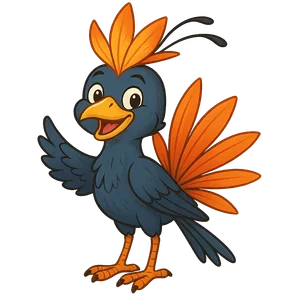
Bird-of-Paradise
The birds-of-paradise are members of the family Paradisaeidae of the order Passeriformes.
Reads at Grades 6–8 Listens at Grades 4–8
Print & create
Answer keys·No prep·Free with an account
28 worksheets · answer keys · full story · quiz · Ages 10-12 · CEFR B2
Plus adds 164,000+ more stories in 27 languages, audio for every one, and printables for all of them.
Just want Bird-of-Paradise?
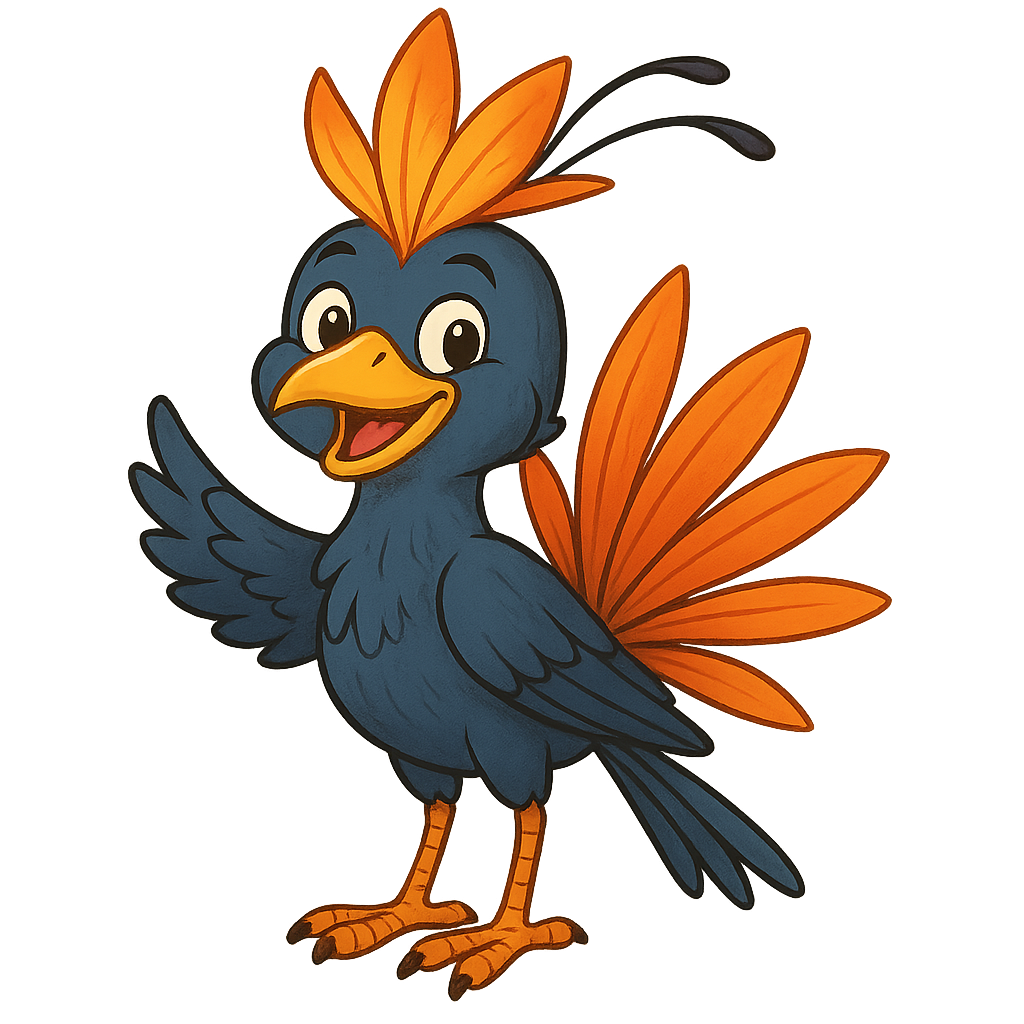
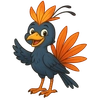
Hello, I am a bird-of-paradise, and I am what you might call a living jewel. My home is the dense, humid rainforest of New Guinea, an island world filled with a symphony of sounds. From the moment the sun rises, the air hums with the calls of insects, the rustling of unseen animals, and the songs of countless birds. The air itself is thick and warm, and the sunlight struggles to reach the forest floor, creating a dappled pattern of light and shadow among the giant trees. It is in this world of vibrant green that I live and perform. My family, known to scientists as *Paradisaeidae*, is famous across the globe. We are celebrated for our breathtaking feathers, which shimmer with colors you can barely imagine, and for our dramatic personalities. We don't just live in the forest; we are the very spirit of its beauty and wildness.
My ancestors and your human ancestors have a long and curious history. The story of how we were introduced to Europe is quite famous. On September 6th, 1522, the few survivors of Ferdinand Magellan’s incredible voyage around the world finally returned to Spain. Among the treasures they brought back were the skins of some of my relatives. The people who had prepared these skins for the long journey had removed their feet and legs, a common practice at the time. When scholars in Europe saw these footless specimens, a strange and wonderful myth was born. They believed we were visitors from a heavenly paradise, birds that floated in the air and never touched the ground, surviving only on dew from the heavens. This is how we earned our name, 'bird-of-paradise.' Of course, that is just a story. I can assure you my feet are very real and very important. I use their strong grip to cling to branches, to hop through the canopy, and, most importantly, for my dance.
My Dance in the Canopy: A Bird-of-Paradise Story
Hello, I am a bird-of-paradise, and I am what you might call a living jewel. My home is the dense, humid rainforest of New Guinea, an island world filled with a symphony of sounds. From the moment the sun rises, the air hums with the calls of insects, the rustling of unseen animals, and the songs of countless birds. The air itself is thick and warm, and the sunlight struggles to reach the forest floor, creating a dappled pattern of light and shadow among the giant trees. It is in this world of vibrant green that I live and perform. My family, known to scientists as Paradisaeidae, is famous across the globe. We are celebrated for our breathtaking feathers, which shimmer with colors you can barely imagine, and for our dramatic personalities. We don't just live in the forest; we are the very spirit of its beauty and wildness.
My ancestors and your human ancestors have a long and curious history. The story of how we were introduced to Europe is quite famous. On September 6th, 1522, the few survivors of Ferdinand Magellan’s incredible voyage around the world finally returned to Spain. Among the treasures they brought back were the skins of some of my relatives. The people who had prepared these skins for the long journey had removed their feet and legs, a common practice at the time. When scholars in Europe saw these footless specimens, a strange and wonderful myth was born. They believed we were visitors from a heavenly paradise, birds that floated in the air and never touched the ground, surviving only on dew from the heavens. This is how we earned our name, 'bird-of-paradise.' Of course, that is just a story. I can assure you my feet are very real and very important. I use their strong grip to cling to branches, to hop through the canopy, and, most importantly, for my dance.
My entire life revolves around a single, vital purpose: the performance. As a male, my brilliant feathers are not merely for decoration. They are the magnificent result of thousands of generations of females choosing mates with the most stunning and dazzling displays. This very idea fascinated the great naturalist Alfred Russel Wallace, who traveled to my home from 1854 to 1862 to study the wonders of nature. He understood that my beauty was a key to my survival. To prepare for my performance, I first select the perfect branch, which becomes my personal stage. I am meticulous, clearing it of any stray leaves or debris. Once it is perfect, I begin. I call out, a sharp cry to announce my presence. Then, I transform. I fan my plumes into a spectacular cape of color, I contort my body into shapes that seem to defy gravity, and I dance with an energy that consumes my entire being. This courtship display is my art, my life’s work, all to capture the attention of a single female.
While my dance is what makes me famous, I have another, quieter role that is just as important. I am one of the forest's most dedicated gardeners. My diet consists mostly of sweet, juicy fruits that hang from the trees. To get enough protein, I also snack on insects and spiders. When I eat a piece of fruit, I don't stay in one place for long. I fly through the forest, and as I travel, I eventually drop the seeds in a new location far from the parent tree. This simple act is essential for the health of the rainforest. By spreading seeds, I help plant new trees, ensuring that the forest remains diverse and lush. My existence is not separate from my home; it is woven directly into the life of the forest, helping it grow and thrive. Every fruit I eat is a promise of a new tree for the future.
My family has faced many challenges over the years. During the late 19th and early 20th centuries, my ancestors were hunted relentlessly for their beautiful plumes, which were used to decorate fashionable hats in Europe and America. Thankfully, those days are over. Today, the greatest threat we face is the loss of our home. Deforestation, the clearing of trees for farming and logging, shrinks our rainforest world every year. But I remain hopeful. My story, and the story of my family, is a powerful reminder of the incredible, irreplaceable beauty of the natural world. By protecting the rainforests, humans are not just saving a place on a map; they are ensuring that my family can continue our spectacular dances and our vital work as the forest's gardeners for many, many years to come. Our future can be as bright as our feathers.
Wow facts
About
The birds-of-paradise are members of the family Paradisaeidae of the order Passeriformes. The majority of species are found in New Guinea and its satellites, and are best known for the spectacular and elaborate plumage of the males who perform complex courtship rituals.
Take a Quiz
Question 1 of 5
What is the main purpose of the male bird-of-paradise's elaborate dance and feathers?
Explore next






Want to do even more?
Go beyond exploring. Unlock tools that turn every story into real learning.

Storypie Plus for families
Full stories, quizzes, and printables. Nights and car rides, sorted.
- Unlimited audio stories
- Create Mode: your child stars in the story
- Offline downloads
- Printable worksheets & coloring pages

Why Storypie for Schools
Students engaged. Prep in seconds. Evenings back to you.
- Worksheets & Quizzes
- Classroom Management
- Formative Assessment
- Custom Curriculum & Lesson Plans
- 27 Languages

Why Storypie for Homeschool
Curriculum done. They'll ask for more. Hours back in your day.
- Worksheet Generator
- First-Person Audio Stories
- Built-in Comprehension Quizzes
- Custom Curriculum & Lesson Plans
- Print & Go Activities